Nature Astronomy, Published online: 08 September 2026; doi:10.1038/s41550-026-02970-y Heliobiology is a new interdisciplinary field that links heliophysics, astrophysics, planetary science and chemistry with an astrobiological focus. We propose a formal definition of heliobiology and a practical framework for its implementation.
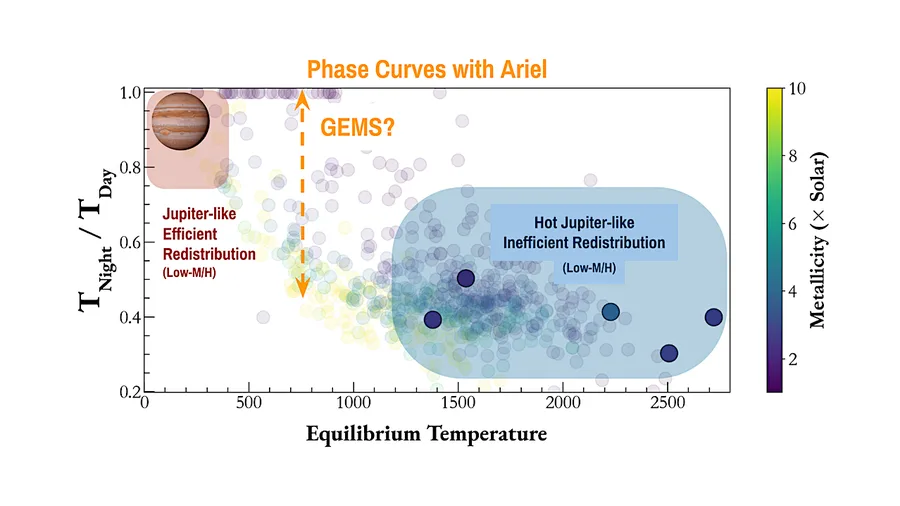
[astro-ph.EP] Giant planets orbiting low-mass stars represent a unique population of giant planets that can be studied to constrain planet formation theory. Surveys of transiting giant exoplanets around M-dwarfs (GEMS) […] The post The Metallicity Of Giant Exoplanets Around Low-mass Stars And How Ariel Can Help appeared first on Astrobiology .
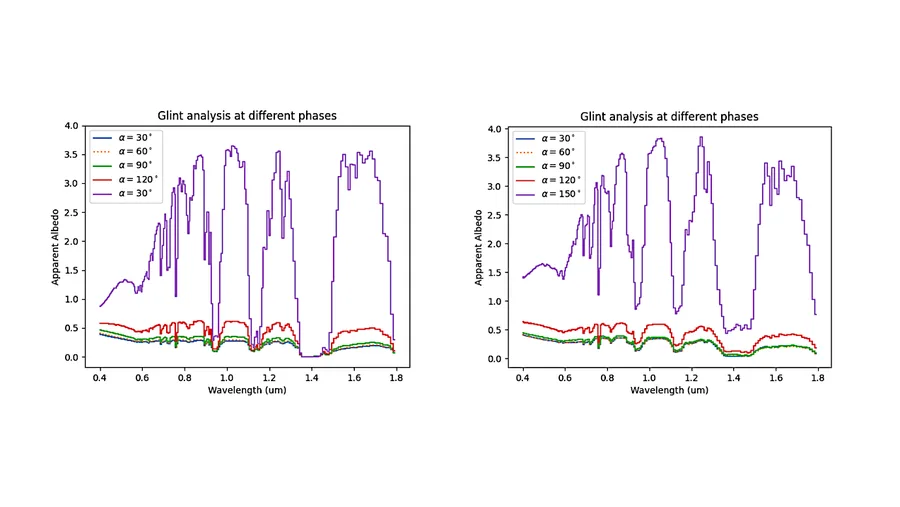
[astro-ph.EP] Future space telescopes searching for extraterrestrial life require methods to detect environments that can potentially support life. Liquid water is considered essential for life as we know it and […] The post Retrieving Ocean Glint Reflectance Signatures From Directly Imaged Earth-like Exoplanets appeared first on Astrobiology .
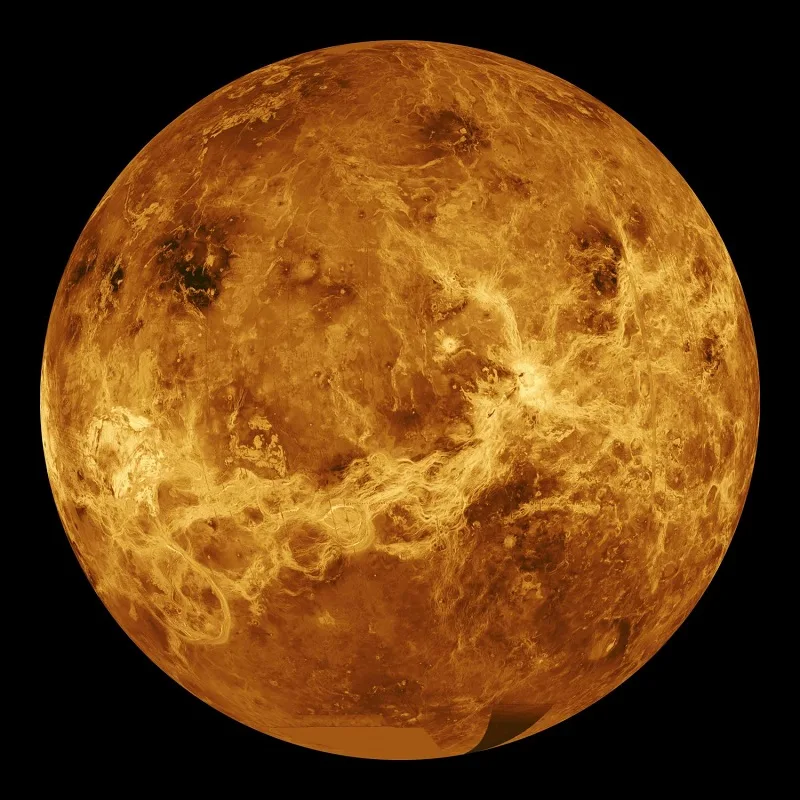
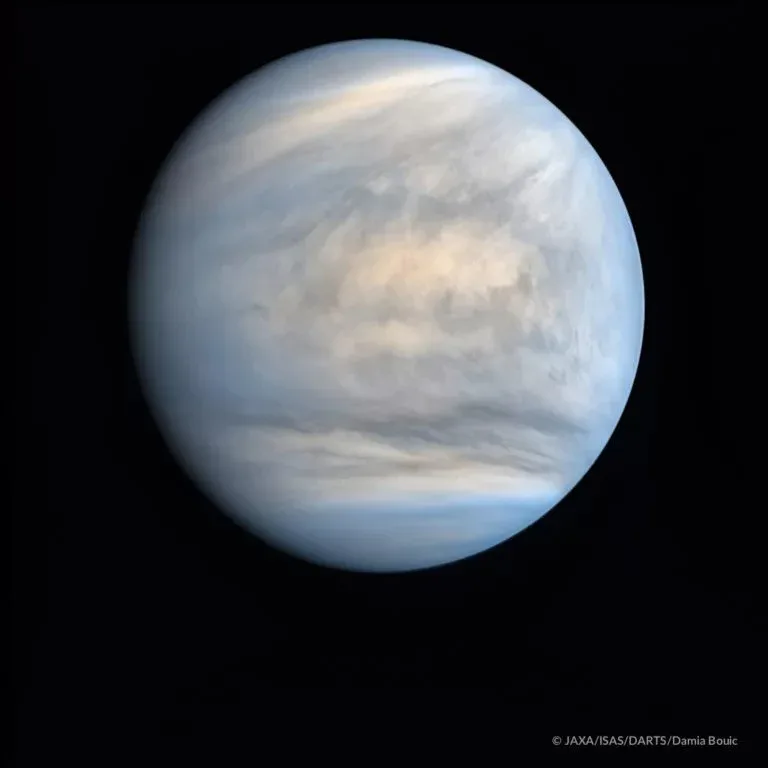
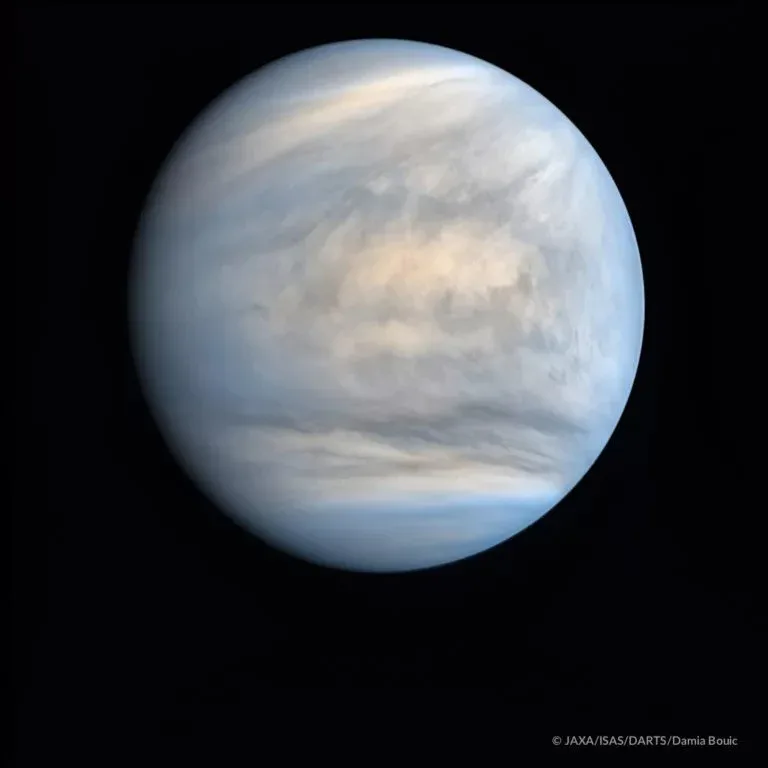
The clouds of Venus may seem like one of the last places where the building blocks of life could survive. They consist mostly of concentrated sulfuric acid, a highly corrosive substance capable of dissolving metals and destroying many biological molecules found on Earth. However, a new study suggests that some important molecules may be surprisingly […] The post Building Blocks of Life Can Fold a…
Several space missions are searching for extraterrestrial life, which could come in the form of microbes The post Many Space Missions Are Searching for Life Beyond Earth—But Are We Prepared for the Fallout If They Succeed? appeared first on Nautilus .
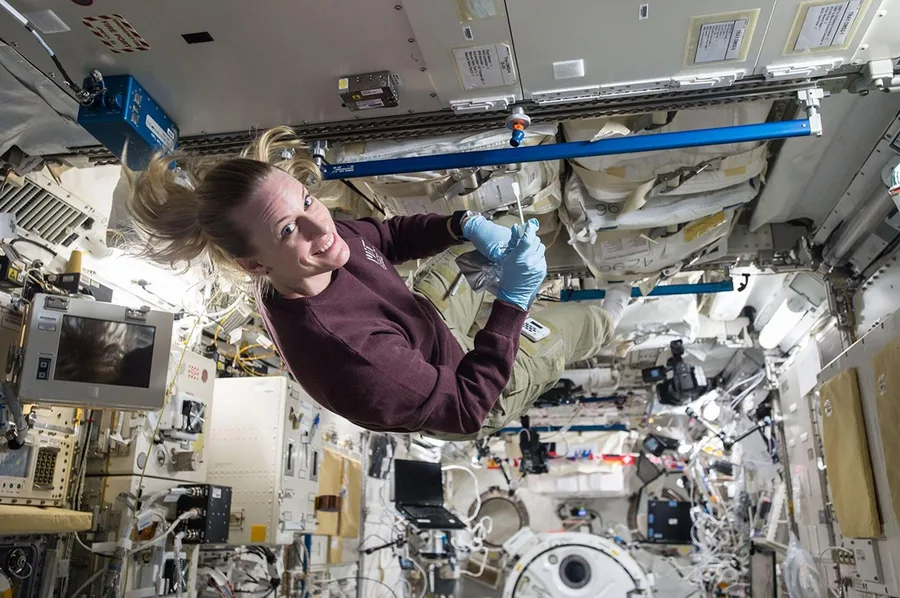
NASA scientists found that microbes brought by astronauts could survive in cold, shadowed niches around the Moon’s South Pole, potentially complicating future searches for pristine lunar chemistry. Some refuges may be no larger than a footprint, while one hardy fungus could even withstand limited exposure to sunlight.
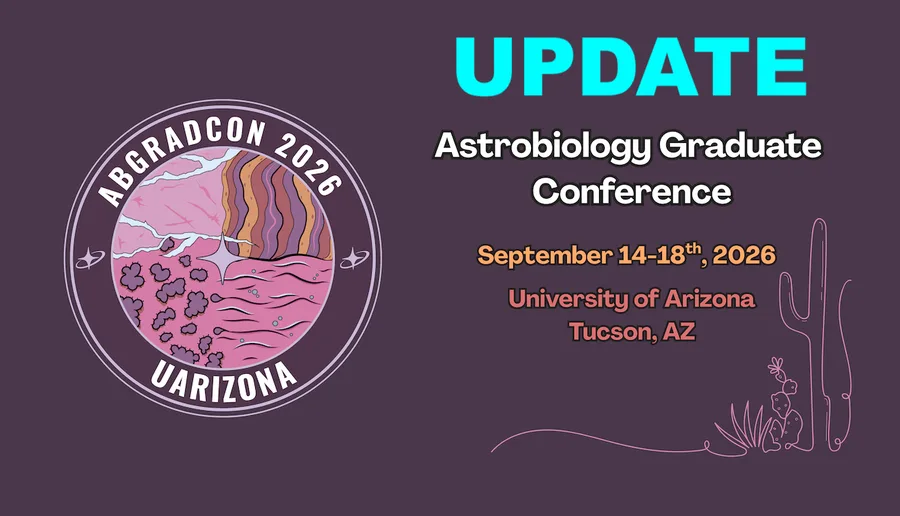
Editors’ note from Keith Cowing, Astrobiology.com: I’m happy to have Astrobiology.com serve as one of the sponsors of AbGradCon 2026. I have been involved with NASA Astrobiology since the very […] The post Astrobiology Graduate Conference (AbGradCon26) Update appeared first on Astrobiology .
The planet Venus is arguably the most mischievous planetary body in the solar system. This is because like Saturn’s largest moon, Titan, Venus is shrouded in a thick atmosphere that can’t be viewed with optical telescopes and require radar images to see the surface. Unlike Titan, whose atmosphere looks quite dull, Venus’s swirling and awe-inspiring […] The post Could Life Exist on Venus? Peptides…
The planet Venus is arguably the most mischievous planetary body in the solar system. This is because like Saturn’s largest moon, Titan, Venus is shrouded in a thick atmosphere that can’t be viewed with optical telescopes and require radar images to see the surface. Unlike Titan, whose atmosphere looks quite dull, Venus’s swirling and awe-inspiring clouds give observers the impression that its su…

 research.io