Brian Koberlein (https://www.universetoday.com/authors/brian)
21m ago
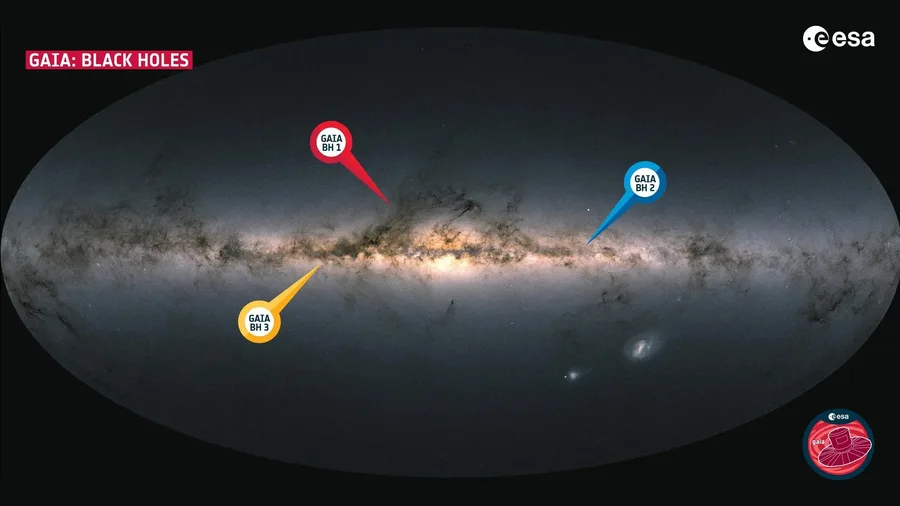
Gaia has discovered three stellar mass black holes, each with a small stellar companion. For two of these systems the companions orbit closer that we would expect. Just how these systems form is a bit of a mysteries, but there are clues.
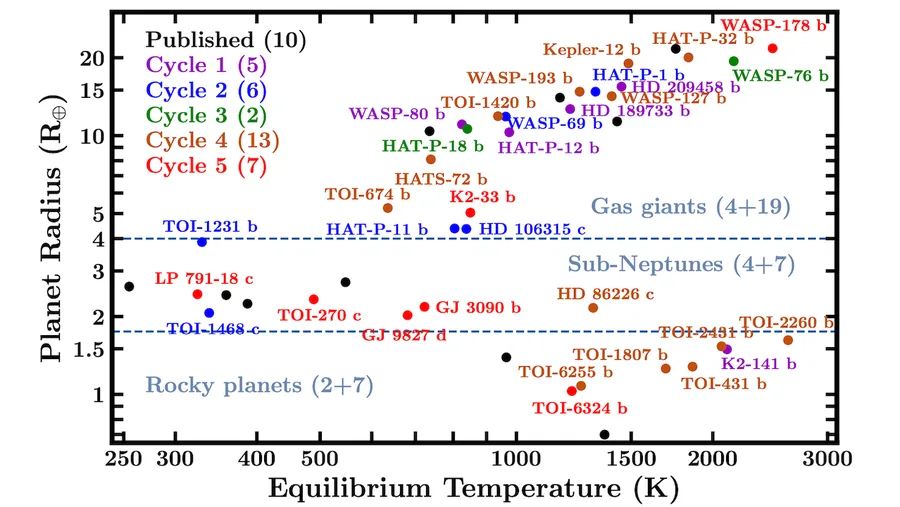
[astro-ph.EP] The launch of JWST has enabled unprecedented atmospheric characterization of exoplanets. In particular, the JWST-MIRI instrument in the mid-infrared enables probing of molecular species that are harder to detect […] The post A Homogeneous Survey Of JWST MIRI Transmission Spectra Of 10 Exoplanets appeared first on Astrobiology .
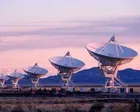
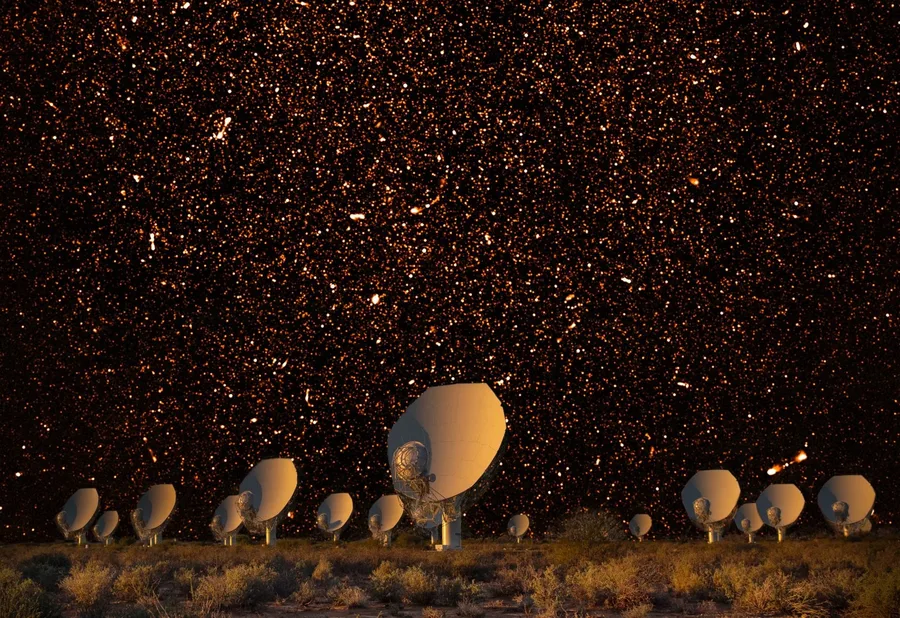
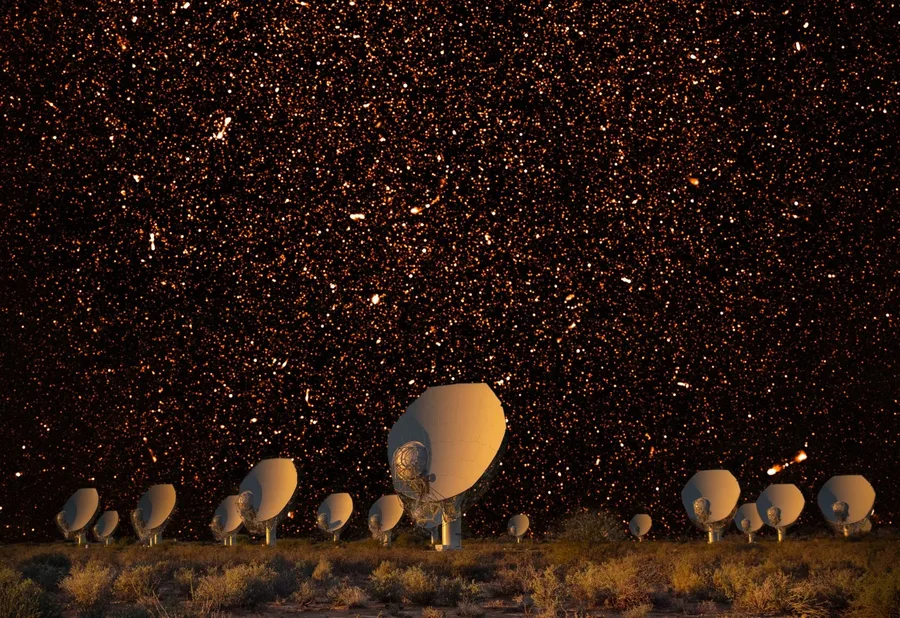
The MeerKAT radio telescope, composed of 64 dish antennas located in South Africa’s Northern Cape province, was built to study cosmic hydrogen, galaxy formation and evolution, and transient radio sources. As the precursor to the planned Square Kilometer Array telescope, its scientific goal is to map the radio sky in preparation for more ambitious campaigns […] The post Astronomers Hear the Faint …
James Van Allen, who was born in Iowa on Sept. 7, 1914, showed talent and interest in science and math from an early age. A major in physics from Wesleyan College in 1935 was followed by a Ph.D. in nuclear physics in 1939. Before and after World War II – during which he developed antiaircraft Continue reading "Sept. 7, 1914: The birth of James Van Allen" The post Sept. 7, 1914: The birth of James…
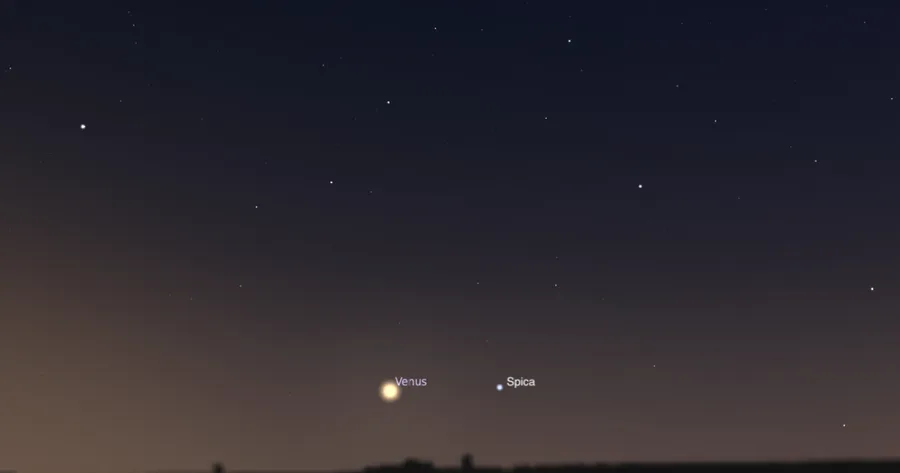
Looking for a sky event this week? Check out our full Sky This Week column. September 6: The Moon and Mars in Gemini Venus has pulled away from the bright star Spica in Virgo, which it met in the sky last week, and tonight stands side by side with the star as they set together following sunset. Continue reading "The Sky Today on Monday, September 7: Venus and Spica, side by side" The post The Sk…
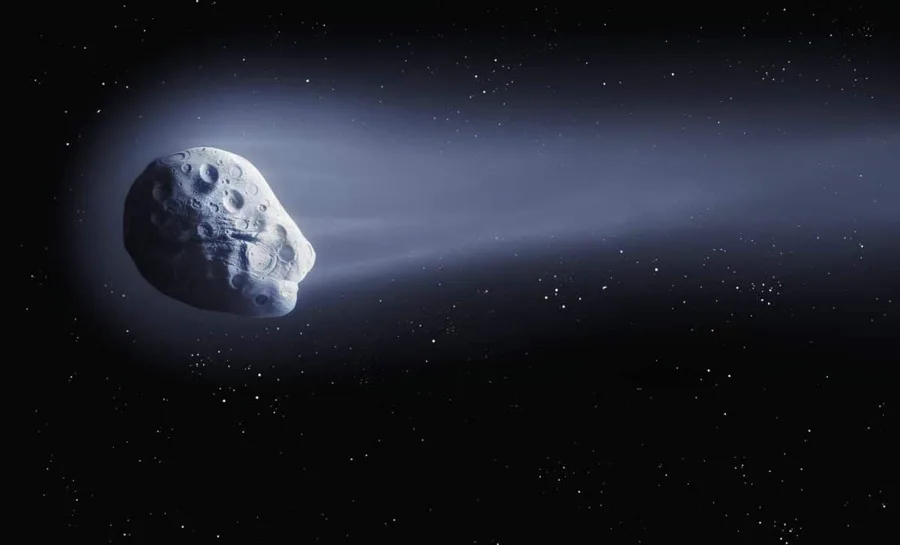
Something has awakened in the outer solar system. After years of observations, astronomers have detected dramatic changes around a distant icy object, and its unusual history may explain why they are happening now.
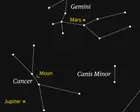
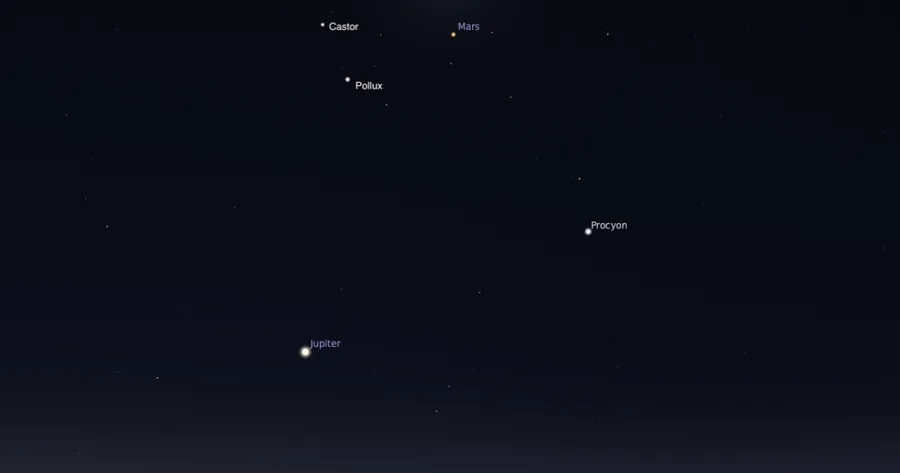
The moon will pass less than a degree north of the giant planet and will be on its other side the next morning Those already out and about at 5am this week will be rewarded with a beautiful waning crescent moon approaching Jupiter, while Mars watches on from a little further away. The chart shows the view looking east from London at 5am on Tuesday. The waning moon will be easily visible with abou…
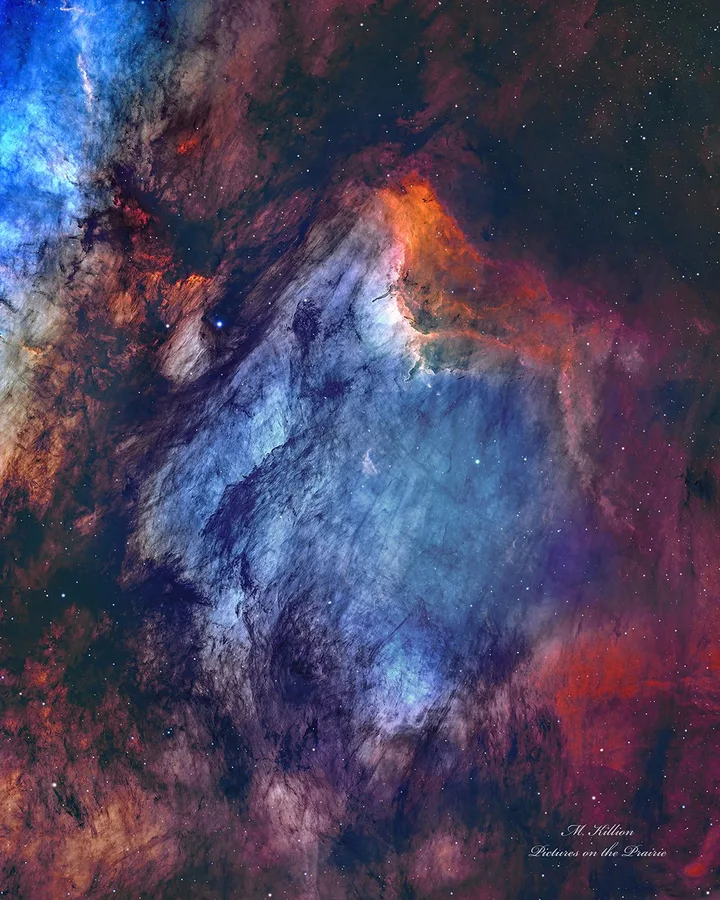
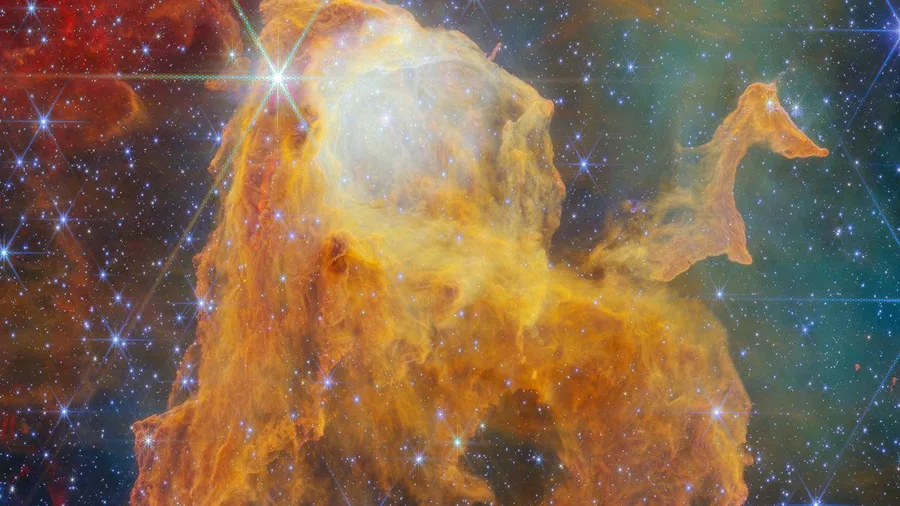
APOD Science APOD APOD: 2026 September 7 – The… Today’s APOD Archive Submissions Index Search Calendar RSS Education About Discuss APOD Astronomy Picture of the Day Discover the cosmos! Each day a different image or photograph of our fascinating universe is featured, along with a brief explanation written by a professional astronomer. The Pelican […]
Written by Adam Kirsch and read by James Sobol Kelly. Produced by Nicola Alexandrou. The executive producer was Ellie Bury
12h ago
Given the size and age of the universe, it should be full of species with technology far more advanced than our own. So where are they? By Adam Kirsch. Read by James Sobol Kelly Read the text version here Support the Guardian today: theguardian.com/longreadpod Adapted from We Want to Believe: How Aliens Went Mainstream and Why It Matters, published by Columbia Global Reports on 25 August. To supp…
A complete deep-sky astrophotography guide: gear, planning, exposure strategy, calibration frames, stacking, and processing for cleaner, sharper images. The post Deep-Sky Astrophotography: Calibration, Stacking, Processing first appeared on .
Matthew Williams (https://www.universetoday.com/authors/houseofwilliams)
19h ago
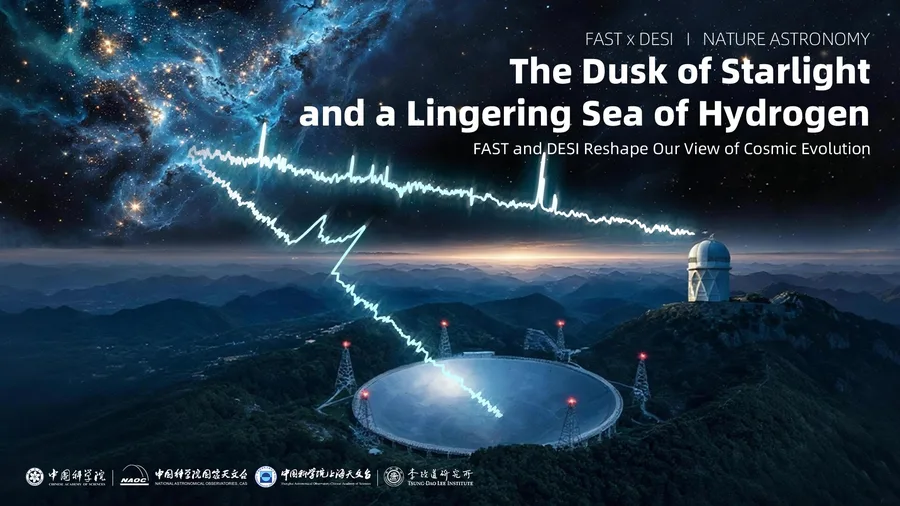
Astronomers have directly detected an extremely faint radio signal from hydrogen gas billions of light years away, demonstrating a powerful new way to map the Universe.
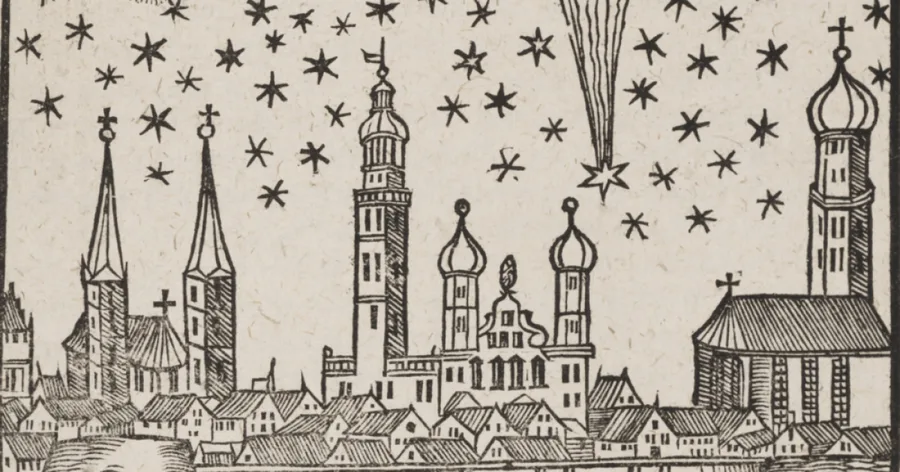
The fall of 1618 was a standout when it came to notable comets, boasting three visible to the naked eye. In late August, C/1618 Q1 appeared, first spotted in the skies over Hungary. Johannes Kepler observed the comet throughout the month of September, spotting it from Linz, Austria, through a small telescope on Sept. 6. Continue reading "Sept. 6, 1618: The first comet seen through a telescope" Th…
Looking for a sky event this week? Check out our full Sky This Week column. September 5: Titan near Saturn The waning crescent Moon lies in Gemini today, not far from the 3rd-magnitude star Epsilon (ε) Geminorum, roughly around where western twin Castor’s knee would be. Mars is also in Gemini, closer to the midsection of the Continue reading "The Sky Today on Sunday, September 6: The Moon and Ma…
The universe is producing far fewer stars than it did several billion years ago. Scientists have often assumed that this slowdown happened because galaxies were running out of the cold gas needed to build new stars. However, new measurements suggest the explanation is not that simple. An international research team led by scientists from the […] The post The Universe Still Has Star-Making Fuel—So…
Explore stellar spectral classification: OBAFGKM types, luminosity classes, HR diagram, color indices, reddening, metallicity, and modern methods to classify stars. The post Stellar Spectral Types: OBAFGKM, Lines, and HR Diagram first appeared on .
Payne's 1925 calculation was right, but the familiar story misses why it looked wrong and how Russell's independent 1929 analysis both confirmed and explicitly credited her earlier result.
China has narrowed the search for Tianwen-3’s Mars landing site to eight candidates as preparations accelerate for a 2028 sample-return mission targeting signs of ancient life.



 research.io