Nature Communications, Published online: 18 June 2026; doi:10.1038/s41467-026-74539-2 How metastatic progenitor cells emerge and persist remains to be understood. Here the authors show that in lung adenocarcinoma progenitors, the cell adhesion molecule L1CAM drives SOX2 expression via the planar cell polarity complex to sustain regenerative and metastatic capacity.
This study reports the green synthesis, characterization, and cytotoxic evaluation of zinc oxide (ZnO) nanoparticles. ZnO nanoparticles have been synthesized using 3 mL of waste peel extracted from Allium cepa (onion) and designated as O3. Comprehensive characterization has been performed using XRD, UV–Visible, FTIR, FESEM, HRTEM, DLS, and fluorescence spectroscopy. The UV–Visible spectrum exhibi…
Nature Communications, Published online: 16 June 2026; doi:10.1038/s41467-026-73467-5 The extracellular matrix provides structure to tumor tissue and can act as a barrier to anti-tumor immunity. Here, the authors demonstrate that enzymatic modification of matrix glycans shapes T cell-macrophage interactions and reduces immunosuppression within triple-negative breast cancer tumors.
Nature Communications, Published online: 15 June 2026; doi:10.1038/s41467-026-74435-9 Breast cancers with HER2 overexpression can vary in whether they also express the estrogen receptor, influencing tumor behavior and treatment response. Here, the authors show that in transgenic mouse models, the HER2Δ16 splice variant promotes the development of aggressive luminal tumors by facilitating luminal …
Nature Communications, Published online: 23 May 2026; doi:10.1038/s41467-026-73380-x Pancreatic ductal adenocarcinoma (PDAC) classical and basal subtypes can interconvert. Here, the authors discover that ZNF274 loss drives a classical to basal transition in PDAC via suppression of ZEB1 and HERV-driven interferon signaling, increasing the sensitivity to CDK7 inhibition.
Nature Immunology, Published online: 20 May 2026; doi:10.1038/s41590-026-02512-8 Dong, Ray et al. identify salt-inducible kinases (SIKs) as potential drivers of T cell dysfunction in the immunosuppressive microenvironment of ovarian cancer.
Nature, Published online: 06 May 2026; doi:10.1038/s41586-026-10452-4 Multimodal machine learning reveals that tumour microenvironments can be decomposed into spatially organized multicellular ecosystems, termed spatial ecotypes, that can be accessed non-invasively via liquid biopsy and used to profile individual cancers and target treatments.
_Unified Theory of Consciousness : Proofs and Applications_. forthcomingThe two preceding papers in this sequence developed a constraint-failure frame for cancer biology, arguing that tumors are not colonies of broken cells but the visible end-state of failure in the closure of constraints by which tissue maintains itself as a coherent participant in the larger organism, and that the early-onset …
Activation of a specific part of the Dicer enzyme can change its shape in a way that affects its critical role in proper cell division, with implications for both cancer biology and fertility, according to researchers at The University of Texas MD Anderson Cancer Center.
Nature Communications, Published online: 15 April 2026; doi:10.1038/s41467-026-71972-1 Author Correction: A proteogenomic atlas of 1032 brain metastases identifies molecular subtypes, immune landscapes, and therapeutic vulnerabilities
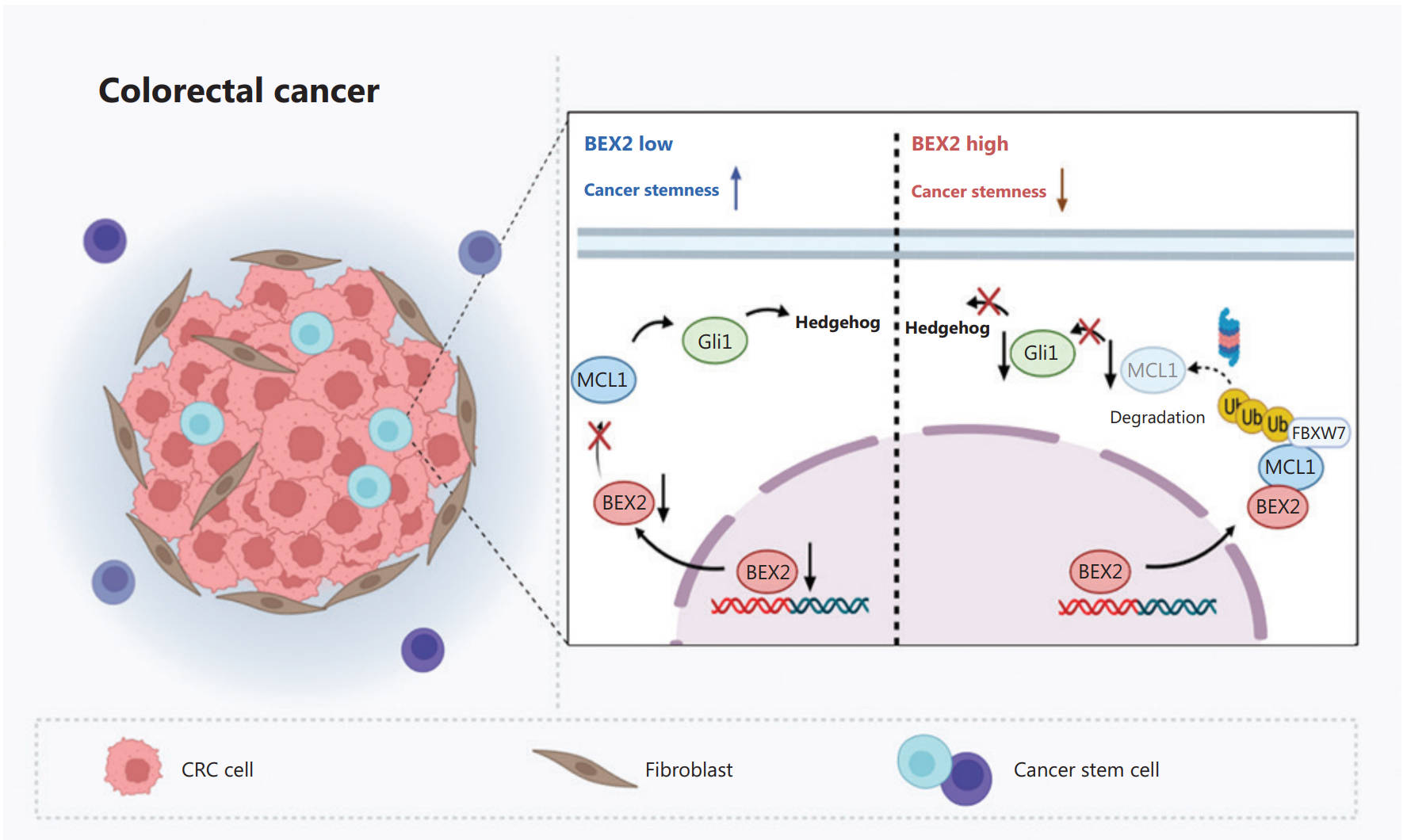
Colorectal cancer often returns not because the main tumor survives, but because a small population of stem-like cancer cells can resist treatment, seed new growth, and drive aggressive spread. This study identifies BEX2 as an important suppressor of those dangerous traits. When BEX2 levels were high, colorectal cancer cells showed weaker stemness, reduced tumor-forming ability, lower drug resist…
A team of Weill Cornell Medicine investigators is working to cross-train the next generation of cancer researchers in cancer biology and the use of artificial intelligence tools for research.
Project
Profile
Dr Ujjaini Dasgupta’s group is looking for highly motivated students for the position of JRF (Lady Tata Memorial Trust funded Project) at Dept. of Biology and Koita Centre for Digital Health-Ashoka, Trivedi School of Biosciences, Ashoka University, Sonipat.
Dr Dasgupta’s group has expertise in cancer biology, with a research focus on the tumour microenvironment in breast, colon, a…
Project
Profile
Dr Ujjaini Dasgupta’s group is looking for highly motivated students with PhD in Chemical/Biological Sciences for the position of Project Scientist I (ICMR funded Project) at Dept. of Biology & Koita Centre for Digital Health-Ashoka, Trivedi School of Biosciences, Ashoka University, Sonipat.
The Project Scientist will build a cancer biology program using multi-omics platforms.
Dr …
In this work, we uncover the molecular mechanisms and functional consequences of tumor microenvironment–induced silencing of the pro-apoptotic protein BIM, using mantle cell lymphoma as a cellular model.
Post-Doctoral Research Fellow- Lab of Dr. Christine Eischen- Cancer Biology
The Eischen Laboratory utilizes multiple advanced approaches to study molecular, biochemical, immunological, and/or genetic mechanisms of cancer cell survival and growth with the goal of identifying potential targetable vulnerabilities in both hematologic and solid tumors. Our multi-disciplinary research investigates seve…
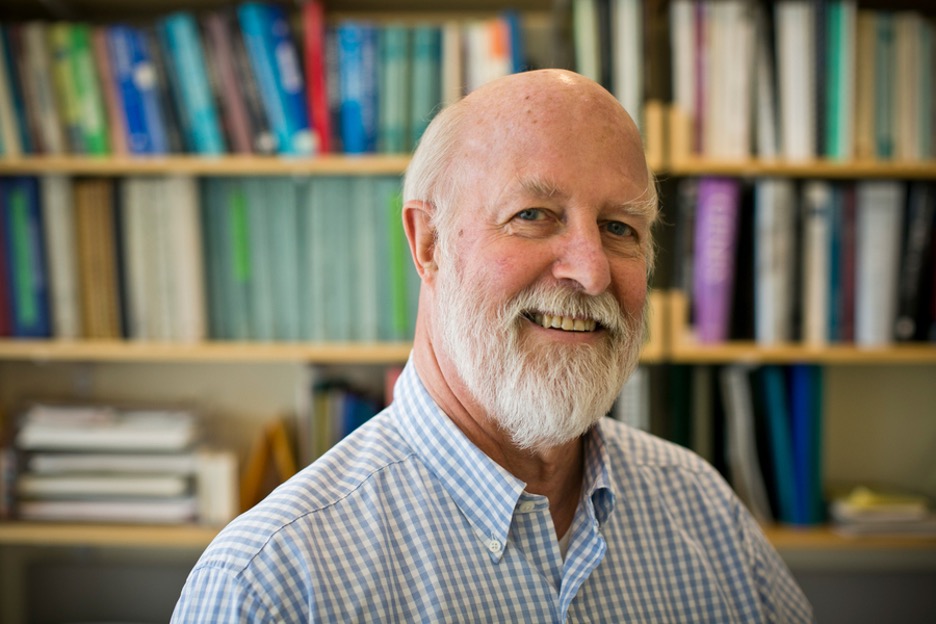
MIT Professor Emeritus Richard O. Hynes PhD ’71, a cancer biologist whose discoveries reshaped modern understandings of how cells interact with each other and their environment, passed away on Jan. 6. He was 81. Hynes is best known for his discovery of integrins, a family of cell-surface receptors essential to cell–cell and cell–matrix adhesion. He […] The post Richard Hynes, a pioneer in the bio…
Sabyasachi Parija, a fourth-year undergraduate student at the Indian Institute of Science Education and Research Berhampur, is exploring the fascinating world of epithelial-to-mesenchymal transition (EMT), a critical process in cancer biology. In this opinion article, Sabyasachi reflects on the molecular intricacies of EMT and its role in cancer progression, sharing his thoughts on why understand…
biologycancer-biologycell-biology
research.io
Sign up to keep scrolling
Create your feed subscriptions, save articles, keep scrolling.















 research.io