Fine motor skills are associated with later academic development, but the role of executive function in this association remains insufficiently understood, particularly in high-altitude preschool populations. This two-wave half-longitudinal study examined the statistical indirect association between early fine motor skills and subsequent early academic skills involving executive function among hi…
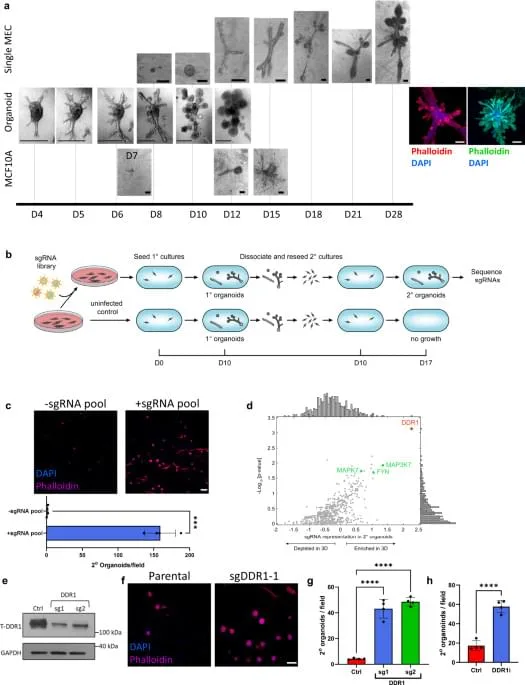
Breast tissue regeneration is driven by cell-matrix interactions coordinating multi-lineage stem cell differentiation through DDR1. Mammary morphogenesis is a complex process. Here the authors describe how stem cells build a three-dimensional self-organizing multi-lineage tissue by showing that positional signals from the extracellular matrix through the collagen receptor DDR1 lead stem cells to …
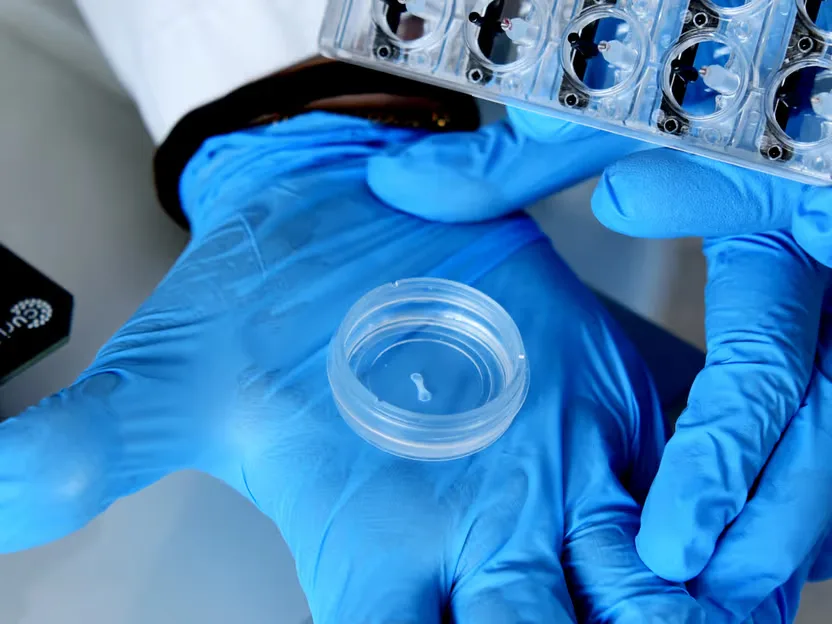
A major boost for neuromuscular research at BG Bergmannsheil University Hospital: The Department of Neurology, together with the Heimer Institute for Muscle Research, has introduced a state-of-the-art laboratory system. This system enables the production of so-called muscle organoids. These are thre...
The transition from vegetative growth to flowering provides an unusually visible example of living matter changing its collective developmental regime while remaining materially continuous. At the shoot apical meristem, photoperiod, temperature, developmental age, hormonal state, carbohydrate status, and regulatory pathways involving FLOWERING LOCUS T (FT), SUPPRESSOR OF OVEREXPRESSION OF CONSTAN…
Researchers at Weill Cornell Medicine and Hospital for Special Surgery have discovered the stem cells—unspecialized cells that can develop into specific cell types—that give rise to the body's tendons and ligaments, the tissues connecting muscles and bones.
What is Down Syndrome? Down Syndrome (DS) is a genetic condition caused by an extra copy of chromosome 21, leading to three types: trisomy 21 (T21), mosaicism, and translocation: Trisomy 21 accounts for 95% of DS cases, where each cell has three separate copies of chromosome 21; Mosaicism accounts for 1-2% of DS cases, where some cells have the normal number of 46 chromosomes, while some have 47 …
Maternal age effects may arise from reversible epigenetic changes whose impact depends partly on genetics and evolutionary pressures. A mother’s age can leave a biological imprint on her offspring, influencing physical and behavioral traits across many animal species, including humans. These so-called maternal age effects are widespread, but scientists still do not fully understand the [...]
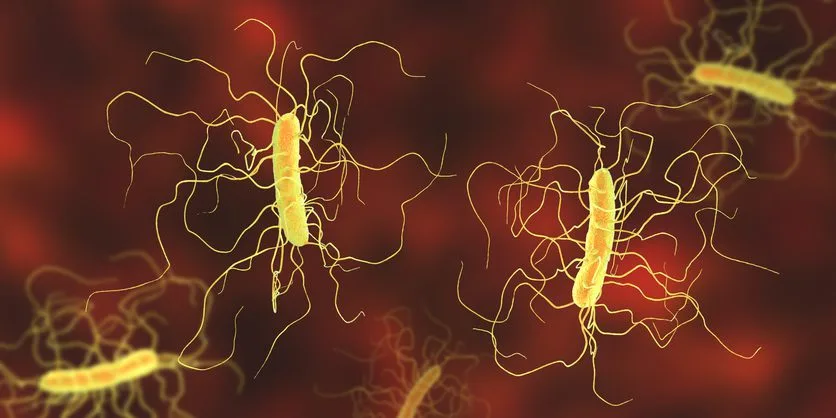
A new study from CHOP challenges the assumption that infant C. difficile colonization is harmless, finding that it can reshape the developing gut and immune system with potentially lasting health effects. The post <i>C. difficile</i> Have Lasting Effects on the Infant Gut, Challenging Long-Held Assumption appeared first on GEN - Genetic Engineering and Biotechnology News .
[Nature Reviews Gastroenterology & Hepatology] The authors summarize the latest advances and current knowledge gaps from within the Intestinal Stem Cell Consortium working group and across the field as a whole to understand the intestinal stemm cell niche, stem cell interactions with and in response to pathogens, and cellular and humoral regenerative strategies.
How is it possible that cnidarians evolved so many different ways to acomplish the same thing? Unipolar and multipolar ingression, invagination, delamination, epiboly… All the paths lead to ‘planula’ – a torpedo bilayered swiming larva.The term is ‘equifinal development’ and it concerns interspecific and also intraespecific variations, which are quite common among cnidarians and sponges. [...] Th…
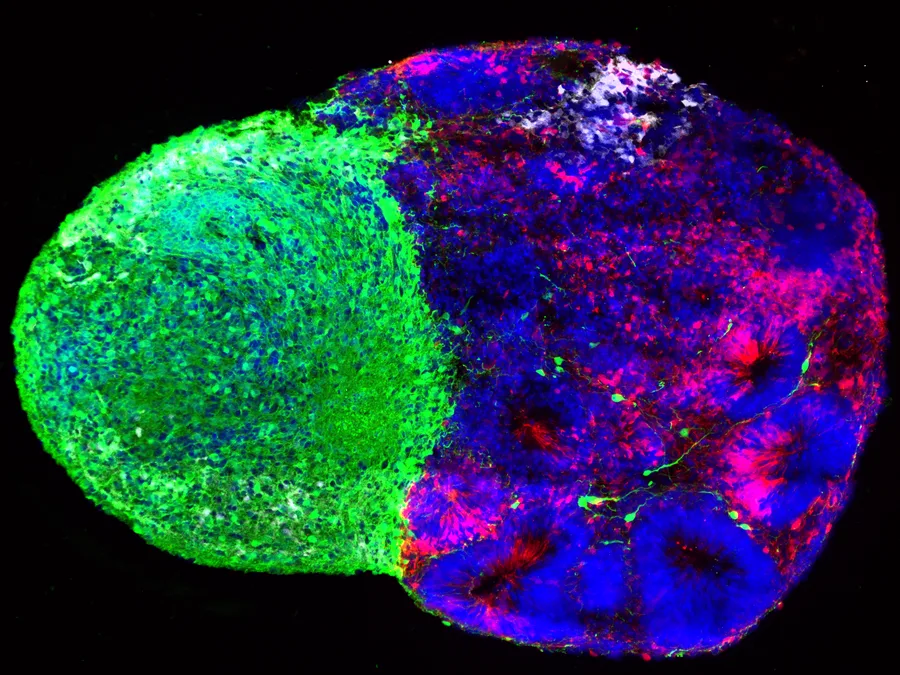
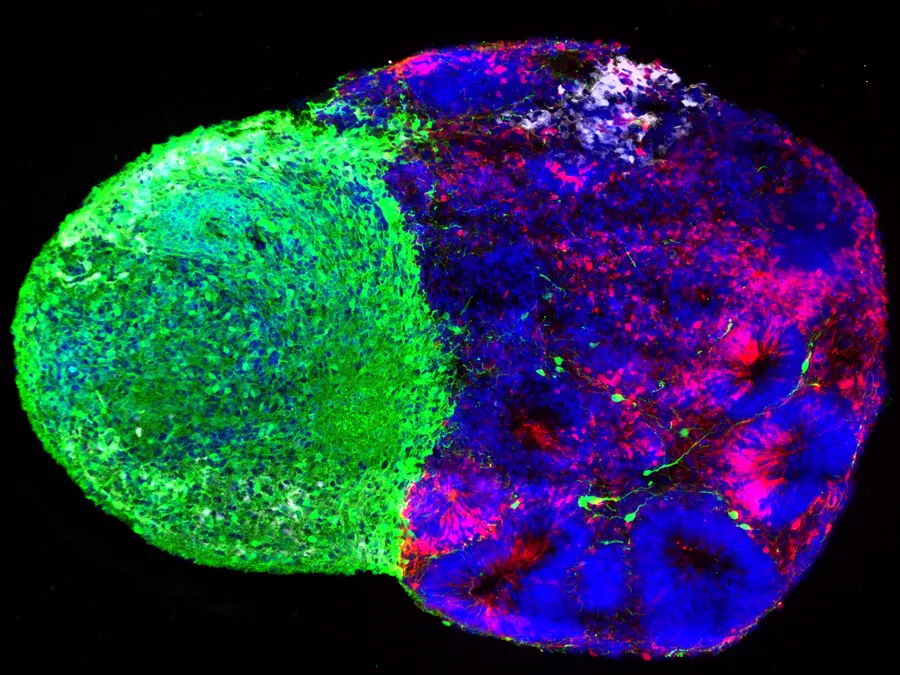
In two new studies, UCLA researchers used lab-grown brain organoids, donated human tissue and fused "assembloids" to investigate how radial glia -- the stem cells that build the human cerebral cortex -- decide which types of brain cells to make.
In two new studies, UCLA researchers used lab-grown brain organoids, donated human tissue and fused "assembloids" to investigate how radial glia -- the stem cells that build the human cerebral cortex -- decide which types of brain cells to make.
Attention-deficit/hyperactivity disorder (ADHD) is a developmental psychiatric disorder associated with a complex interplay of genetic and environmental risk factors. In a previous study, we found embryonic dorsal forebrain loss in male mice of fibroblast growth factor receptor 2 (Fgfr2), which has a critical role in normal brain development, results in ADHD-relevant phenotypes: increased locomot…
How the developing human brain takes instructions: Two UCLA studies reveal what guides its most important stem cells
University of California, Los Angeles (UCLA), Health Sciences
In two new studies, UCLA researchers used lab-grown brain organoids, donated human tissue and fused "assembloids" to investigate how radial glia — the stem cells that build the human cerebral cortex — decide which types …
Scientists have long wondered how cells that are organized into sheets begin to move together to form organs, especially when the sheets form closed, sphere-like surfaces and tissues with no edges to direct motion.
Historically, cerebral palsy (CP) was linked largely to events at birth, including prematurity or temporary loss of oxygen to the brain, but research over the past decade has suggested that genetic factors contribute to CP in many children.


 research.io