Researchers at MIT have shown that a complex class of microscopic nozzle, normally built only inside semiconductor cleanrooms, can be produced in a matter of hours using 3D printing. The devices, known as triaxial electrospray emitters, generate microscopic droplets made of three separate fluid layers, droplets that can harden into structured microparticles for uses ranging…
Oral administration is the most prevalent and preferred clinical route due to its non-invasiveness, high patient compliance, and convenience. However, the oral delivery of many therapeutic drugs is hindered by low bioavailability, attributed to multiple gastrointestinal (GI) barriers including acid degradation, enzymatic hydrolysis, poor epithelial permeability, and first-pass metabolism. Liposom…
Lung cancer remains one of the world's deadliest cancers, yet despite decades of effort to develop new drugs, many fail because they don't stay in the body long enough to be effective or because they damage healthy organs.
Hovione is bringing momentum to the intranasal field after announcing that its lead single-use nasal dry powder device, developed in collaboration with Industrial Design Consultancy Ltd (IDC), is now available for commercial partnerships.
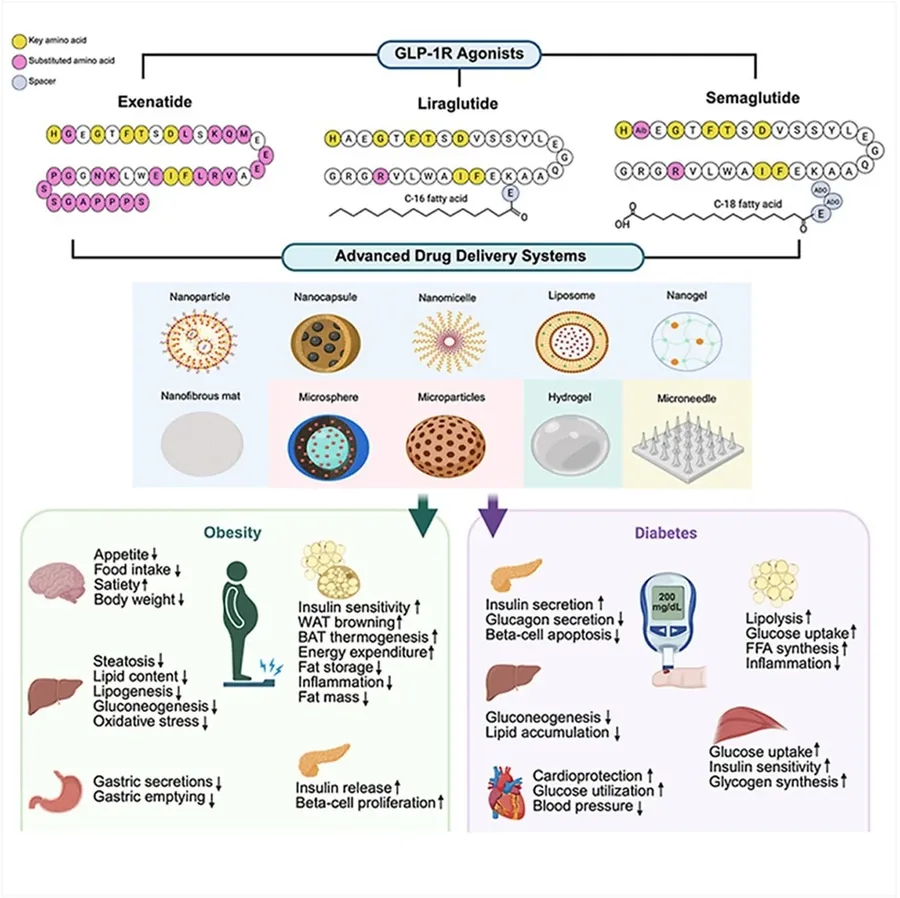
The review highlights nanocarriers, microspheres, hydrogels, microneedles, long-acting formulations, and co-formulations as promising but mostly early-stage strategies that still require stronger long-term clinical evidence.
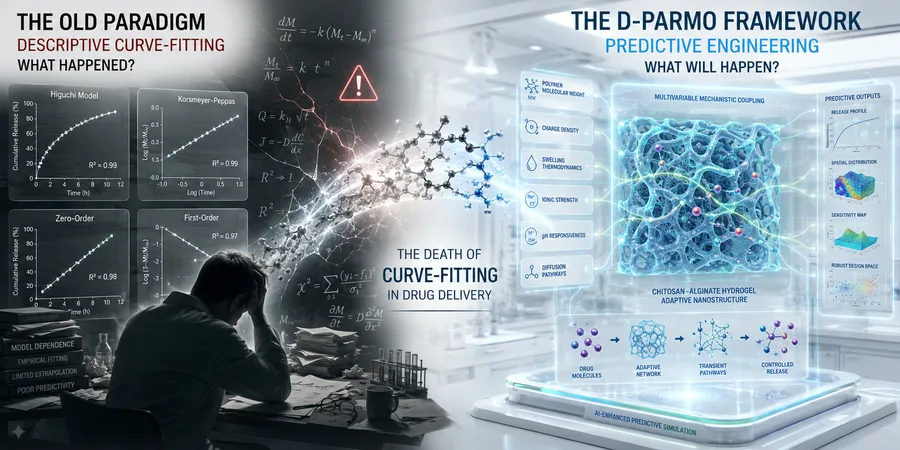
We celebrate an R² of 0.99 in drug release as a success. But classical models like Higuchi and Korsmeyer-Peppas are merely retrospective curve-fitting. In our latest paper, we introduce the D-PARMO framework to move from descriptive math to actual predictive clinical translation.
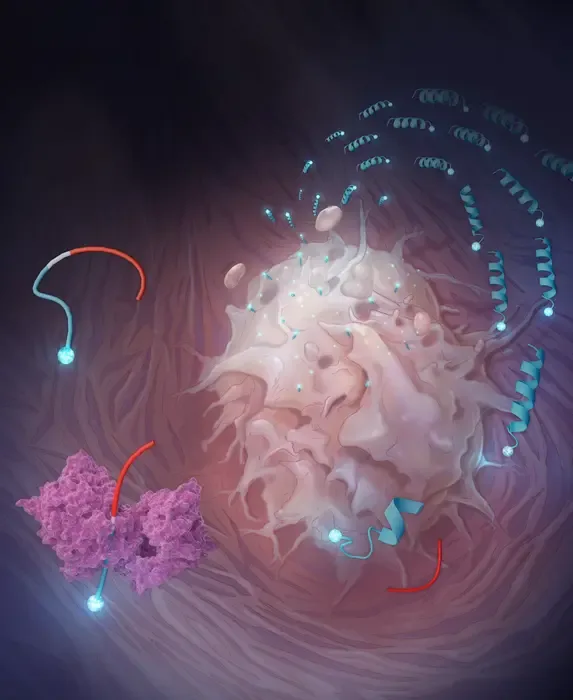
Getting a cancer drug to a tumor is only half the problem. Within hours of arrival, many therapeutics begin to drift, diluted by blood flow, expelled by pumps embedded in cancer cell membranes, or simply diffusing into surrounding healthy tissue before they’ve had a chance to work. The tumor, in other words, doesn’t hold onto them. And that failure of retention, more than anything else in drug de…
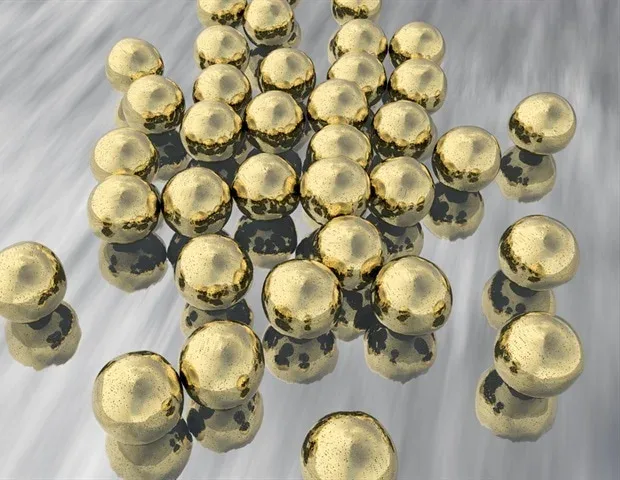
National University of Singapore Researchers at the National University of Singapore (NUS) have developed a high-throughput method to identify gold nanoparticles capable of delivering therapies directly to mitochondria (the energy centres inside cancer cells).
This Collection highlights the growing importance of hydrogels, liposomes, polymeric nanoparticles, and other soft materials in advancing targeted, controlled, and sustainable drug delivery systems. It is open for submissions with a submission deadline of 10 December 2026.
Prof. Vivian Feig et al present a design framework and then examine how it guides development of functional devices delivered as flowable precursors that then assemble into macroscopic, tissue-conformal devices at the target site, enabling minimally invasive implantation.
A practical Journal of Controlled Release submission guide for drug-delivery researchers evaluating their work against the journal's mechanism and translational bar.
drug-deliverymedicine
research.io
Sign up to keep scrolling
Create your feed subscriptions, save articles, keep scrolling.









 research.io