drug-design

Scientific American
Megha Satyanarayana
6d ago

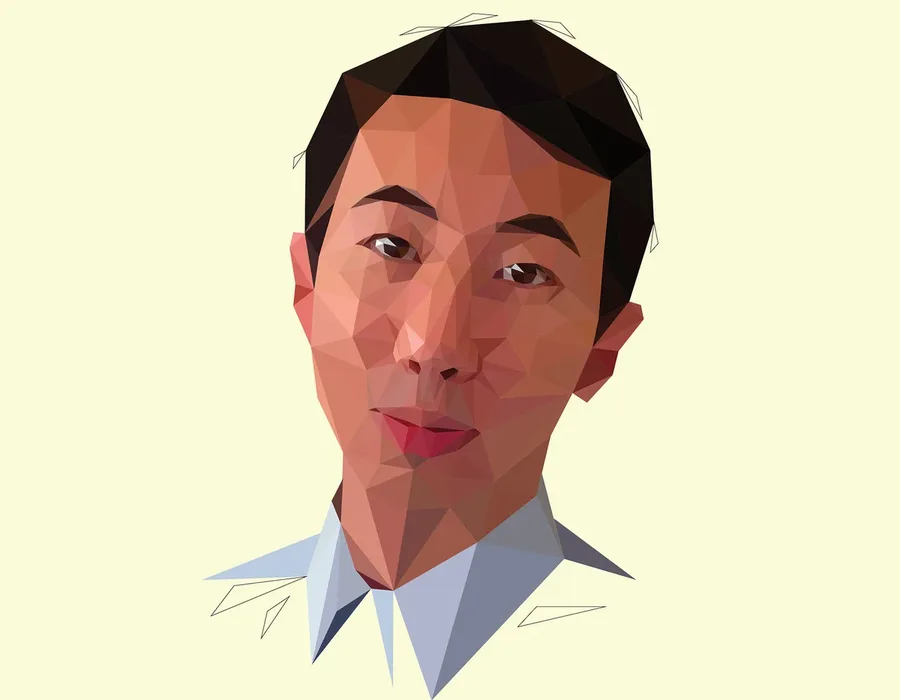
Kaiyi Jiang grew up in a family of doctors in China and saw the limits of the profession. No matter what the physicians in his family tried, sometimes their patients remained sick. So rather than go into medicine, he started thinking about how to design better drugs. Now at Princeton University, Jiang hopes to use artificial intelligence to help answer a fundamental question in drug design: How d…

aichemistrydrug-designmedicinal-chemistry
ScienceBlog.com

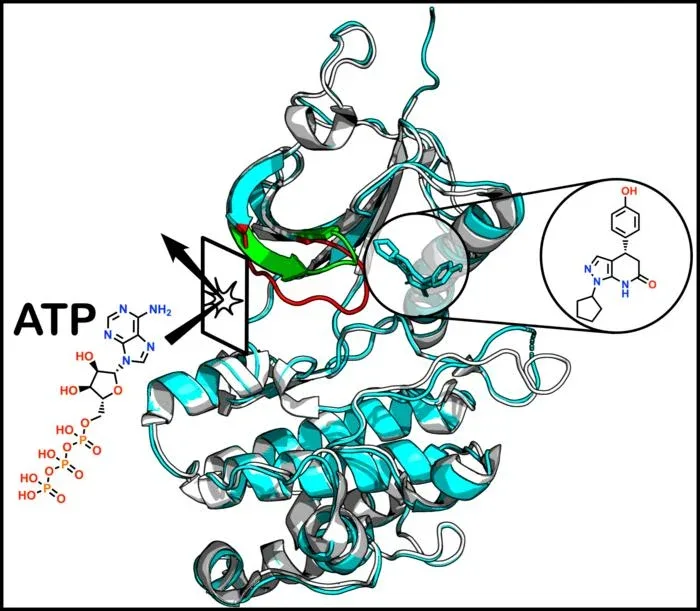
A One-Atom Shuffle Reveals Hidden Cancer-Drug Pocket That AI Couldn’t Find Researchers at the Icahn School of Medicine at Mount Sinai discovered a previously hidden pocket on PKMYT1, a protein involved in controlling how cells grow and divide, that current AI tools and experiments had missed. Their findings potentially open a new route to more selective drug design.

drug-designmedicineoncology
IndiaBioscience
National Symposium on Chemical Biology & Drug Design-Chapter II Event Details The Jubilee Centre for Medical Research (JCMR), is located in Thrissur, the Cultural Capital of Kerala, is a leading research institute known for fostering scientific innovation and collaborative research. The Laboratory for Computational and Structural Biology (LCSB) (www.lcsb.in or https://jcmr.jmmcri.org/laboratory/3…

biochemistrybiologychemistrydrug-design

Nature Communications

Nature Communications, Published online: 25 May 2026; doi:10.1038/s41467-026-73412-6 This study presents cryo-EM structures of the kinin receptors B1R and B2R bound to antagonists, revealing key residues that determine subtype selectivity and a shared mechanism that blocks receptor activation, thereby guiding future drug design.

drug-designmedicinepharmacology
Scientific Reports
bionity.com News

Isomorphic Labs, an AI-first drug design and development company, announced it has raised $2.1 Billion in Series B funding. This latest round of investment will accelerate the companyʼs evolution from pioneering novel AI models to applying them at scale. The financing round is led by Thrive Capital,...

aidrug-designmachine-learningmedicinepharmacology
The Medical News

Biological sciences : Scientific Reports subject feeds
Nature Communications

Nature Communications, Published online: 28 April 2026; doi:10.1038/s41467-026-72384-x The study introduces FMOPhore, a computational tool that identifies key binding site residues to improve drug design by guiding efficient fragment growth and lead optimization across diverse protein targets.

biochemistrychemistrycomputational-chemistrydrug-design
School of Pharmacy

The University of Washington School of Pharmacy has expanded its longstanding collaboration with Johnson & Johnson* through a focused collaboration within the School’s Institute for Innovations in Drug Disposition and Delivery (I2D3). The initiative reflects... The post UW School of Pharmacy Expands Strategic Collaboration with Johnson & Johnson to Advance AI-Enabled Drug Design appeared first on…

aidrug-designmachine-learningmedicine

Research Communities by Springer Nature

This Collection highlights original research that explores algorithmic innovations, integration with quantum chemical simulations and experimental workflows, and applications to drug design, catalysis, energy storage, and advanced materials.

catalysischemistrycomputational-chemistrydrug-design

Lindau Nobel Laureate Meetings
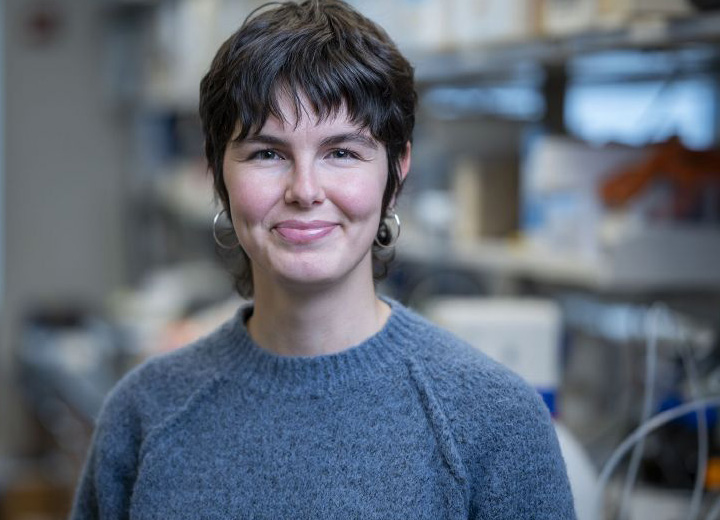
Raquel López-Ríos de Castro combines her passion for physics with her interest in medicine. She developes machine learning drug design. Der Beitrag Women in Research #LINO24: Raquel López-Ríos de Castro erschien zuerst auf Lindau Nobel Laureate Meetings .

aidrug-designmachine-learningmedicine

BOC Sciences Blog

Drug screening is the initial link and key to drug development. In the past, traditional drug screening methods such as animal models were often costly and time-consuming. With the development […]

biochemistrydrug-designmedicine
RSC Medicinal Chemistry Blog
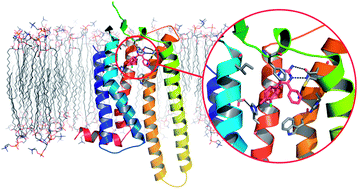
This review from the MedChemComm New Talent themed issue covers one of the first successful examples of structure-based drug design for stabilised G protein-coupled receptors (GPCRs), focusing on the development of a pre-clinical candidate for the treatment of Parkinson’s disease using StaR® technology. Stabilised G protein-coupled receptors in structure-based drug design: a case study with [&#82…

biochemistrybiologydrug-designgene-therapymedicine