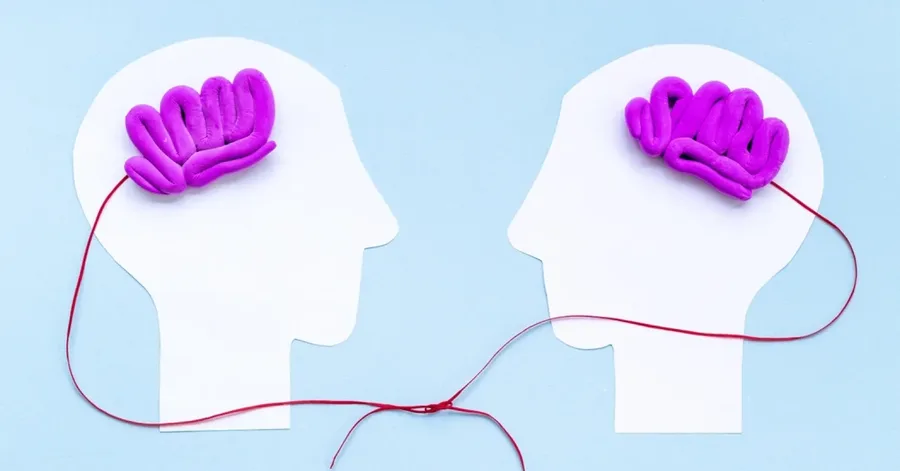
Emotionally charged AI images are flooding Facebook, and users are falling for them. Researchers found that synthetic pictures bypass critical thinking by exploiting our deepest cognitive biases and driving massive, unwarranted engagement.
The public’s fascination with Lindsay Clancy reveals something unsettling about motherhood: our struggle to confront its ambivalence, aggression, and shadow.
By now most of you know about the Lindsay Clancy case, but I’ll briefly reiterate it. Clancy, then 32 years old, says she was afflicted with postpartum psychosis after the birth of her youngest child, and in 2023 strangled her three children, eight months old, three years old, and five years old. Then, attempting suicide, … Continue reading What about Lindsay Clancy?
Stephanie Marcello, chief psychologist at Rutgers University Behavioral Health Care, discusses how students can navigate homesickness as a natural part of the transition to college.
Journal of Mechatronics and Robotics, Published online: 8 September 2026; doi:10.3844/jmrsp.2026.9.15 Emotion and motion triggered by emotion plays a vital role in human robot interactive communication and emotion triggered by Motion or action is vice-versa. Cognition of motion and emotion defines the...
Source: PsyPost A review of psychological research indicates that emotional intelligence has a robust and reliable connection to human flourishing, predicting success across school, work, and personal health. The findings suggest that people with higher emotional intelligence tend to experience greater well-being, though the strength of this connection depends on how the traits are measured. The …
BackgroundPhysical inactivity and sedentary behaviour have become major public health concerns among children and adolescents due to their potential associations with physical, psychological, and educational outcomes. This study aimed to examine the associations between sedentary behaviour and self-esteem, emotional regulation, academic motivation, and sleep disorders among primary school student…
In a cross-sectional U.S. sample of 129 adults, older age was associated with greater positive and lower negative emotional well-being, alongside greater dispositional mindfulness and lower neuroticism. Lower neuroticism statistically accounted for age differences in both positive and negative well-being, while mindfulness statistically accounted for differences in negative well-being only, altho…
We all know the power of music to make us feel better when stressed. But this relaxing effect goes much deeper than our mood: music changes our brain, reorienting our neural pathways and altering our physiology along the way.
This power, it seems, is particular to music over other soothing sounds, such as nature sounds, according to a new study. Music calms our heart rate, lowers our skin conduct…
BackgroundWith the increasing integration of artificial intelligence (AI) technologies into daily life, the underlying mechanisms of emotional interactions between users and AI have emerged as a critical research topic in the field of human-computer interaction (HCI). Existing studies have predominantly adopted traditional technology acceptance models or satisfaction scales, which lack targeted a…



 research.io