In the world of Generative AI, there is a massive difference between asking for a "pancake recipe" and asking for "eligibility criteria for phase III immunotherapy trials." In specialized fields like healthcare, a standard vector search often fails because medical terminology is dense, specific, and unforgiving. 🏥 Today, we are building a High-Precision Medical RAG (Retrieval-Augmented Generation…
npj Vaccines, Published online: 19 June 2026; doi:10.1038/s41541-026-01503-y Development of a multi-epitope mRNA vaccine targeting tumor-associated antigens for esophageal squamous cell carcinoma
Scientists have discovered that a gene normally considered a DNA-protecting "good guy" can become dangerous when cells make too much of it. The gene, EXO1, acts like molecular scissors that help repair DNA, but when overproduced it starts cutting DNA it shouldn't, creating damage linked to cancer.
PDAC is dominated by KRAS signaling. To reveal these hidden vulnerabilities, we turned to pancreatic acinar cell carcinoma (ACC), a rare KRAS-independent pancreatic malignancy that offers a unique biological window beyond KRAS-driven oncogenesis.
Abstract Osteosarcoma (OS) is a highly aggressive bone malignancy that predominantly affects children and young adults. There have been no major changes in patient survival in the past four decades. Therefore, new therapeutic interventions are needed. We have developed an enhanced conditionally replicative canine oncolytic adenovirus, CAV2-AU-M3, armed with an anti-PD1 heavy-chain antibody (HcAb)…
ABSTRACT Many currently approved gene therapies use adeno‐associated virus (AAV) to deliver DNA sequences encoding protein(s)‐of‐interest into cells. The AAV viral genome forms stable, circular DNA structures called episomes after entering the nuclei. Therapeutic proteins are then generated in vivo from transcription and translation of these episomes, and long‐term durability thus depends on epis…
Aeran and colleagues present research on targeted gene therapy vector engineering and pre-clinical testing of neuron-targeted AAV9-based constructs for STXBP1-related neurodevelopmental and epileptic encephalopathies. Candidate vectors designed to target specific neuronal types and detarget tissues associated with toxicity produced robust phenotypic reversal in Stxbp1 +/− mice and were well toler…
Nature Nanotechnology, Published online: 15 June 2026; doi:10.1038/s41565-026-02200-6 A systematic workflow is used to optimize lipid nanoparticle-based prime editing systems that enable efficient editing and disease correction in human cells and mouse tissue, and overcome key limitations of transient delivery.
Researchers develop a way to grow and genetically engineer the progenitor cells that give rise to macrophages, a type of first-responder immune cell that shows promise for developing immunotherapies for cancers and other diseases. The post USC-led team creates renewable cell source for cancer immunotherapy and beyond appeared first on USC .
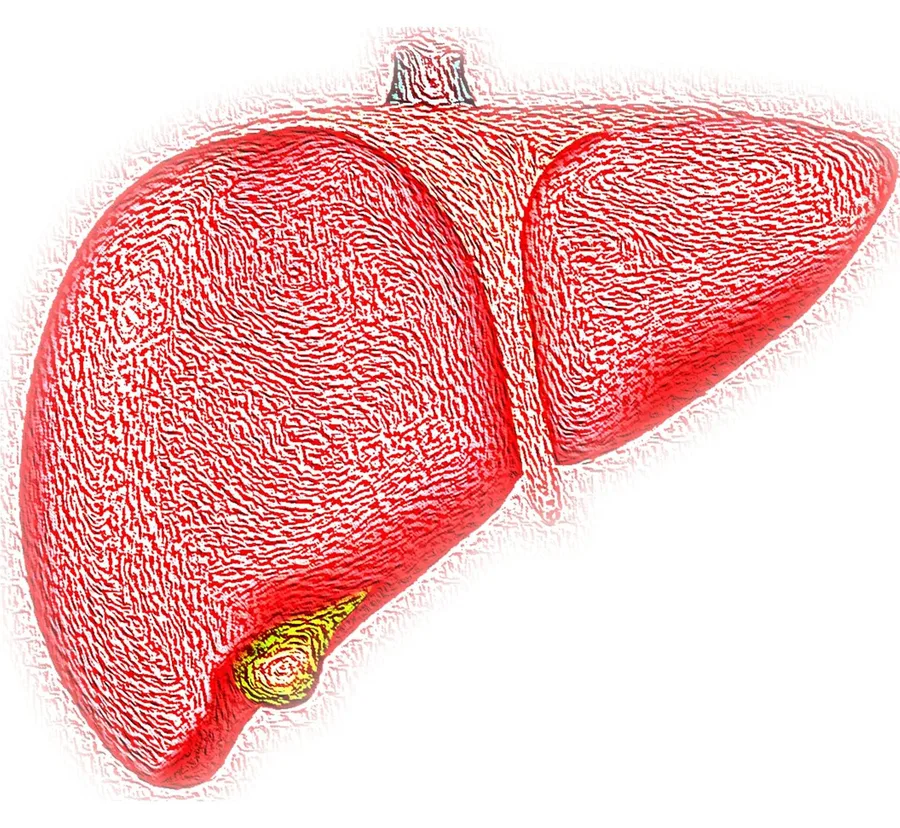
A new gene therapy has been used to successfully treat a deadly childhood liver disease using mice that model this disease by researchers at UCL and Great Ormond Street Hospital.
A new gene therapy has been used to successfully treat a deadly childhood liver disease in mice that model the disease, according to researchers at UCL and Great Ormond Street Hospital. Arthrogryposis, renal dysfunction and cholestasis (ARC) syndrome is a lethal genetic disorder usually caused by a lack of the VPS33B protein, with children diagnosed […]
The Milken Institute Science Philanthropy Accelerator for Research and Collaboration (SPARC), in partnership with the Ann Theodore Foundation (ATF), today announced that the Ann Theodore Foundation Learning Opportunities in Medicine and Sarcoidosis (ATF-LOMAS) grant program has committed its first cycle of funding, totaling US$600,000 to early-career faculty conducting biomedical research in sarc…
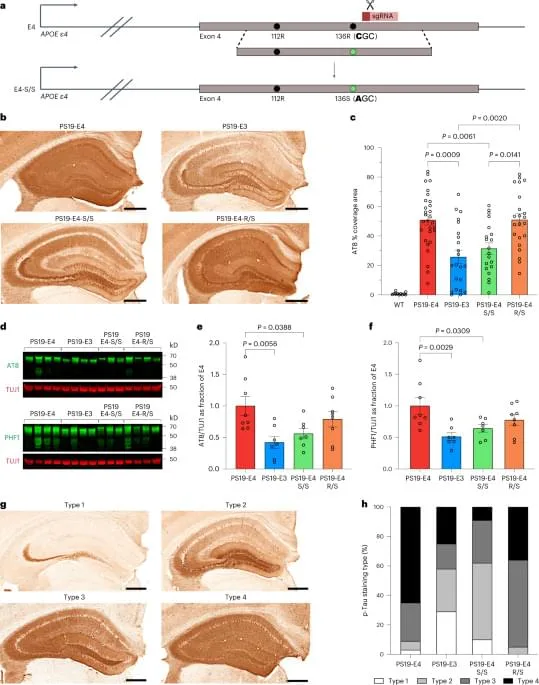
Nelson et al. present a detailed biomolecular study of how the APOE-R136S mutation protects against Alzheimer’s disease (AD) in mice and in patient-derived cells. Lots of data on glial contributions and transcriptomic changes. I see this as an excellent target for gene therapies aiming to combat AD. So do the folks at Lexeo Therapeutics (an […]
Nature, Published online: 19 June 2026; doi:10.1038/d41586-026-01925-7 Two people were the first to receive the therapy for a condition that damages the spinal cord and optic nerve.
Abstract Arthrogryposis, Renal dysfunction and Cholestasis (ARC) syndrome is a rare inherited disorder caused by defects in the VPS33B trafficking protein, leading to impaired bile flow, progressive liver disease and early death. No effective treatments are currently available. Gene therapy offers a potential approach by restoring the missing VPS33B protein in liver cells. Here, we show that live…
Recombinant adeno-associated virus (rAAV) vectors exhibit complex heterogeneity in capsid content. Although a growing array of analytical platforms can interrogate different capsid attributes, no single method provides a comprehensive or unequivocal assessment. Critically, current approaches often fail to evaluate genome integrity, an emerging important quality attribute. Incomplete genomes can c…
Human APOBEC3B (A3B) restricts virus infections by catalyzing the deamination of cytosines to uracils in single-stranded DNA. A3B also contributes to mutagenesis and genome instability in cancer cells, driving tumor evolution and detrimental outcomes including therapy resistance and metastasis. A3B comprises tandem globular deaminase domains, with a multifunctional amino-terminal domain (NTD) and…
Virus-based gene therapy research
research.io
Sign up to keep scrolling
Create your feed subscriptions, save articles, keep scrolling.










 research.io