Extradition allows one State to surrender an accused or convicted person to another for prosecution or punishment. Its legality depends on treaties, domestic law, refusal grounds, human rights obligations, and, in some cases, duties to extradite or prosecute.
New Harvard Kennedy School program to focus on emerging issues, building bench of professionals, scholarship on negotiation, building and managing ties
International human rights law and international humanitarian law often apply to the same armed-conflict situations but use different legal structures and tests. This article explains when each regime applies, who is protected and bound, how they interact, and how students should analyze issues such as lethal force, detention, derogation, and lex specialis.
This guide explains the leading international law cases students should know, from Wimbledon and Lotus to Nicaragua and Arrest Warrant. It connects each decision to the legal principle it supports, its limits, and its practical use in study, exams, and research.
Mano Ranjitha TI, Assistant Professor in GTN Law College, Dindigul ABSTRACT The rapid integration of Artificial Intelligence (AI) into modern military operations is transforming the nature of armed conflict and raising complex questions concerning accountability under international law. Autonomous Weapon Systems (AWS), capable of identifying, selecting and engaging targets with limited or no furt…
Clear law of the sea notes for study and revision, explaining UNCLOS, maritime zones, navigation rights, resources, delimitation, dispute settlement, and the main cases students need to understand.
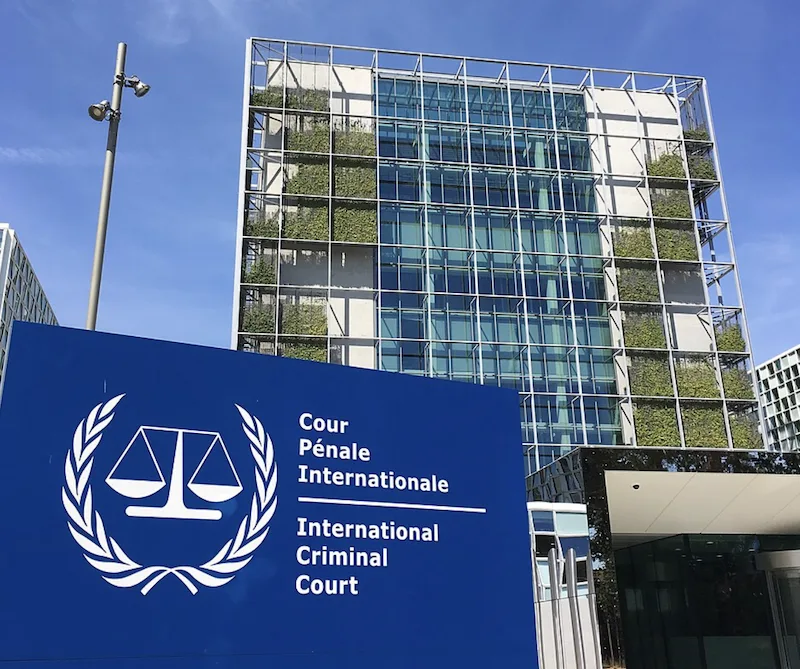
On August 19, 2026, the International Criminal Court (ICC) issued a statement condemning the United States’ imposition of sanctions against two new members of the Court. The United States alleges that the ICC has overstepped its mandate by initiating investigations and prosecutions against senior military and political officials in countries that are not members of ...
Liu, Yu Wei, Associate Professor, Department of Law, Hsuan Chuang University, Taiwan. ABSTRACT Taiwan and mainland China have remained politically divided for decades. Cross-Strait relations have long been shaped by the interplay of memories of war and conflict, divergent political perspectives, and social divisions. Consequently, the challenges confronting the Taiwan Strait extend beyond the dom…
Operation Economic Outcast uses U.S. financial access, correspondent banking, and secondary sanctions to pressure foreign actors dealing with Iran. Its reach exposes a central international-law problem: the difference between control over U.S. financial infrastructure and legal authority over wholly foreign transactions.


 research.io