
planetary-science

Universe Today
Bruce Dorminey (https://www.universetoday.com/authors/bruce)
1d ago

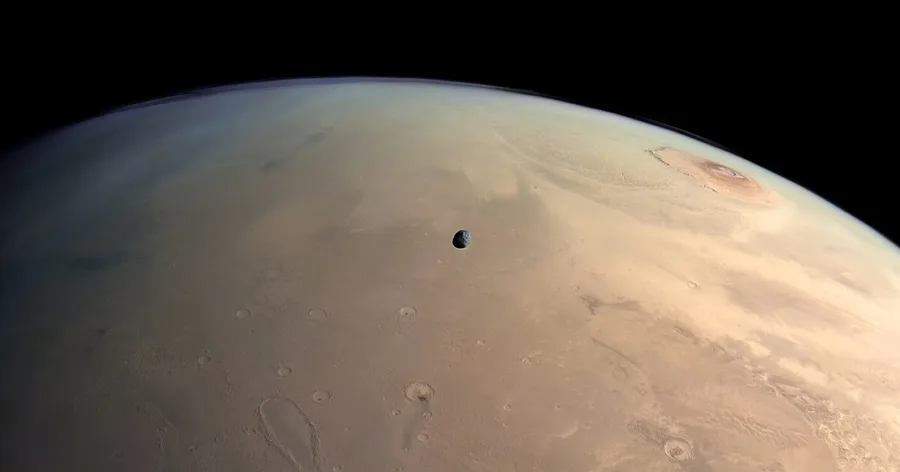
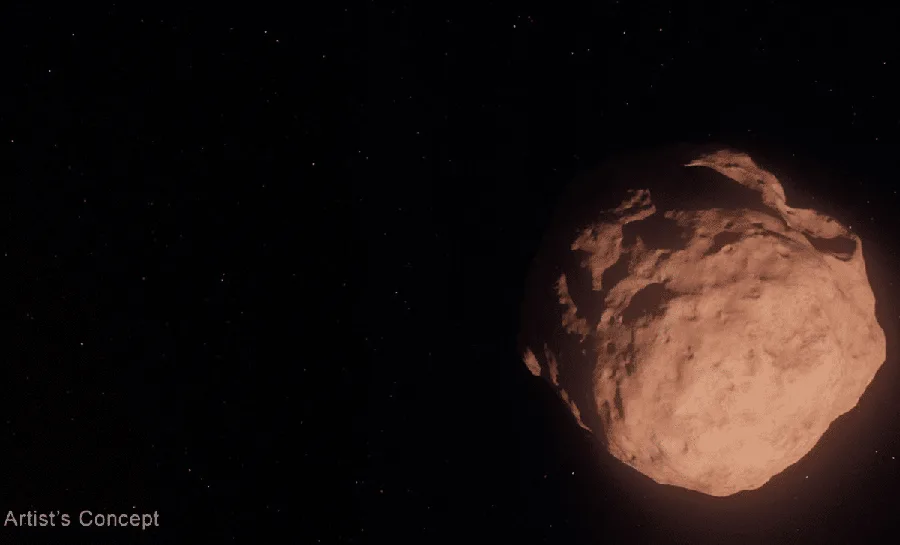
Understanding the Martian moon of Phobos’ origin hinges on decoding its interior. Japan’s Martian Moons Exploration (MMX) mission due for launch in late 2026 should help.

astronomyplanetary-sciencespace-exploration
Knowridge Science Report

Billions of years ago, Mars looked very different from the cold, dry world we see today. Scientists believe the Red Planet once had a warmer climate, liquid water and a thicker atmosphere. These conditions may have been suitable for simple forms of life. But did life ever actually exist on Mars? That remains one of […] The post Scientists find a new way to search for ancient life on Mars using ‘m…

astrobiologyastronomyplanetary-science
The Daily Galaxy –Great Discoveries Channel
Astronomy Magazine

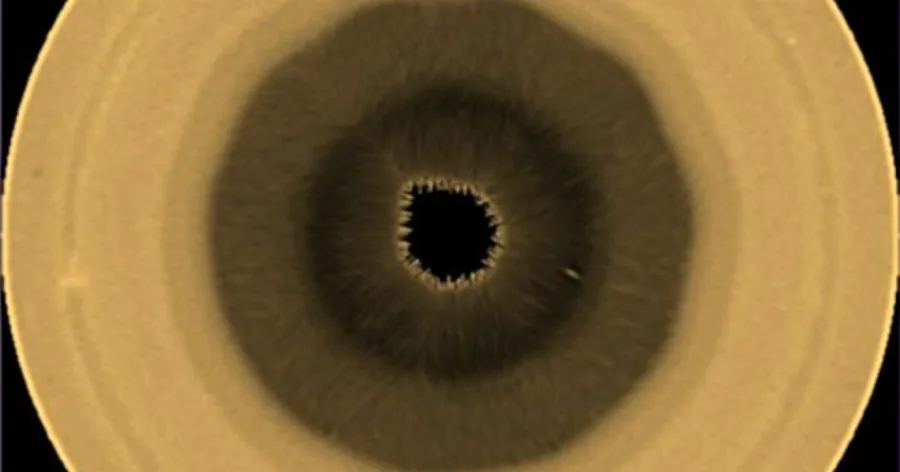
On June 20, 1943, Pingualuit Crater (formerly known as Chubb Crater and as the New Quebec Crater) was first photographed by a U.S. Army Air Force crew during a meterological flight over northern Quebec. Formed approximately 1.4 million years ago by a meteorite impact, the 2.1-mile-wide (3.4 kilometers) crater has an unusually circular shape resulting Continue reading "June 20, 1955: Pingualuit Cr…

astronomyplanetary-science
The Daily Galaxy –Great Discoveries Channel
New Scientist - Home

Something is absorbing light on the surfaces of Pluto and Saturn’s moon Titan, and figuring out what it is could be crucial to understanding Titan’s complex chemistry

astrobiologyastronomyplanetary-science
The Daily Galaxy –Great Discoveries Channel
Lifeboat News: The Blog

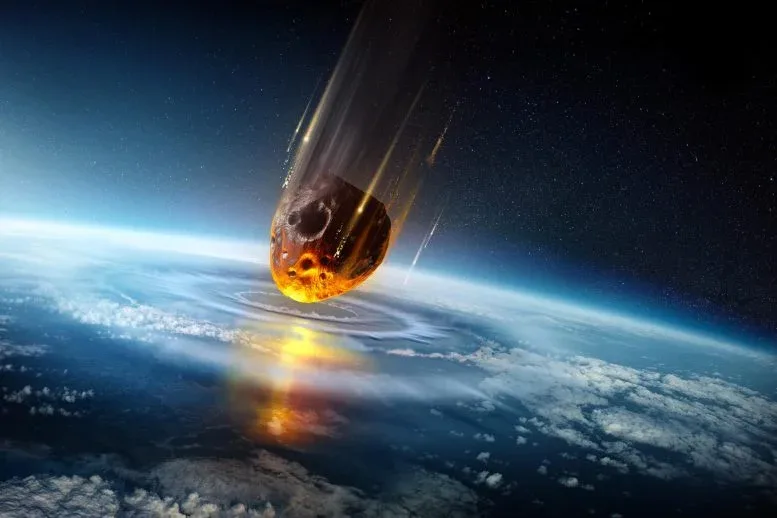
When a meteoroid strikes, it generates a wave of energy that moves faster than the speed of sound. When all that energy propagates through material in seconds or less before being quickly cooled and resolidified by a secondary wave, it produces glass. Planetary Science Institute Senior Scientist Shawn Wright was looking for such glassy material […]

astronomyearth-sciencegeologyplanetary-science
The Daily Galaxy –Great Discoveries Channel
New Scientist - Home

Carbon monoxide in Uranus's deep atmosphere indicates that the planet contains more ice than rock, suggesting it formed more like Neptune than we thought

astronomycosmologyplanetary-science
Knowridge Science Report

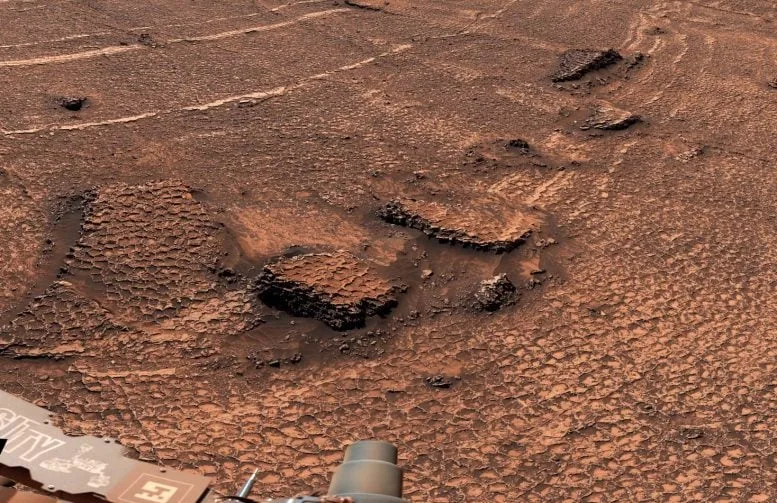
Scientists have discovered a completely new type of rock from Mars and, for the first time, identified the mineral garnet in a Martian sample. The finding offers an exciting glimpse into the Red Planet’s distant past and could help researchers better understand how Mars evolved over the past 4.5 billion years. The discovery was made […] The post New Mars rock discovery could reveal secrets of the…

astronomyplanetary-science
Latest from Space.com
Google News Content : ScienceAlert : The Best in Science News and Amazing Breakthroughs
Astronomy Magazine

We’re used to a lot of different natural things falling out of the sky. These can include snow, rain, and sometimes even frogs (yes, really). All of these relate to weather phenomena. Far more exotic things fall from the sky that are not related to weather. Earth is pelted by about 14 tons of micrometeorites Continue reading "A meteorite impact may have once rained gold on Western Australia – new…

astronomycosmologyplanetary-science
Nautilus
NASA Science

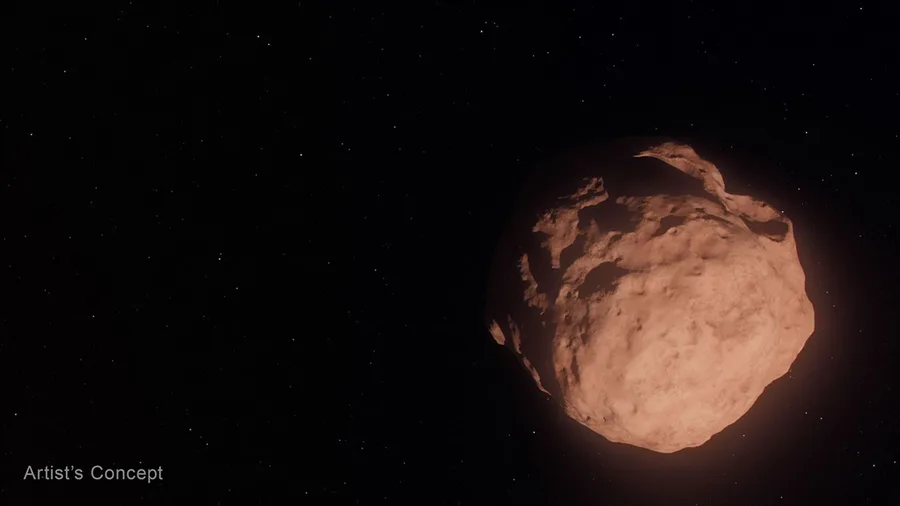
Even small asteroids lead complex lives. During its flyby of the asteroid Donaldjohanson last year, NASA’s Lucy spacecraft revealed the asteroid to be a wobbly, peanut-shaped body that has undergone a lot of activity in its relatively short history. Formed as fragments coalesced after a violent collision 155 million years ago, the asteroid was transformed by the […] The post NASA’s Lucy Reveals W…

asteroidsastronomyplanetary-science
Knowridge Science Report

The European Space Agency (ESA) has captured remarkable new images of dozens of giant dust devils swirling across an ancient canyon system on Mars. The images show more than 30 active whirlwinds moving through Mamers Valles, a vast network of valleys and canyons that formed billions of years ago. Dust devils on Mars are similar […] The post More than 30 giant dust devils spotted twisting through …

astronomyplanetary-science
The Daily Galaxy –Great Discoveries Channel
Latest from Space.com
Eos

Uranus appears beyond the horizon of its moon Miranda in this illustration. If detectable, high-energy neutral particles produced near Uranus could help scientists decipher the structure and dynamics of the icy planet’s magnetosphere. Credit: NASA’s Goddard Space Flight Center Conceptual Image Lab

astronomyastrophysicsplanetary-science
research.ioresearch.io

Sign up to keep scrolling

Create your feed subscriptions, save articles, keep scrolling.

Already have an account?