

On the Fourth of July, a picture of a black bear sitting on the edge of a Tennessee cornfield sparked a social media flurry. It was the beginning of a deluge. Over the next month, bears would be recorded running through yards and sprinting through a golf course on a rainy day. Reactions ranged from bewilderment to humor. Many responded with shock — mainly over the location. Because these bears were not being observed in the rolling mountains and hollows of East Tennessee. They were hundreds of miles away, on the opposite side of the state, in the flatlands of West Tennessee. But these sightings did not surprise Dan Gibbs, black bear coordinator at the Tennessee Wildlife Resources Agency. While most black bears in Tennessee are concentrated in the east, reports from Middle and West Tennessee residents have steadily streamed in over recent years. The recent sightings are likely several bears, and probably came from bordering states with expanding populations, like Kentucky, Mississippi, Arkansas, and Missouri. “It will be a slow process, but bears are going to recolonize Middle and West Tennessee,” Gibbs said. “You can’t stop it … they’re going to be in Northern Mississippi, they’re going to be in Eastern Arkansas, Eastern Missouri, Western Kentucky. That’s just their historical range, and they’re going to reclaim it.” Mississippi Alluvial Valley was ‘breadbasket’ for black bears Black bears were once abundant across most of the United States, including the lower Mississippi River basin. But decades of habitat destruction and overhunting in the 1800s and 1900s threatened to wipe out the population altogether. In Tennessee, the animals’ range shrunk to just 10 secluded, mountainous counties along the state’s eastern border by the early 1970s. In Mississippi, the population was estimated at just 12 bears when the Mississippi Game and Fish Commission (now Mississippi Department of Wildlife, Fisheries and Parks) was founded in 1932. One of the biggest misconceptions...
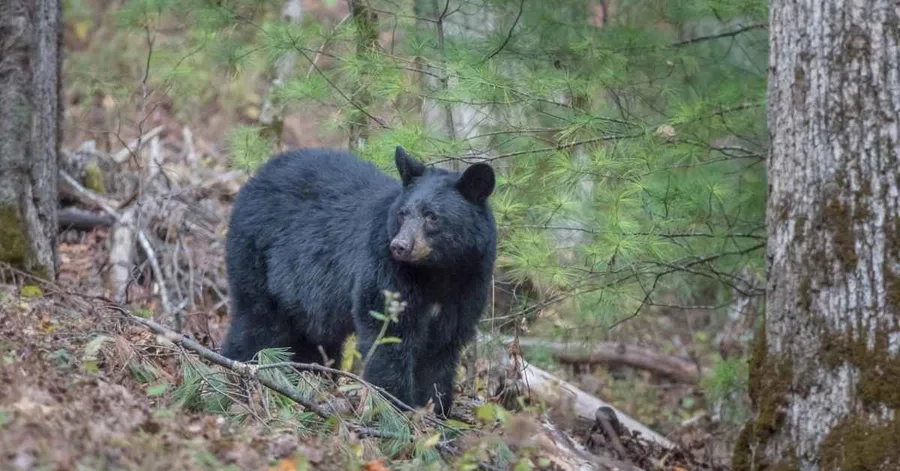
Black bears were nearly hunted to extinction in the US South. Decades later, they're finally rebounding
Cassandra Stephenson
12 min read