Astronomy Blogs - Sky & Telescope
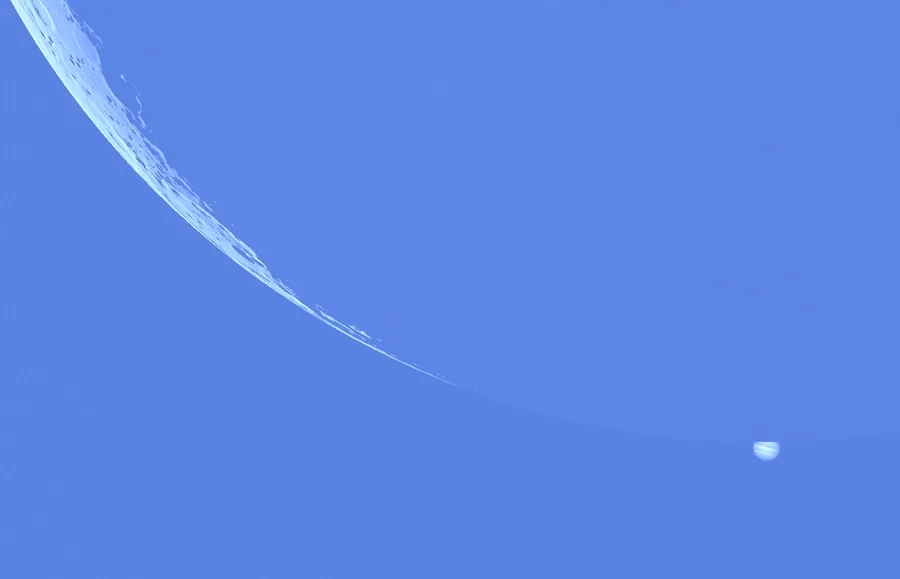
On June 17th, much of North America can watch the Moon occult Venus in the daytime sky. All you need are binoculars. The post See Venus Disappear in Broad Daylight on June 17th appeared first on Sky & Telescope .
A geomagnetic storm expected June 4th arrived late. But there's still at chance of seeing auroras Friday night, June 5th. The post Chance of Aurora Extends to Friday Night, June 5th appeared first on Sky & Telescope .
The true origins of some globular clusters can give you a new perspective when you're viewing them through your telescope. The post A Globular Season Surprise appeared first on Sky & Telescope .
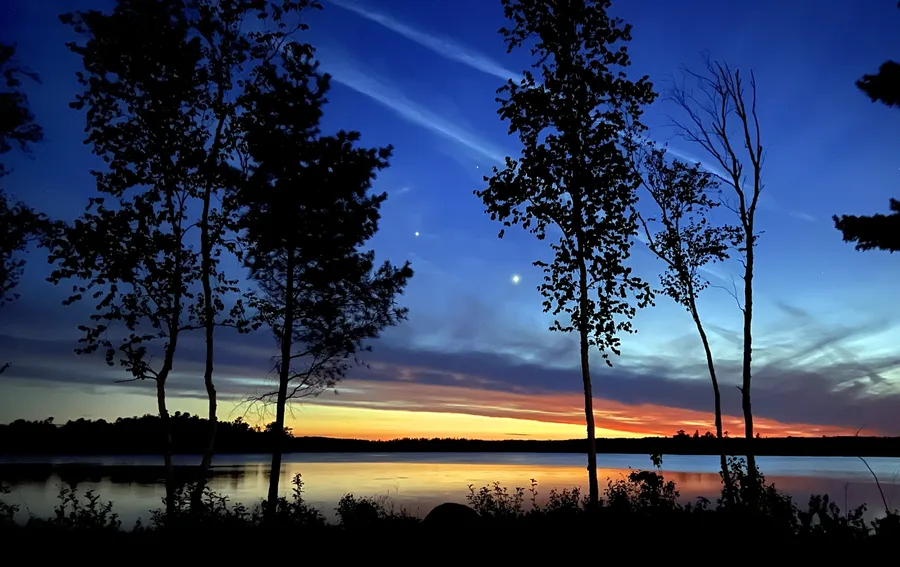
A beautiful conjunction is coming, and all you need are your eyes to enjoy it. The post Venus, Jupiter Converge in Stunning June 9th Dusk Conjunction appeared first on Sky & Telescope .
NASA is working to restore communications with its MAVEN Mars Orbiter mission. The post Mars MAVEN Mission Lost; NASA Says Farewell appeared first on Sky & Telescope .
I share my "discovery" of a new Milky Way star cloud that's been staring at me for ages. The post Lost in the Star Clouds — A Milky Way Odyssey appeared first on Sky & Telescope .
NASA’s Psyche asteroid mission made a course adjustment via a flyby past Mars en route to its final destination. Here's what it saw. The post NASA's Psyche Sends Back Amazing Images of Mars appeared first on Sky & Telescope .
For most of human history, the sky was not something we studied — it was something we lived with. The post Stonehenge and the Geometry of the Sky appeared first on Sky & Telescope .
An innovative new mission will probe the mystery of how the Earth’s magnetosphere interacts with the solar wind. The post SMILE: European Space Weather Mission Launches appeared first on Sky & Telescope .
Watch the crescent Moon dance with the planets when it returns next week. The post Moon and Planets to Gather in Twilight Spectacle on May 18–20 appeared first on Sky & Telescope .
The imminent lunar impact of a SpaceX Falcon 9 rocket booster highlights the growing amount of space debris near the Moon. The post SpaceX Booster Will Hit the Moon This August appeared first on Sky & Telescope .
Some celestial events are sure things; it's just a question of when. We're still waiting for T Corona Borealis to go nova — any month now. The post Waiting for the Blaze Star appeared first on Sky & Telescope .
Here's a quick guide to tell meteors from machines in your wide-field images of the night sky. The post Satellite or Meteor? Dissecting Light Trails in Your Sky Photos appeared first on Sky & Telescope .
Engineers have turned off an instrument that measured the density of charged particles in an effort to keep the aging Voyager 1 operational. The post Voyager 1 Shuts Down Another Instrument appeared first on Sky & Telescope .
NASA has announced that the Nancy Grace Roman Space Telescope is all set for a September launch. The post The Nancy Grace Roman Space Telescope Is Ready to Fly appeared first on Sky & Telescope .
Watch Regulus disappear and reappear before your eyes during its last North American occultation in the current cycle. The post See the Moon Hide Regulus, the Stellar Heart of the Lion appeared first on Sky & Telescope .
The Artemis 2 crew set records and provided amazing views — with more to come — as they journeyed around the Moon. It’s been a while since humans have witnessed in person the celestial scenes from deep space. NASA astronauts Reid Wiseman, Victor Glover, Christina Koch and Canadian Space Agency astronaut Jeremy Hansen have given us some awesome views from their enviable vantage point over the past…
There’s an old saying, to paraphrase Plato (and a number of others), that every king has a slave in his line of ancestry — and every slave, a king. I’d imagine the same holds true for doctors, teachers, and supervillains. So maybe it shouldn’t come as a surprise that I have an astronomer way back in my lineage. Early in March, I was engaged in another astronomy-via-FaceTime session with Dad. With…
If we’re lucky, we’ll soon have bright comets at both dawn and dusk. While Comet PanSTARRS (C/2025 R3) may never achieve the hoped-for splendor of the sungrazer Comet MAPS, at least its future appears more certain. It passes perihelion at a relatively chill 74.6 million km (46.4 million miles) on April 19th, compared to a Sun-scorching 162,000 km (100,700 miles) for the MAPS comet. If they both p…
research.ioSign up to keep scrolling
Create your feed subscriptions, save articles, keep scrolling.