Acoustics Insider Blog

TL;DR: "Face the short wall" is based on a room that doesn't exist in the real world: perfect rectangle, all hard walls, no windows. In actual rooms, wall materials and geometry shift room modes unpredictably. You won't know where bass balances until you test it. Walk the room with music you know, find the even spot, and build from there. If the long wall gives you the best bass, use it. Smaller …

acoustics
TL;DR: Sonarworks quietly stopped calling their product "room correction" because it isn't. It's speaker EQ. It adjusts tonal balance at your listening position but does nothing about reflections, standing waves, or decay time. Treatment fixes those root causes. Calibration patches the symptom. Position your speakers first, treat second, calibrate third. The less the software has to fight your ro…

acousticsacoustic-treatment

TL;DR: Most home studio owners stall out because they overcomplicate the process, not because they lack knowledge. The fix: set up your speakers and listening position properly before touching any treatment. That alone changes everything. Then keep it simple with porous absorption at the right depth, plan honest timelines, and work step by step. Skip the forum deep dives and exotic strategies. Fo…

acoustics

TL;DR: Most "acoustic" panels were designed for offices, not studios. They target speech frequencies (250 Hz to 4 kHz) because that's what offices need. Your studio bass problems sit below 100 Hz. Completely different job. These panels will make your room feel nicer, but they won't change what your speakers are actually doing in the low end. Real studio treatment needs at least six inches of abso…

acoustic-panelsacoustics

TL;DR: Ten studios, two years of testing, one consistent lesson: where you place the AVAA matters far more than how many you buy. It only absorbs frequencies with high sound pressure at its location, so parking it in the right corner is everything. The unit also improves recordings (not only monitoring), and the price makes sense when you realize 80% of any serious studio build budget goes toward…

artsmusicsound

TL;DR: Stop judging acoustic treatment by that first impressive listen. Pay attention to the invisible stuff that shows up weeks later: fewer headphone checks, less second-guessing on the low end, fewer reference tracks mid-session, and sharper decisions made upstream before cleanup is even on the table. First impressions of acoustic treatment aren't wrong. When you finally put in the work to pro…

acoustics

No One Understands How the PSI AVAA Works. So I Asked Its Creator. There's a gap between knowing how sound should behave and knowing how it actually behaves in your room. That gap is where most acoustic treatment projects go to die. I sat down recently with Yvan Becher, the R&D manager at PSI Audio. He's the engineer who was hired specifically to develop the digital version of the AVAA C214, the …

acousticsengineering

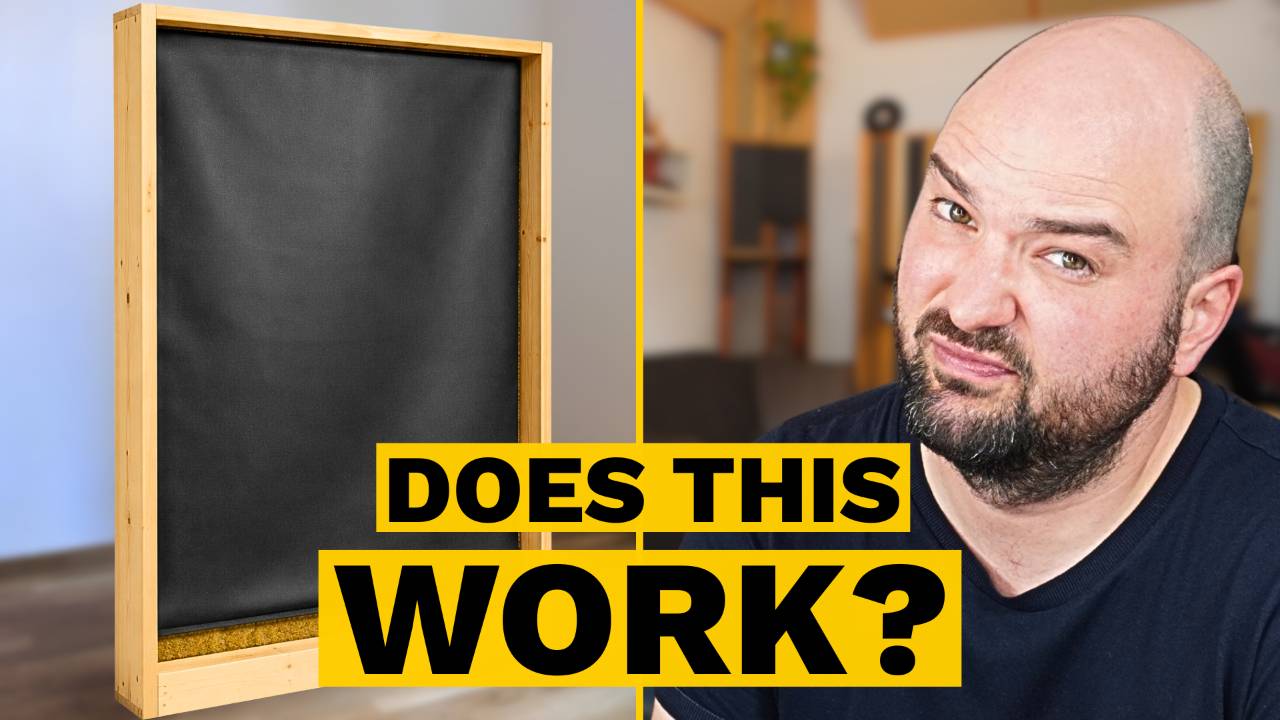
Free-Hanging Limp Mass: Bass Trap or Bass Myth? The worst bass trap isn't the one that does nothing. It's the one that makes you think it's working. Every few years, this same design pops back up in forums and magazine articles. The idea: hang a heavy sheet of mass loaded vinyl a few inches off the wall, maybe stuff some insulation behind it, and let the vinyl vibrate with the sound to absorb bas…

Recording Room Acoustic Treatment With Jesco Lohan - The Self Recording Band Podcast #49 Usually I’d have another video for you today. But something weird I’ve noticed about video is that the time it takes to produce it seems to go up proportionally with the length of the video. So I try and keep my videos short, somewhere around the 10min mark. But I could cover soooo much more in longer content…

acousticssound

Tube traps. VPRs. Helmholtz resonators. Membrane traps. There are a lot of options when it comes to controlling the low end in your studio. But we hardly ever see them pitted against each other. That’s because the effort involved is HUGE. And so much can go wrong. But someone who didn’t shy... When was the last time you optimized your workflow in your studio? Because if you want consistent result…

acoustics

How to best deal with an angled ceiling Let’s say you are setting up a new home studio and the shape of the room is a bit odd. This particular room has a sloped ceiling. It starts off low on one end and rises up towards the other end of the room. How do you best deal with that from an acoustics perspective? Is there anything special to consider when setting up your speakers? And how does it affec…

acousticsphysics

Let’s say you are setting up a new home studio and the shape of the room is a bit odd. This particular room has a sloped ceiling. It starts off low on one end and rises up towards the other end of the room. How do you best deal with that from an acoustics perspective? Is there anything specia... Have you heard about the 38 percent rule? This is something that pops up a lot when you're researching…

acousticsphysics

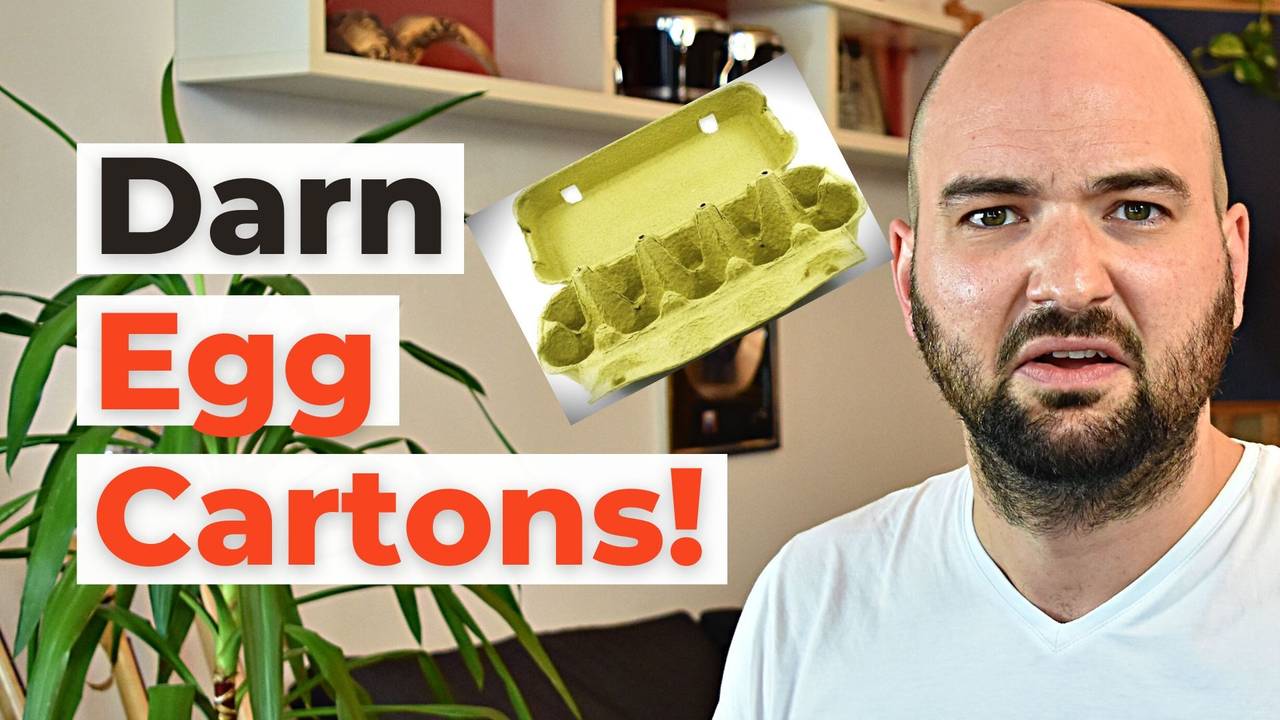
Egg cartons are bad for acoustics. But why exactly…? This week I thought I’d cover an acoustic treatment topic that is omnipresent, but I don’t think I’ve ever talked about before. The gloom and doom of… Egg cartons! I think we are all in agreement that egg cartons aren’t acoustic treatment. (right…!?) And if asked why exactly, I’m pretty sure we all come up with something along the lines of: “We…

acousticsphysics

Acoustic Measurements: Some bad advice. Have you ever posted on a forum (or read someone's post) about how to get started treating your room, and the echo chamber responded: "You gotta measure your room first!" I keep reading this over and over again, and every time I think: Great, another soul lost down the rabbit hole. See you in six months! If there's one piece of advice I vehemently disagree …

acousticsphysics

Whenever you're ready, there are 4 ways I can help you: - Find The Perfect Speaker Placement In Your Room: No complex measurements needed—just your ears and these proven techniques. The perfect first step to start a new studio or fix low end imbalance. - Build A Better Bass Trap: My flagship course for getting professional low-end control without the "dead" room sound. Build bass traps that actua…

acousticsphysics

Subwoofers, Speaker Decoupling, Mixing on Headphones - HEDD Audio Knowledge Bomb Special #2 As I'm about to wrap up my video series with HEDD Audio I want to do another lightning round of answering your questions from the YouTube comments! As usual I'm gonna keep this short and sweet. The video is broken down into chapters so you can jump straight to what piques your interest. 00:00 - HEDD Audio …

artsmusic

Is insulation material a health hazard (for DIY bass traps)? I’m sure you’ve wondered this at some point or other: Is it really OK for your health to have all that mineral or glass wool around you in your studio? Surely that stuff can’t be good for you, right? I mean, those tiny little fibers must go everywhere. What actually happens in your body when you inhale them…? And there are plenty of peo…

Diffusion In Home Studios: Do’s And Don’ts For Small Rooms I get questions about diffusion all the time. People see those pyramid-shaped panels in pro studios and think they're the missing piece. They buy one or two, stick them on the wall, and wait for the magic. The magic never comes. Today I want to cover three critical mistakes that waste your money and keep your room sounding bad. Mistake #1…

"Do I need a carpet?" The floor reflection messing with your mixes sits at around 123 Hz. Your carpet starts working at about 4,000 Hz. See the problem? I get asked about carpets all the time. "Should I put one down in my studio?" And I understand why. It's one of the first things people recommend when you're working in an untreated room. Sounds reasonable, right? Soft surface, less echo, better …

Is placing your speakers half-way between floor and ceiling a bad idea? In my last video I talked about finding the right size computer screen for your home studio setup (it’s actually a speaker placement question). As a follow up, our fellow no-voodoo brother Ben C. asked me what happens though when your room is exactly 8 feet high and you end up placing your speakers 4 feet of the ground, so ex…

research.ioresearch.io

Sign up to keep scrolling

Create your feed subscriptions, save articles, keep scrolling.

Already have an account?