Scientific American
Fathers show changes in some of the same brain areas as mothers, but the effect of parenthood on dads isn’t nearly as well studied
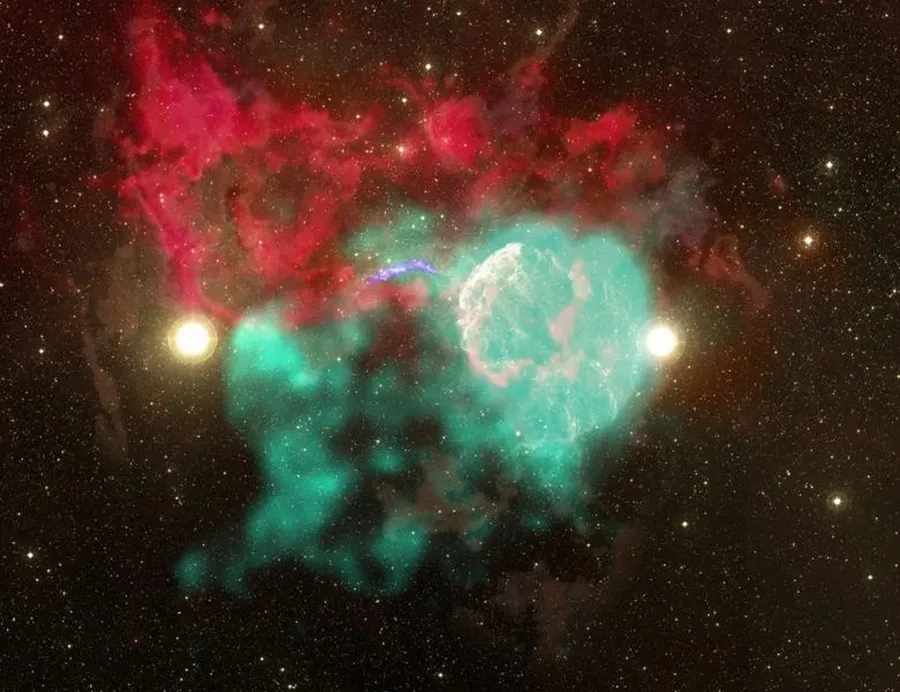
Millions of years ago two massive stars circled each other in a cosmic dance. Then one of the stars went supernova. The blast likely flung the exploded star’s companion across space, setting it adrift in the cosmos for tens of thousands of years before it, too, succumbed to the same explosive end. That, at least, is what astronomers believe may have happened to a newly identified pair of stellar …
A galaxy appears to be missing the invisible substance thought to hold these objects together, further challenging long-held assumptions about how galaxies form

Allie Balter-Kennedy goes to some of the harshest places on Earth to try to predict how a warming climate will impact the planet’s ice sheets. The Tufts University scientist works with a team, sometimes drilling hundreds of feet down into the ice, to explore changes that have occurred over thousands, even millions of years. The history of Earth that is hidden in the cores helps her foresee its fu…
New results challenge AI’s promise for solving how fluids swirl—and suggest a more human path forward
The magnitude-7.8 earthquake that hit the Philippines happened at a subduction zone, places capable of producing the largest earthquakes possible
On Sunday Axiom Space and Prada unveiled the cooling inner garment that NASA’s Artemis astronauts will wear under their space suits on the moon
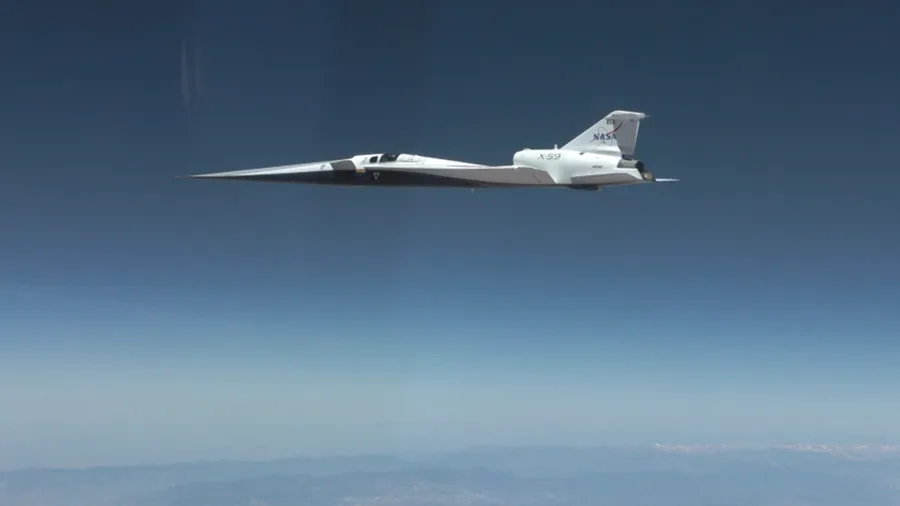
This experimental plane, which reached supersonic speeds yesterday, is designed to travel faster than the speed of sound without creating bothersome sonic booms
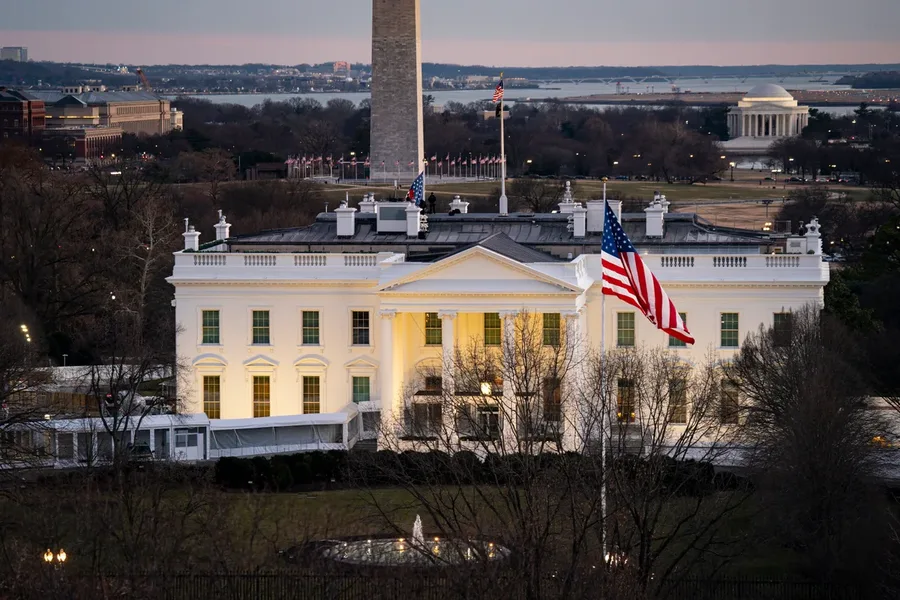
The long-anticipated “Schedule F” order strips job protections meant to safeguard federal employees from political interference
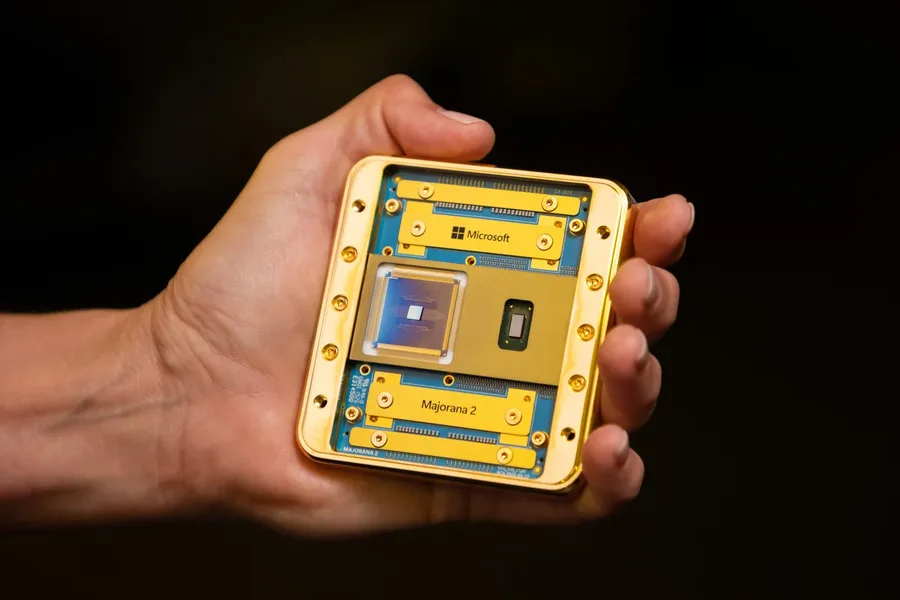
Microsoft’s announcement of a new quantum computing breakthrough with its Majorana 2 chip continues a trend of bold claims followed by scant evidence
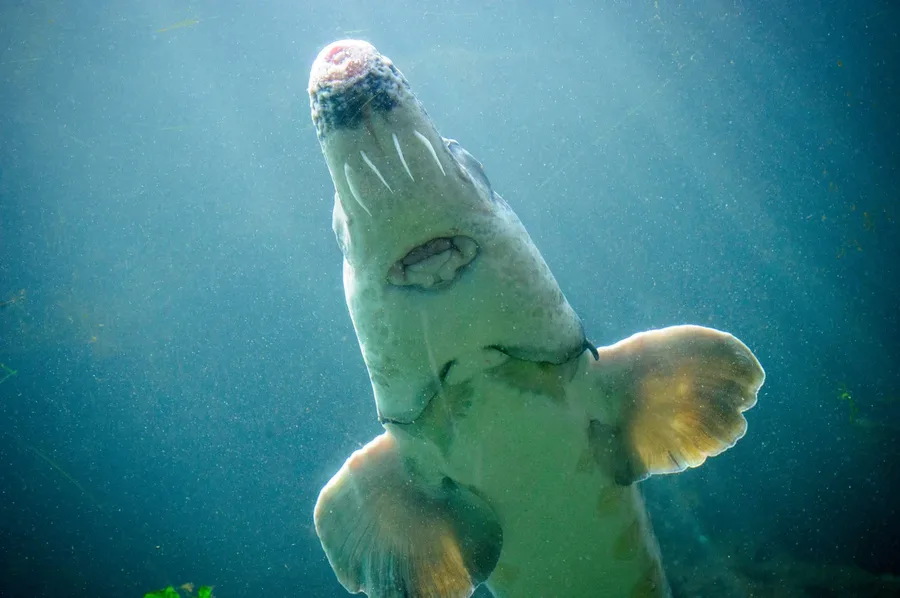
The sounds could be used to track the health of populations of the endangered Atlantic sturgeon
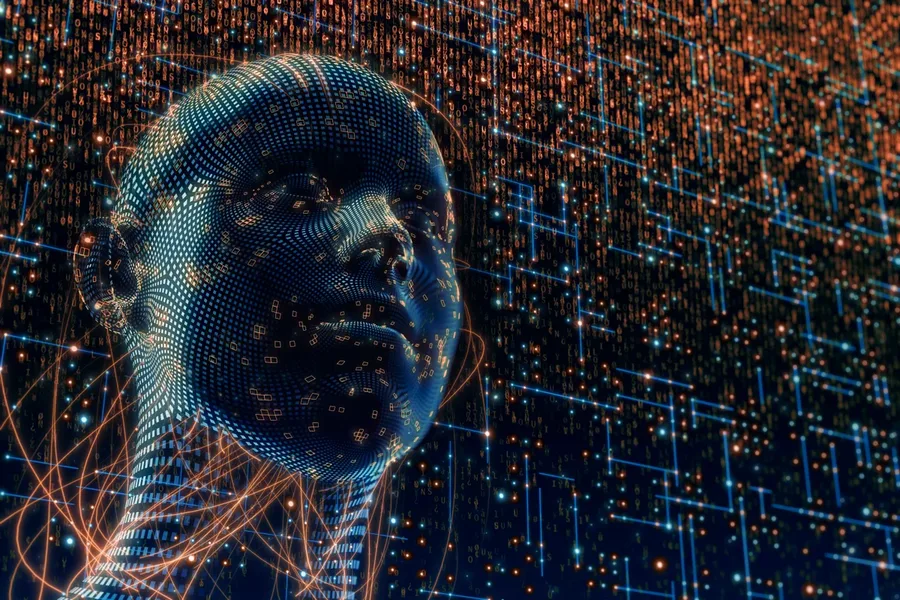
The order asks artificial intelligence companies to give the U.S. government 30 days to assess frontier models before they are released
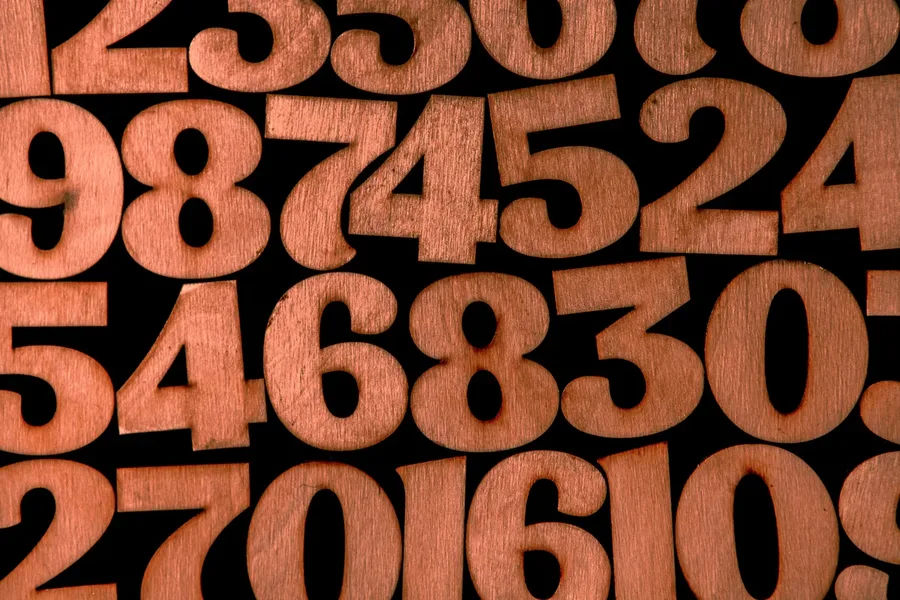
By encoding mathematical statements into numbers, mathematician Kurt Gödel used ordinary arithmetic to check whether a statement can be proved
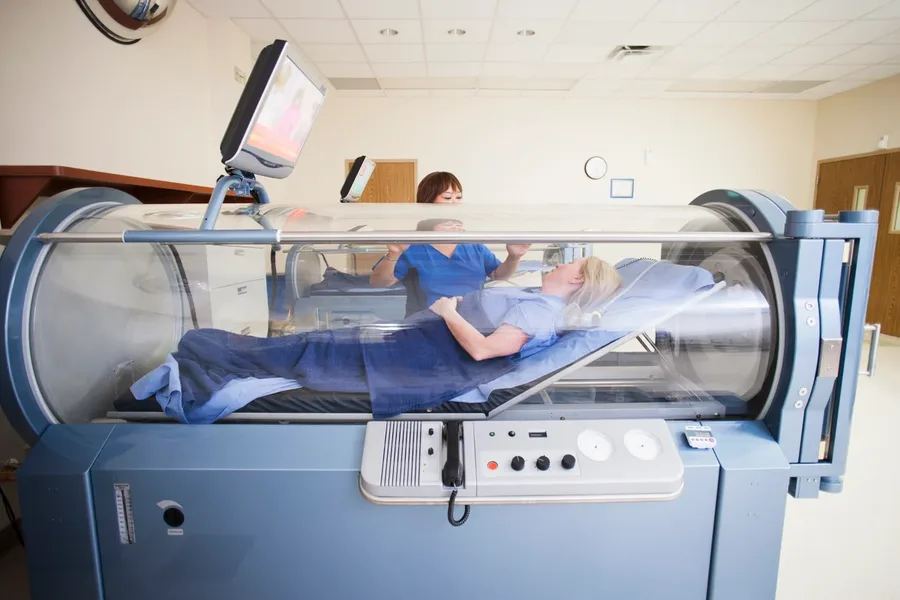
Some clinics are touting pressurized oxygen chambers as a treatment for long COVID, but the evidence is mixed
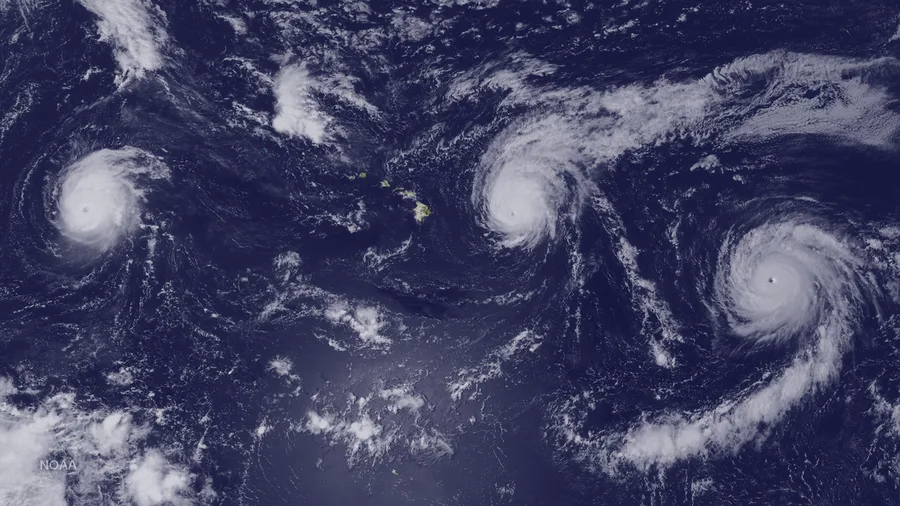
Hurricane season is shaped by the ingredients needed to produce a tropical cyclone, and this year the Atlantic may be relatively quiet
High-bandwidth memory keeps powerful AI chips fed with data, and demand for it helped Boise-based Micron briefly top $1 trillion
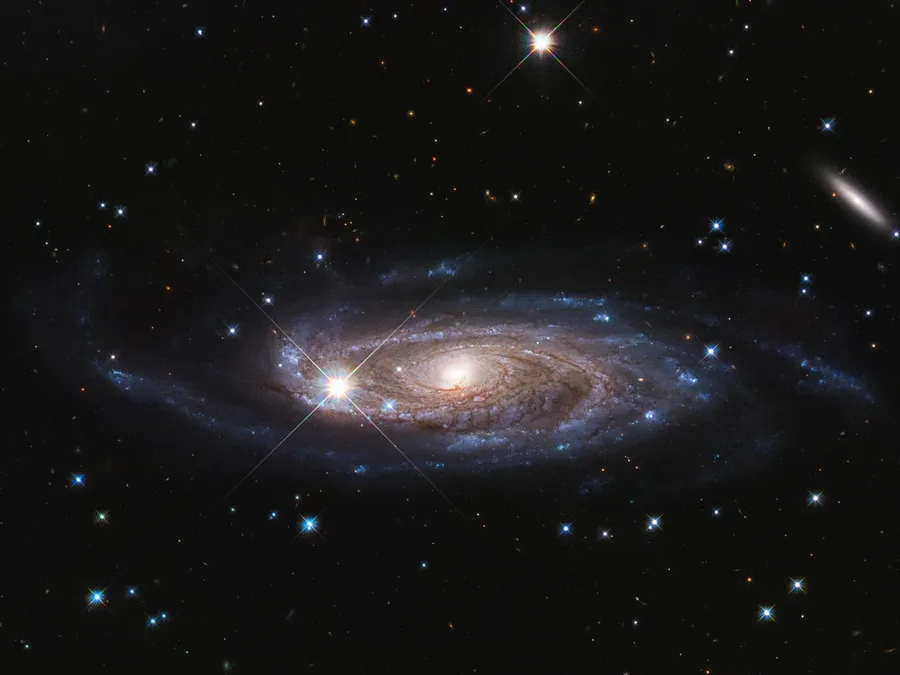
Deep surveys of the sky have turned up galaxies vastly larger than our own. Are there even bigger ones yet to be seen?
The proposed Office of Management and Budget regulations would render the federal research grant review process opaque
Advances in quantum technology might allow astronomers to circumvent age-old issues that limit the size of optical observatories
research.ioSign up to keep scrolling
Create your feed subscriptions, save articles, keep scrolling.