Bruce Dorminey (https://www.universetoday.com/authors/bruce)
1d ago
Understanding the Martian moon of Phobos’ origin hinges on decoding its interior. Japan’s Martian Moons Exploration (MMX) mission due for launch in late 2026 should help.
Matthew Williams (https://www.universetoday.com/authors/houseofwilliams)
2d ago
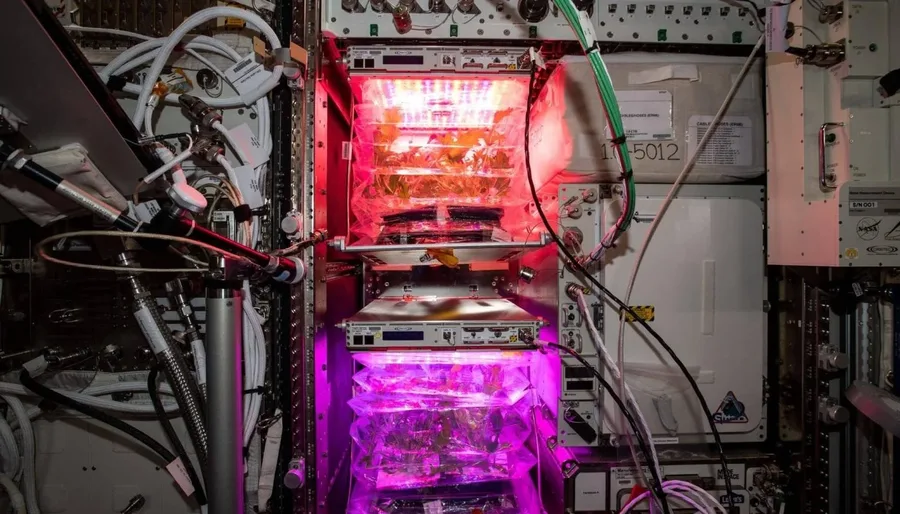
A new pharmaceutical production method could allow astronauts on long space missions to "grow" fresh medicines on demand using plants. The work could also bring low-cost pharmaceutical production to resource-limited areas on Earth.
Andy Tomaswick (https://www.universetoday.com/authors/andy-tomaswick)
2d ago
Current plans for flagship telescopes in the 2040s are focused on answering a simple question - are we alone? Our best telescopes to date, such as the James Webb Space Telescope (JWST) have only given us tantalizing glimpses into the atmospheres or other worlds, but not enough to truly determine whether or not life as we know it exists there. Astronomers have been waiting for technology to catch …
A small lump of rock pulled up from the Pacific Ocean seafloor in 1976 is giving scientists new clues about an ancient cosmic event. More than a hundred million years ago, two neutron stars collided. The resulting energetic kilonova sent a rain of long-lived elements, such as isotopes of plutonium, through space. Eventually, this stellar "debris" settled onto Earth. Some sank to the bottom of the…
Paul Sutter (https://www.universetoday.com/authors/pmsutter)
3d ago
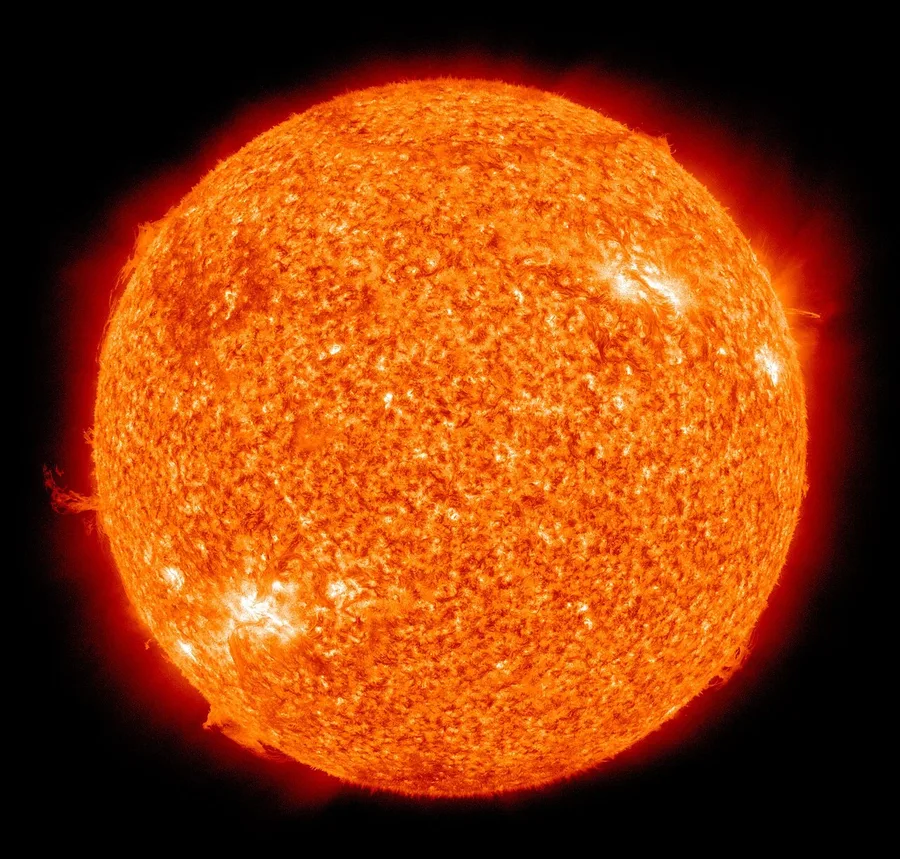
Switch off fusion and, for ten thousand years, nothing happens. Then the Sun begins a slow, strange death: shrinking, briefly brightening, and coasting on gravitational heat for tens of millions of years. And the neutrinos give the whole thing away in just eight minutes.
Paul Sutter (https://www.universetoday.com/authors/pmsutter)
4d ago
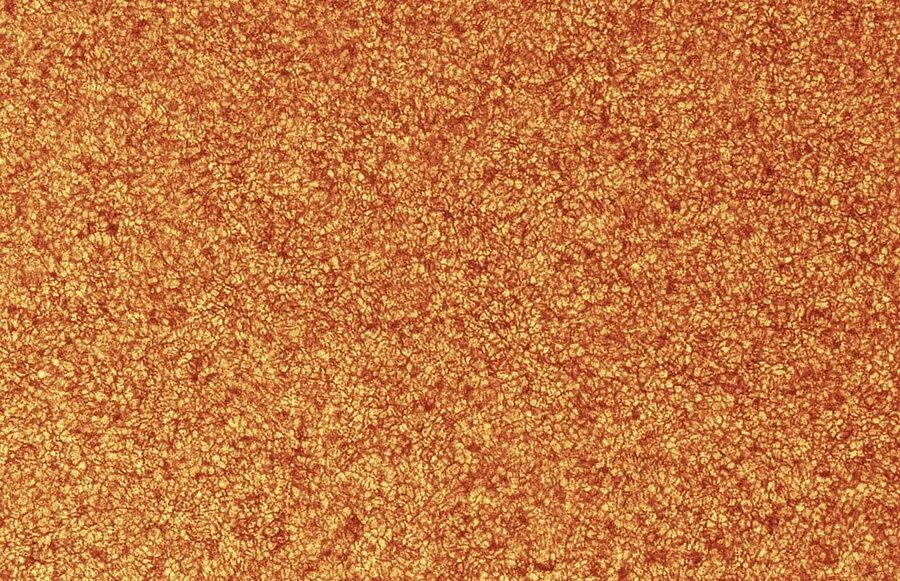
A photon born in the Sun's core takes around 100,000 years to fight its way to the surface, bouncing through a random walk so inefficient that the light on your face is older than human civilization. Why the Sun's surface is a hundred-millennia-delayed broadcast.
Andy Tomaswick (https://www.universetoday.com/authors/andy-tomaswick)
4d ago
We’re still in the definition phase of the Habitable Worlds Observatory (HWO), but it seems like every week a new research group comes out with a paper helping to contribute to what is shaping up to be one of the most important space telescopes of the 2040s. A new paper from a team of researchers led by Daniel Jaffe of the University of Texas at Austin contributes to this ongoing definition work …
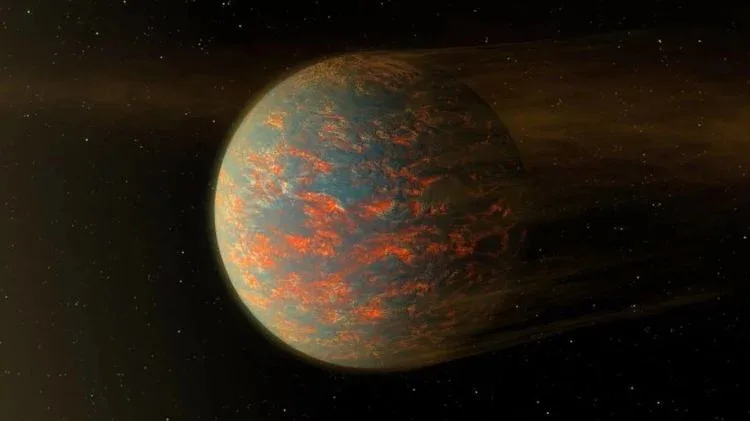
It’s 2158, and you’re chugging away on your PhD in Planetary Volcanology from the University of Utopia Planitia on Mars. Graduate students still get paid a sub-living wage, so you’ve been stuck eating freeze-dried ramen for the past three years. You’ve completed studying Jupiter’s moon, Io, but now you have to leave the solar system for a good exoplanet analog. While Io’s volcanism is caused by t…
Paul Sutter (https://www.universetoday.com/authors/pmsutter)
5d ago
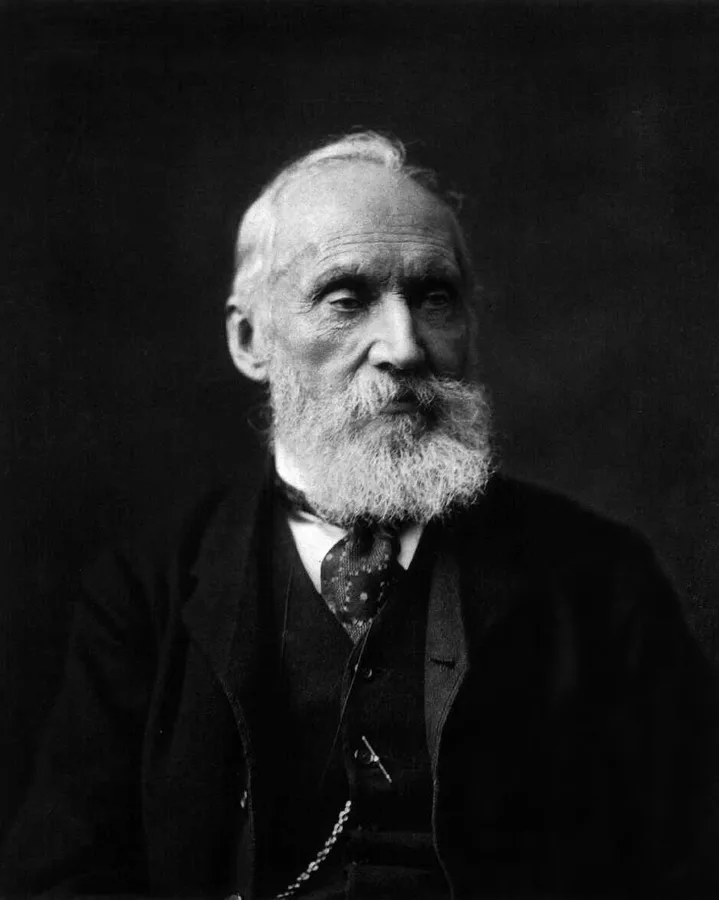
How can the Sun keep shining with its furnace switched off? Two nineteenth-century aristocrats, Helmholtz and Lord Kelvin, worked out the answer mostly by accident. It comes down to stored heat, gravitational shrinking, and the strange self-regulating thermostat of hydrostatic equilibrium.
Andy Tomaswick (https://www.universetoday.com/authors/andy-tomaswick)
5d ago
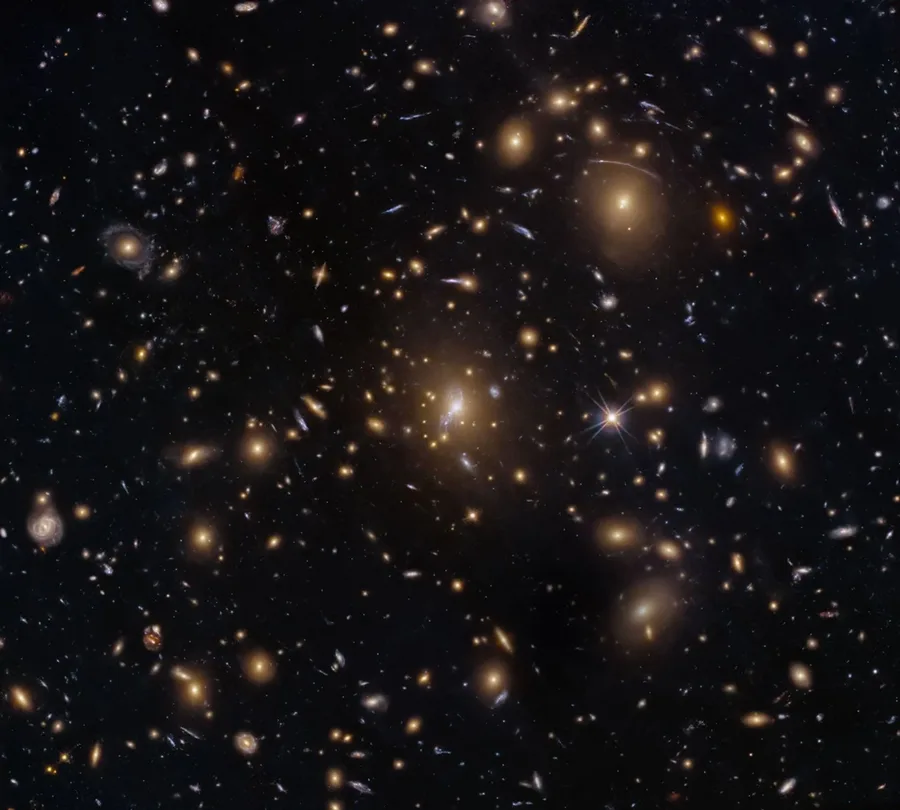
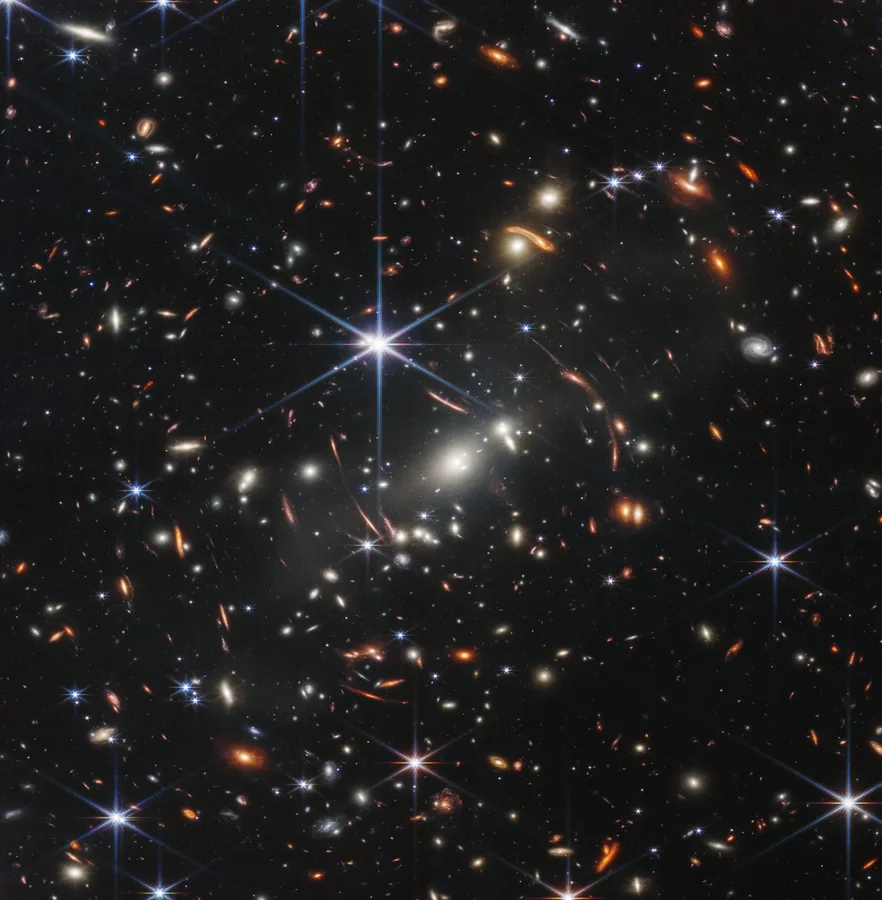
When someone asks me what originally got me interested in space exploration, my answer is always the same - the Hubble Deep Field. That image, taken in 1995, came out when I was in middle school, and had an everlasting impact on my sense of place in the universe. It’s since been improved upon by various other images, and even last week the Hubble team released yet another jaw-dropping image of th…
Andy Tomaswick (https://www.universetoday.com/authors/andy-tomaswick)
5d ago
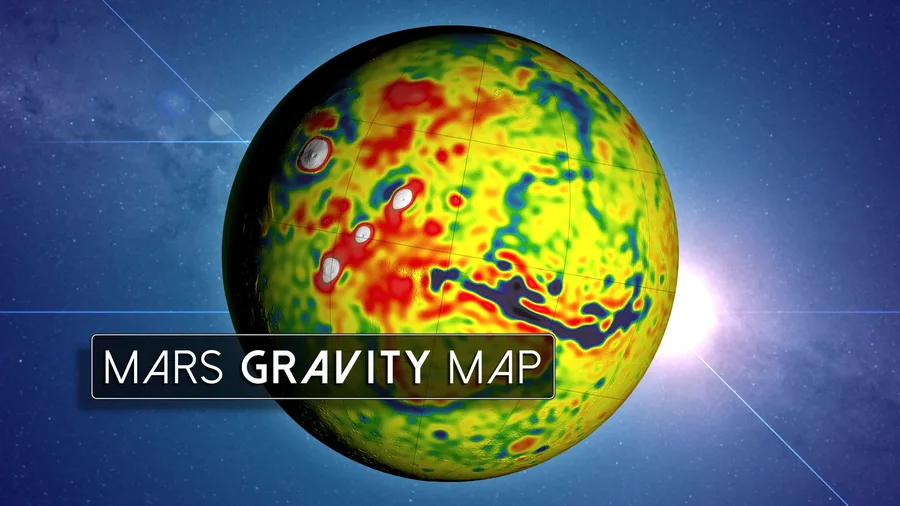
We think of atomic clocks as the definitive timekeepers. They are famous for being accurate down to the picosecond. Unfortunately, they are still subject to general relativity, so if you put them on a different planet, they will track time slightly faster or slower than on Earth, depending on the planet’s gravity. In Mars’ case, an atomic clock on its surface is sitting in a slightly shallower gr…
Andy Tomaswick (https://www.universetoday.com/authors/andy-tomaswick)
5d ago
Even at this early stage in our space faring age, humanity has already begun sending probes that will eventually reach other solar systems, even if that was not their original intention. Five robotic explorers - Pioneer 10 and 11, Voyager 1 and 2, and New Horizons - are all on escape velocities out of the solar system, and might someday enter another one. They will no longer be operational at tha…
Andy Tomaswick (https://www.universetoday.com/authors/andy-tomaswick)
6d ago
Our search for technosignatures - clear signs of advanced civilizations beyond Earth - takes many forms. Many are driven by the famous Drake equation, which attempts to estimate how many technological civilizations there are in the Milky Way. However, there’s a big fat question mark at the end of that equation in the form of a variable intended to account for the “longevity” of a civilization. An…
Paul Sutter (https://www.universetoday.com/authors/pmsutter)
6d ago
If the Sun's fusion shut off right now, you would not notice for a very long time. The first stop is understanding the Sun itself: a vast pile of gravitating matter where fusion is so absurdly inefficient that, pound for pound, a compost heap beats it.
Andy Tomaswick (https://www.universetoday.com/authors/andy-tomaswick)
6d ago
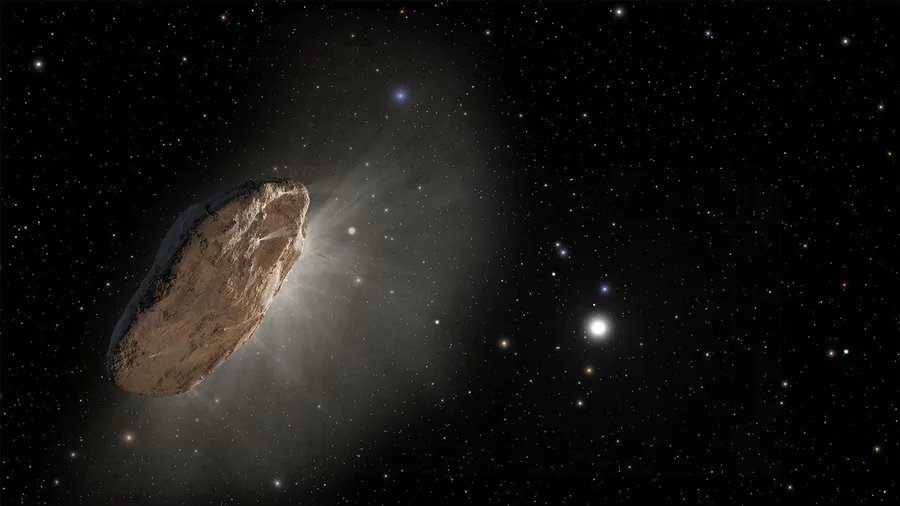
One of the hardest things to calculate for an asteroid is its mass - but it is such a critical feature. It determines how much of an impact it would have if it hits something, or how many resources are potentially available on it. But to accurately measure it we typically use optical sensing and a guesstimate of its density based on its spectral profile. A new paper suggests a completely novel wa…
Mark Thompson (https://www.universetoday.com/authors/mark)
6d ago
We have spent centuries being knocked off our pedestal. Earth isn't the centre of the Solar System, the Sun isn't the centre of the Galaxy, and we are not the point around which everything else turns. Now two philosophers want to take the demotion one step further and apply it to the thing we hold most precious of all, our own conscious minds. If they're right, awareness may be far more widesprea…
Mark Thompson (https://www.universetoday.com/authors/mark)
6d ago
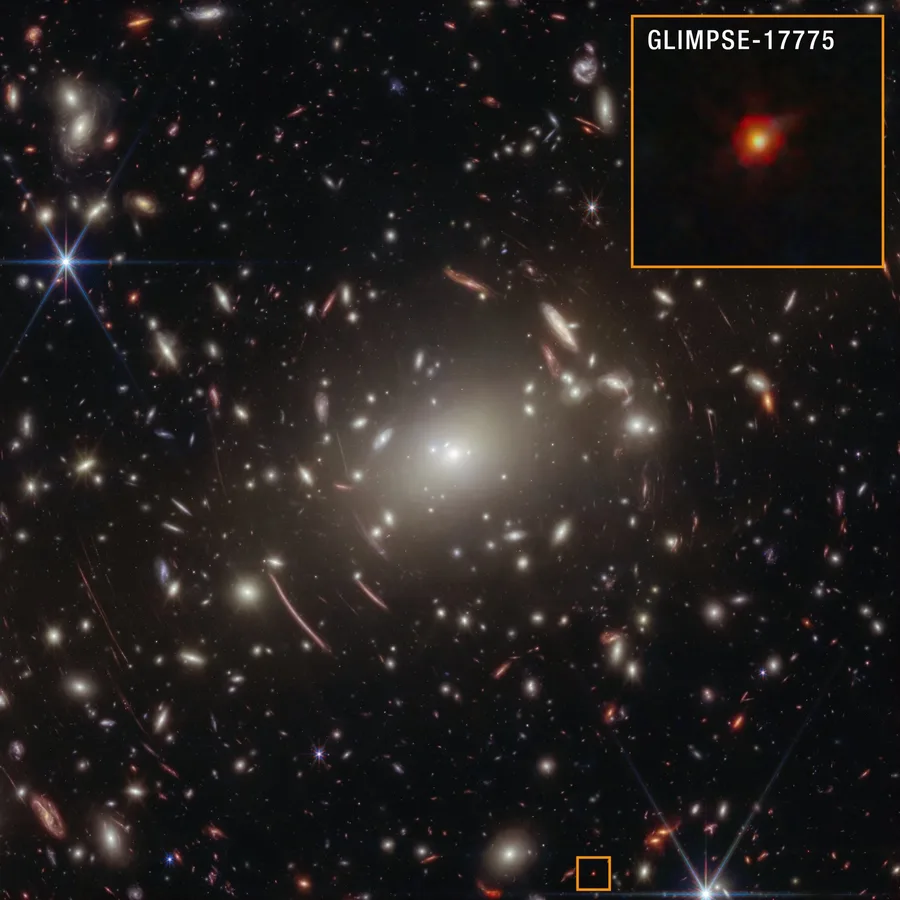
For three years they've been one of the strangest puzzles in astronomy. Tiny, mysterious red dots scattered across the early universe, so abundant and so bright that some researchers wondered if they had "broken" cosmology itself. Now the James Webb Space Telescope has captured the most detailed look yet at one of them, and the answer it reveals is as exotic as the name suggests: a star sized obj…
Mark Thompson (https://www.universetoday.com/authors/mark)
6d ago
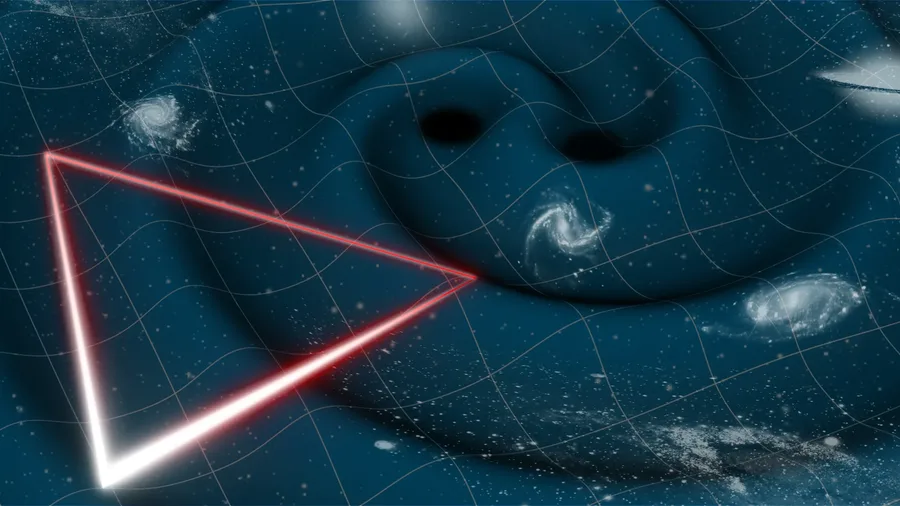
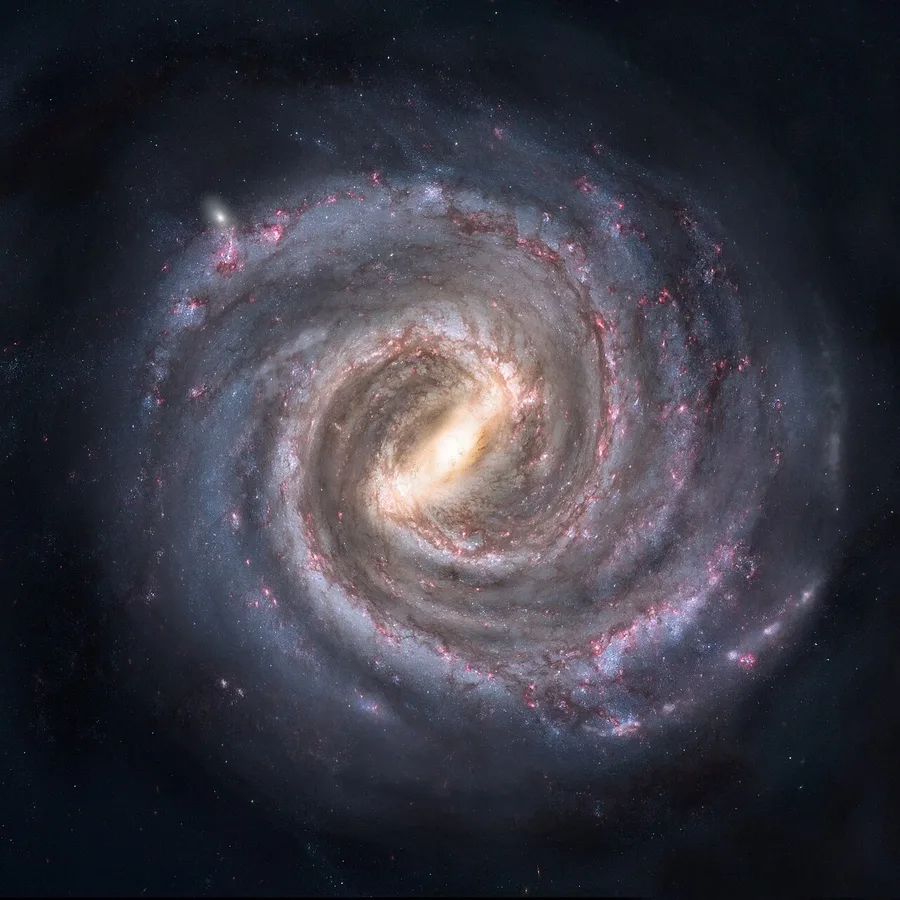
We are used to thinking of gravitational waves as messengers from catastrophes in space, the ringing of spacetime after black holes collide for example. But our own Galaxy hums with a fainter, steadier signal, a chorus of millions of unseen binary stars. A new study has found that this hum carries a hidden fingerprint of the Milky Way's spin, and that if a future space mission ignores it, our pic…
Mark Thompson (https://www.universetoday.com/authors/mark)
6d ago
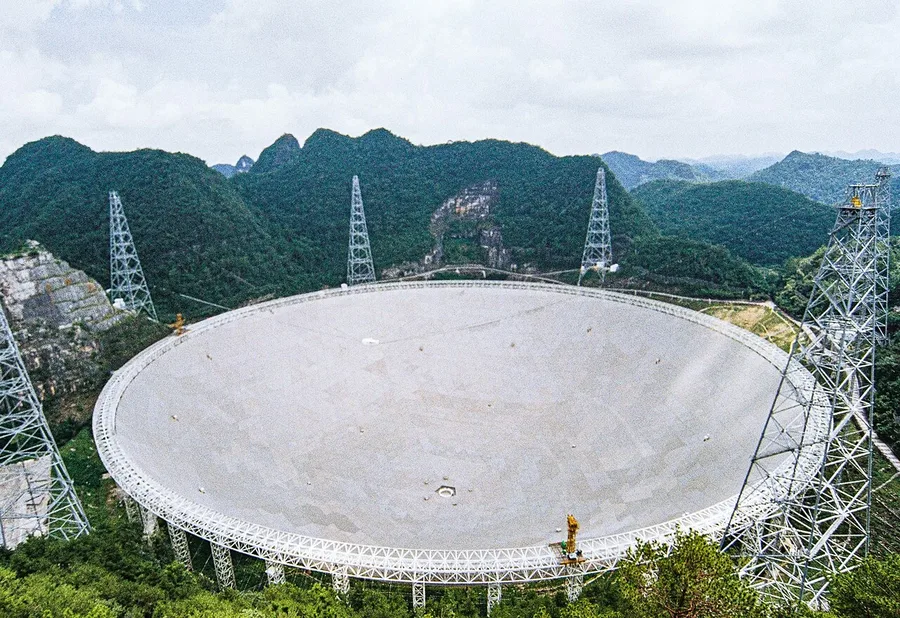
Somewhere in the plane of the Milky Way, a dead star is spinning 220 times a second, and it's circling its companion in almost the most perfect orbit astronomers have ever measured. China's giant FAST radio telescope has just found it, and the shape of that orbit is a near flawless record of a billion year relationship between two stars.
Matthew Williams (https://www.universetoday.com/authors/houseofwilliams)
7d ago
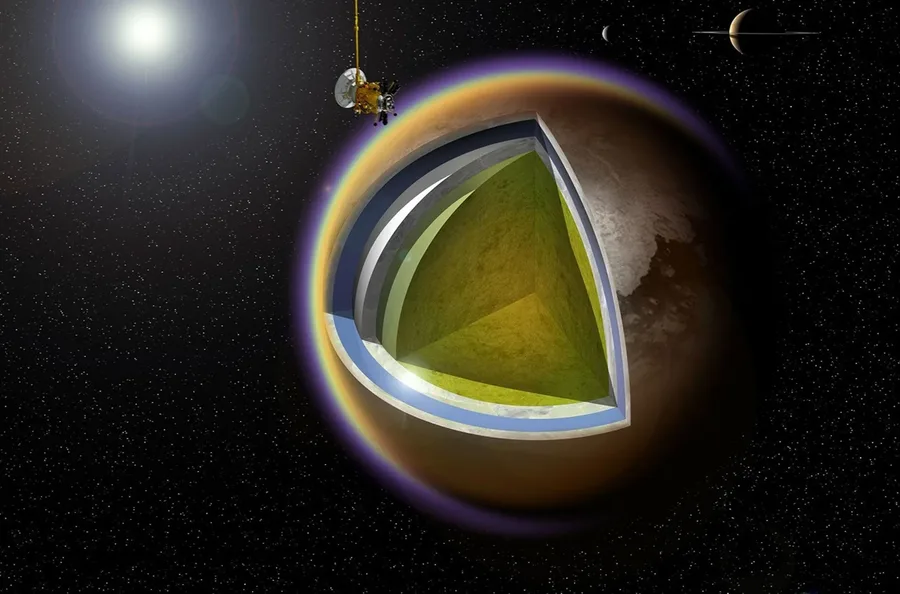
In a recent NASA-supported study, researchers assessed Titan's resource base and how it could be leveraged for ISRU. Compared with other locations under study (the Moon, Mars, etc.), they concluded that there is unrivaled potential for human exploration and settlement.
astronomyplanetary-sciencespace-exploration
research.io
Sign up to keep scrolling
Create your feed subscriptions, save articles, keep scrolling.
 research.io