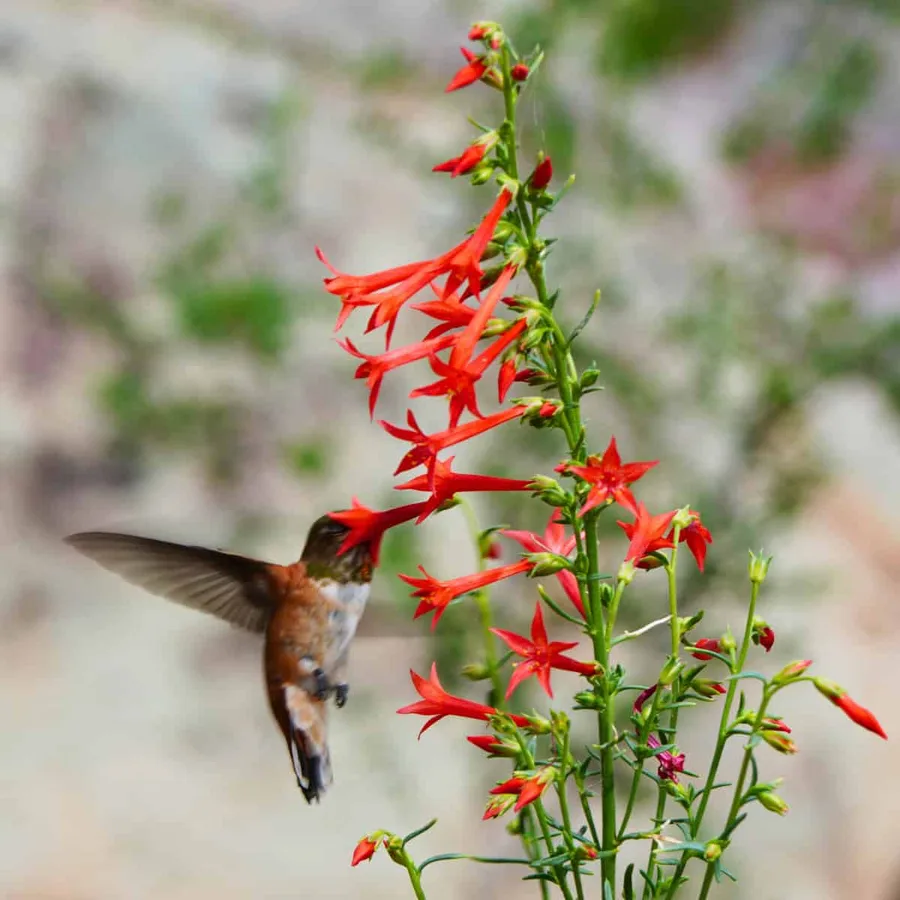
The first Saturday in September is National Hummingbird Day, though which nation it is celebrating it, the calendars I have found refuse to say. They’re a charismatic creature and it’s no surprise people like to look out for them. What did surprise me is how far north they’re recorded. Hummingbirds Canada includes observations in the Northwest Territories and Nunavut.
If you want to attract hummi…
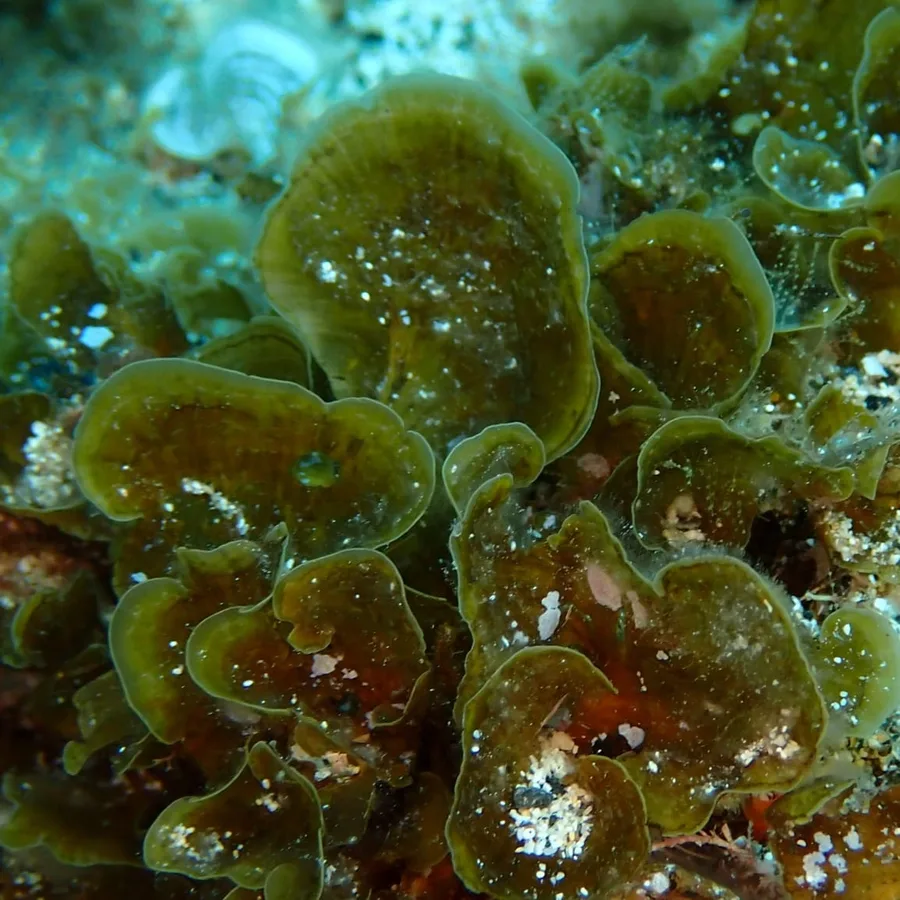
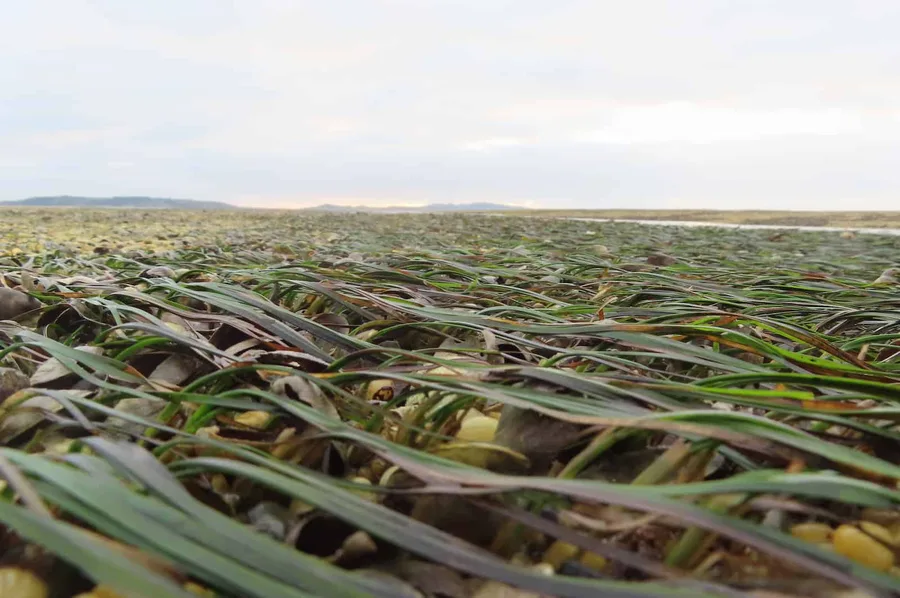
In the warming Mediterranean, invasive seaweeds may help replace some ecological functions lost as native species decline, revealing a more complex side of marine bioinvasions.
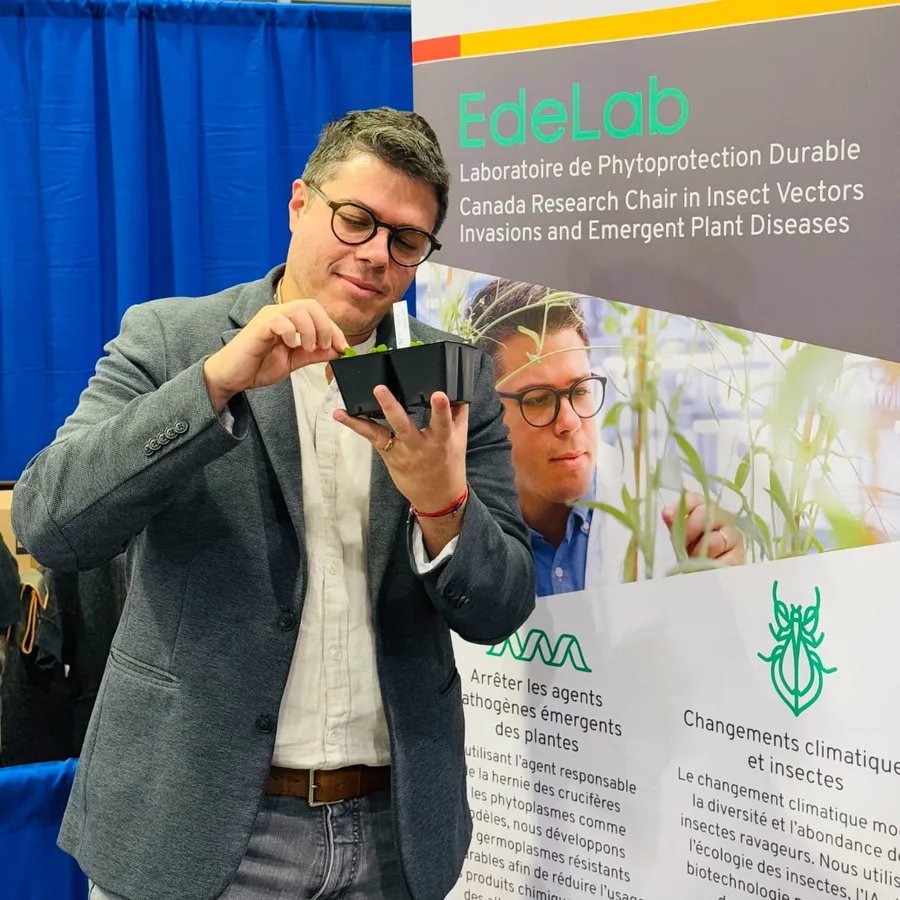
Botany One interviews Dr Edel Pérez-López, a researcher combining plant pathology, genomics and artificial intelligence to develop more resilient crops and sustainable disease management.
I should start with flagging a job that's opened this week. One of the journals we're associated with, in silico Plants, is looking for a Chief Editor. in silico Plants is an open-access journal dedicated to digital plant science, computational modeling, and AI-informed plant research. This looks like a fun position, because the field is really shifting at the moment, and it opens the opportunity…
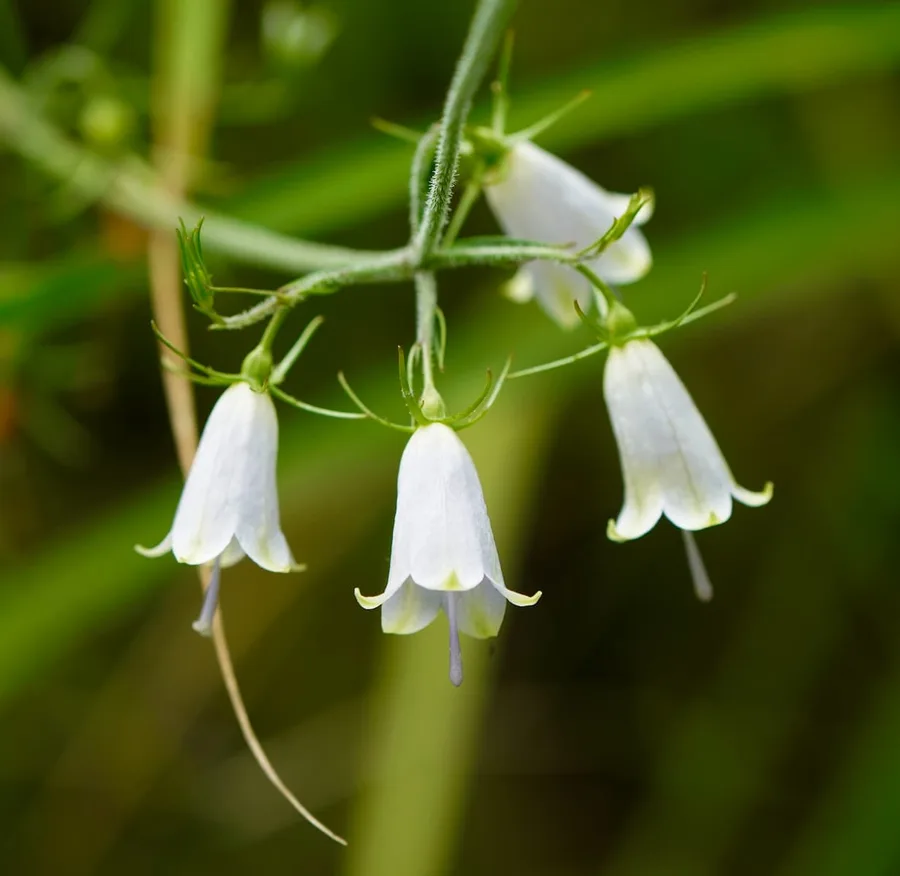
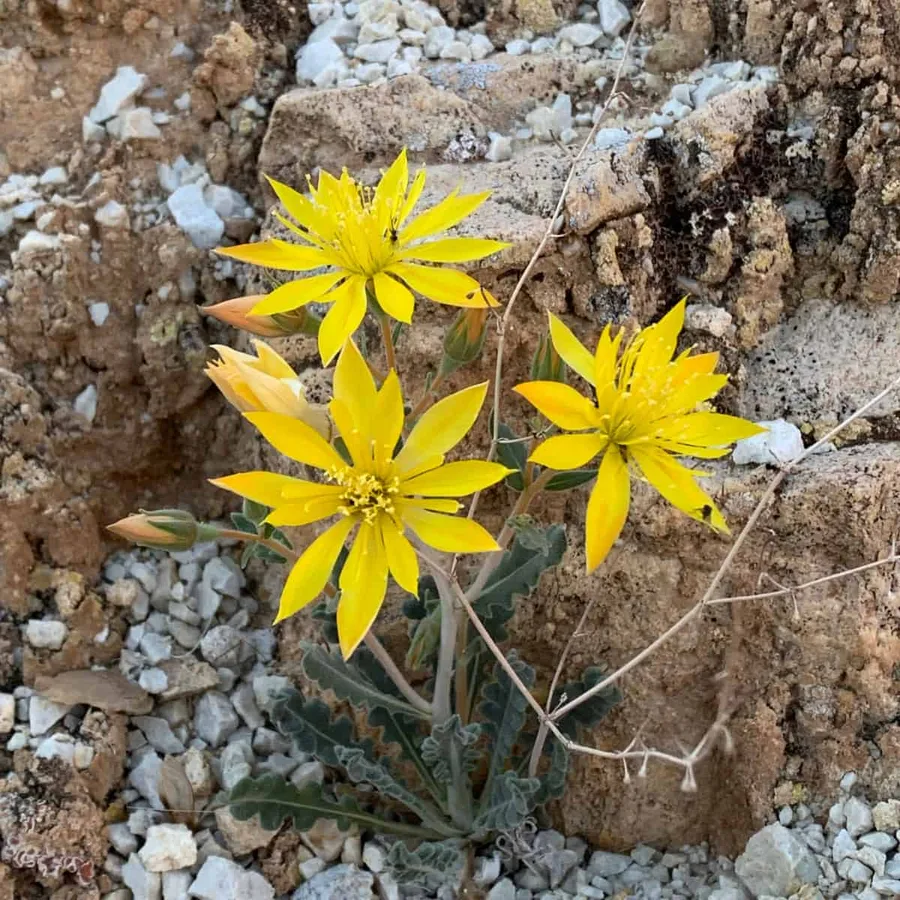
This plant caught my eye as it reminded me a little of a bluebell. If you’re near a professional botanist you might be hearing a stream of foul language, as Adenophora triphylla is not at all closely related to bluebells (Hyacinthoides non-scripta). Unless you’re next to a Scottish botanist, because in Scotland bluebell can refer to harebell. Adenophora triphylla is a much closer relative to the …
Today marks the evacuation of Saint Kilda, an Atlantic archipelago over a hundred miles off the west coast of Scotland. In the morning of August 29, 1930, the last 36 inhabitants left from Hirta, the inhabited island on HMS Harebell for resettlement on the mainland. Since then the islands have been left as a nature reserve. And they left behind a botanical puzzle.
In 2010, a group of botanists sa…
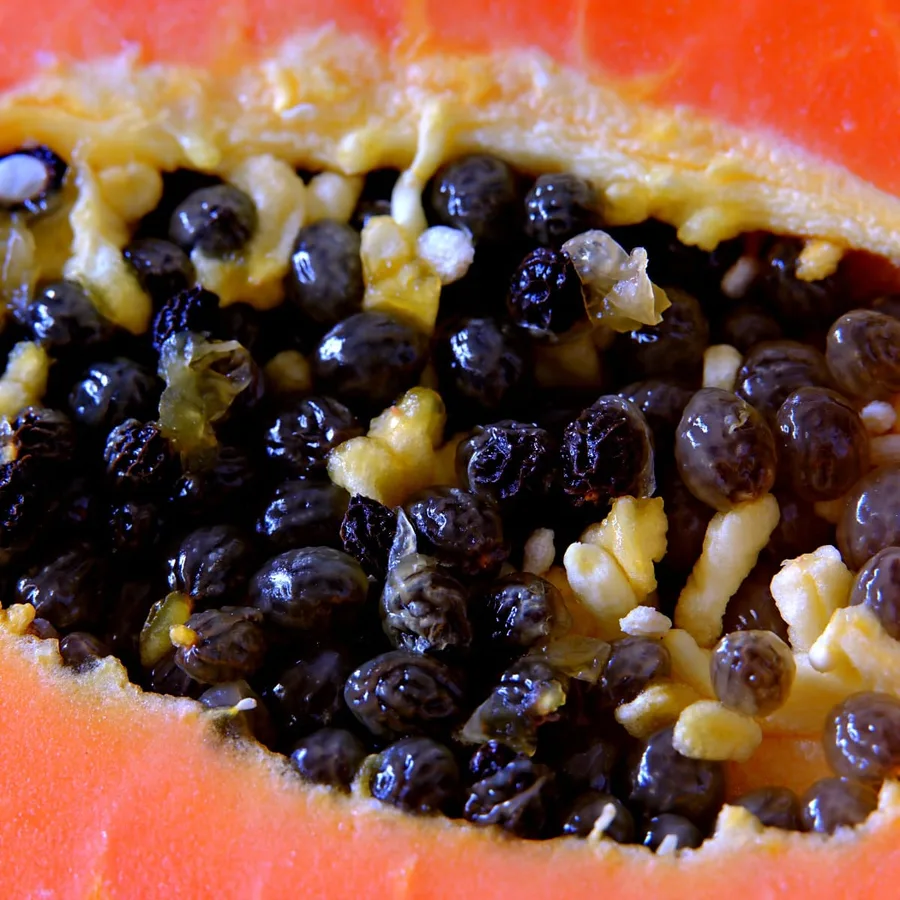
A study of papayas in Mexican backyards reveals how hybridisation between wild and cultivated plants can boost genetic diversity while creating new challenges for conservation.
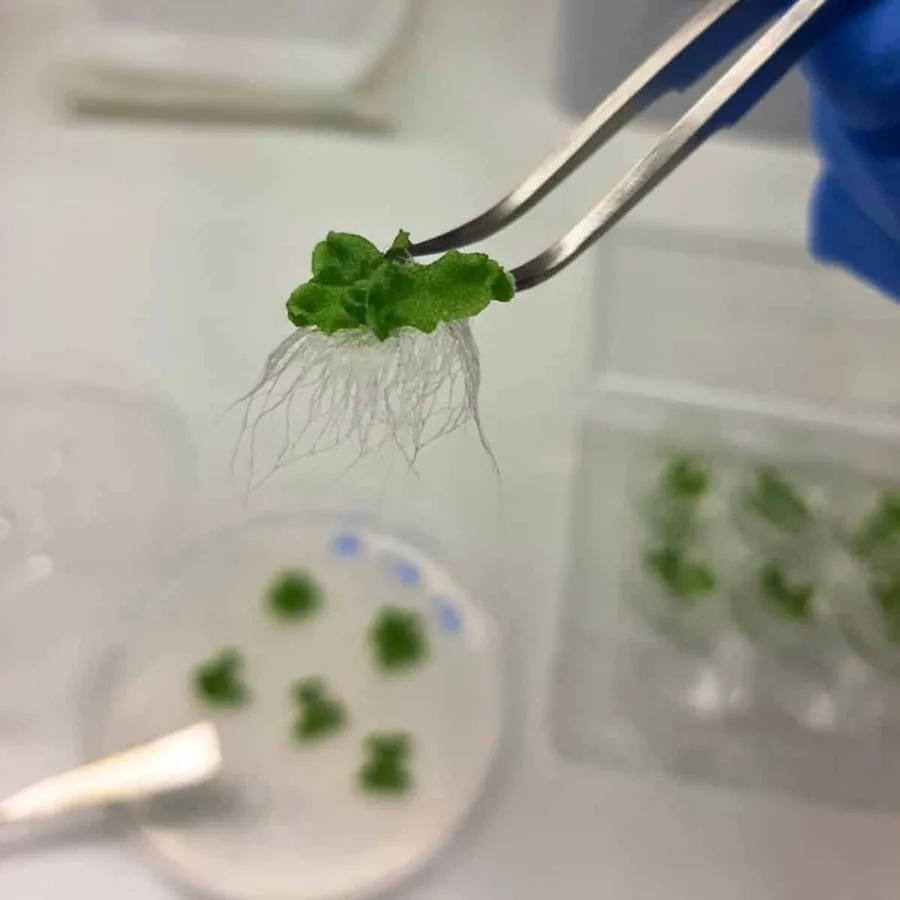
Botany One interviews Dr Nina Bziuk, a microbial ecologist investigating how plants and their microbiomes communicate and how these interactions influence plant health and stress responses.
It's been one of those weeks where there's an avalanche of interesting papers, and no time to write. I'll see what I can do next week, as I also see there are no stories at all scheduled at the moment, so something needs to be done. I've also remembered I need to take a day off, so it will need to be done fast, to allow me to build up a buffer. So there may be more typos than usual over the next …
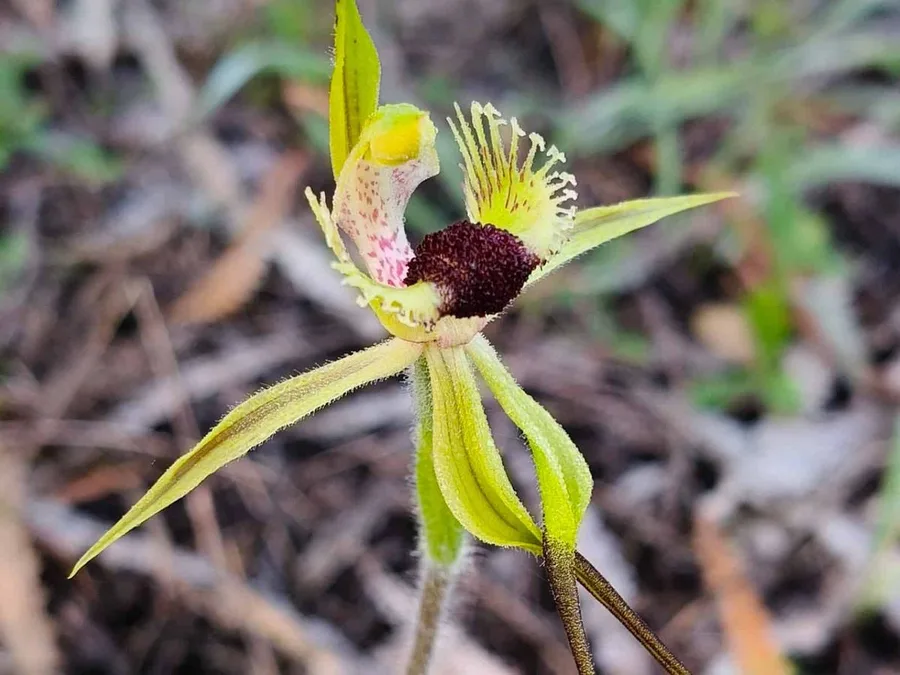
We’ve passed the darkest part of winter and the first orchids of spring are blooming in Australia. This week we have Caladenia crebra, the Arrowsmith Spider Orchid. You’ll find it flowering in August and September, in Western Australia, north of Perth.
It’s the long thin petals and sepals that give a spider orchid its name, in English, because they are said to look like spider legs. The Latin Cal…
Here's this week’s round up of the most shared items on Bluesky. It's been a frustrating week, this week. Not because it's difficult to track down papers, but the opposite. There's plenty here that I'd want to read properly and write about. But there's also plenty that didn't make the list that was interesting too. Enough things came in on Friday alone, that I could be busy for a week. For some r…
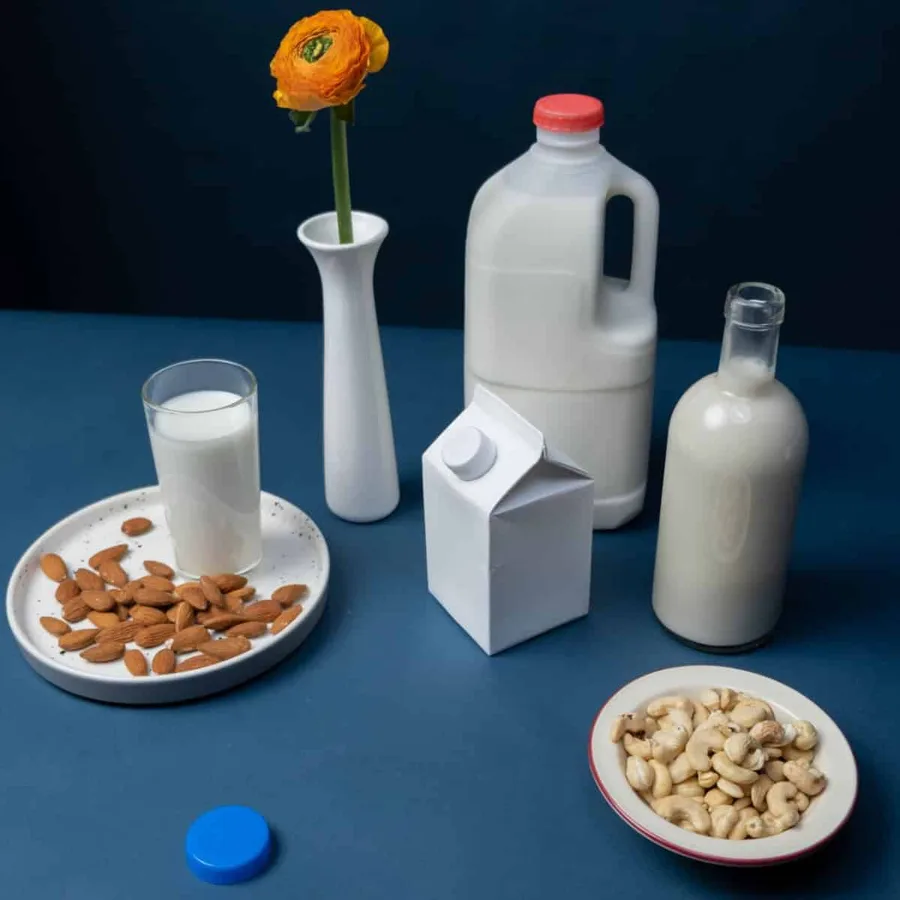
Today marks World Plant Milk Day. You don’t get literal milk from plants, but if the term “plant milk” upsets you, it’s a term that’s been used for hundreds of years in English.
If, like me, you wonder where the milk comes from, there’s not single part of a plant that gets “milked”. Soy and pea milks come from cotyledons, the seed leaves, where the plant has stored protein to power a seedling. Al…
We have a new tool at Botany One that I’m finding helpful when I come across a species that I’m not familiar with: Species Dashboard.
When I read about a new species there are plenty of places I can look for information. Wikipedia, Plants of the World Online, GBIF and others. That means visiting each site individually, which means remembering which sites to visit, or opening multiple bookmarks an…

 research.io