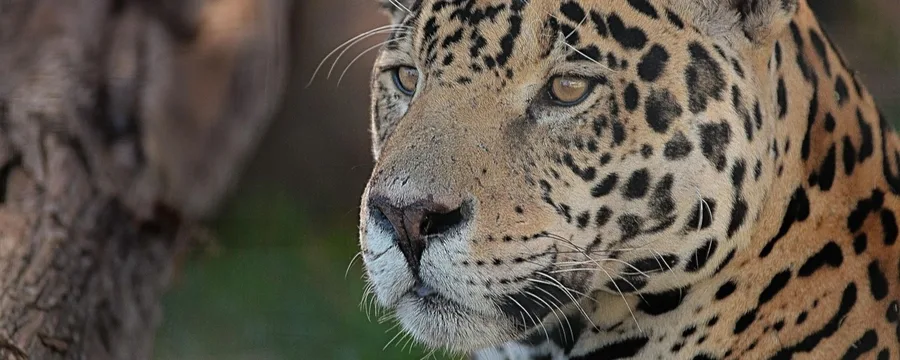
Reintroducing a carnivore into the wild is never simple. Years of planning, significant resources, and a great deal of careful coordination go into each release. Yet despite all this effort, reintroduced animals do not always settle where we want them to, and understanding why is critical for improving future reintroductions. One of the key decisions managers face when planning a reintroduction i…
Authors: Erin Smith and Sarah Rijkenberg Collaborative research approaches with local practitioners and community members are creating more meaningful environmental research. This process is often called ‘knowledge coproduction’, and it’s been shown to increase uptake of scientific findings, build interpersonal trust, and strengthen relationships between researchers and practiti…
Whenever you walk through a shade-grown coffee farm in the Colombian Andes, it is easy to feel optimistic about biodiversity. Tall trees form a canopy above the coffee shrubs, birds call from every direction, and the system looks far more “natural” than a monoculture field. For years, this kind of agroforestry has been promoted as a win–win solution for farmers and biodiversity. But how much R…
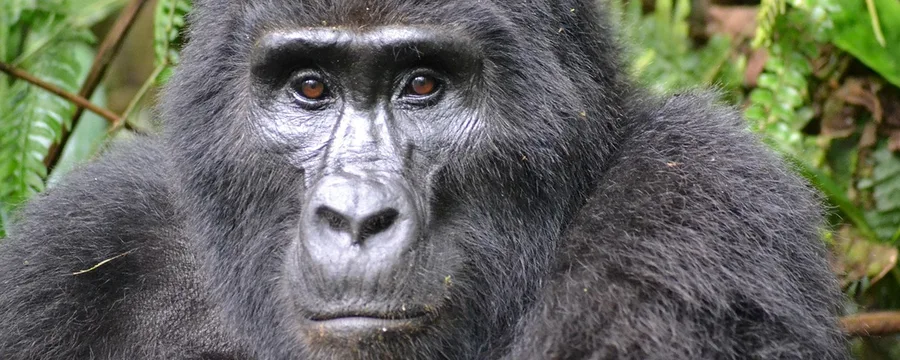
Mountain gorillas are often celebrated as a conservation success story. Their numbers have increased thanks to long-term protection from conservation organisations, park authorities and local communities. However, the remaining two populations live in small, environmentally constrained habitats and recent veterinary records have documented cases of severe gastritis associated with strongylid nema…
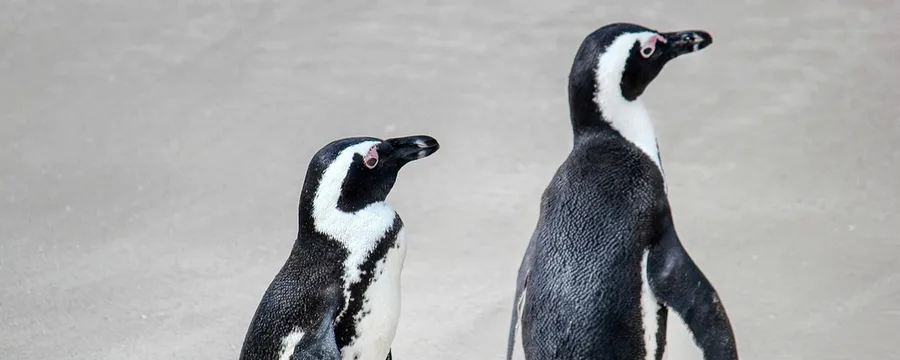
The decline of the African penguin The African penguin (Spheniscus demersus) population has plummeted by nearly 80% in the past three decades, in part due to competition with the local purse-seine fishery which targets the penguins’ key prey of sardines and anchovies. To understand the role of fisheries in the penguin decline, a fishery closure experiment was conducted between 2008 and 2021 aroun…
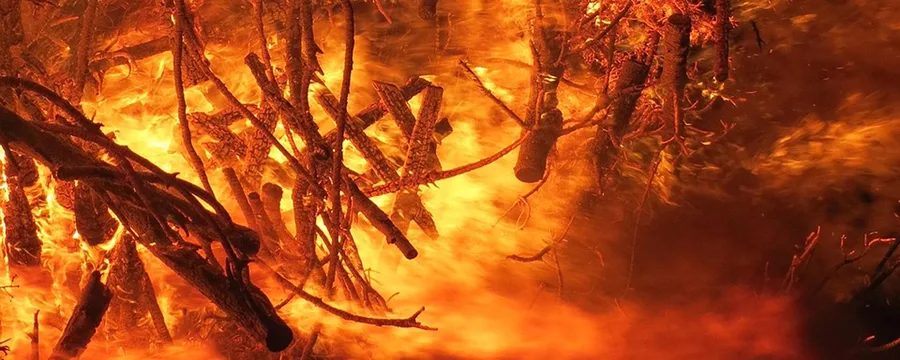
Wildfires are becoming larger, more frequent and more severe in many parts of the world. In Mediterranean-type regions, extreme wildfires that once seemed exceptional now return every year. According to Copernicus data, over 670,000 hectares burned Spain and Portugal in 2025, mostly during August. Nearly 400,000 hectares burned in Spain alone, the largest area since these records began. These ext…
Invasive species are one of the greatest threats to biodiversity, food security, and ecosystem health. When non-native plants spread into new environments, they can outcompete native species, disrupt habitats, and cause long-lasting damage to the natural habitats and the services that ecosystems provide to humans.
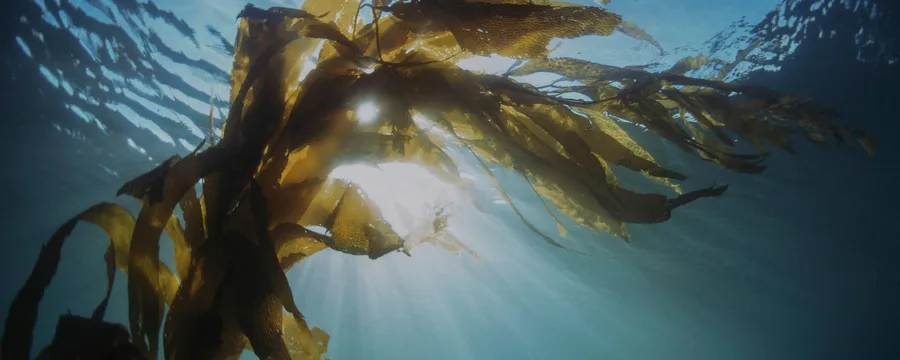
Blog post written by Alejandro Pérez Matus to discuss their latest study which aimed to help us understand kelp recovery after harvesting. This blog post is also available in Spanish here. Humans have been connected to kelp forests for more than 16,000 years. It is hypothesized that these underwater forests helped early coastal communities migrate from northeast Asia to the Americas. Today, the e…
Biodiversity is declining fast, and with limited funding and resources in conservation, it matters that these resources go towards actions that genuinely make a difference. So how do we know which actions deliver results, and which don’t? The answer depends on the quality of evidence behind them – which is largely contingent on the study design used. New research from Staples et al (2026) i…
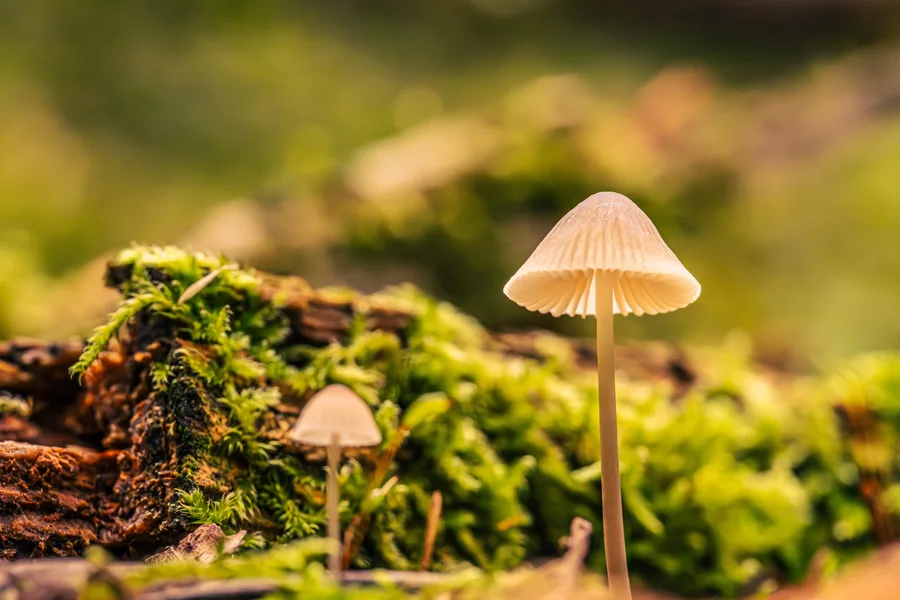
Boreal forest soils are home to diverse fungal communities that break down dead material from plants and fungi. Two key groups drive this process: ectomycorrhizal fungi, which partner with tree roots and receive carbon from trees in exchange for nutrients, and saprotrophic fungi, which break down dead material to acquire both carbon and nutrients. When forests are harvested, ectomycorrhizal funga…
We found that community-managed forests can support wildlife just as well as nearby protection forests, especially when forests remain well connected across the landscape. This has important implications for how community forestry is included in future conservation strategies. Across the world, governments are increasingly giving local communities the rights to manage forests. Indonesia is rapidl…
In a world of emerging diseases that threaten both wildlife conservation and public health, finding innovative ways to monitor animal populations has never been more necessary. Traditional methods often involve capturing or handling animals, which is stressful, costly, and logistically challenging. But what if we could detect diseases without disturbing an animal? A promising solution for this ch…
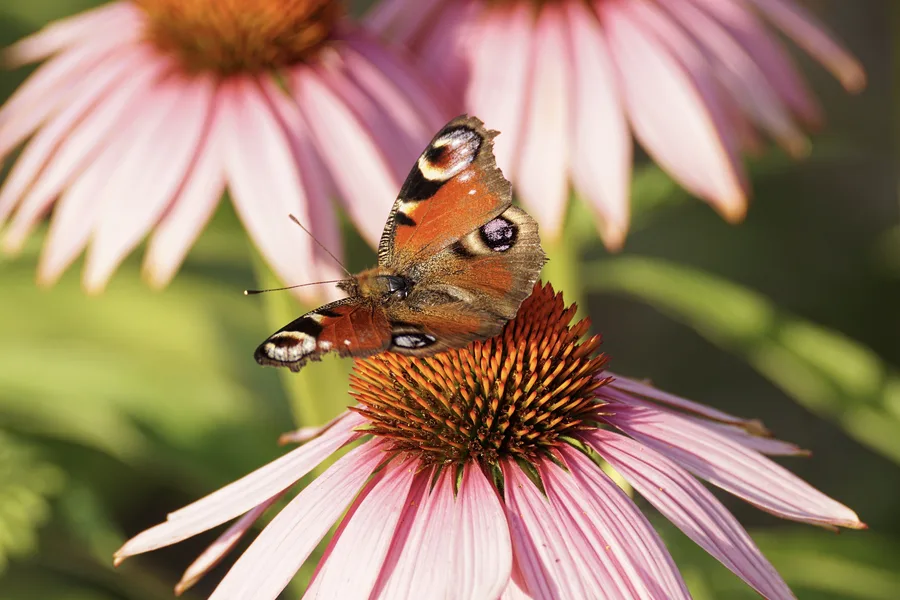
To reverse the decline in plant and animal biodiversity, it is urgent to restore species-rich grasslands. Identifying successful restoration strategies is therefore highly relevant, especially with regard to the national implementation of the EU nature restoration regulation. In this context, butterflies can be used as sensitive indicators that allow for a holistic assessment of restoration succe…
We sought to understand whether adding many nest boxes for barn owls, a common way to help control rodents on farms, might have hidden drawbacks. While more nest boxes can boost owl numbers, it is not always clear if this improves the survival of young birds. We studied barn owls in northern Israel using small electronic tags that recorded each time a bird entered a …
Afforestation is widely used to restore degraded land and improve soil health, but not all planting approaches deliver the same ecological benefits. Soils perform many important functions, including supplying nutrients to plants, supporting microbial activity, decomposing organic matter and maintaining nutrient cycling. However, how different afforestation strategies influence these functions tog…
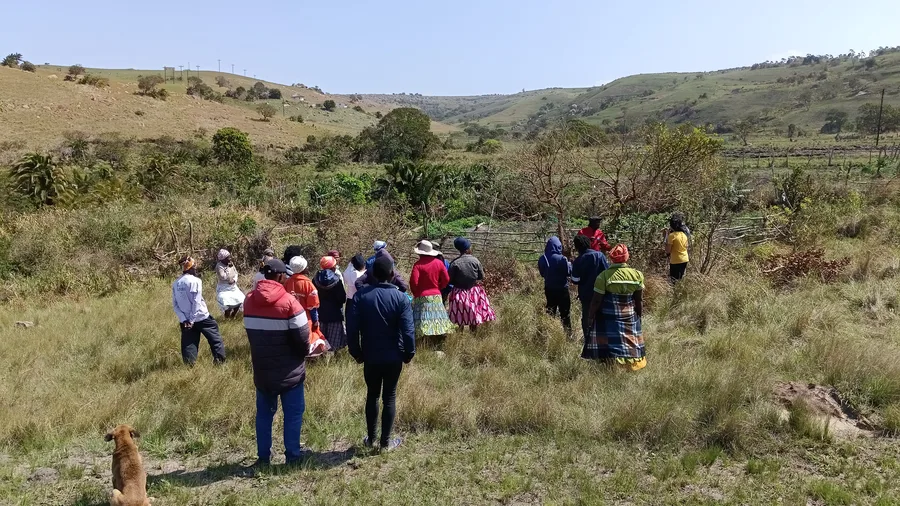
In our ‘Field Diaries’ series, The Applied Ecologist is sharing stories from a range of different fieldwork experiences.  About the author Mallika Sardeshpande, She/her Affiliation: Ecology interests: Agroecology, Urban ecology, Green infrastructure Overview of fieldwork In 2024, I secured my first applied project grant, to work on indigenous agroforestry in the Mpondoland Centre o…
Artificial intelligence (AI) is rapidly entering our daily lives. As the world begins to rely on it for small decisions, such as choosing which furniture suits our garden décor, scientists are witnessing a much larger shift quietly unfolding. AI is now entering ecology, and more importantly, applied ecology, a field that supports real-time high-stakes decision-making for our planet and posterity.…
By Walter R Jubber, Andrea Fuller, Maria Paniw Drylands cover over 40% of Earth’s land surface. When we think about biodiversity in drylands, we often picture aboveground shrubs, flowers sprouting after rain, grazing animals, and maybe insects scurrying across the surface. But a key adaptation to extreme temperatures and aridity, especially for invertebrates, is spending most of their life below …
Every year, vehicle collisions with deer and wild pigs cause billions of dollars in damages and injure thousands of drivers. Most collisions occur at night when the animals are more active and when it is more difficult for drivers to see. Recent research has found that illuminating the front end of the vehicle with a lightbar can reduce dangerous encounters with deer, and newer light …
Long-term monitoring shows that Amazonian floodplain forests (várzea) can support high jaguar densities, but apparent stability may mask underlying population decline, highlighting the need for sustained conservation efforts under increasing climate extremes. Jaguars are the largest felid in the Americas and play a key role in maintaining ecosystem function. Across much of their range, population…

 research.io