aerospace
A French launch startup is scrapping the name of its rocket, apparently due to a trademark issue.
Revolutionizing Heavy Vertical-Lift Aviation Novel Drone Designs Lift Beyond Limits DARPA Challenges incentivize researchers from across academia, government, commercial, and defense communities to develop non-traditional or unexpected solutions to grand national security challenges, through cash prizes. Prizes encourage thinking outside the box and broad participation by attracting a wide arra…
USC Rocket Propulsion Lab’s third successful spaceshot, Daybreak, carried payloads for other student organizations and validated new technologies that expand the team's ability to return to space on repeat. The post Students Design and Build a Rocket to Carry Payloads to Space appeared first on USC Viterbi | School of Engineering .
The team of engineering students was honored with the “Future Game-Changer” recognition. The post UGA student team wins award in NASA competition appeared first on UGA Today .
The general guidance for stall recovery is neutral to slightly forward stick. This surprises me, as getting the nose down, and using gravity to accelerate, seems like the best way to reestablish ...

Recent reading of this much publicized disaster left me wondering if a lighter than air craft must be turned, rather than pivoted, to be properly aligned to land. The Hindenburg approached from the ...

Days after going public, SpaceX has reached a market capitalization of about $2.5 trillion, even with its stock skidding in midday trading on June 17. At the time of writing, SpaceX CEO Elon Musk was worth more than the next four billionaires on Earth combined. SpaceX laid out its vision weeks ago in its S-1,… The post SpaceX is now worth nearly as much as 41 aerospace peers combined. Its revenue…
The Air Force Lifecycle Management Center, working alongside the Air Force Research Laboratory and Air Mobility Command, have developed small blade-shaped aerodynamic inserts, formally designated microvanes, and tested them on a limited number of C-17 Globemaster III cargo aircraft. Each plane received twelve of the devices, each measuring roughly 10 centimeters by 40 centimeters, bonded…

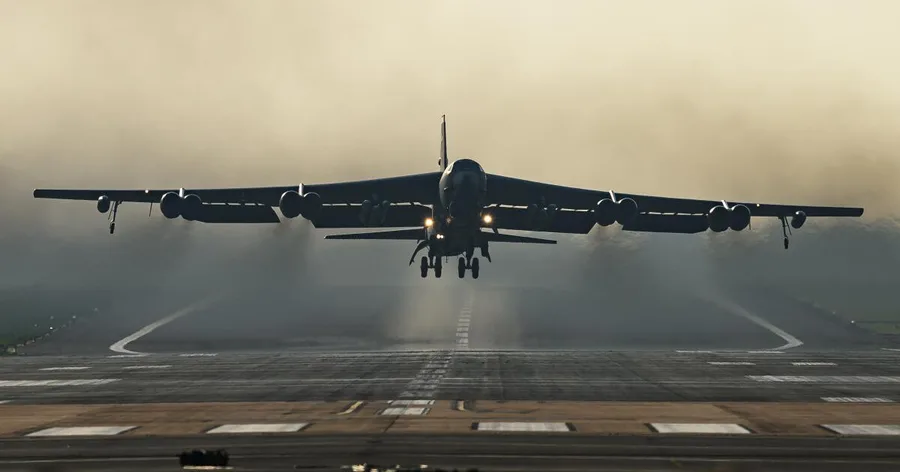
Investigators are trying to determine the cause of a B-52 bomber crash that killed eight Monday in California. The crash occurred during a “routine test mission” at Edwards Air Force Base.
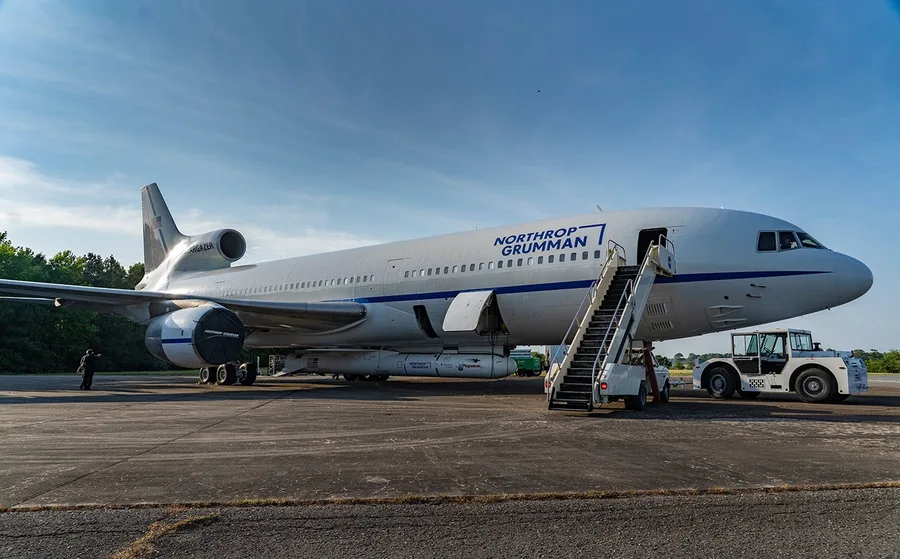
Engineers attached a Northrop Grumman’s Pegasus XL rocket to the company’s Stargazer aircraft at NASA’s Wallops Flight Facility in Virginia on Friday, June 12. The post Rocket Attached to Aircraft for Katalyst-NASA Swift Boost appeared first on NASA Science .
NASA’s Ingenuity helicopter was the first aircraft humanity has flown on another planet, and engineers are looking to make the next generation of Martian helicopters bigger and more capable. That’s challenging in Mars‘ thin atmosphere, which is only 1% as dense as Earth’s. To get adequate lift, the rotors need to spin faster there. During […]
A new MIT propulsion system combines chemical and electric thrust in a single package, potentially allowing tiny spacecraft to explore Mars and beyond.
The sky was a very dangerous place in the early days of commercial aviation. By flying into storms to learn how they worked, these experts made air travel and weather forecasting much more predictable

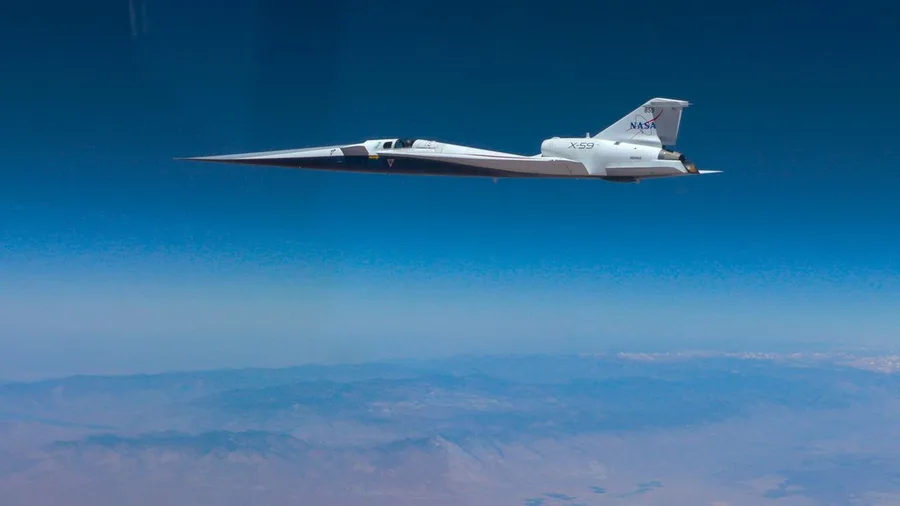
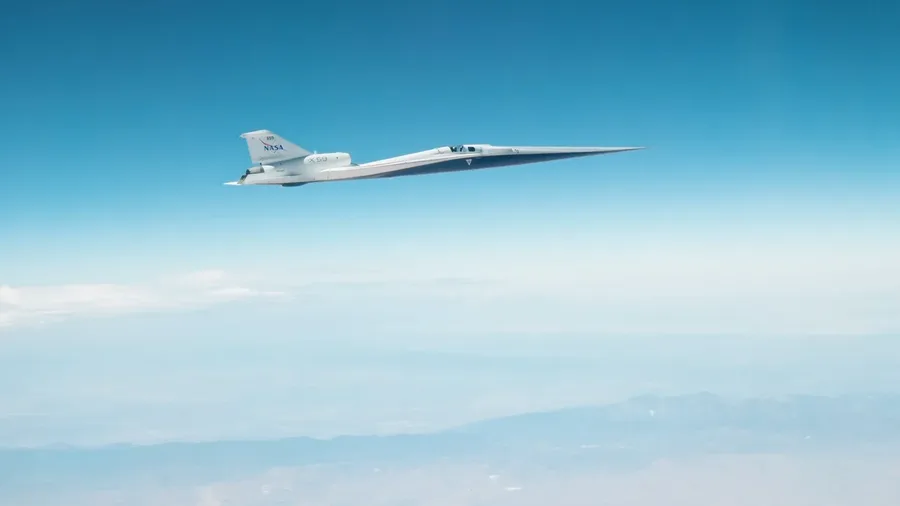
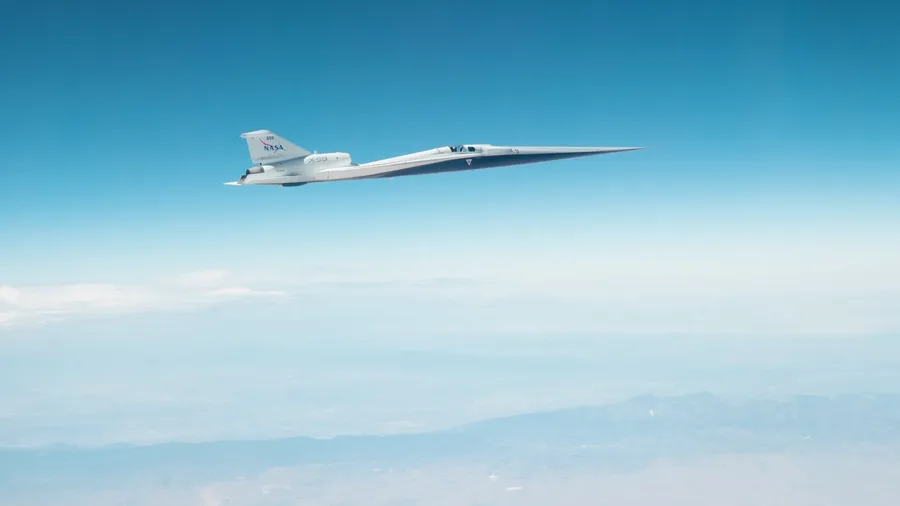
NASA and Lockheed Martin's experimental X-59 aircraft has broken the sound barrier, achieving a speed of Mach 1.1. The feat could set the stage for "quiet" supersonic flight.
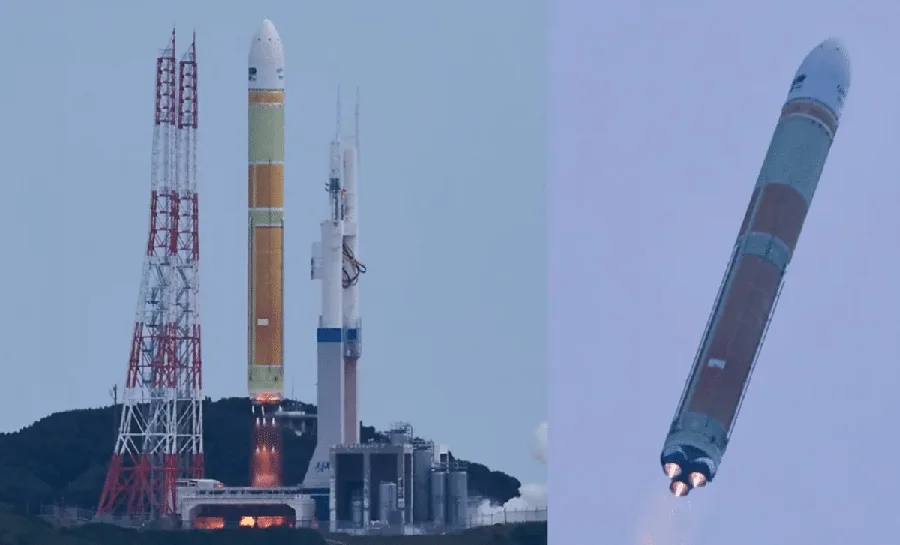
Japan’s H3 rocket successfully returned to flight, deploying six satellites and restoring confidence in the nation’s next-generation launch system.
NASA’s X-59 research aircraft reached its target speed and altitude for the first time on Friday
A combined Amphibious Ready Group and Marine Expeditionary Unit bring a tremendous capability, but only if there are enough ships available. The post The United States needs more amphibious ships at the ready appeared first on Atlantic Council .
NASA’s X-59 experimental aircraft reached a major milestone Friday, June 12, flying Mach 1.4 (about 924 mph) and an altitude of 55,000 feet, the conditions required for the aircraft to make future flights critical to its mission. The X-59 still has months of performance testing ahead, but after those are complete, NASA’s Quesst mission will fly the aircraft over several U.S. communities to coll…
Enabling landers to autonomously identify the safest sites to touch down Moon craters and their surrounding areas are high-value destinations for lunar missions since they may contain important resources and valuable science targets. However, these sites are also home to dangers such as steep slopes that are difficult to see in the challenging lighting conditions. […] The post Hazard Detection Li…
research.ioSign up to keep scrolling
Create your feed subscriptions, save articles, keep scrolling.