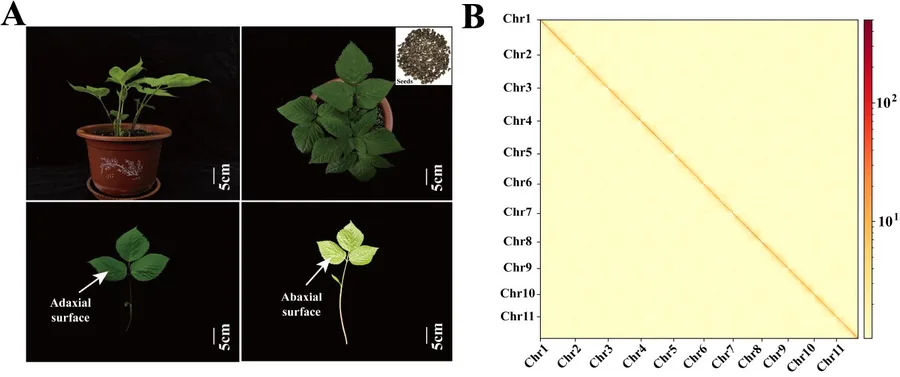
A wild vegetable treasured in Northeast China for both its nutritional value and medicinal properties has had its entire genetic code deciphered for the first time. Scientists have assembled a chromosome-level genome of Spuriopimpinella brachycarpa--a 4.12-gigabase blueprint that reveals how this plant produces flavonoids and terpenoids, two classes of bioactive compounds with antioxidant, anti-i…
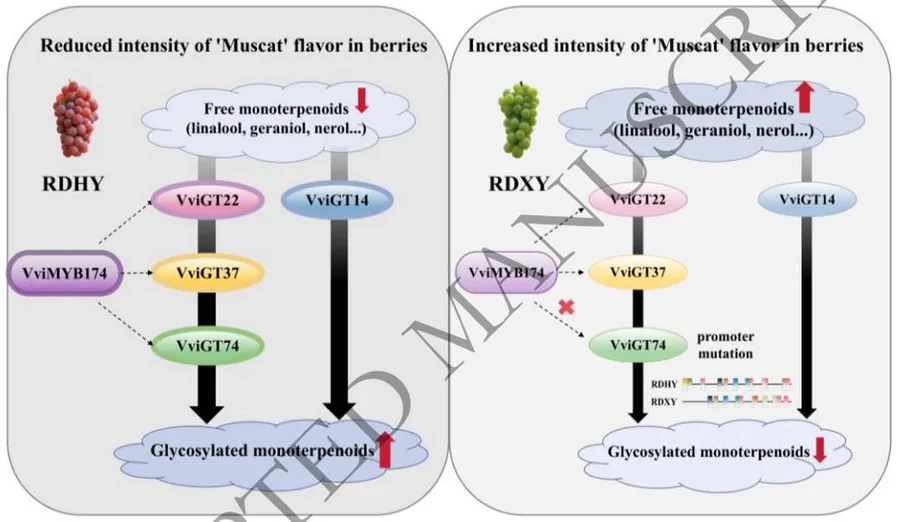
Grape aroma is shaped not only by the volatile compounds we can smell but also by their non volatile, sugar bound counterparts--flavour precursors locked away until fermentation releases them. Now, researchers have uncovered the genetic machinery that controls this hidden aroma reservoir in grapes.
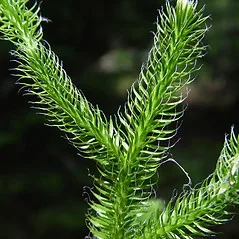
Common clubmoss is abundant in New England, and is known by many different common names, including running pine, staghorn, and wolf's claw clubmoss. It has been used to make wreaths and Christmas decorations. The spores have also been used as a powder for infants and to protect raw skin. Full profile for this plant
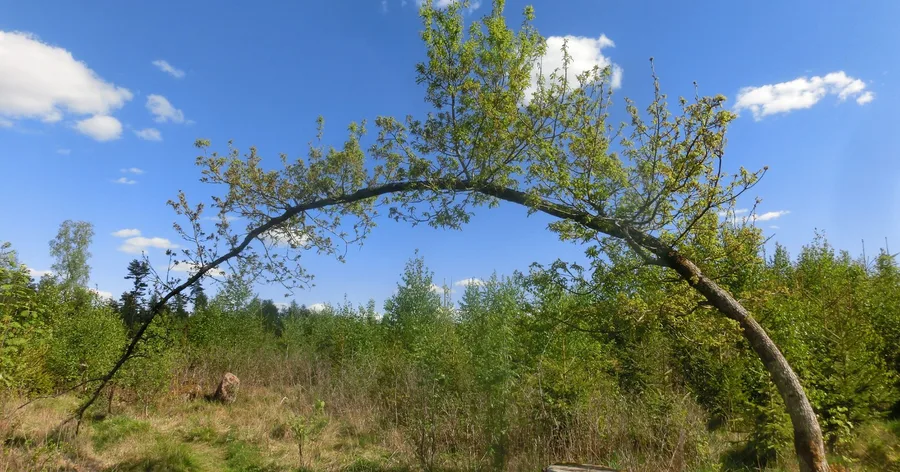
The authors say direct conclusive experimental evidence that a tree straightens itself by sensing its own bend had been lacking until now. Their result revises the textbook view of tension wood as a tissue that forms only on the upper side of a leaning trunk.
Scientific Reports, Published online: 07 September 2026; doi:10.1038/s41598-026-51201-x Disruption of plant cell division by methoxychalcones and cinnamaldehyde: insights into their herbicidal mode of action
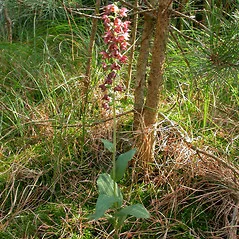
Broad-leaved helleborine is New England's only widespread non-native orchid. It was discovered in New York in 1879 and has become an aggressive weed in some areas. In its native Europe it is pollinated primarily by wasps. Full profile for this plant
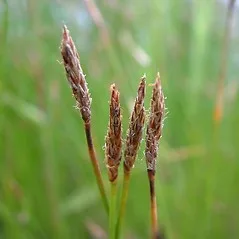
Red-footed spikesedge is found in lake and river shores and marshes. As the name suggests, the rhizomes, stolons, and leaf sheaths are tinted reddish. Full profile for this plant
BackgroundSchinusmolle L. (Anacardiaceae), the Andean “molle” or “mulli,” is among the longest-used trees of western South America. Despite more than 3 decades of pharmacological research, reports remain heterogeneous and no reproducible phytopharmaceutical candidate has emerged—an inconsistency that may arise less from insufficient experimentation than from the biological object never having bee…
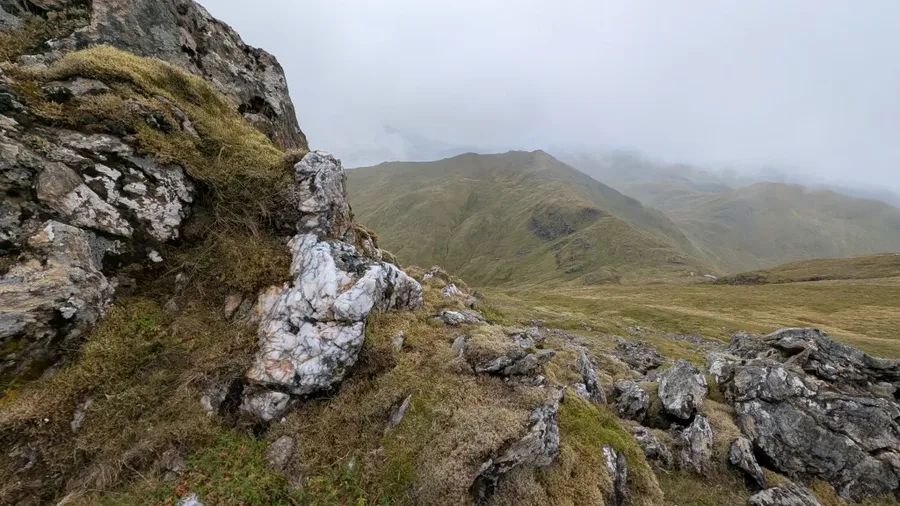
Part 2 of our botanical jaunt to Ben Lawers, featuring a clamber up Beinn Ghlas and eventually, Ben Lawers itself. The post Botanising Ben Lawers – Part 2 appeared first on James Common .
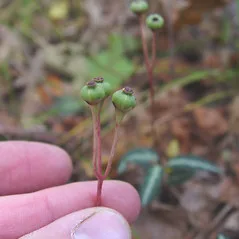
Spotted prince's-pine is a highly recognizable understory species having variegated leaves with pale green veins. It is endangered in Maine. Full profile for this plant
Scientists have discovered a strange black “devil flower” in Thailand that lives mostly underground, steals nutrients from fungi, and looks strikingly unlike a typical plant. The newly named Thismia daemona is known from fewer than 50 individuals and may already be critically endangered.
How I started working on ULTRAPETALA1, the subject of a recent paper revealing how it influences plant development. The post ULT1 and me appeared first on the Node .

 research.io