exoplanets

Knowridge Science Report

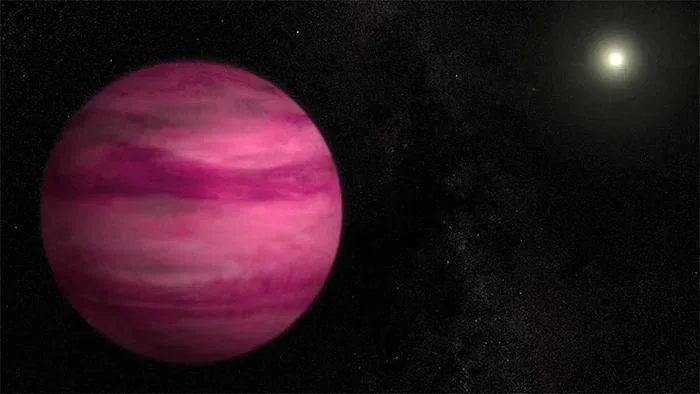
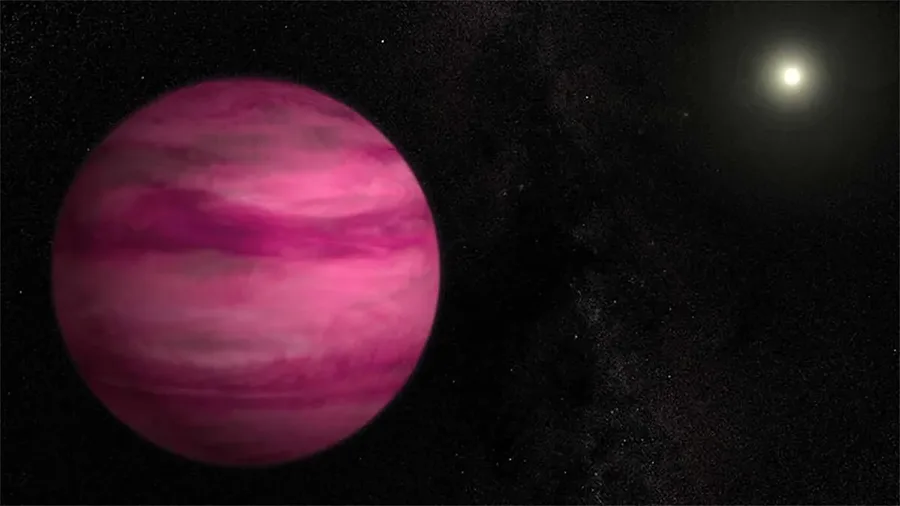
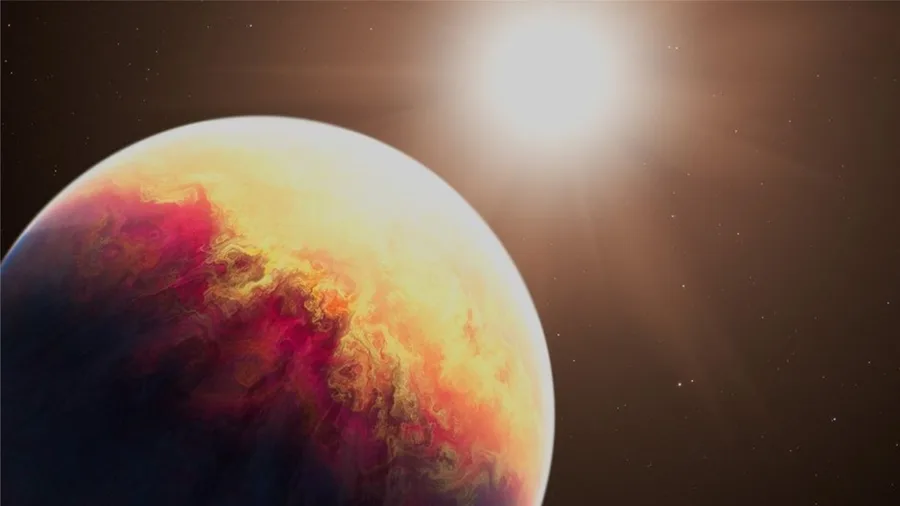
Astronomers have discovered an unexpected surprise on the famous “Pink Planet,” a strange world known as GJ504b. Using the powerful James Webb Space Telescope (JWST), scientists found that the object is surrounded by salty clouds and has an atmosphere filled with unusual chemicals. GJ504b was first discovered in 2013. It orbits a sun-like star about […] The post The universe’s famous ‘pink planet…

astronomyastrophysicsexoplanets
Universe Today
Andy Tomaswick (https://www.universetoday.com/authors/andy-tomaswick)
2d ago

Current plans for flagship telescopes in the 2040s are focused on answering a simple question - are we alone? Our best telescopes to date, such as the James Webb Space Telescope (JWST) have only given us tantalizing glimpses into the atmospheres or other worlds, but not enough to truly determine whether or not life as we know it exists there. Astronomers have been waiting for technology to catch …

astrobiologyastronomyexoplanetsspace-exploration
The Daily Galaxy –Great Discoveries Channel
ScienceBlog.com

For more than a decade, one of the strangest worlds in our cosmic neighborhood kept slipping out of reach. Astronomers had a picture of it, a faint rosy speck beside a sun-like star New! Sign up for our email newsletter on Substack. New! Sign up for our email newsletter on Substack. For more than a decade, one of the strangest worlds in our cosmic neighborhood kept slipping out of reach. Astronom…

astronomyastrophysicsexoplanets
Latest from Space.com
ZME Science
Scientific American
Latest from Space.com
NASA Science

Some stars have planets. Others are orbited by brown dwarfs, balls of gas too massive to be planets, but too low-mass to be stars. Astronomers love these brown dwarf-star pairs because being paired with a star helps reveal a brown dwarf’s age. Ages of astronomical objects are often hard to measure, but essential for understanding […] The post Search for Hidden Cosmic Companions in Sun’s Backyard …

astronomyastrophysicsexoplanets
Latest from Space.com

astrobites
Nature

Nature, Published online: 17 June 2026; doi:10.1038/s41586-026-10586-5 Analysis of long-term radial velocity data and transit time variations, induced by a super-Earth, a warm Jupiter and a brown dwarf in a coplanar orbit around the relatively young star TOI201.

astronomyastrophysicsexoplanets
Universe Today
Andy Tomaswick (https://www.universetoday.com/authors/andy-tomaswick)
4d ago

We’re still in the definition phase of the Habitable Worlds Observatory (HWO), but it seems like every week a new research group comes out with a paper helping to contribute to what is shaping up to be one of the most important space telescopes of the 2040s. A new paper from a team of researchers led by Daniel Jaffe of the University of Texas at Austin contributes to this ongoing definition work …

astronomyastrophysicsexoplanetsspace-exploration

Lifeboat News: The Blog
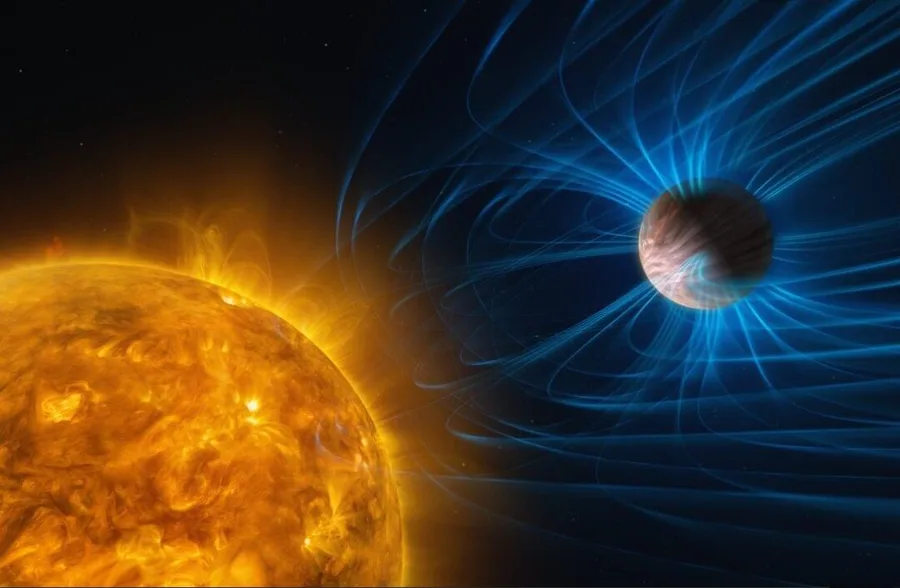
A team of astronomers has found the strongest evidence yet that some planets outside our solar system may be magnetic. Using the European Southern Observatory’s Very Large Telescope (ESO’s VLT) and the GeminiNorth telescope, the researchers measured wind speeds on seven very hot, Jupiter-like exoplanets. The observations reveal that the winds on these planets are […]

astronomyexoplanets
Universe Today
Laurence Tognetti·MSc (https://www.universetoday.com/authors/laurencetognetti)
5d ago

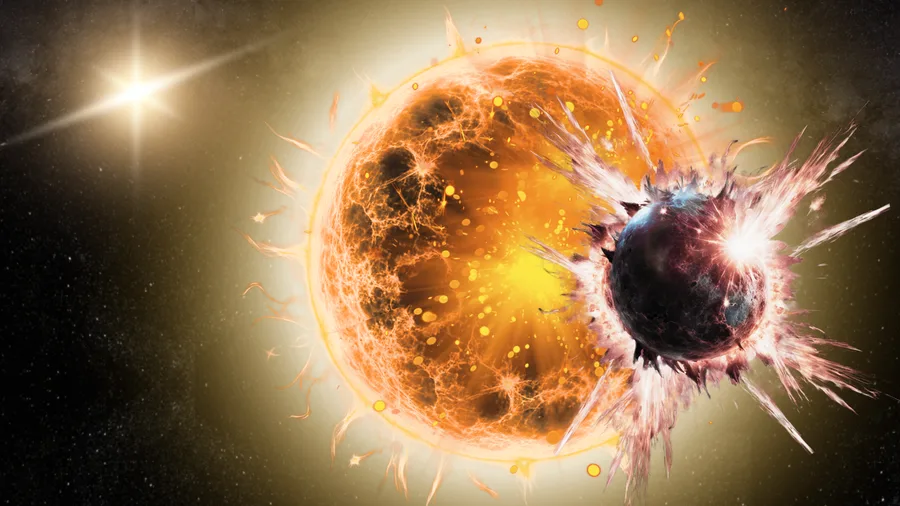
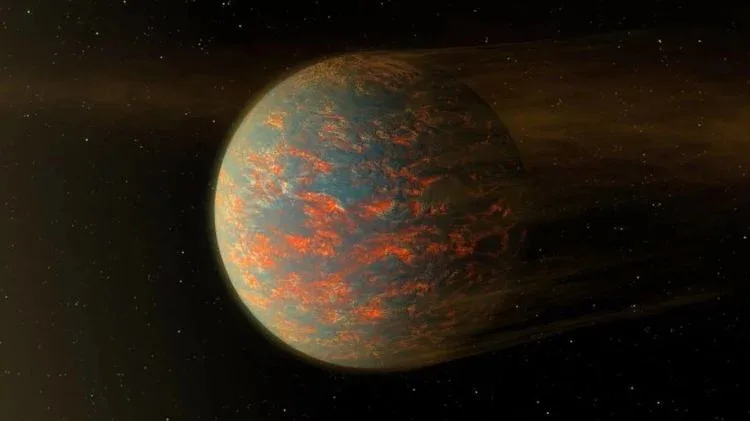
It’s 2158, and you’re chugging away on your PhD in Planetary Volcanology from the University of Utopia Planitia on Mars. Graduate students still get paid a sub-living wage, so you’ve been stuck eating freeze-dried ramen for the past three years. You’ve completed studying Jupiter’s moon, Io, but now you have to leave the solar system for a good exoplanet analog. While Io’s volcanism is caused by t…

astronomyexoplanetsplanetary-science
Newswise: Latest News
Space Telescope Science Institute (STScI)
5d ago

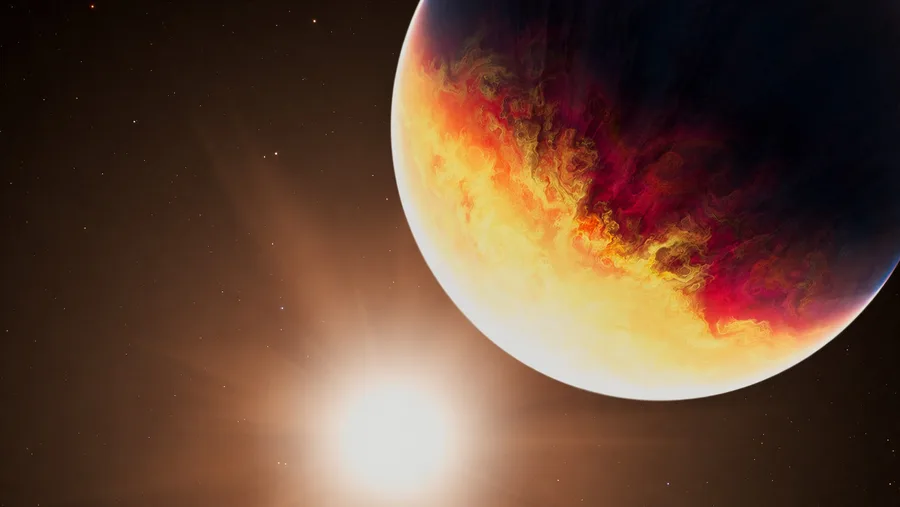
The extremely elliptical orbit of gas giant exoplanet HD 80606 b results in temperature swings of 1,100 degrees Fahrenheit (600 degrees Celsius) during the course of its 111-day trip around its Sun-like star. Scientists see the exoplanet's extreme conditions as an ideal opportunity to test current understanding of atmospheric radiation, dynamics, and chemistry. NASA's James Webb Space Telescope h…

astronomyastrophysicsexoplanets
NASA Science
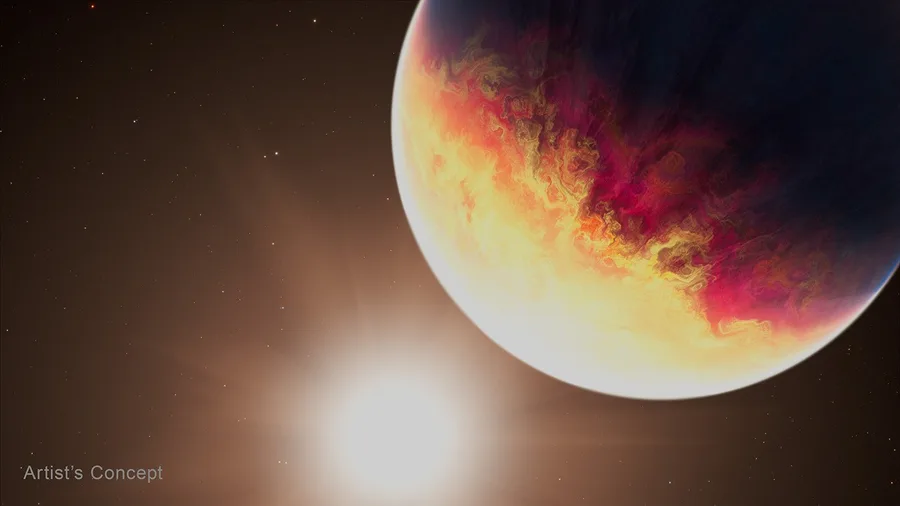
One well-done gas giant, coming right up! That’s the latest from researchers analyzing NASA’s James Webb Space Telescope’s observations of HD 80606 b, an exoplanet four times the mass of Jupiter with an extremely elliptical orbit that sweeps close by its Sun-like star. The research team is presenting their study and preliminary findings Tuesday at […] The post NASA’s Webb Catches Exoplanet Gettin…

astronomyastrophysicsexoplanets
The Daily Galaxy –Great Discoveries Channel
Eos

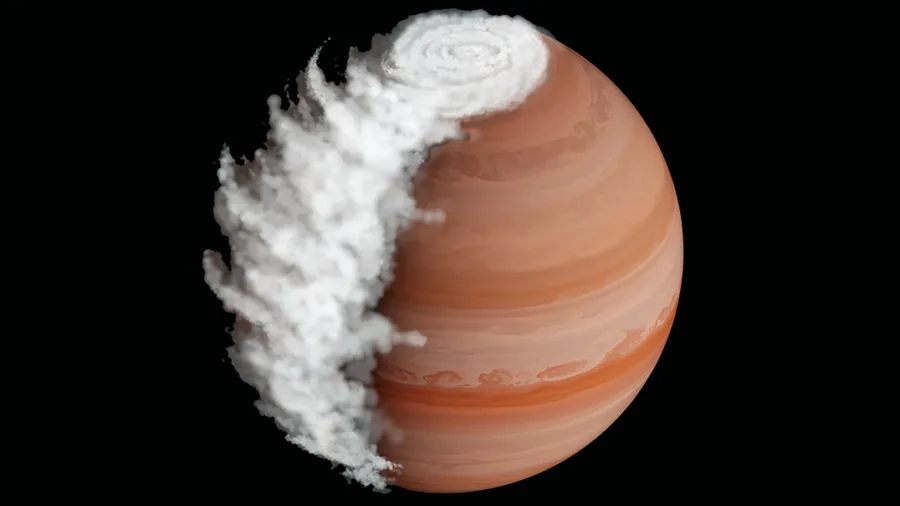
An artistic representation of WASP-94A b, a gas giant in the Microscopium constellation, shows how clouds build on the dark side of the planet and are blown to the dayside, where they dissipate. This leaves the morning edge of the planet, where the winds move from nightside to dayside, permanently overcast. Credit: Hannah Robbins/Johns Hopkins University

astronomyastrophysicsexoplanets
research.ioresearch.io

Sign up to keep scrolling

Create your feed subscriptions, save articles, keep scrolling.

Already have an account?