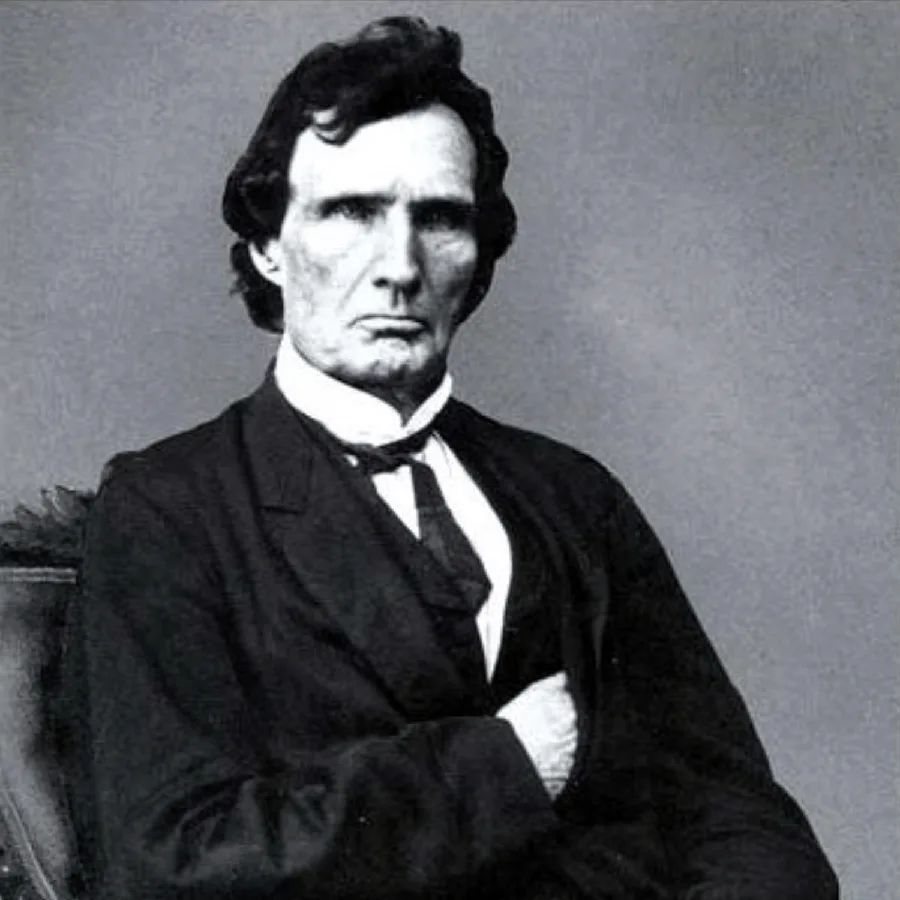
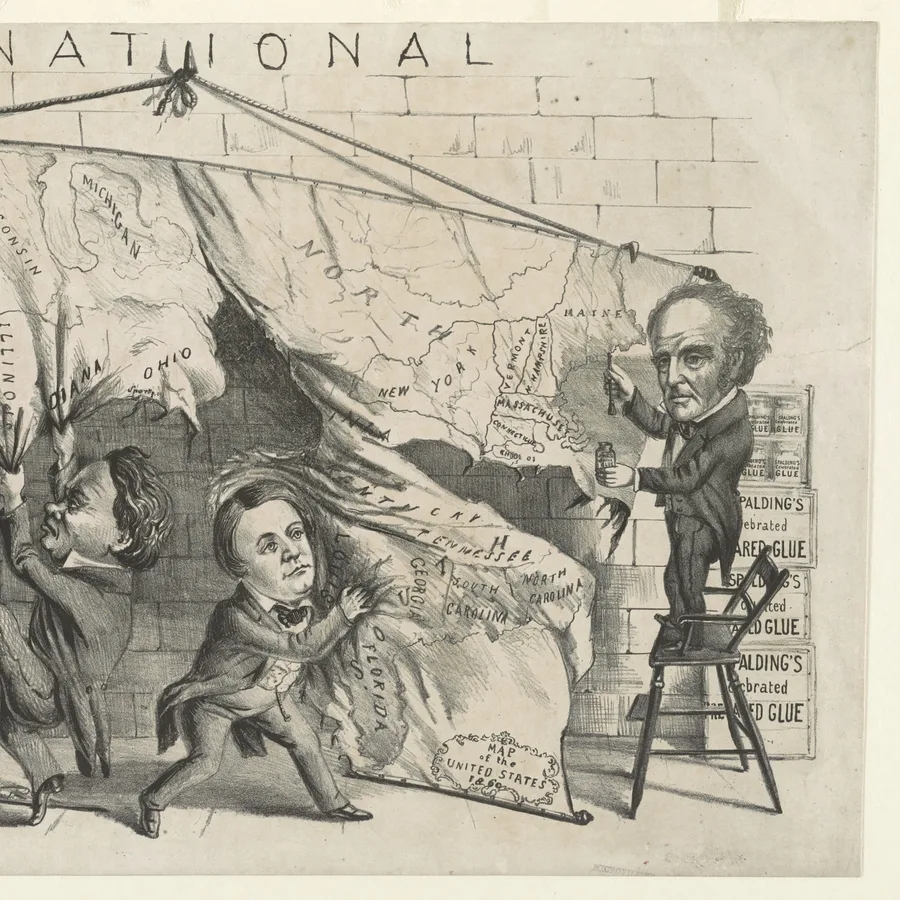
Thaddeus Stevens (1792-1868) was a US politician and abolitionist, who rose to prominence in the 1860s during the American Civil War and Reconstruction eras. A leader of the abolitionist wing of the Republican Party - known as the Radical Republicans - Stevens vigorously pushed for an end to slavery, using his forceful personality and scathing oratory to further his egalitarian agenda.
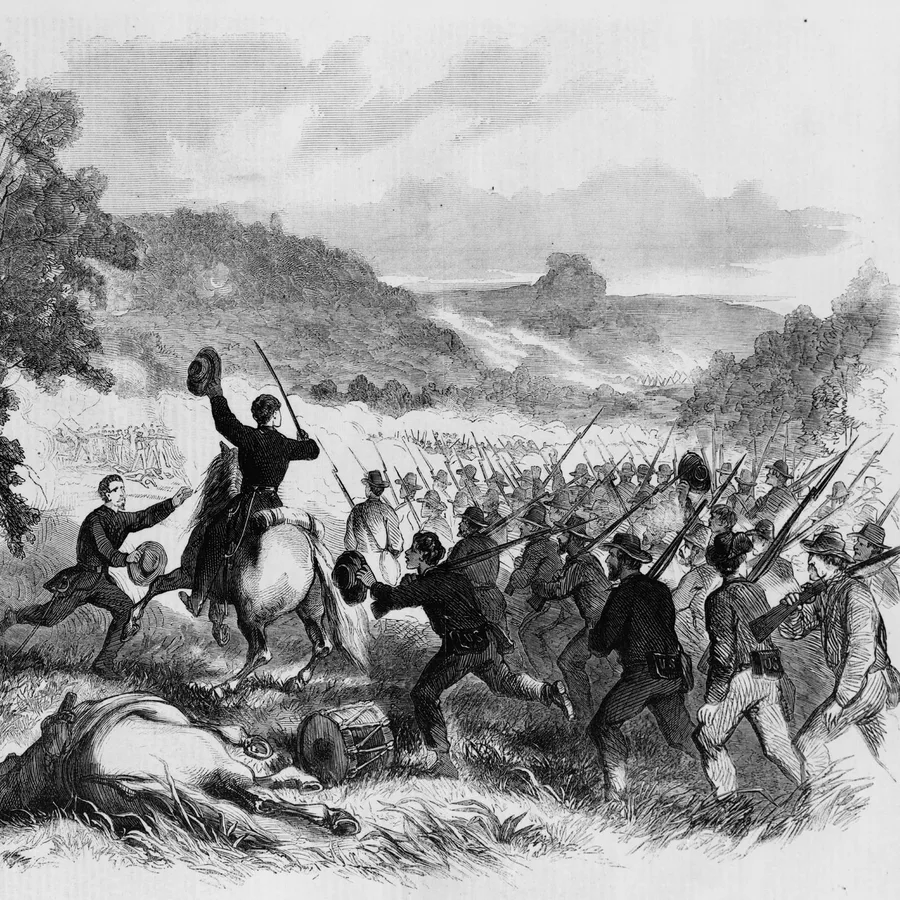
The Battle of Wilson's Creek (also known as the Battle of Oak Hills, 10 August 1861) was the second major battle of the American Civil War and the first major battle of the Western theater of the war. It was fought at Wilson's Creek near Springfield, Missouri. The engagement ended in a Confederate victory and Union troops retreating from the field. The Confederate forces were too worn out to purs…
Venice film festival: The Two Prosecutors director cuts together documentary footage shot by a TV crew in the 1970s to try and get across what daily life in the USSR was like Here is an archive-compilation documentary from Sergei Loznitsa, a hypnotic panorama of early 1970s life across the vast reaches of the Soviet Union, or maybe we should call it the Soviet empire. Loznitsa gives it the Latin …
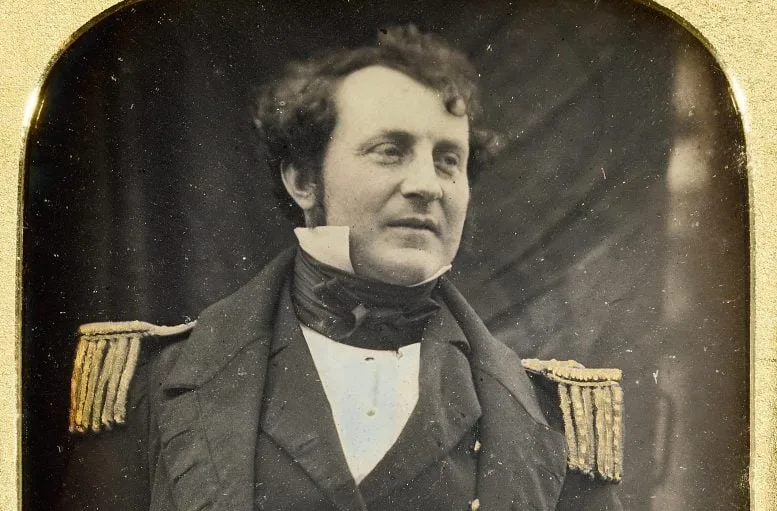
New research reveals more details about the doomed mission to find the Northwest Passage. Researchers have now identified four additional members of Sir John Franklin’s 1845 expedition, including one sailor whose identity had been debated for more than 100 years. The work was led by anthropologists in the Faculty of Arts at the University of [...]
Historians worthy of their craft must portray the past and present honestly, as accurately as possible, and ideally be unbiased. They should verify the truth of each subject to eliminate inaccuracies and establish the correct facts, or, at worst, as close to them as possible if no further research material is available. Unfortunately, this is not always the case, as there can be too many inconsis…
The Pacific War (1941-45) was the theatre of the Second World War that saw Imperial Japan and the United States, with its allies, fight for control of various island archipelagos from the Solomon Islands in the south to the Ryukyu Islands in the north. In this article, the experiences of those directly involved in the air, land, and sea battles are presented.
The Election of 1860 was one of the most consequential elections in US history. It came at a time when the nation was deeply polarized, divided over the issue of slavery; indeed, the election was seen by many as a referendum on the future of slavery itself. Abraham Lincoln, the candidate of the antislavery Republican Party, seemed a beacon of hope to abolitionists and the enslaved, but he was dee…
Fakers: A Top-Secret Tale of Phantoms and Forgeries on the Disinformation Front Line by Rory Cormac brings Britain’s shadowy Information Research Department into the light.
In 1977 David Owen, then foreign secretary, closed the Information Research Department (IRD). He wanted, he said, to ‘end the grey area, which for far too long escaped proper scrutiny, falling neither in the open area of diplo…
_ФИЛОСОФИЯ НАУКИ_. forthcomingThis review essay examines Christoph Mick's "Lemberg, Lwów, L'viv, 1914–1947: Violence and Ethnicity in a Contested City" (Purdue University Press, 2015), a study of how a city that in 1914 was half Roman Catholic, 28 percent Jewish and 18 percent Greek Catholic had become an almost homogeneously Ukrainian city by 1947, with some 80 percent of its inhabitants arrivin…
Tl;dr — A fantastic read with a novel perspective through the stories of a diverse westerners in the 19th century. A must read for history lovers, and those interested in fresh perspectives on US history.
There is a simple history of American western expansion, one that permeates national history and K12 history lessons. It’s one of manifest destiny, wherein Americans courageously marched westwar…
For a generation of college students, 9/11 is history rather than memory. As the 25th anniversary of the Sept. 11, 2001, terrorist attacks approaches, most of today's college students were not yet born when hijacked planes struck the World Trade Center and the Pentagon and a fourth crashed in Pennsylvania. At Florida State University, Professor of History Paul Renfro is helping students understan…
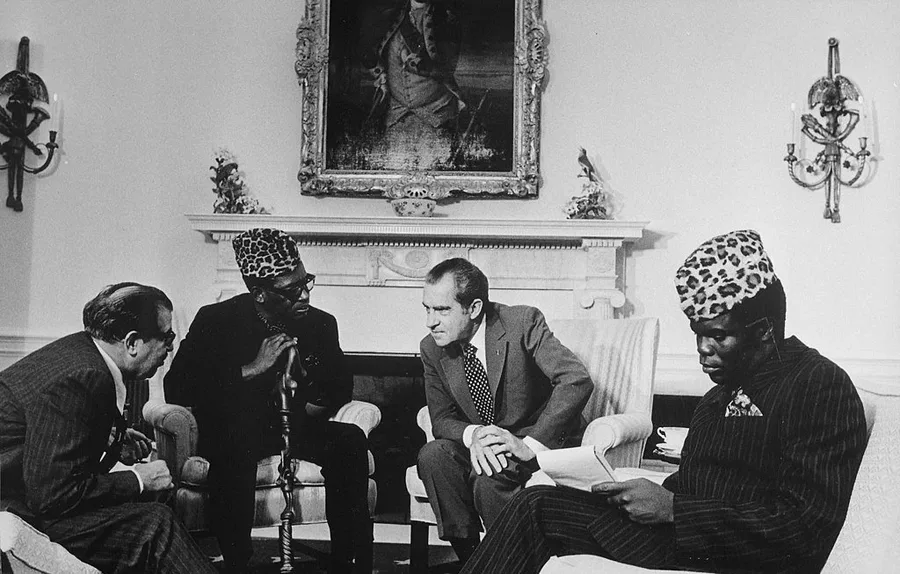
Africa held an important place in the Cold War. Hardly had the nations there freed themselves from colonial bondage than they were suddenly made into a battlefield. It was here that the United States and Russia, who did not dare fight on a Europe that had already shed so much blood, fought for supremacy. The Soviet Union tried to appeal to Africans as fellow revolutionaries and paraded capitalism…
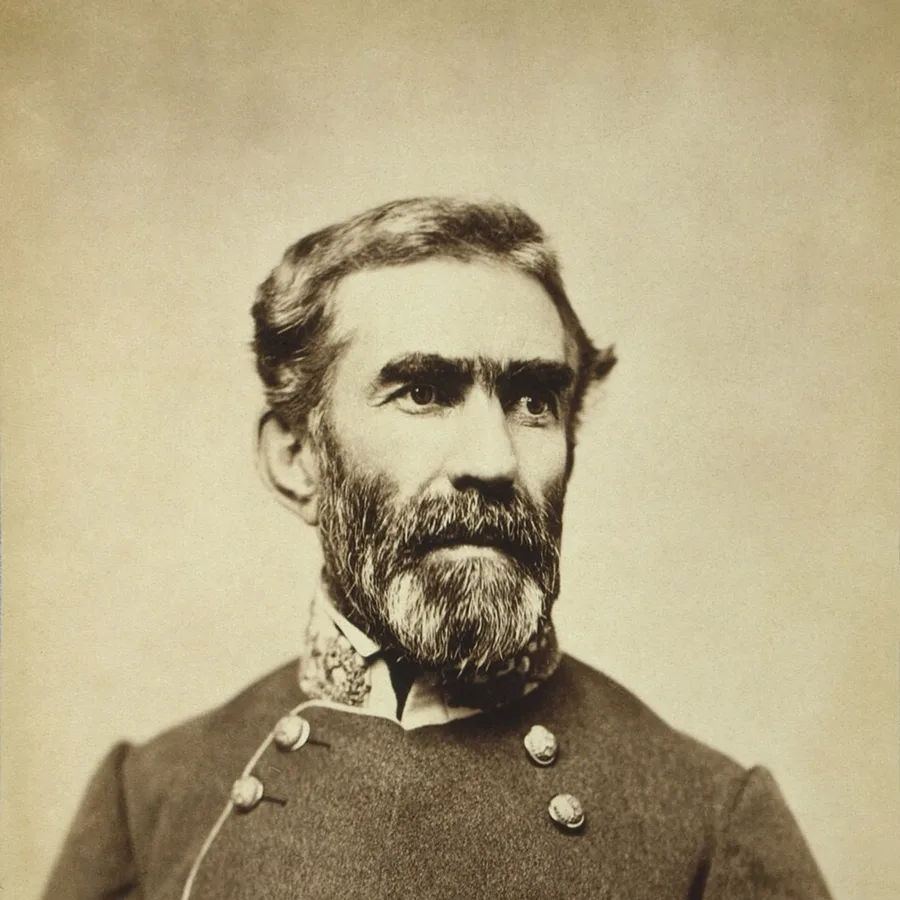
Braxton Bragg was a Confederate general from North Carolina, who led the Army of Tennessee in the American Civil War. A strict disciplinarian with a prickly temper, he was despised by his men - indeed, Private Sam Watkins once wrote that "not a single soldier in the army ever loved or respected him". He was also hated by his subordinate generals and corps commanders, who often tried to get him fi…
How does a ruler implement state-building at the local level? This paper examines state-building in late 16th-century Japan by focusing on Toyotomi Hideyoshi’s land surveys, which were crucial for establishing a centralized regime. We argue that Hideyoshi strengthened control over the locality via land surveys as a strategic response to the perceived threats emanating from Catholic missionaries. …
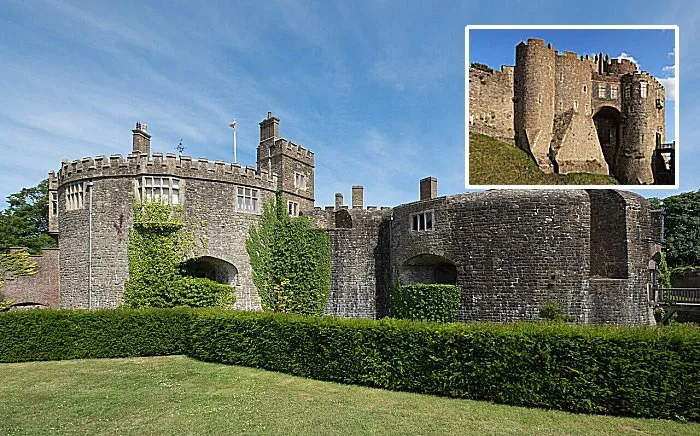
Conny Waters - AncientPages.com - New research by Dr Christopher Moore, a Research Fellow and former PhD student at the University of Kent, revealed evidence indicating that stone from Henry VIII’s long-lost Sandown Castle was reused in the Victorian extension at Constable’s Gate, Dover Castle. Dover Castle, Kent, UK. Constable's Gate. Image credit: Michael Coppins - […]
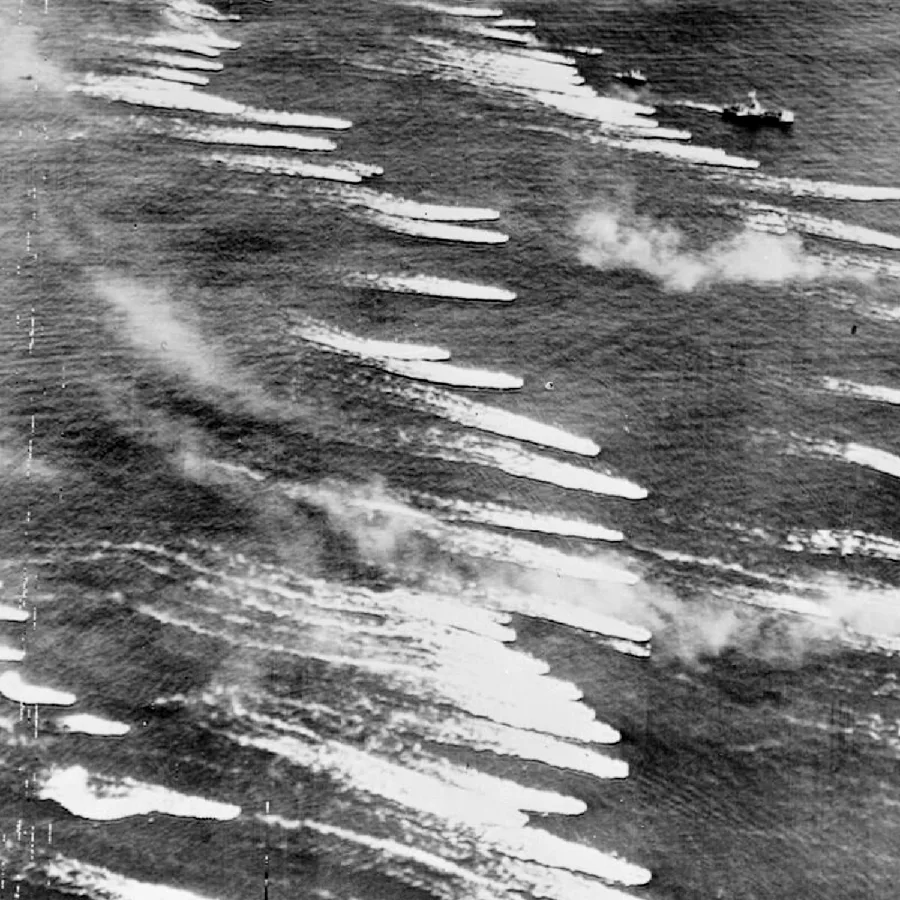
The Battle of Guam, in the Mariana Islands, took place in July and August 1944 during the Pacific War of the Second World War (1939-45). Guam had been US territory prior to the conflict but was occupied by the Japanese military in 1941. A massive US naval bombardment and amphibious assault eventually cleared the island of the Japanese occupiers but at the cost of around 1,700 US lives. Guam becam…
It’s ‘plausible’, though more likely the Humberside resident was one of many immigrants to Viking-controlled Danelaw One of the most consequential showdowns in the history of the British Isles, the Battle of Hastings is seen as the foundational event of the Anglo-Saxons’ conquest by their Norman enemy across the Channel. But researchers who have put flesh on the bones of one man who lived through…





 research.io