neurobiology

Latest Science News -- ScienceDaily

As newborn neurons make their way through the developing brain, they must squeeze through incredibly tight spaces to reach their final destinations. Researchers discovered that this physical journey routinely causes some of the most severe forms of DNA damage—double-strand breaks—yet the young brain has evolved an impressive ability to repair the damage almost immediately.

biologycell-biologyneurobiology
Lifeboat News: The Blog

Scientific Reports
Lifeboat News: The Blog

Cells have surface receptors that couple to proteins and other molecules to initiate or inhibit certain behaviors. Typically, the number of these receptors increases as the cell matures, but researchers have now identified that one receptor influences cell behavior much earlier than previously thought and appears to help trigger the cell differentiation process to form […]

biologycell-biologyneurobiology
Lifeboat News: The Blog

Thomas M. Jessel, Howard Hughes Medical Institute Investigator, explores the human brain, the sophisticated product of 500 million years of vertebrate evolution, assembled during just nine months of embryonic development. The functions encoded by its trillion nerve cells direct all human behavior. Yet the brain is a biological organ made from the same building blocks […]

biologydevelopmental-biologyneurobiology

Nature

Nature, Published online: 17 June 2026; doi:10.1038/s41586-026-10648-8 The migration of neurons in developing cerebral and cerebellar cortices is accompanied by massive DNA double-strand breaks due to mechanostress during passage through narrow interstitial spaces.

biologycell-biologyneurobiology
Frontiers in Pharmacology | New and Recent Articles

IntroductionAmyloid-β (Aβ) accumulation is a central pathological feature of Alzheimer’s disease (AD) and a major driver of disease progression. Recent evidence suggests that carbonyl stress associated with Aβ plays a critical role in AD pathology by promoting neuroinflammation and neuronal damage. In particular, methylglyoxal (MGO), a highly reactive carbonyl compound, contributes to activation …

biochemistrybiologyneurobiology
Biological sciences : Scientific Reports subject feeds
ScienceBlog.com

Inside the egg, the chick can see nothing. It is folded tight against the shell, blind and deaf for most of its development, sealed off from the desert glare and the colony’s racket. And yet, somehow, in the final days before it breaks out, it is listening. A fast, high, stuttering song presses through the shell, repeated over and over by the parent crouched on top of New! Sign up for our email n…

biologydevelopmental-biologyneurobiology
SciTechDaily
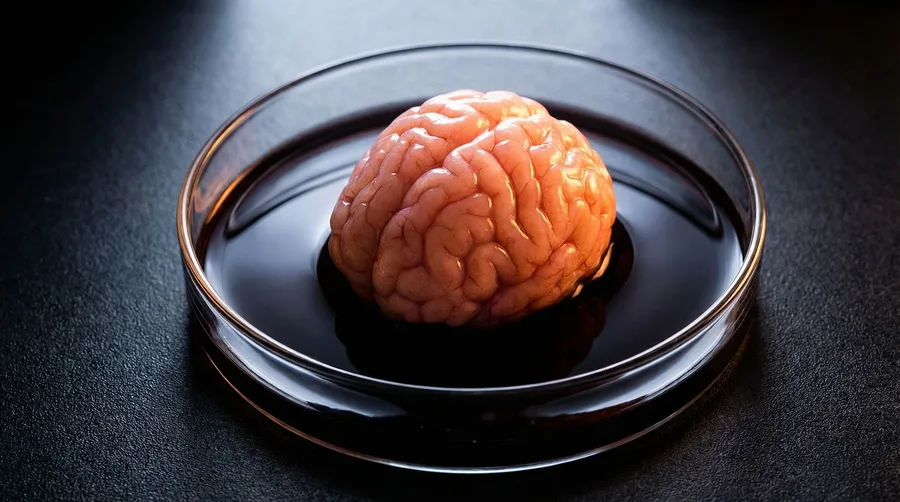
Tiny lab-grown brain models and the particles they release may reveal hidden differences among Alzheimer’s patients. Personalized treatment remains one of the biggest challenges in Alzheimer’s disease. Two patients can receive the same medication for symptoms such as depression, anxiety, or agitation and experience very different outcomes, leaving doctors with few ways to predict who [...]

alzheimer-s-diseasebiologyneurobiologystructural-biology
Scientific American
Nature

Nature, Published online: 10 June 2026; doi:10.1038/s41586-026-10661-x Structures of the distinct binding poses of three agonistic peptide toxins—bullet-ant-derived toxin δ-paraponeritoxin-Pc1a, cone snail ι-conotoxin RXIA and the globular β-scorpion toxin Cn2—on the human Nav1.6–β1 channel complex illustrate a diversity in binding poses and mechanisms of action.

biologyneurobiologystructural-biology
Nature Communications
Frontiers in Psychiatry | New and Recent Articles

BackgroundPrenatal stress (PS) is a major risk factor for depression later in life, yet the cellular mechanisms linking early-life adversity to long-term affective vulnerability remain incompletely understood. Neuropeptide receptors have emerged as important modulators of stress-related psychopathology, but their roles in mitochondrial regulation within limbic circuits remain largely unexplored.M…

depressionneurobiologyneurosciencepsychologystress
Frontiers in Psychiatry | New and Recent Articles

Depressive disorders are highly heterogeneous syndromes characterized not only by depressed mood but also by cognitive impairment, sleep–circadian rhythm disturbances, altered appetite, somatic discomfort, and metabolic or gastrointestinal comorbidities. In recent years, the microbiota–gut–brain axis (MGBA) has been increasingly recognized as an integrative biological framework linking abnormalit…

biologydepressionmicrobiologyneurobiologypsychology
Nature Communications
Scientific Reports
Nature Communications

Nature Communications, Published online: 05 June 2026; doi:10.1038/s41467-026-73858-8 In this study, the authors identify an avian pegivirus that is associated with brain inflammation in red-legged partridges and using experimental infection in different avian species they demonstrate viral neurotropism, revealing a potential role of pegiviruses in neurological disease.

biologyneurobiologyvirology
Newswise: Latest News

research.ioresearch.io

Sign up to keep scrolling

Create your feed subscriptions, save articles, keep scrolling.

Already have an account?