Blog
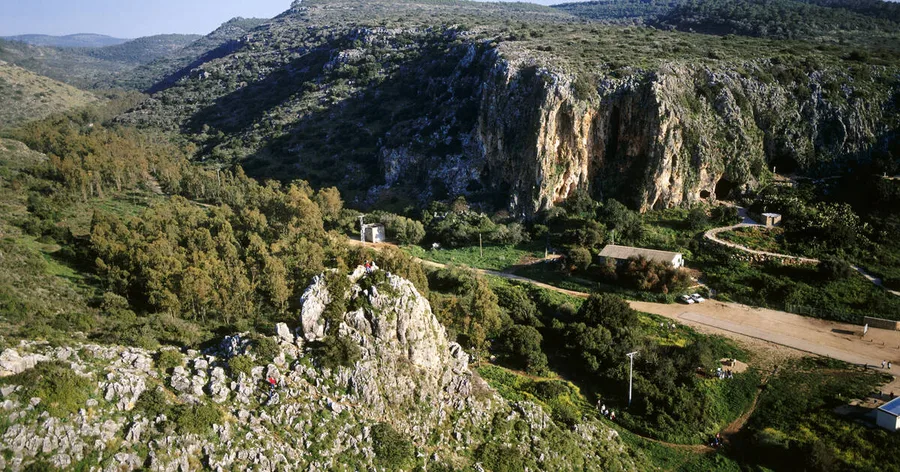
Note: The user query references "Xebara Cave," a common typographic variant for Kebara Cave ($\text{\textit{Me'arat Kebbara}}$) on Mount Carmel, Israel. This site houses the definitive anatomical evidence regarding the long-debated question of Neanderthal linguistic and vocal capabilities. For over a century, linguists and evolutionary biologists asserted that even if Neanderthals possessed compl…

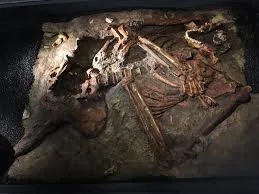
Nestled within the rugged Zagros Mountains of Iraqi Kurdistan, Shanidar Cave is the emotional ground zero of Neanderthal behavioral research. Excavated by Ralph Solecki in the 1950s, the site recovered nine Neanderthal skeletons buried within deep layers of cave silt. It was Shanidar 4 , an adult male dating to roughly 60,000 years ago , that forever humanized the Neanderthals, challenging the de…
If Skhul Cave represents a fleeting evolutionary snapshot, Tabun Cave —located just a few hundred meters away—is a monumental, deep-time calendar of human prehistory. Excavated initially by Dorothy Garrod between 1929 and 1934, Tabun features one of the longest, most uninterrupted stratigraphic sequences in the entire world, preserving a 500,000-year record of shifting climates, changing human sp…
During the 1930s, excavations at Skhul Cave , situated on the slopes of Mount Carmel, Israel, unearthed a spectacular series of ten hominin skeletons dating to approximately 100,000 to 130,000 years ago . When physical anthropologists first analyzed these remains alongside those from neighboring caves, they were confronted with a baffling anatomical enigma. The Skhul fossils displayed a bizarre, …
The narrative of early Homo sapiens migrating out of Africa was long thought to be a rapid, uncontested expansion that occurred around 60,000 years ago, quickly overwhelming the Neanderthal populations of Eurasia. However, the deep-layer excavations at Qafzeh Cave , located outside Nazareth in lower Galilee, Israel, radically revised this paradigm. The site yielded the remains of at least 15 dist…
In the Western Cape of South Africa, the rock shelter of Diepkloof has revealed one of the world's oldest, most expansive, and continuous traditions of graphic communication. Associated with the Howiesons Poort lithic industry dating back between 55,000 and 65,000 years ago , excavations recovered thousands of fragments of thick, mineralized ostrich eggshells ( Struthio camelus ) . Crucially, the…
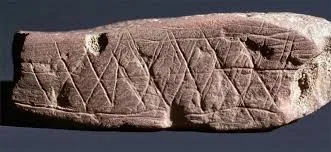
Perched along the wave-cut cliffs of the southern Cape coast of South Africa, Blombos Cave houses the definitive material record of the birth of human symbolic thought. For generations, Eurocentric paradigms asserted that advanced human cognition, art, and abstract expression emerged suddenly in Europe around 400,000 years ago during the Upper Paleolithic (as seen in Chauvet and Lascaux caves). B…

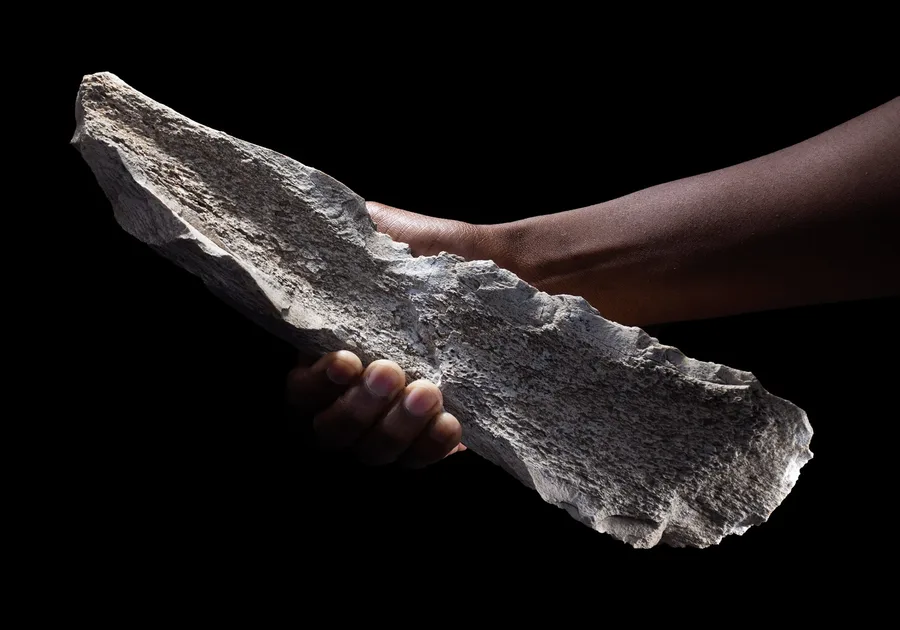
Olduvai Gorge in northern Tanzania is universally recognized as the crucible of East African paleoanthropology, immortalized by Mary and Louis Leakey’s pioneering discoveries of Paranthropus boisei and Homo habilis in the mid-20th century. Decades after the initial trenches were backfilled, the Leakey lineage and global research collectives returned to the gorge. The 2026 reexcavation sweeps —lev…
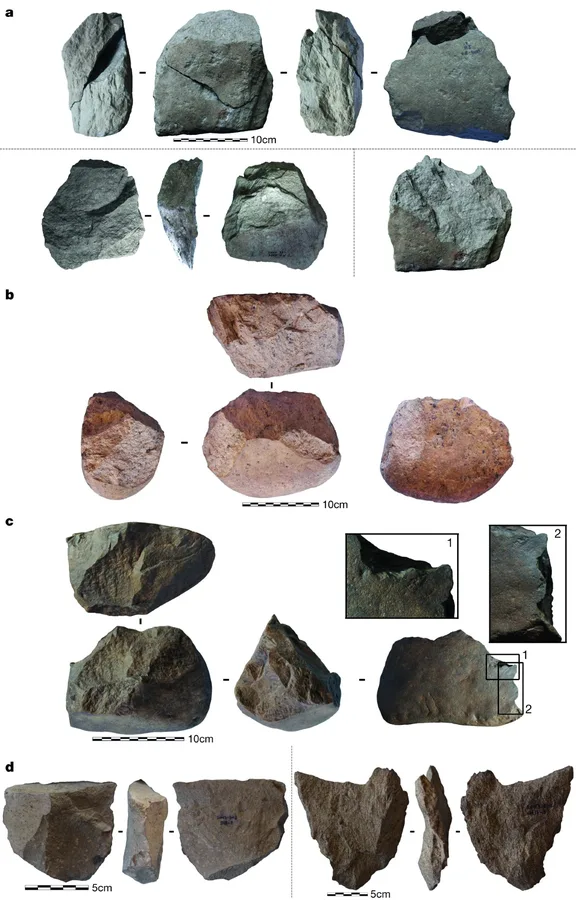
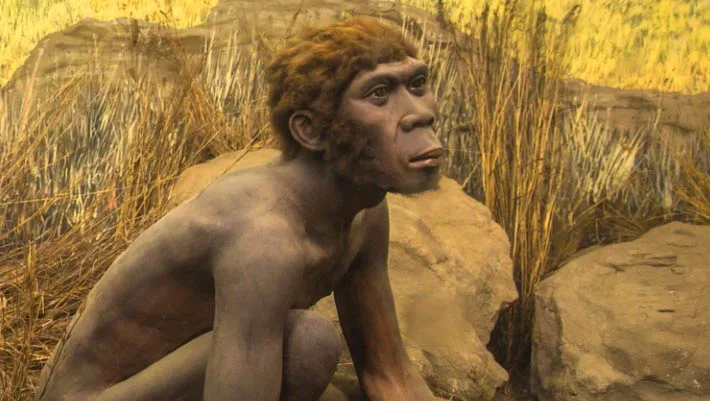
For more than half a century, a core pillar of paleoanthropology was the "Man the Toolmaker" paradigm—the absolute conceptual link between the emergence of our genus, Homo , and the dawn of intentional stone tool technology. This milestone was traditionally anchored to the Oldowan Industrial Complex , which dates back to roughly 2.6 million years ago. However, the accidental discovery of Lomekwi …
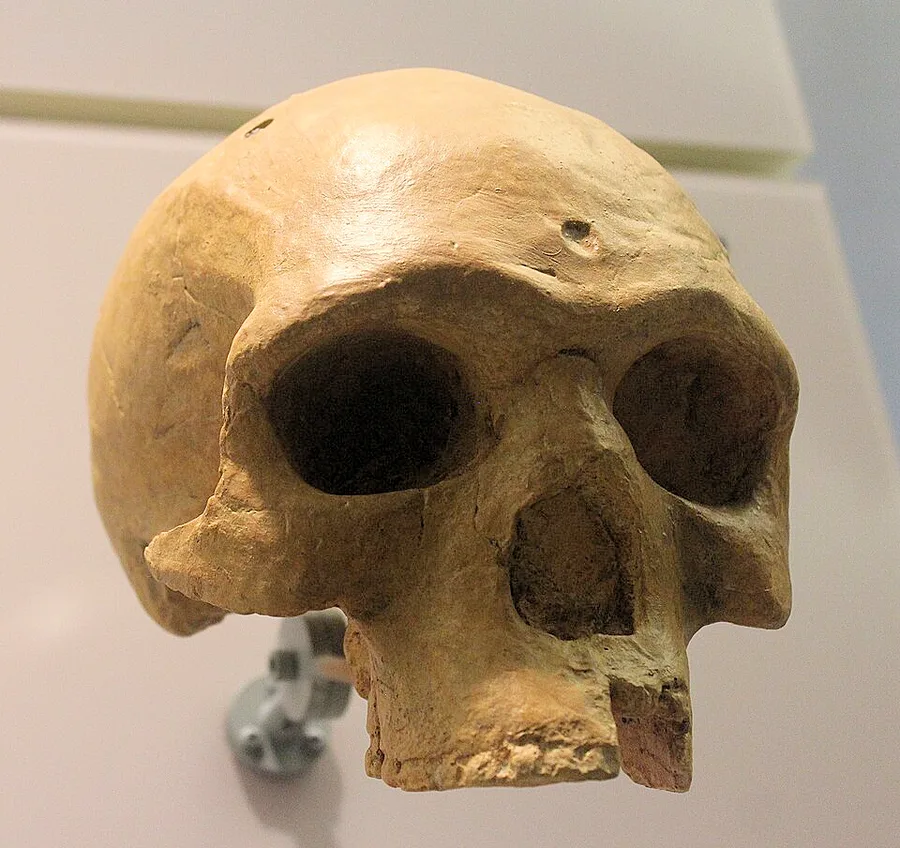
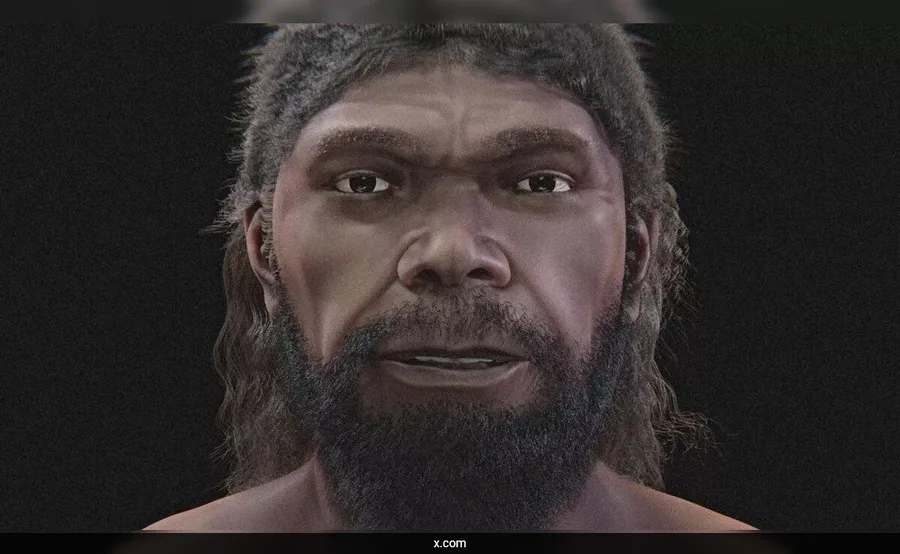
Nestled within the limestone cliffs of the Chalkidiki peninsula in northeastern Greece, Petralona Cave houses one of the most enigmatic, complete, and intensely debated hominin fossils in European history. Discovered in 1960 by local villagers encrusted in a thick layer of glittering stalagmitic travertine, the Petralona Cranium represents a magnificent, pristine look at the mid-Pleistocene colon…

Discovered in 1932 by T.F. Dreyer at the Florisbad thermal spring site in the Free State Province, South Africa, the Florisbad Skull (cataloged as Florisbad 1 ) is an indispensable, highly controversial fossil puzzle piece. Consisting of a partial cranium featuring a remarkably well-preserved right face, an extensive frontal bone, and segments of the braincase walls, this fossil exhibits a classi…
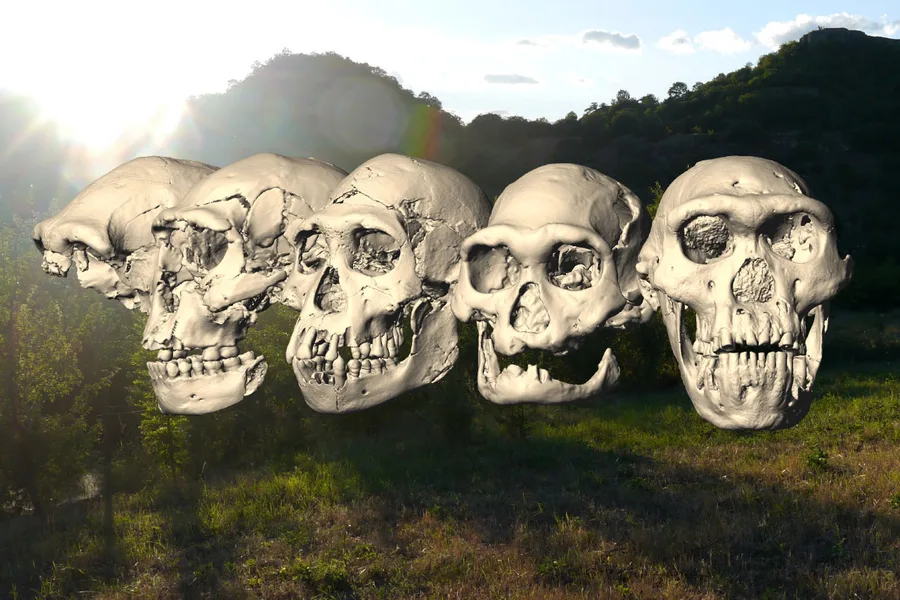
Situated on a high, wind-swept volcanic promontory in southern Georgia, the site of Dmanisi stands as the absolute foundational gateway of the human diaspora out of Africa. Excavations at the site recovered a flawless taphonomic sample: five extraordinarily well-preserved hominin skulls, complete postcranial skeletons, primitive stone tools, and thousands of extinct animal bones, all securely sea…
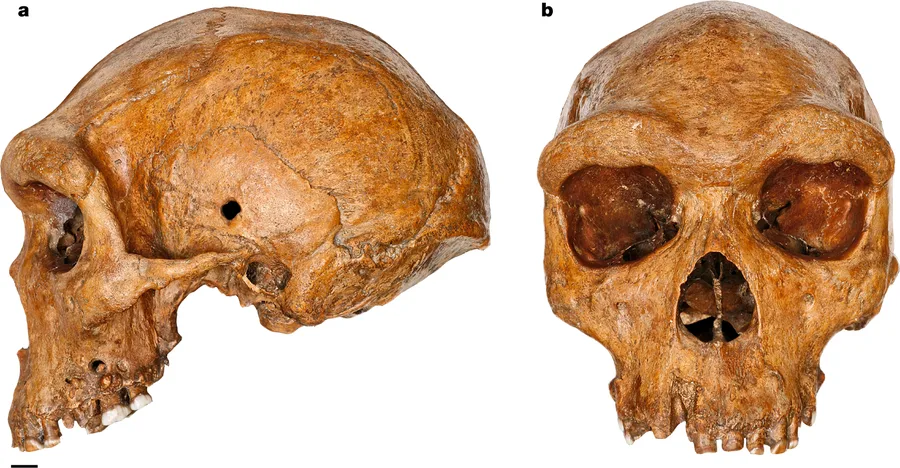
Discovered accidentally in 1921 during zinc mining operations in Kabwe, Zambia, the Broken Hill Skull (cataloged as Kabwe 1 ) is one of the most magnificent, intimidating, and structurally complete fossil craniums ever recovered from the African Middle Pleistocene. Initially classified speculatively as Homo rhodesiensis , this massive skull is now widely recognized as a classic, hyper-robust repr…
Jebel Irhoud: Morocco's 300,000-Year-Old Modern Face For decades, the textbook narrative of human evolution placed the cradle of anatomically modern Homo sapiens firmly in East Africa (specifically Ethiopia) around 200,000 years ago. However, groundbreaking multi-disciplinary excavations at the desert site of Jebel Irhoud , located just 100 kilometers western of Marrakesh, Morocco, completely sha…
In 2019, an international team of scientists led by Dr. Armand Salvador Mijares made an announcement that permanently shattered the long-held paradigm of Southeast Asian paleoanthropology: the discovery of a completely new species of ancient human named Homo luzonensis . Unearthed deep within the stratigraphic layers of Callao Cave on the northern island of Luzon in the Philippines, these fossils…
Deep in the Altai Mountains of Siberia, Denisova Cave has earned a legendary status as the ultimate chronological crucible of human evolution. In 2010, the Max Planck Institute for Evolutionary Anthropology shocked the scientific world by extracting DNA from a tiny finger bone, revealing an entirely new, distinct branch of the human family tree: the Denisovans . However, subsequent deep-layer exc…
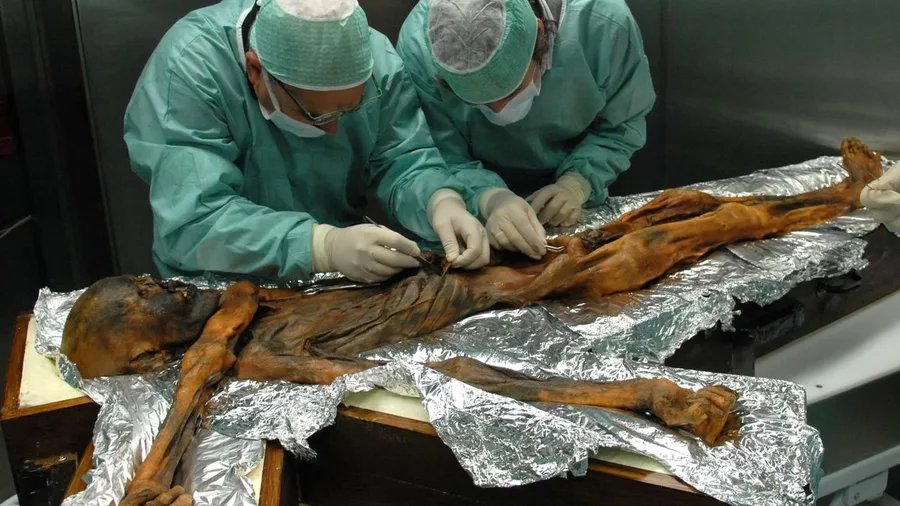
When Ötzi the Iceman —a beautifully preserved 5,300-year-old glacier mummy—was discovered sticking out of the alpine ice on the Austro-Italian border in 1991, he became an instant scientific sensation. For decades, researchers subjected his hair, clothes, and bones to exhaustive analysis. However, a major anatomical mystery remained: his actual stomach appeared to be missing on early CT scans. It…
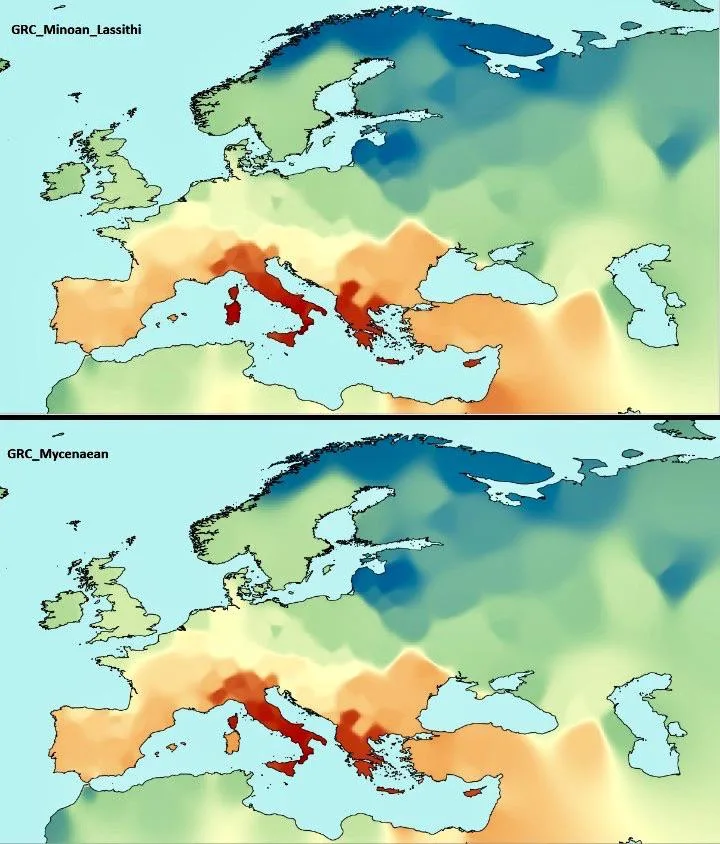
For over a century, the origins of the Bronze Age Minoan civilization (c. 2600–1100 BCE) on the island of Crete were shrouded in intense archaeological controversy. Sir Arthur Evans, the British archaeologist who unearthed the magnificent Palace of Knossos, famously hypothesized that the Minoans were a displaced, elite elite population from North Africa or the Middle East, arguing that their high…
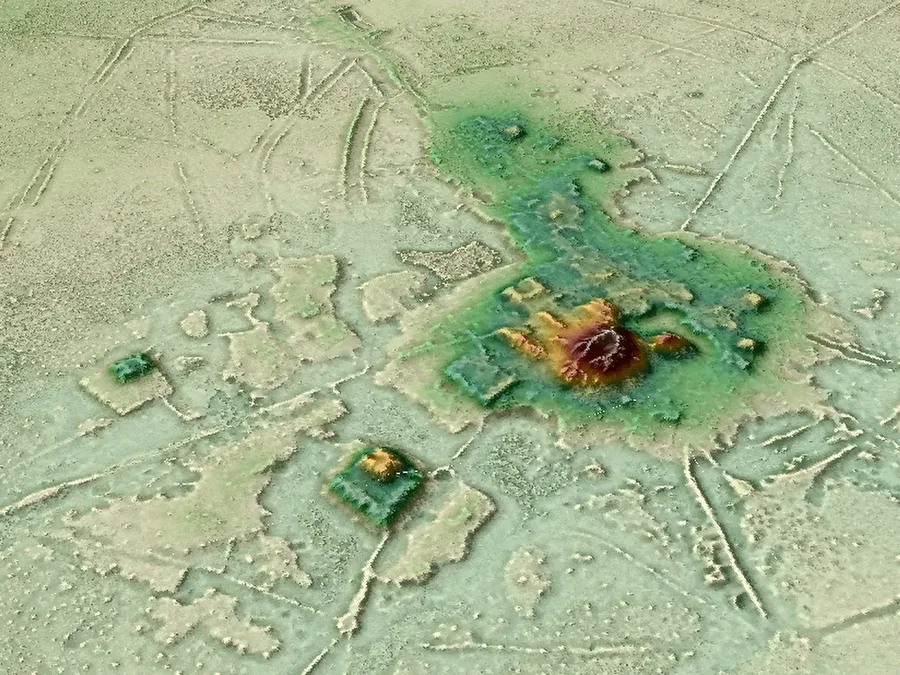
2026 AI Scans: Rediscovering Amazon's Lost Geoglyphs For decades, the dense, multi-tiered canopy of the Amazon rainforest acted as an impenetrable green wall, concealing the monumental earthworks of a highly advanced, pre-Columbian civilization. Historically, discovering these ancient earthworks required sheer luck, visual scouting following clear-cutting, or localized, expensive airborne radar s…
research.ioSign up to keep scrolling
Create your feed subscriptions, save articles, keep scrolling.