Latest from Space.com
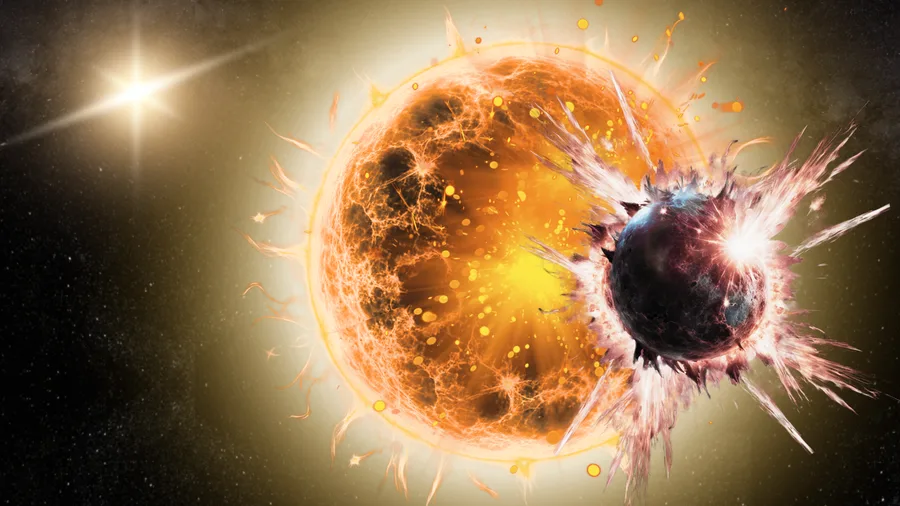
Astronomers have discovered chemical differences between binary stars that indicate one has devoured at least one planet.

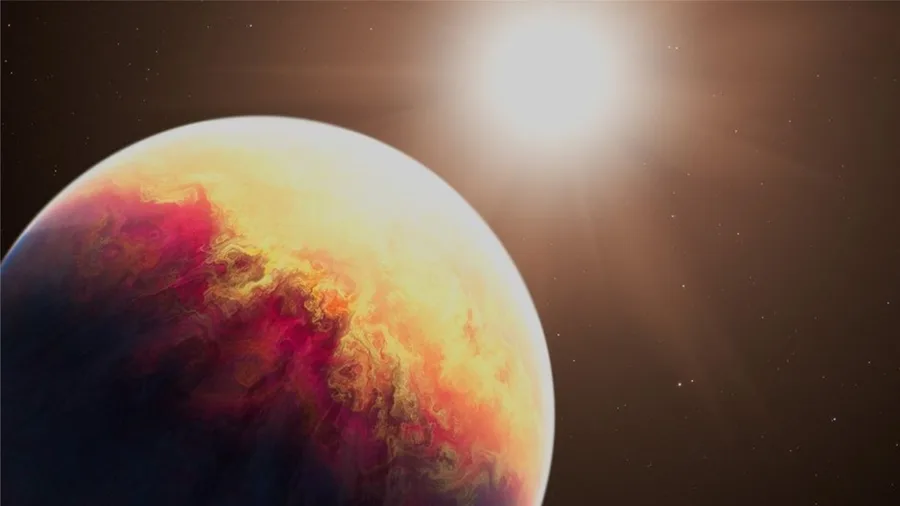
Who ordered the roasted exoplanet? Astronomers using the James Webb Space Telescope found a world that really puts the "hot" in "Hot Jupiter."

With its latest major update, Digital Extremes makes space for old mechanics and new ideas in the cosmos.
From 'Battlestar Galactica' and 'Lost,' to 'Fringe' and 'Invader Zim,' this all-star roster of sci-fi programming will have you revisiting all these sensational series.

Can't wait for Season 3 of Silo? Watch this post-apocalyptic smash wherever you are and stay safe online with this superb ProtonVPN deal.

"We could already see changes in the jet, but never with this level of detail in X-rays."

"With its unprecedented observational quality, JWST gives us the most detailed glimpses into distant planets to date."
Scientists think a new framework for quantum gravity could offer clues about a mysterious 5th fundamental force of nature.
Here's where and when to see the 'ring of fire' annular solar eclipse on Feb. 6, 2027

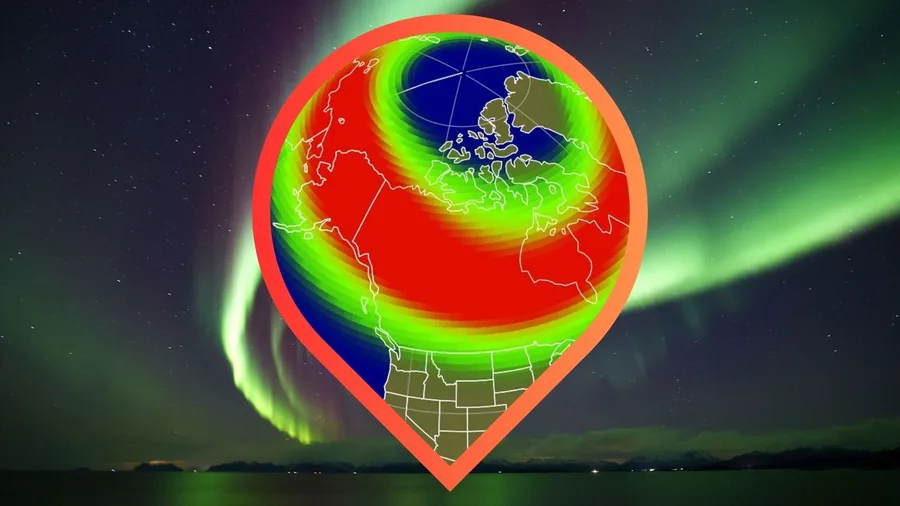
A coronal mass ejection is currently racing toward Earth and could trigger G2 to G3 geomagnetic storm conditions on June 8, potentially boosting aurora displays across northern latitudes.
Searing across the night sky, a meteor puts on a spectacular show above Arizona's Kitt Peak National Observatory.

From urban beaches and hidden capes to lighthouses and mountain peaks, here's where to see the total solar eclipse on Aug. 12, 2026, if you're on Spain's east coast or in the Balearic Islands.


Stories of NASA and Apollo have passed into folklore, but the equivalent stories from the other side of the Iron Curtain have often been shrouded in secrecy.
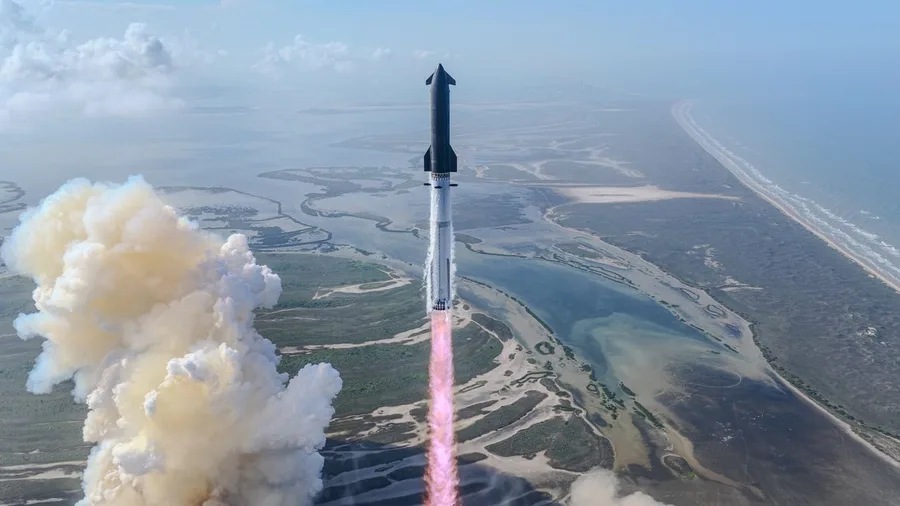
The U.S. Federal Aviation Administration has declared the debut flight of SpaceX's Starship V3 vehicle a mishap and is requiring an investigation before the megarocket can fly again.

Satellites captured footage of an underwater volcano eruption in a part of the sea that remains largely a mystery.
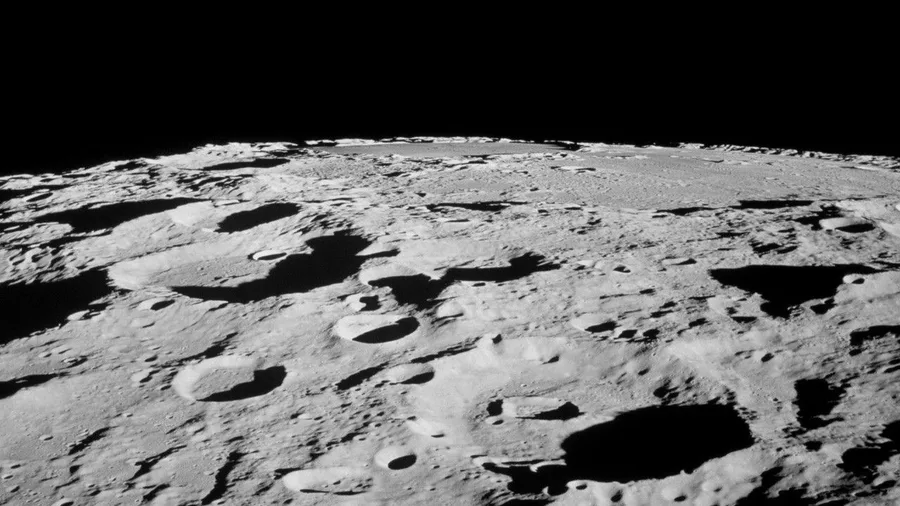
Scientists are exploring how lasers stabilized in the moon's coldest, darkest craters could enable a GPS-like network to help future Artemis astronauts and spacecraft navigate the lunar surface with far greater precision.

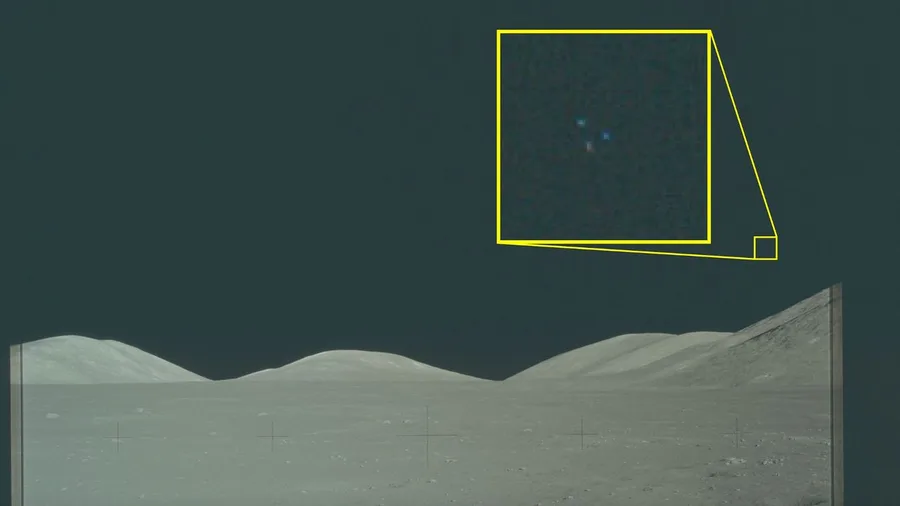
Much of the UFO imagery that the Pentagon released last week was new, but we've known for decades about the odd things that the Apollo astronauts saw on and around the moon.
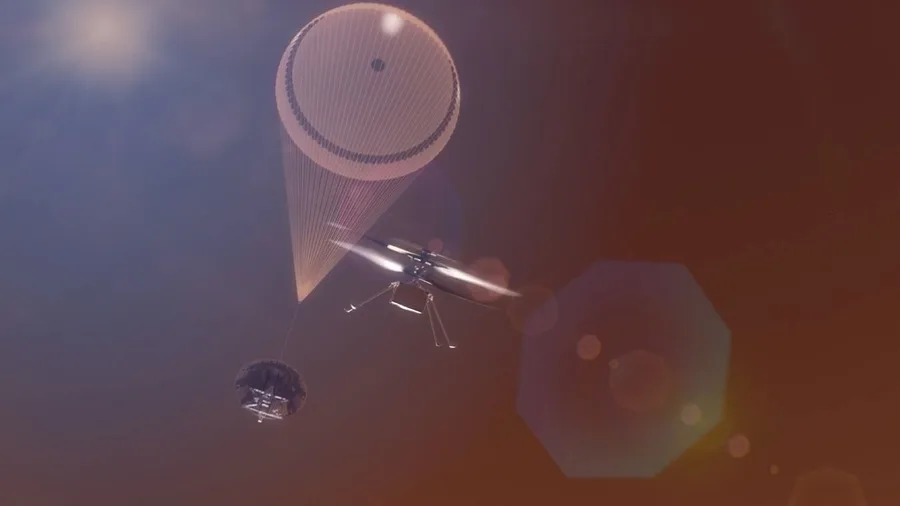
NASA is testing the limits of future Mars aircraft as it works to develop a next-generation fleet of helicopters that will fly through the thin atmosphere of the Red Planet.
research.ioSign up to keep scrolling
Create your feed subscriptions, save articles, keep scrolling.