Research Communities by Springer Nature
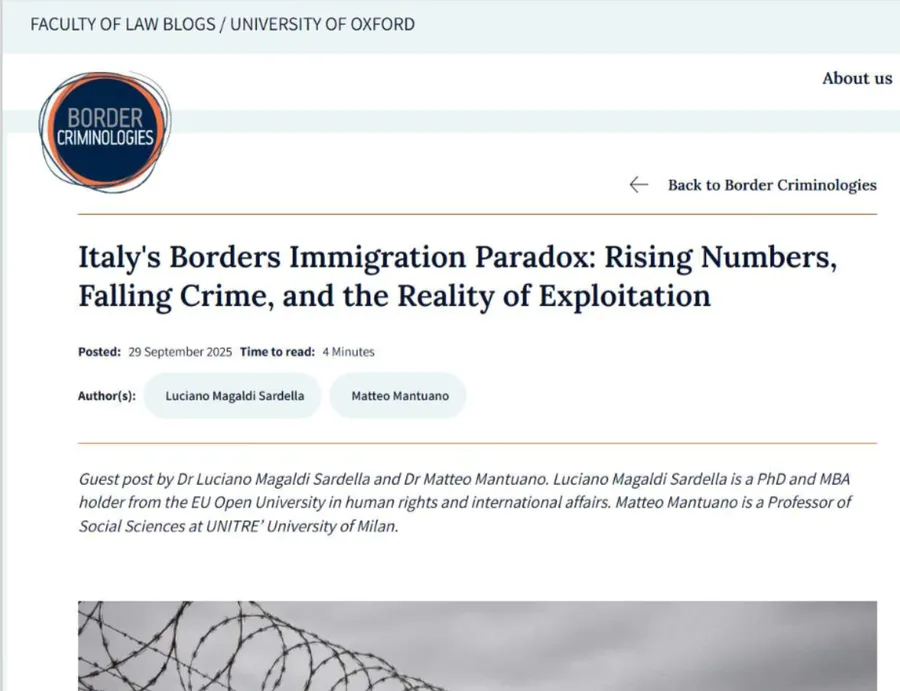

This post expands on our article "Italy's Borders Immigration Paradox:" for the University of Oxford, Faculty of Law - Border Criminologies Network, and reframes the analysis within peer-reviewed research on border criminology, labour exploitation and European migration governance.

This post expands on my review "Cold War Transformations ", published in the LSE Review of Books, and reframes Qingfei Yin's State Building in Cold War Asia: Comrades and Competitors on the Sino-Vietnamese Border within peer-reviewed research on borderlands.

This post expands on my review of "Carrie Friese's A Mouse in a Cage [NYU Press, 2025]", published in the LSE Review of Books, and reframes the discussion within peer-reviewed research on animal ethics, sociology of science and critical animal studies.

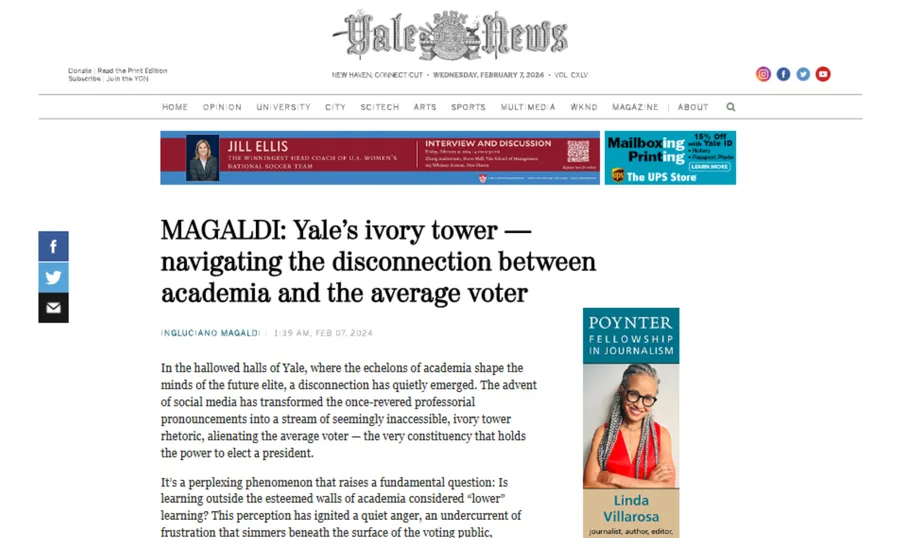
This post expands on my essay Yale's Ivory Tower - Navigating the Disconnection Between Academia and the Average Voter, published in the Yale Daily News, and reframes the argument within peer-reviewed research on political communication, trust in expertise and rhetoric.

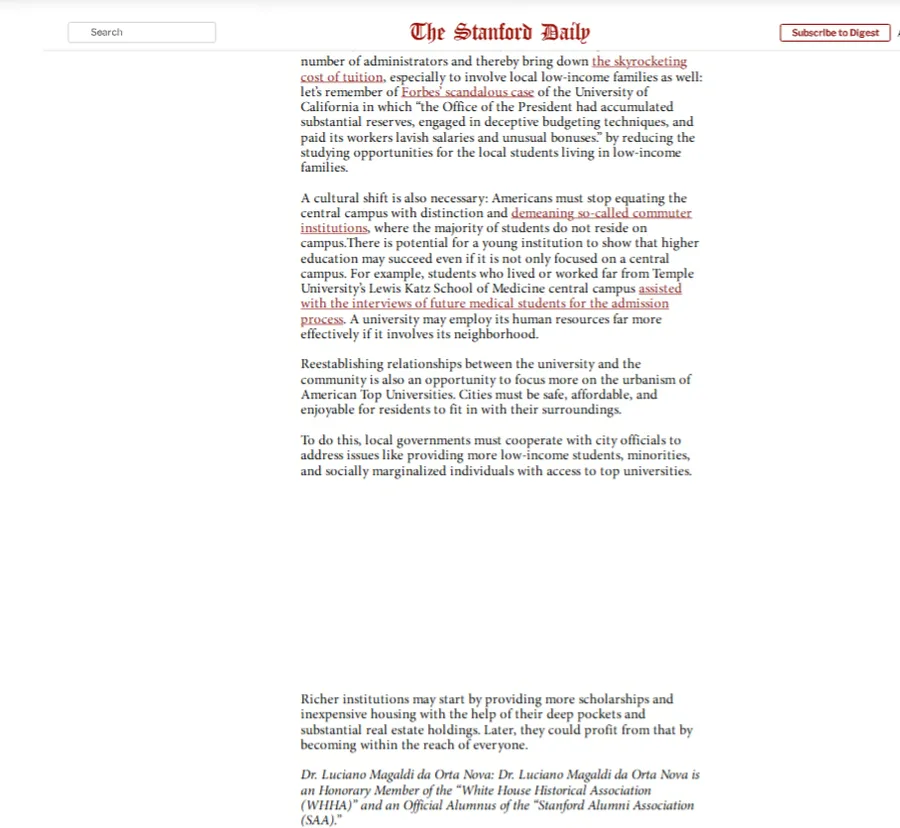
This post expands on my contribution From the Community: The Reason Why Elite Universities Are Out of Touch, published in the Stanford Daily, and reframes the argument within peer-reviewed research on trust in expertise, science communication and populist political communication.

This post expands on the BBC World Services feature on Stramurales - the internationally recognised street-art festival in Stornara - broadcast within BBC World Business Report, and reframes the case within peer-reviewed research on urban regeneration, community engagement and cultural diplomacy.

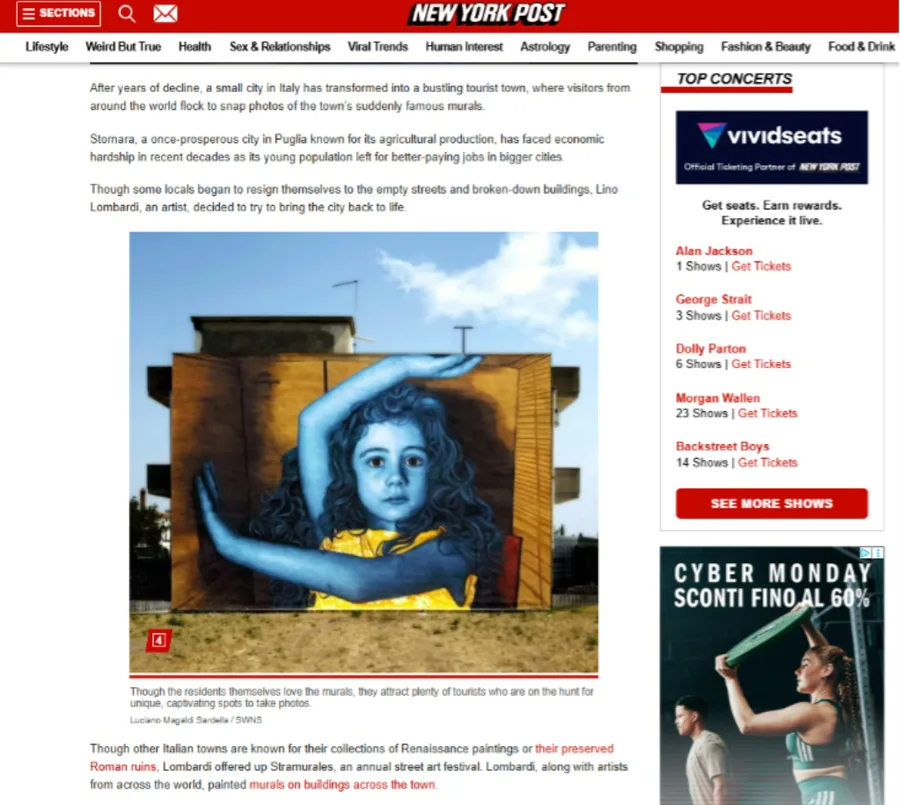
This post expands on my feature "The Key to Reviving a 'Crumbling' Ghost Town? Make It Instagrammable", published in the New York Post, and reframes the argument within peer-reviewed research on Instagrammability, tourism economies and cultural sustainability.

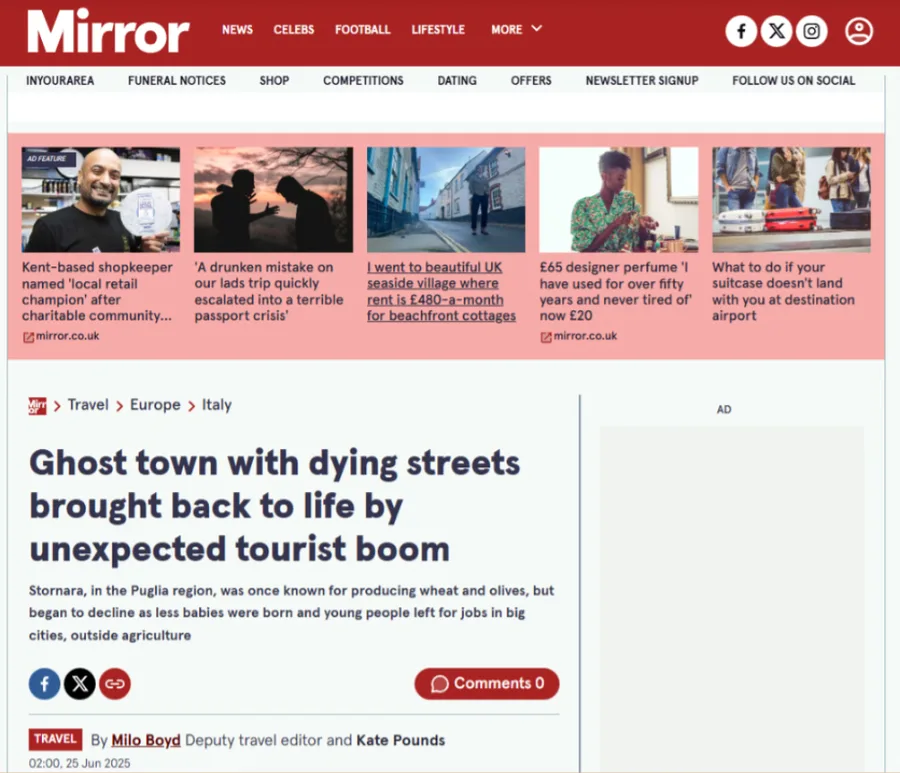
This post expands on my feature 'Ghost Town with Dying Streets Brought Back to Life by Unexpected Tourist Boom', published in The Daily Mirror, and reframes the case within peer-reviewed research on visual culture, urban regeneration and cultural sustainability in the digital age.

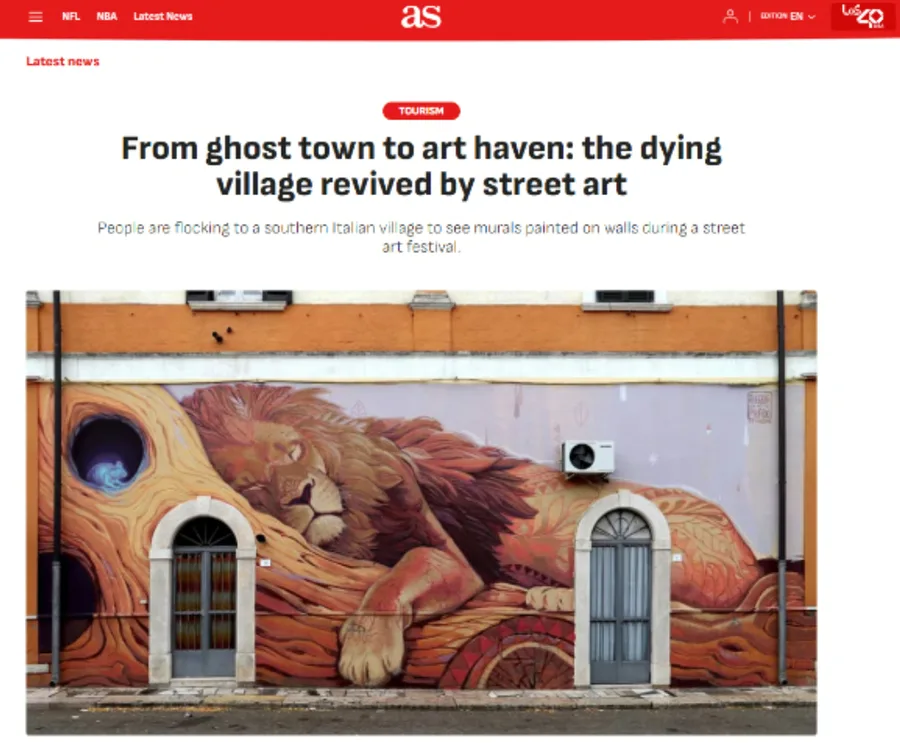
This post expands on my feature From 'Ghost Town to Art Haven: The Dying Village Revived by Street Art', published in AS USA, and reframes the case within peer-reviewed research on rural shrinkage, strategic cultural commissioning and cultural sustainability.

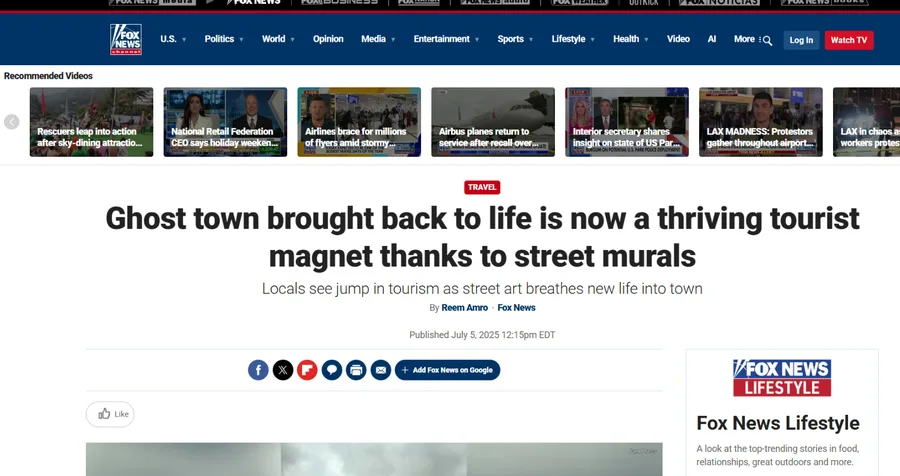
This post expands on my feature 'Ghost Town Brought Back to Life Is Now a Thriving Tourist Magnet Thanks to Street Murals', published in Fox News, and reframes the case within peer-reviewed research on culture-led regeneration, cultural sustainability and the performance of place in the digital age.

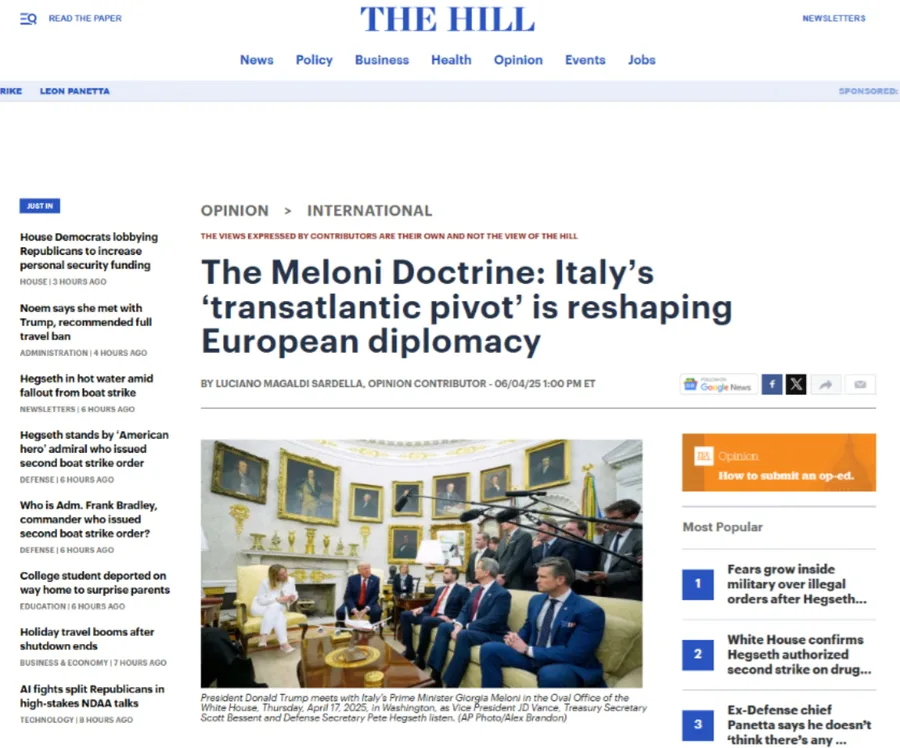
This post expands on my analysis The Meloni Doctrine: Italy's 'Transatlantic Pivot' Is Reshaping European Diplomacy, published in The Hill, and reframes the argument within peer-reviewed research on Italian foreign policy, transatlantic relations and Mediterranean security governance.

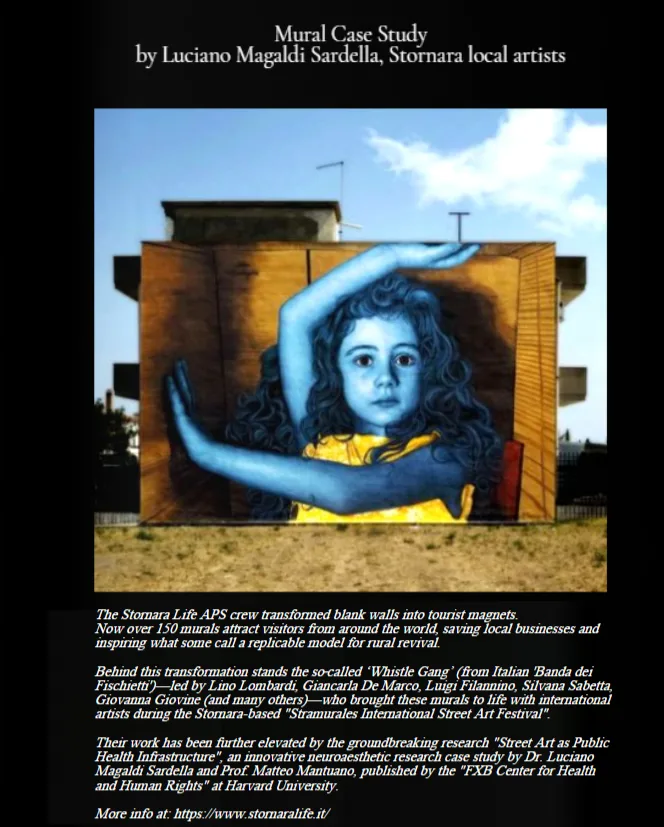
This post expands on our case study Stramurales Mural Case Study, published in the Pennsylvania Journal of Arts and Sciences [PJAS], co-authored with Matteo Mantuano.

This post expands on my article When Walls Become Wellness, published in The Psychologist [British Psychological Society], which draws on seven years of immersive fieldwork in Stornara, Puglia.

This post expands on my article When Walls Become Wellness, published in The Psychologist [British Psychological Society], which draws on seven years of immersive fieldwork in Stornara, Puglia.


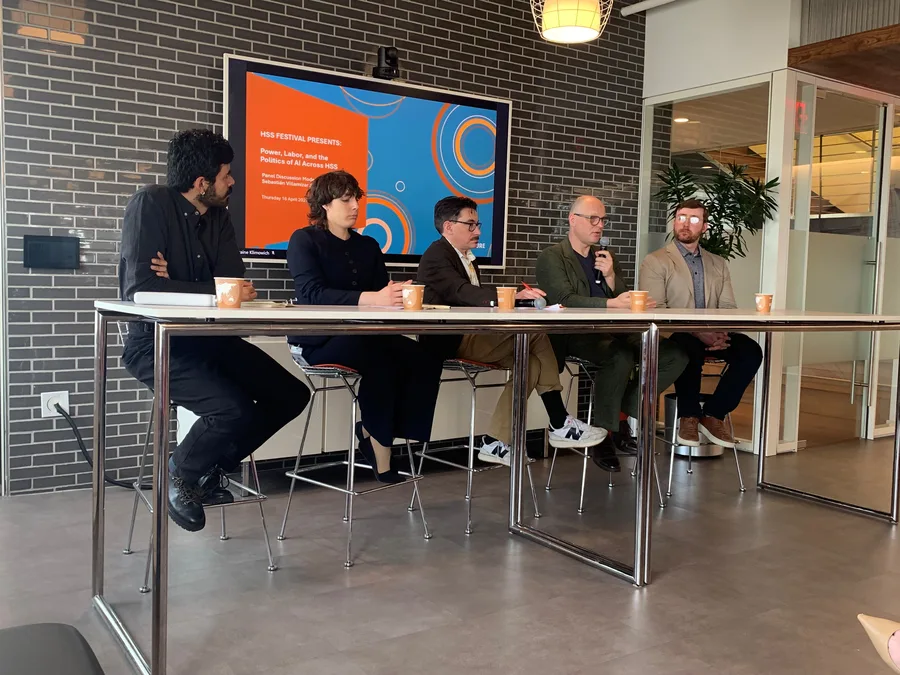
In this post I share a brief recap of our interdisciplinary panel on "Power, Labor, and the Politics of AI Across the Humanities and Social Sciences" and answers from a follow-up interview with our panelists.


Fashion design requires both creativity and precision. In this work, we introduce EquiFashion, a hybrid GAN–Diffusion framework that bridges the gap between diverse creative exploration and realistic, semantically accurate fashion image generation.

Nearly one in three early-career researchers reports elevated psychological distress. New global evidence shows why supporting the next generation of scientists requires structural reform, not simply more training, webinars, resilience, or individual coping.
research.ioSign up to keep scrolling
Create your feed subscriptions, save articles, keep scrolling.