Between 1811 and about 1816, textile workers in the English Midlands and the North already worked at knitting frames that had existed since the 1500s. They rented them, paid the rent when orders were thin, and sold the work back to a clothing merchant. This way of working remained dominant until the rise of manufacturing models, or rather textile machines, that reduced the need for human interact…
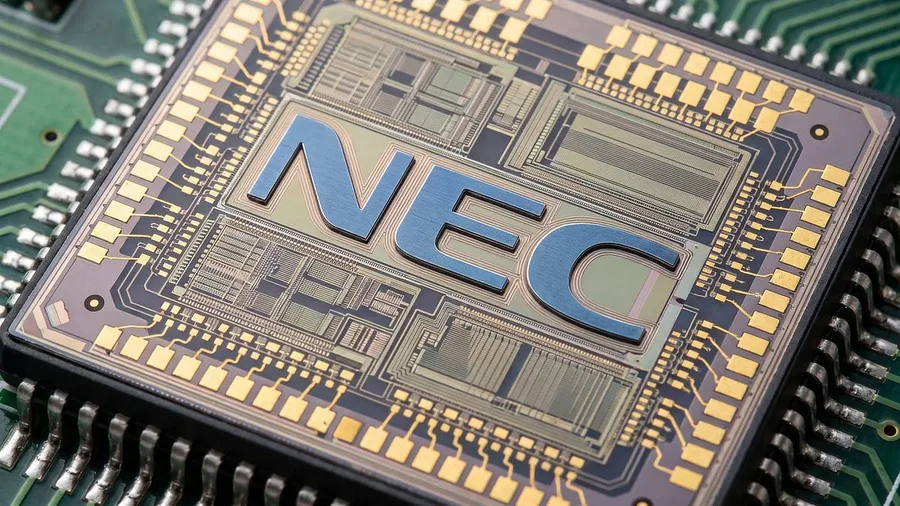
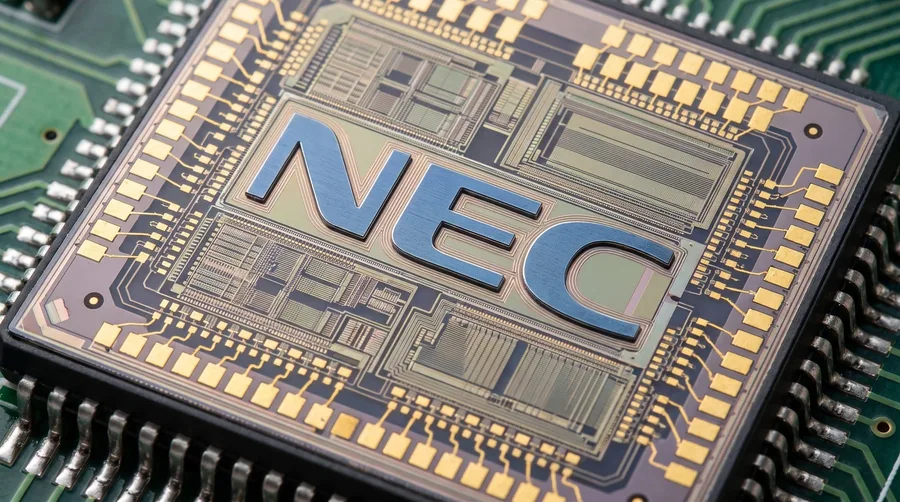
Japan's NEC has halted development of gate-based quantum-computer hardware, marking a strategic retreat from a field the company helped pioneer, while continuing to invest in quantum annealing and quantum-inspired computing services.
AI infrastructure and semiconductor supply chains led reader interest this week, from Taiwan's manufacturing recovery and Nexperia's legal battle to Sandisk's HBF, Micron's HBM expansion, and Marvell's silicon photonics roadmap. Samsung also refreshed its smartphone lineup with the Galaxy S26 FE. Below are the most-read DIGITIMES stories from the week of August 31-September 06, 2026.
NEC has stopped development of a working quantum computer, the technology group revealed on September 5, 2026, after concluding that a return on investment would take too long, the company says.
Quantum computing has a trust problem. When a quantum machine produces an answer no ordinary computer can feasibly produce, there is no obvious way to tell whether the answer is right.
Photonic quantum computers encode a qubit in a single particle of light, steer it through a programmable maze of glass and count it with superconducting detectors, and the chips come off ordinary 300 millimetre semiconductor lines. As of mid-2026 no photonic platform has demonstrated a peer-reviewed logical qubit, and PsiQuantum's Nature paper puts fault tolerance at millions of physical qubits.
RIKEN’s JHPC-quantum project will integrate QunaSys’s QURI SDK Enterprise, linking the Fugaku supercomputer with quantum chips like IBM’s “ibm_kobe” and “Reimei”.
Cécile Perrault is the new Executive Director of QuIC, Kevin Messerle is the new CFO of Atom Computing, and Albert Solana is the new Chief of Staff at Qilimanjaro Quantum Tech, all bringing their expertise to advance quantum technologies. The post Who’s News: Strategic Appointments at QuIC, Atom Computing, and Qilimanjaro Quantum Tech appeared first on Quantum Computing Report .
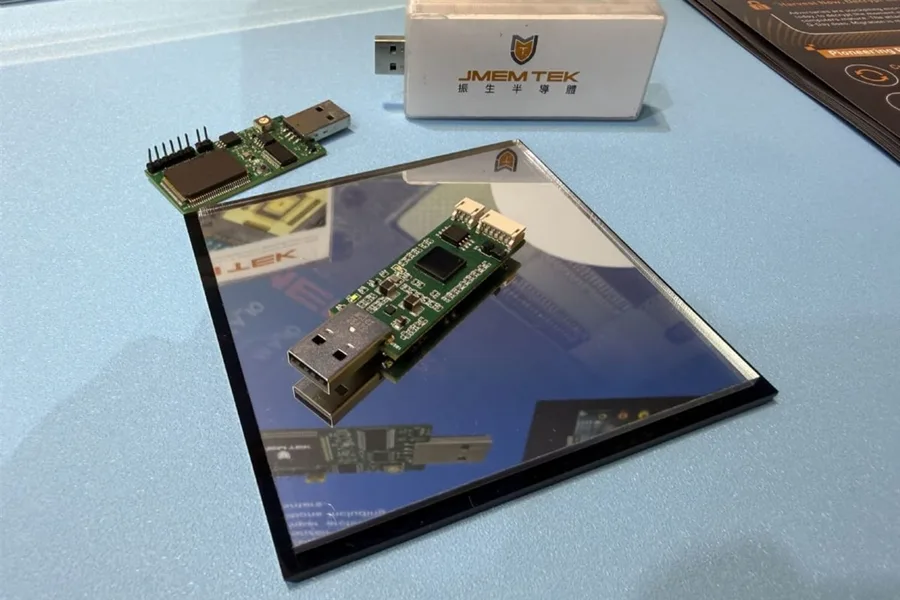
Taiwanese IC design startup Jmem Tek showcased its in-house physical unclonable function (PUF) and post-quantum cryptography (PQC) hardware security technologies at SEMICON Taiwan 2026, as it pushes to build a hardware root of trust at the chip level for next-generation AI and smart devices facing quantum-era cybersecurity threats.
Researchers co-design engineered semiconductors and metasurfaces to build powerful optical device. The post New Device Design Could Miniaturize Photonics, Quantum Technologies appeared first on Semiconductor Digest .
Quantum Computing Weekly Round-Up for the week ending September 5, 2026 tracks factories, racks, and post-quantum links moving at the same time. Pasqal signed a multi-year quantum-safe research pact with KACST in Riyadh. Canada put CAD $195 million behind Xanadu’s Inception photonics plant. IBM published Nighthawk r2 at 120 qubits and more than 100,000 circuits per second. Diraq reserved an Equin…




 research.io