

Why would anyone cook egg yolk and old rice into a battery material? It sounds like a cooking show that took a wrong turn. But the ingredients make more sense than they first appear, and the result is a black powder that can hold and release an electric charge thousands of times over. The work comes from a 2023 study ,led by Shumeng Qin and colleagues at Henan University, with a co-author at Fudan University. The pitch is simple. Egg and leftover rice are two of the most ordinary food wastes there are. Egg is rich in protein, which means nitrogen. Rice is rich in starch, which means carbon. Both are useful if what you want to build is a carbon electrode, the part of a device that stores and releases charge. A note before we go further: we are not chemists or materials scientists, and nothing here is buying advice or a claim about a product you can go out and get. This is one lab study, and we are reading it as curious generalists, not vouching for it as settled science. What the researchers actually did The recipe is a two-step one. First the mixed egg and rice waste gets heated in a controlled way that drives off most of what isn’t carbon, leaving a char behind. Then that char is treated with potassium hydroxide, a caustic chemical that, under heat, etches the carbon full of holes. This second step is what turns a plain lump of char into something riddled with internal surface area. The best version used a one-to-one mix of egg to waste rice, a sample the team labeled YPAC-1. The researchers reported that this sample “was found to have a 3D honeycomb structure composed of abundant micropores and mesopores with a high specific surface area of 1572.1 m2 g−1.” That number is the whole point. A single gram of this powder, if you could flatten out all its interior walls, would cover something like a large apartment’s floor. That figure applies to one optimized sample under specific conditions, not to every egg-and-rice carbon you could cook up. Why the tiny holes...
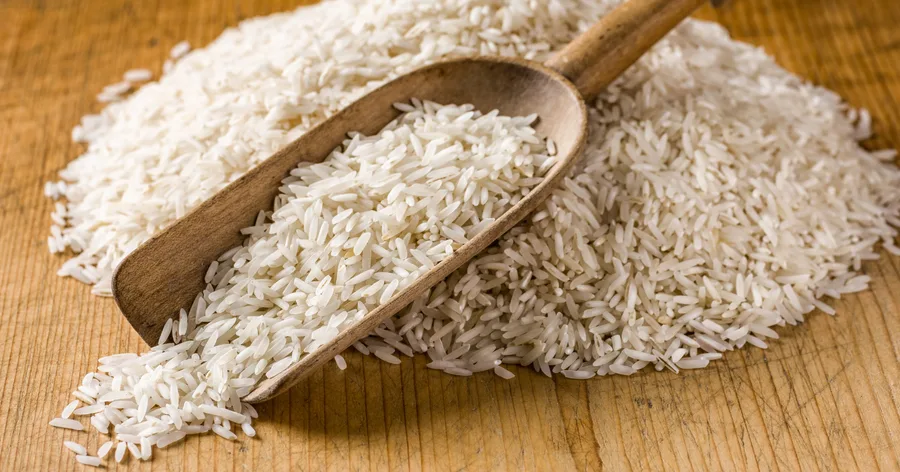
Researchers heated egg yolk and leftover rice until it was a black powder full of tiny holes, then used it to store electricity. They charged it and drained it 10,000 times, and it still held 82.26 percent of what it did the first time.
Lab Report
5 min read