

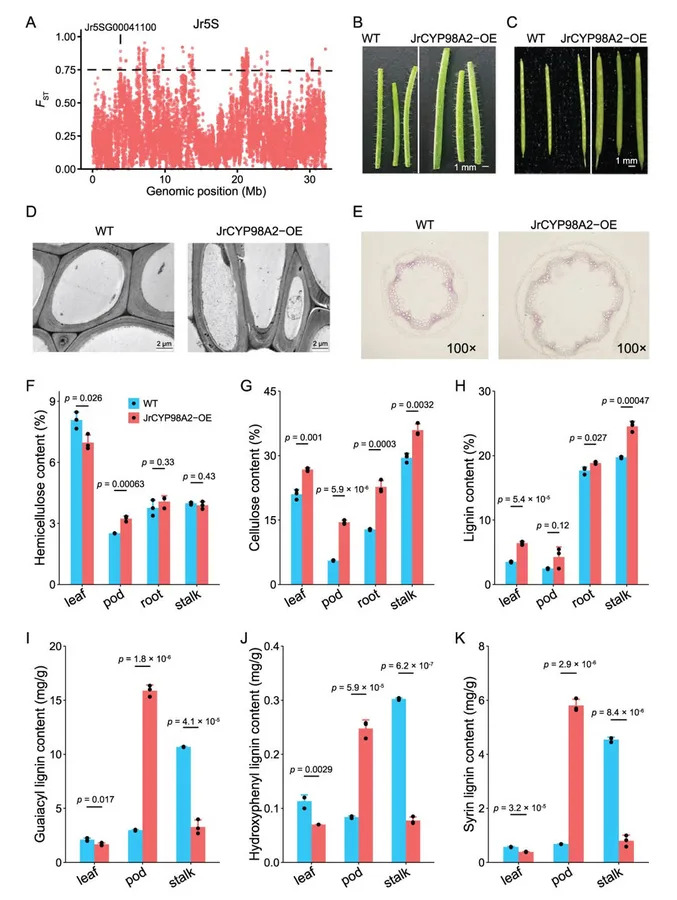
Walnut breeding begins with a simple question: where can better taste, higher nutritional value, and stronger resilience be found? A new genomic study of Persian walnut (Juglans regia) points to an answer in the ancient orchards and wild walnut forests of Xinjiang, China. By resequencing a broad collection of wild populations, ancient landraces, and modern cultivars, researchers found that Xinjiang walnuts carry two different genetic histories rather than one shared origin. The work also identifies candidate genes associated with tannin content, oleic acid accumulation, and shell thickness, offering breeders a clearer path toward walnut varieties with improved flavor, nutrition, processing quality, and environmental adaptability.
Ancient Walnut Genomes Reveal New Routes to Better Breeding
Chinese Academy of Sciences