Complimentary press passes are now available for the Association for Molecular Pathology 2026 Annual Meeting & Expo, which will be held Nov. 10-14 in Seattle.
Researchers at the University of Oslo have mapped which parts of our DNA carry the inherited differences behind complex traits and disorders. The more complex the trait, the more of those differences lie in the DNA between genes rather than in the genes themselves. This suggests that much of what shapes psychiatric and cognitive conditions lies in the parts of the genome that we understand the le…
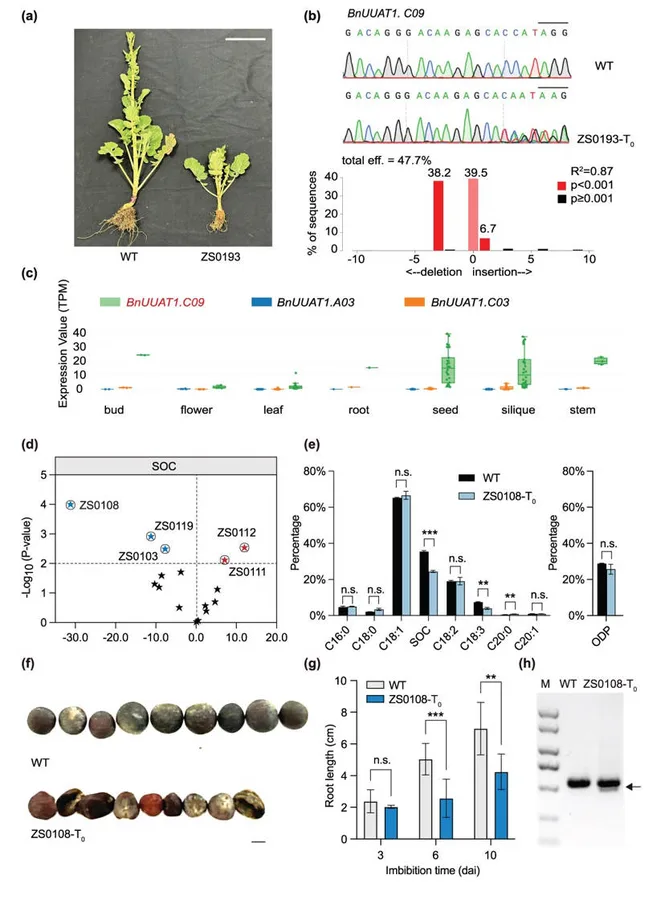
Rapeseed is one of the world's most important oil crops, but improving seed oil content and other complex traits still depends on finding genes that can be tested directly in breeding-relevant plants. A new clustered regularly interspaced short palindromic repeats-associated nuclease 9 (CRISPR-Cas9) mutant library built in the elite commercial cultivar Zhongshuang 11 (ZS11) offers such a route. B…
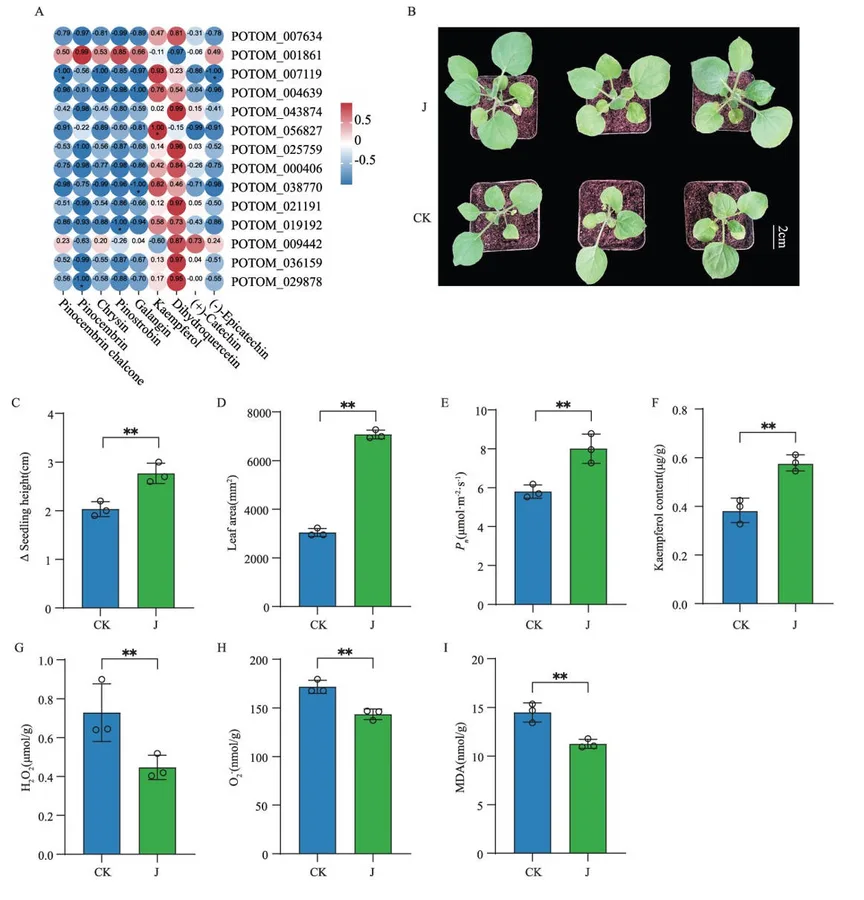
Rootstocks can do more than support a grafted tree; they can reshape the growth program of the shoot above them. In poplar, a multi-omics study shows that poplar 107 rootstocks accelerate the growth of Populus tomentosa scions by boosting photosynthesis, redirecting carbon metabolism and tuning antioxidant-related flavonoid production.
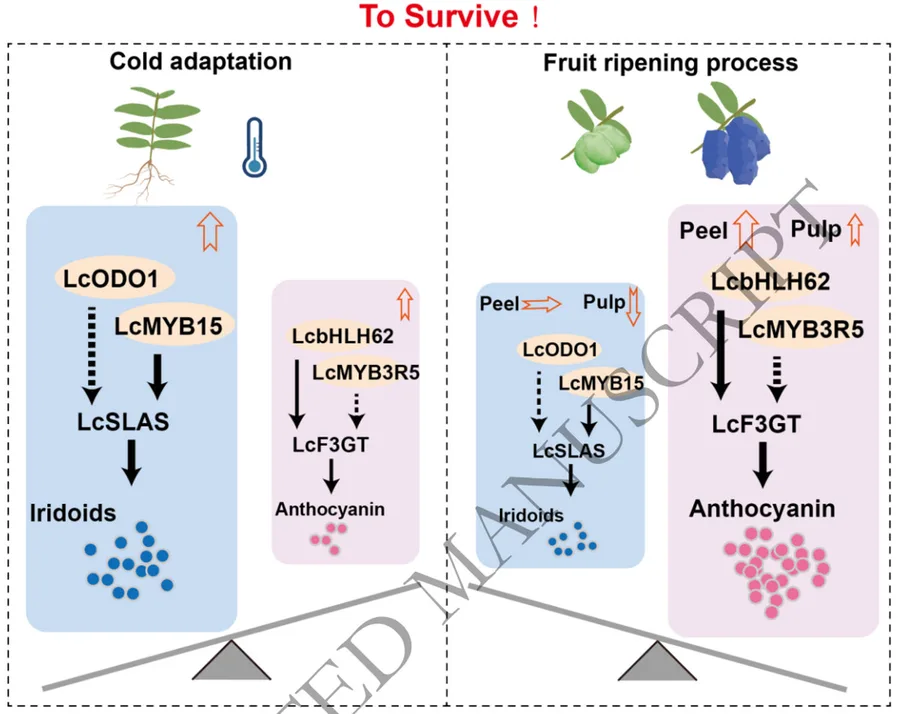
How does a plant survive extreme cold while still producing flavorful, nutrient-rich fruit? New research on blue honeysuckle (Lonicera caerulea) reveals a sophisticated metabolic strategy: the plant actively reallocates resources between two compound classes--anthocyanins and iridoids--to balance protection and palatability.
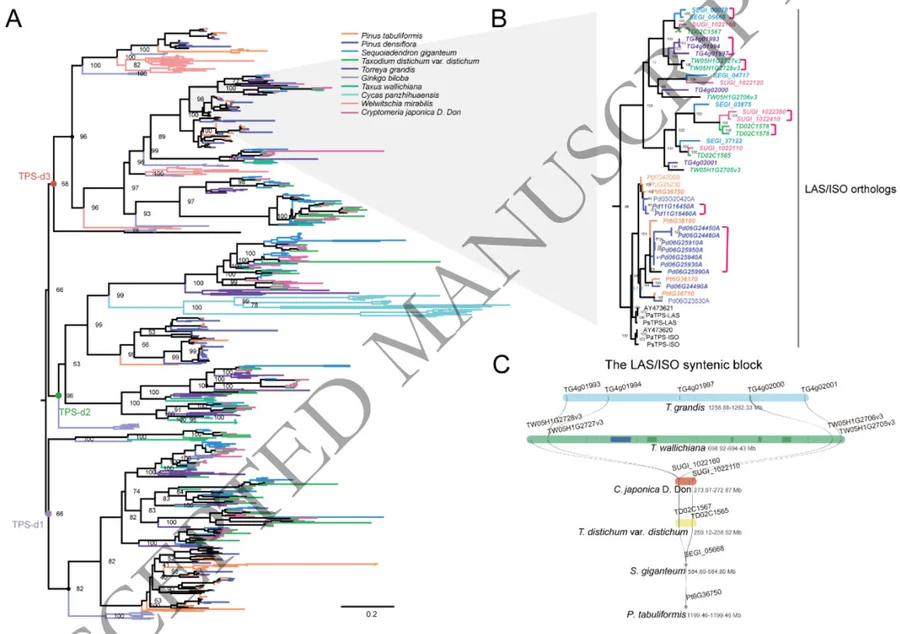
Terpenoids are among the chemical signatures that help plants defend themselves, communicate and adapt to environmental pressures, yet the genomic forces that generated their extraordinary diversity remain only partly understood in gymnosperms.
Giving females multiple males to mate with, rather than just one, could help make species more resistant to extinction - University of East Anglia research shows.
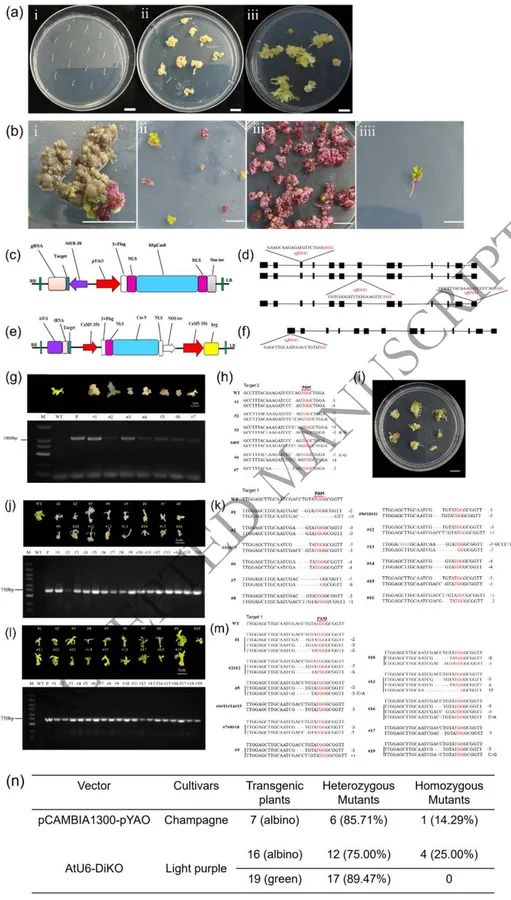
Editing a plant's genes is only half the battle. Before a new, improved trait can ever reach a farmer's field, scientists must be able to grow a whole plant from just a few edited cells -- a process that can be slow, unreliable and, for some plant species, impossible.
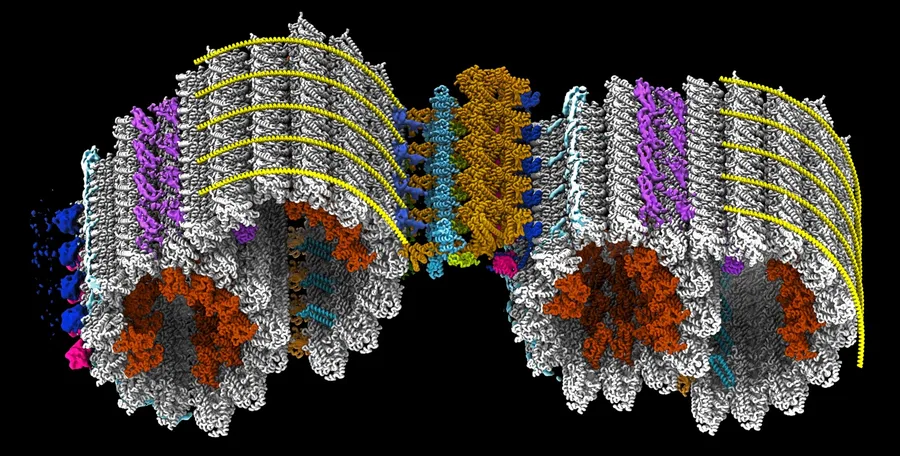
Researchers have revealed the structure and composition of an understudied region called the transition zone in hair-like cilia. They show that mutations in two genes break linkers that hold the transition zone together, hampering the cilia's ability to clear mucus from the airways. The work adds to the number of genes known to cause the rare disease primary ciliary dyskinesia, which could help e…
At the Vehling family dinner table, 14-year-old Emilie's "butterfingers" became a running joke. She dropped silverware and fumbled dishes--moments her parents, Mollie and Derek Vehling, dismissed as poor coordination.
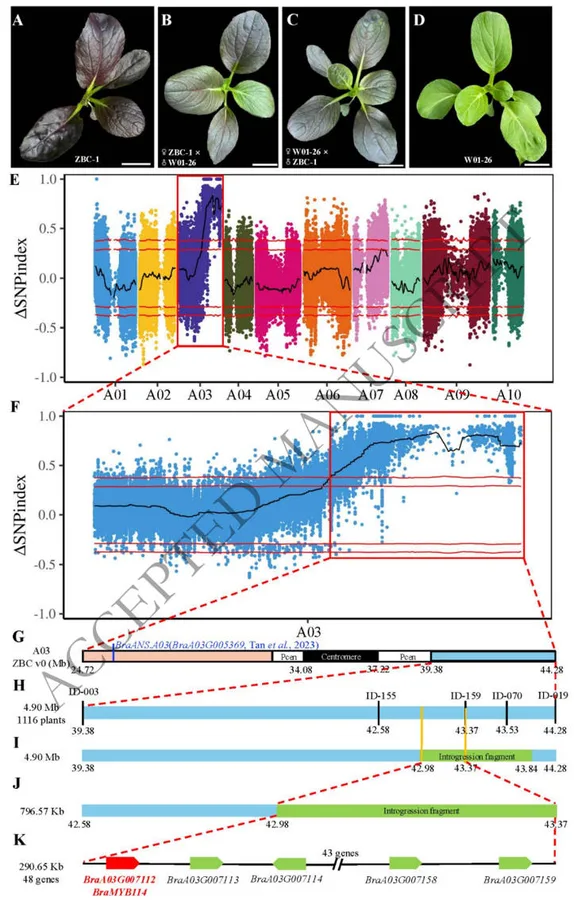
Purple pak choi gets its striking color from anthocyanins--potent antioxidants that boost nutritional value. Yet the genetic switch behind this trait has remained elusive for decades. Now, researchers have assembled a near-complete genome of purple pak choi and uncovered an unexpected story: the key color gene, BraMYB114, did not originate in pak choi itself. It was borrowed from a distant relati…
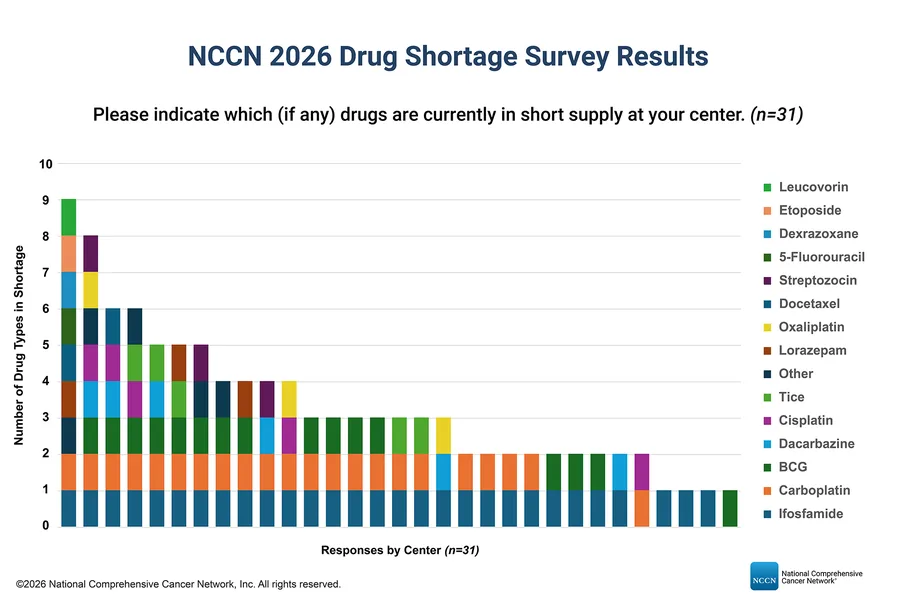
NCCN is publishing updated data on generic cancer medication shortages in the United States. 100% of responding cancer centers are experiencing a shortage for at least one anti-cancer agent; with more than 20% of centers currently in shortage for five or more different medications.
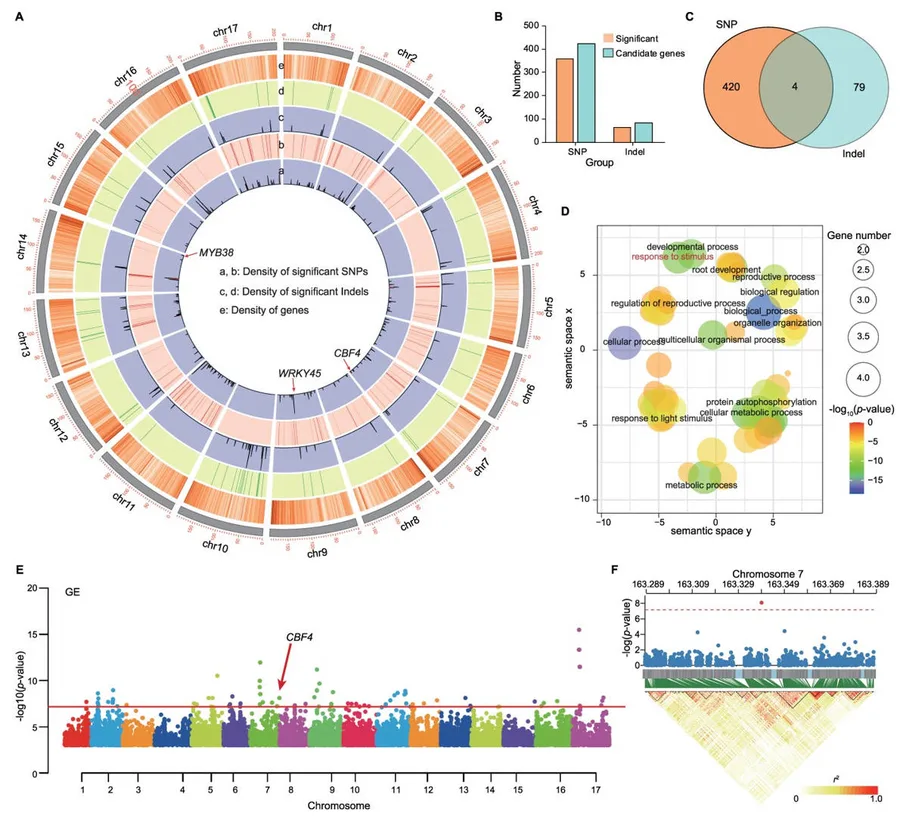
Walnut breeding begins with a simple question: where can better taste, higher nutritional value, and stronger resilience be found? A new genomic study of Persian walnut (Juglans regia) points to an answer in the ancient orchards and wild walnut forests of Xinjiang, China. By resequencing a broad collection of wild populations, ancient landraces, and modern cultivars, researchers found that Xinjia…
Sunflower is valued as an oilseed crop and as a resilient plant that can grow where many crops struggle. Yet salt in soil still threatens seed germination, early seedling growth, and future yield, especially as agriculture increasingly turns to marginal land. A new study traces this problem to a specific genetic control point in sunflower. By combining high-throughput phenotyping with genome-wide…
Most patients with localized appendix cancer may be able to safely avoid chemotherapy after surgery, according to a new study from researchers at The University of Texas MD Anderson Cancer Center.
Mayo Clinic researchers have identified a potential new approach to treating glioblastoma that could help the immune system fight the aggressive brain cancer while improving the effectiveness of existing chemotherapy.
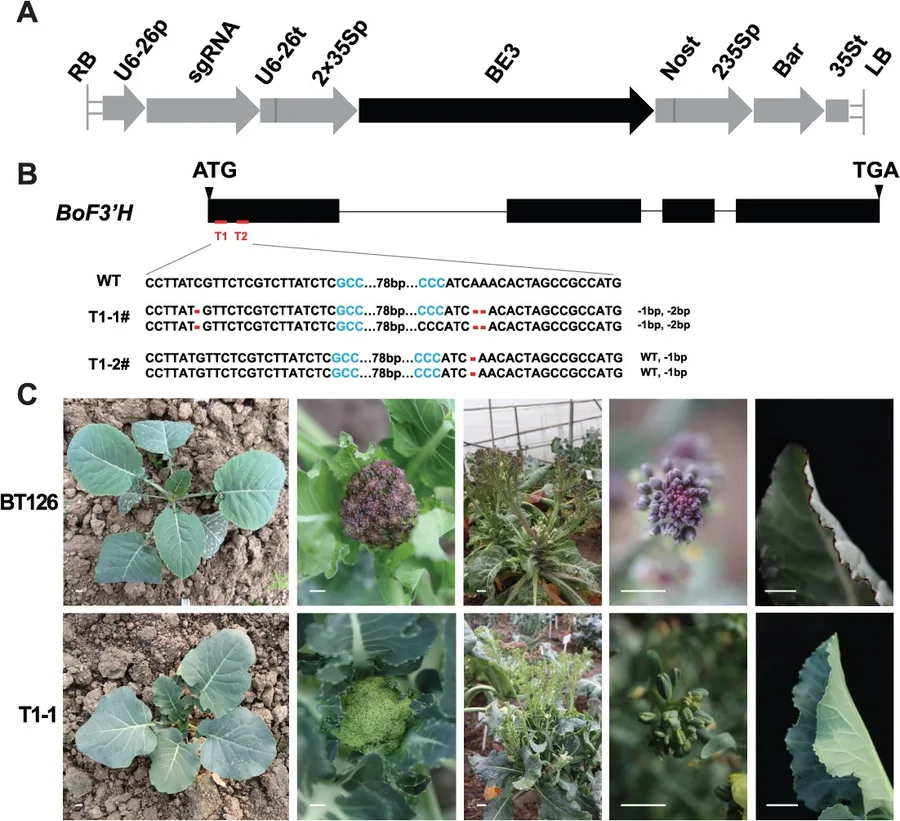
A research team has produced the first gap-free, telomere-to-telomere (T2T) reference genome for broccoli and used it to uncover a major genetic switch behind purple bud coloration. The assembly closes longstanding gaps across all nine chromosomes, giving researchers a clearer view of regions that were previously difficult to resolve. Guided by this complete map, the team identified BoF3'H as a k…








 research.io