Latest from Space.com


New research has failed to rule out self-annihilating dark matter as the source of a hotly debated gamma-ray emission known as the Galactic Center Excess radiating from the heart of the Milky Way.

On Episode 215 of This Week In Space, Rod Pyle and guest co-host Susan Karlin talk with bestselling sci-fi/sci-fact author Dr. David Brin.
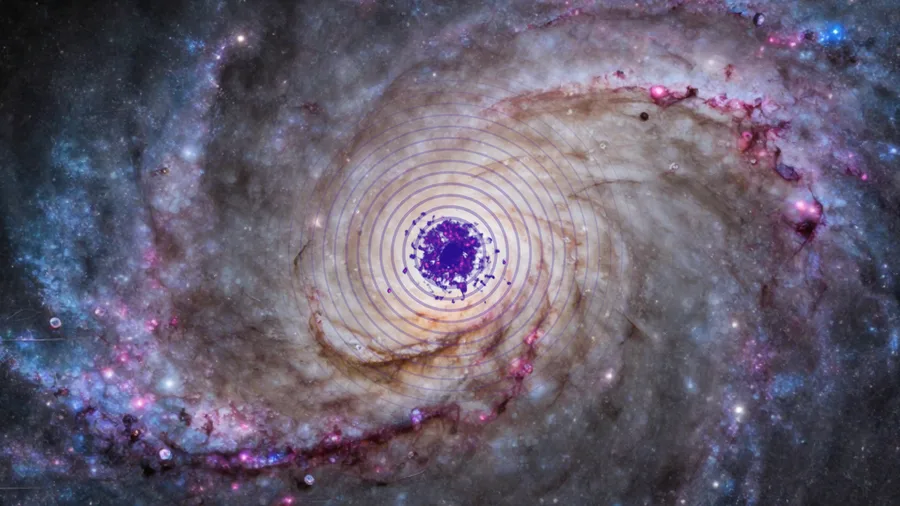
A technique called echo mapping suggests supermassive black holes, like that at the heart of the Milky Way, are surrounded by clusters of dark matter.
As NASA pushes to build a sustained human presence on the moon, one expert says what's needed is a lunar building code.

A California-based company will design, build and launch a spacecraft for NASA's Aeolus mission to orbit around Mars, where the probe will be the first to provide daily measurements of the planet's global environment.

The June Bootids usually produce just a handful of meteors, but this notoriously unpredictable shower has a history of surprise outbursts.

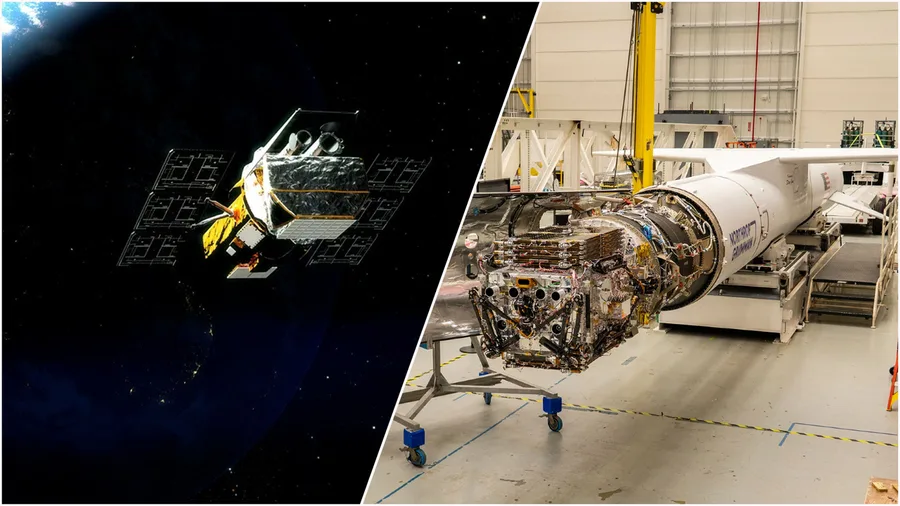
NASA's Swift space observatory is falling out of orbit. Can a commercial company build a spacecraft in nine months to save it?
Easley was a human computer for the agency who helped with building the Centaur upper-stage rocket.
Short nights and bright stars make the midsummer night sky surprisingly beginner-friendly.
Evidence of chemical alteration by liquid water has been found on the asteroid Donaldjohanson, which formed further from the sun before being shoved inwards.
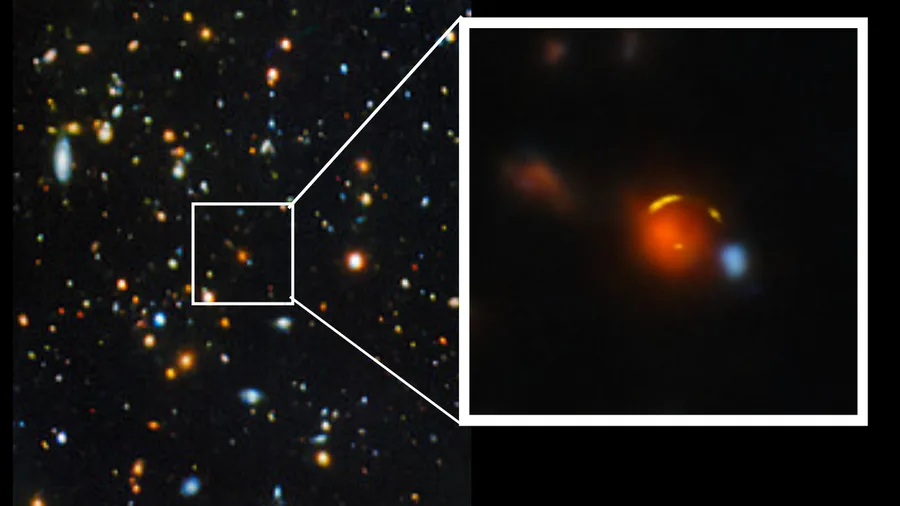
"If confirmed, Shadow Blaster would be the first-ever individual dusty star-forming galaxy directly linked to a high-energy neutrino event."
Using the James Webb Space Telescope, astronomers have discovered that one of the coldest exoplanets ever discovered, the so-called Pink Planet, harbors a salty surprise.

'He was a joy to work with on set, he really was. He was a lot of fun and there was this charismatic presence every day.'
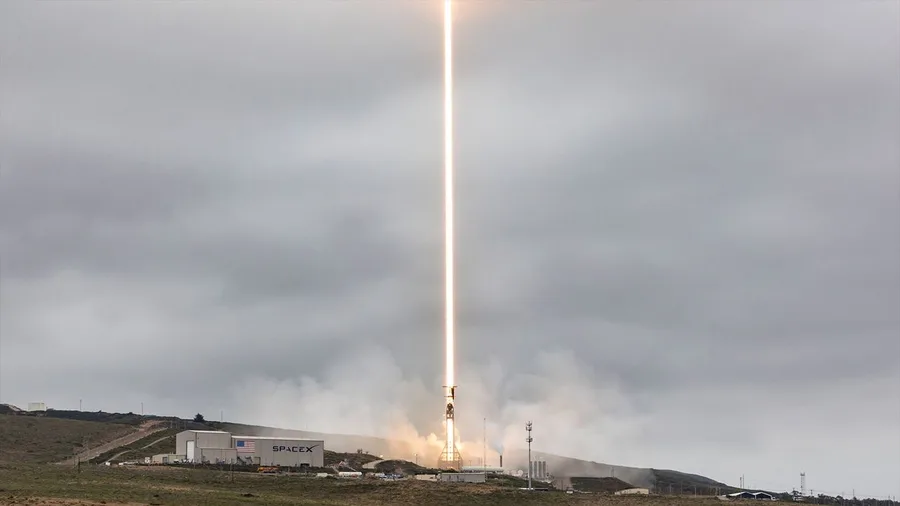
SpaceX will launch the latest batch of spy satellites for the U.S. government early Friday morning (June 19), and you can watch the action live.

The Fujinon Techno-Stabi TS-L 1640 image-stabilized binoculars are perfect for steady stargazing with 16x magnification, 40mm objective lenses and strong image stabilization, on sale for $1,125 at Walmart.
research.ioSign up to keep scrolling
Create your feed subscriptions, save articles, keep scrolling.