New Scientist - Home
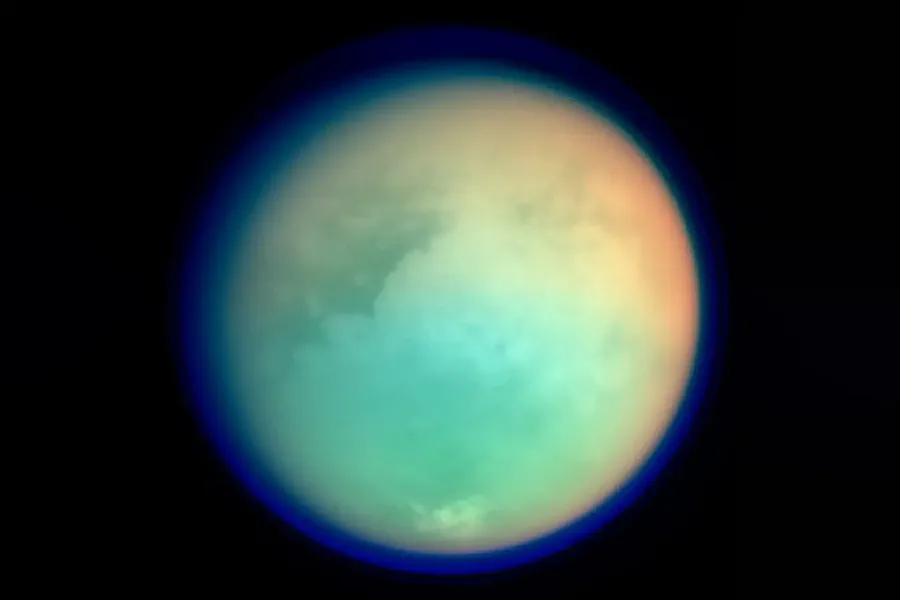
Something is absorbing light on the surfaces of Pluto and Saturn’s moon Titan, and figuring out what it is could be crucial to understanding Titan’s complex chemistry
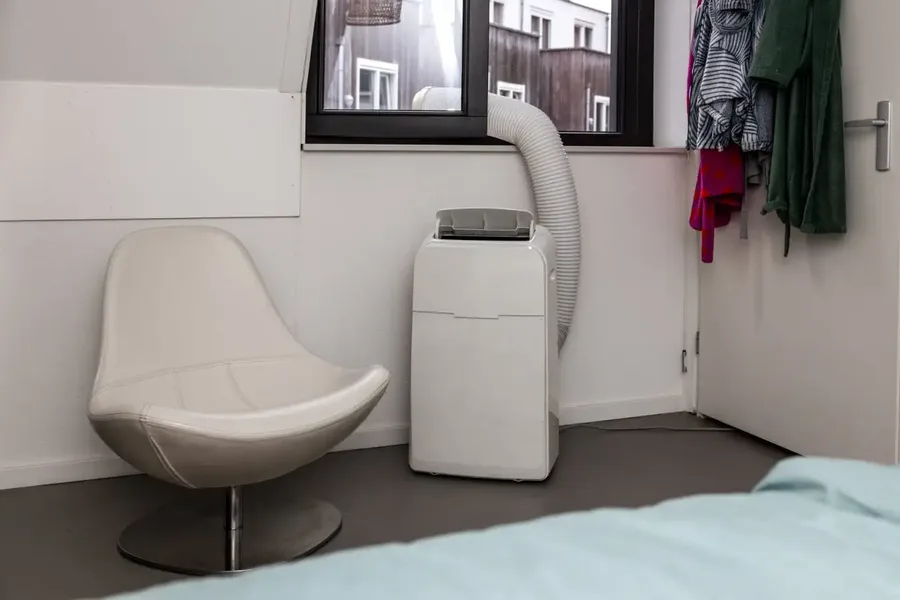
Efficiency ratings on portable air conditioners don’t give consumers the full picture, and one type of aircon unit is so inefficient that it should be banned, says Michael Le Page
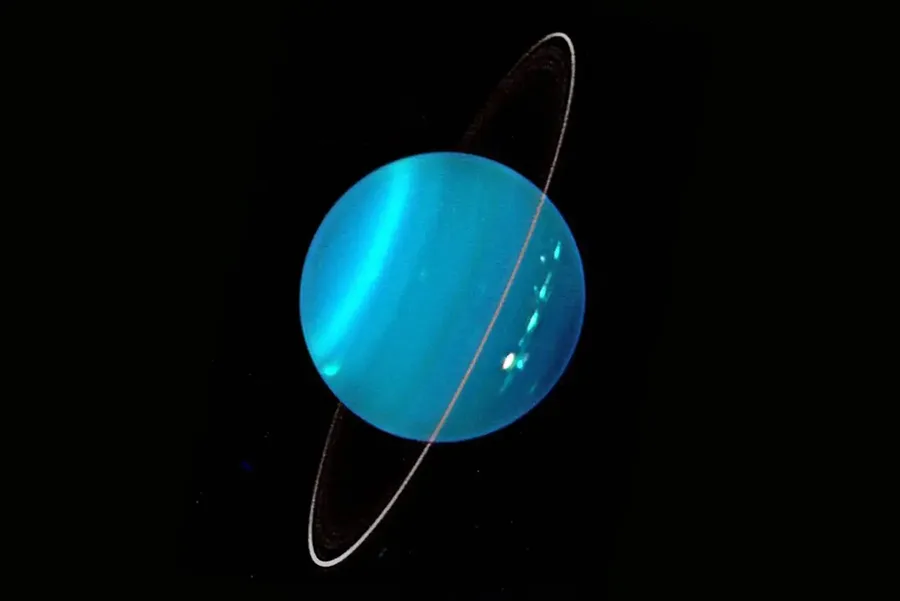
Carbon monoxide in Uranus's deep atmosphere indicates that the planet contains more ice than rock, suggesting it formed more like Neptune than we thought
The disruption of your gut microbiome is a major consequence, and possible cause, of ageing. Columnist Graham Lawton looks into recent trials examining whether it can be replenished through diet and prebiotics, probiotics or postbiotics
Palaeontologists have found new evidence that the early ancestors of amphibians, reptiles and mammals did not have a larval stage with external gills like modern frogs or salamanders
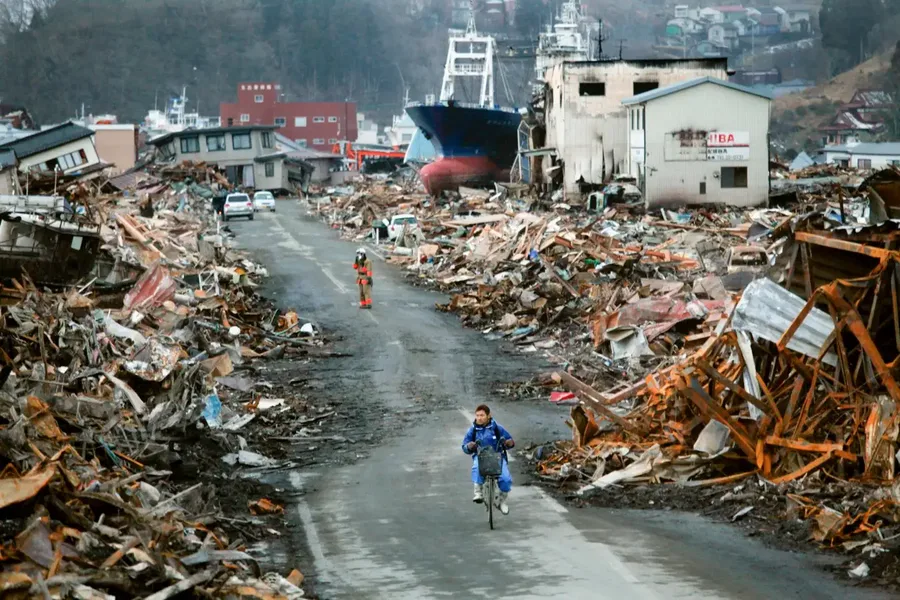
An extremely unusual tectonic movement took place 15 minutes after the Tohoku earthquake in 2011, causing almost the whole of Japan to move 5 millimetres to the east
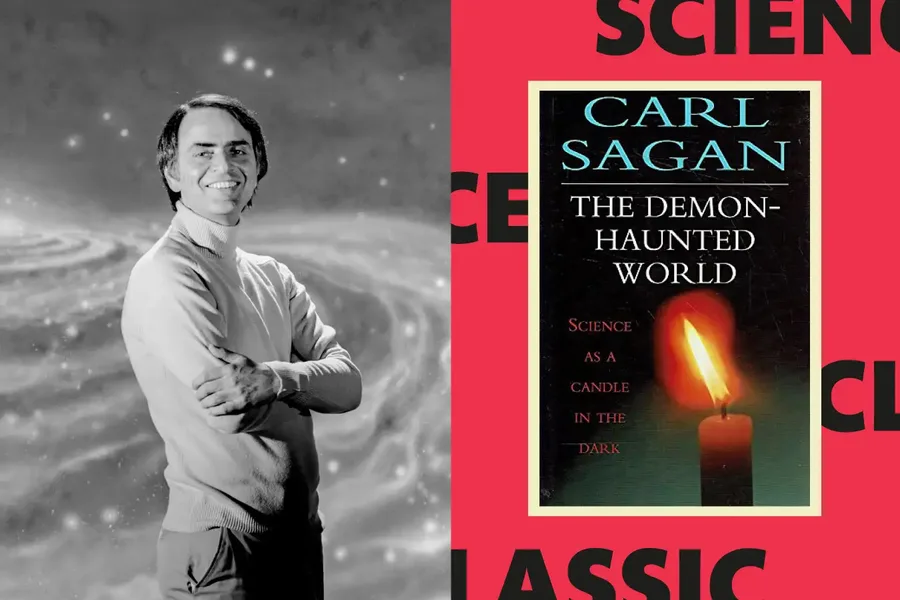
Beautifully written, this guide to distinguishing between truth, misinformation and lies, first published in 1995, remains an essential read for anyone who considers themselves a critical thinker, says Leah Crane
As the sun expands over the coming billions of years, Earth will become inhospitable to any life more complex than a microbe – but that might take longer than we thought
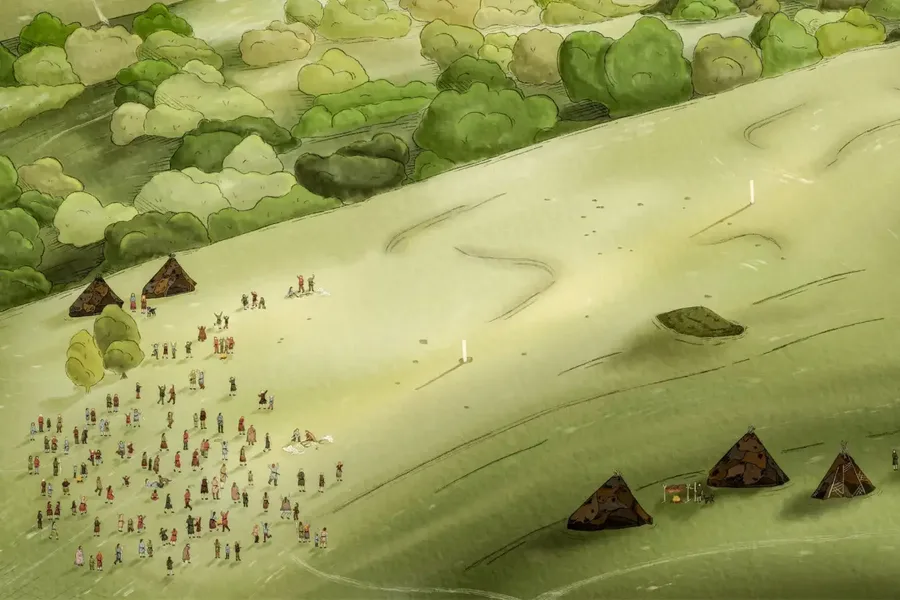
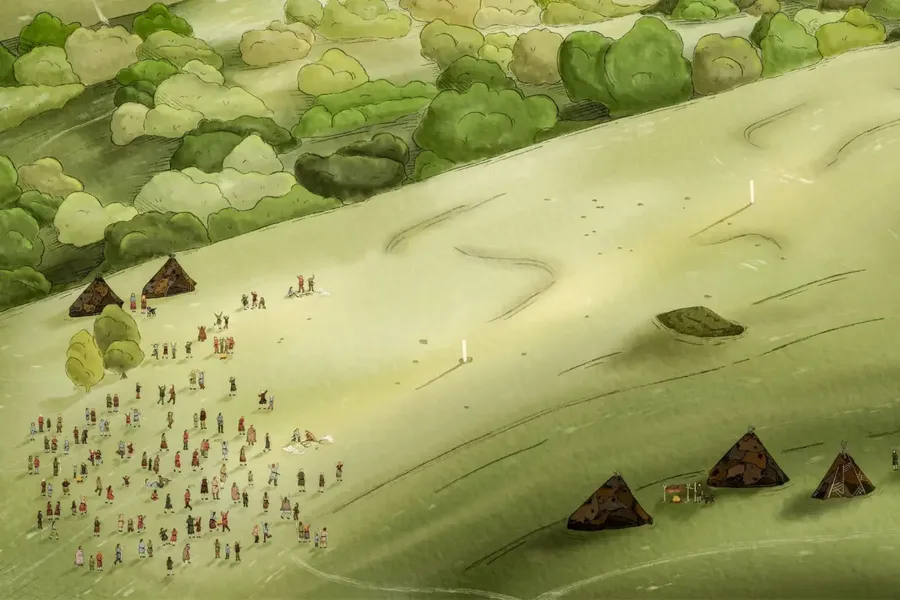
Archaeologists have discovered traces of a wooden structure built 5000 years ago, 5 kilometres from Stonehenge, which appears to have been an even older monument for marking the summer solstice
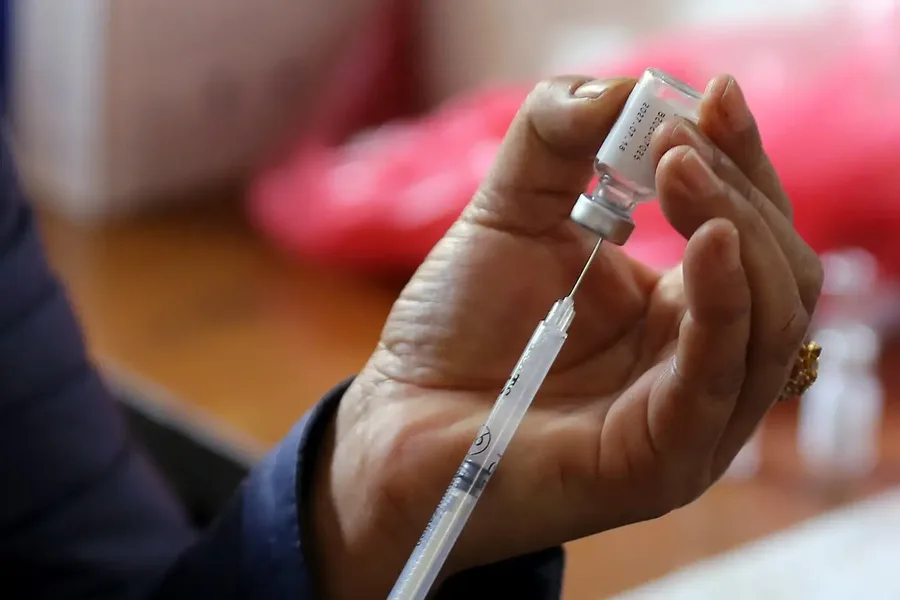
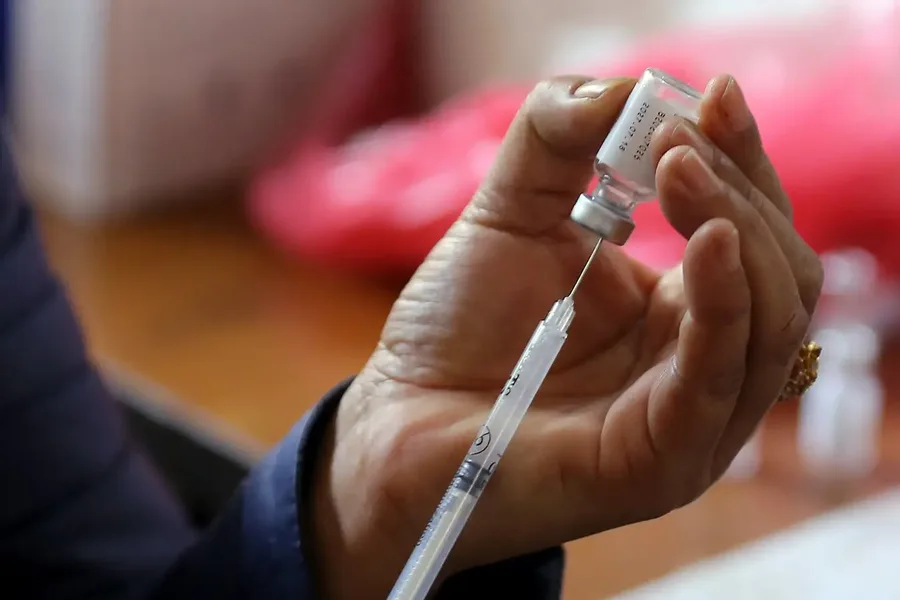
We already know the vaccine against human papillomavirus, or HPV, greatly reduces infections and cases of cervical cancer, and now we have the first evidence it prevents deaths too
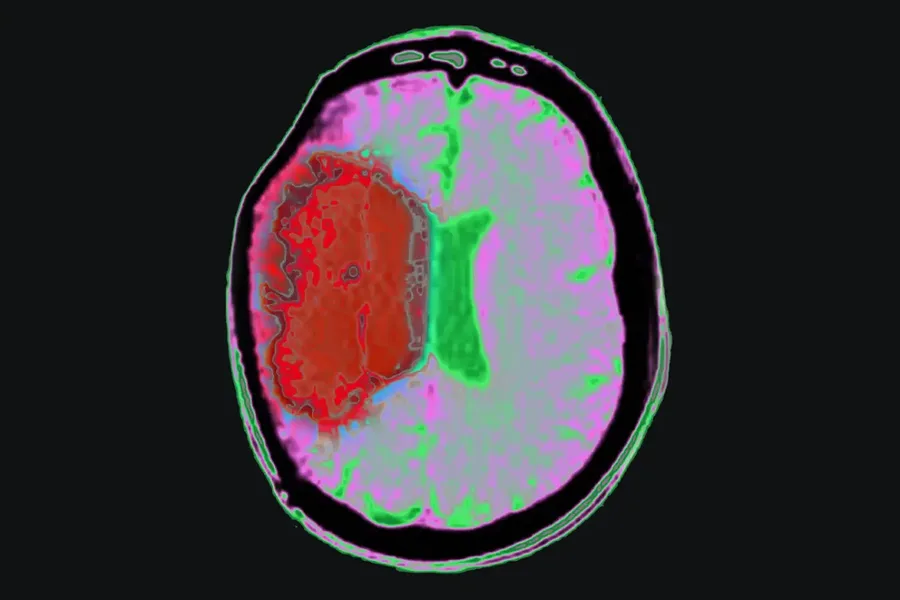
Putting brain cells into a hibernation-like state via drugs that cool down core body temperature may help to preserve them following a stroke
Sarah O'Connor's We Are Not Machines explores how we are contorting ourselves to fit AI into our working lives – and what to do about it, finds Tom Knowles
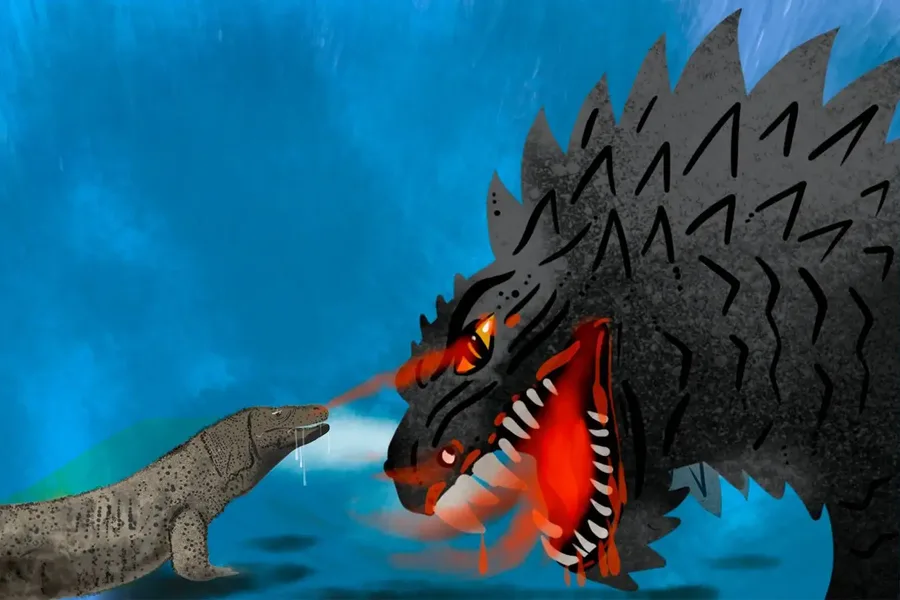
Feedback is delighted to explore research digging into the relationship between a reptile's body mass and the length of its Wikipedia entry – but would like to throw Godzilla into the mix
DNA evidence shows that plague bacteria devastated a community in Siberia more than 5000 years ago, challenging the idea that there were no major disease outbreaks before the advent of farming and large settlements
Bird-mounted headsets and backpacks have revealed the surprising things pigeons do with their eyes when on the wing
By the time we’re born, our brains have all the hardware in place to form thoughts, and possibly even some conscious awareness
research.ioSign up to keep scrolling
Create your feed subscriptions, save articles, keep scrolling.