
Chemistry Steps

This content is for registered users only. Click here to Register! By joining Chemistry Steps, you will gain instant access to the answers and solutions for all the Practice Problems, including over 40 hours of problem-solving videos, Multiple-Choice Quizzes, Puzzles, Reaction ... Read more The post The g and u Notation in MO Diagrams appeared first on Chemistry Steps .
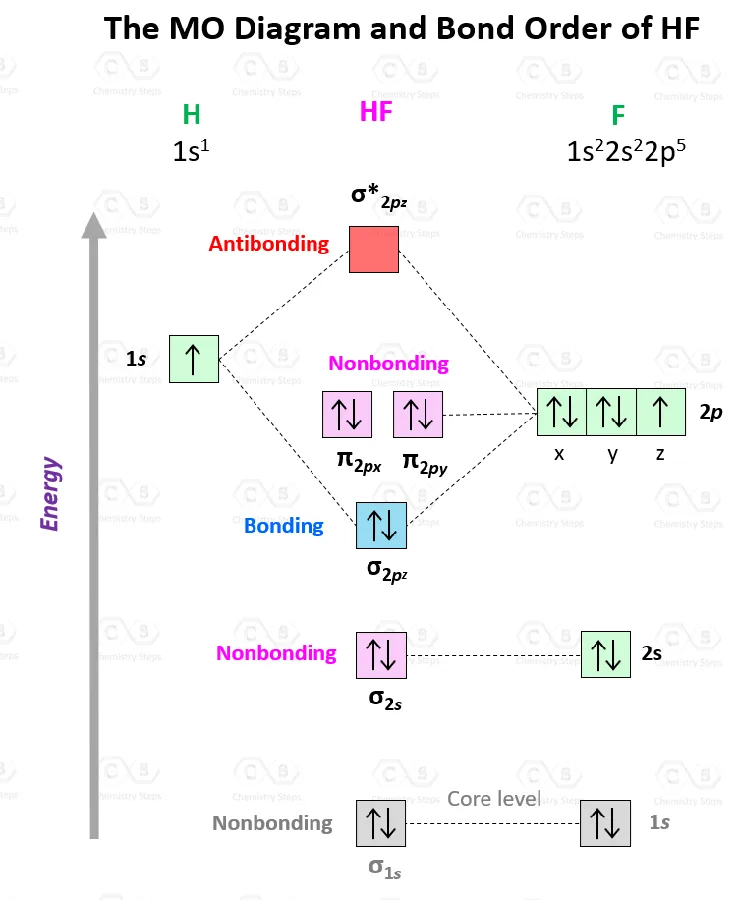
This content is for registered users only. Click here to Register! By joining Chemistry Steps, you will gain instant access to the answers and solutions for all the Practice Problems, including over 40 hours of problem-solving videos, Multiple-Choice Quizzes, Puzzles, Reaction ... Read more The post MO diagrams of Heteronuclear Diatomic Molecules appeared first on Chemistry Steps .
Dr. S. Gevorg
2d ago

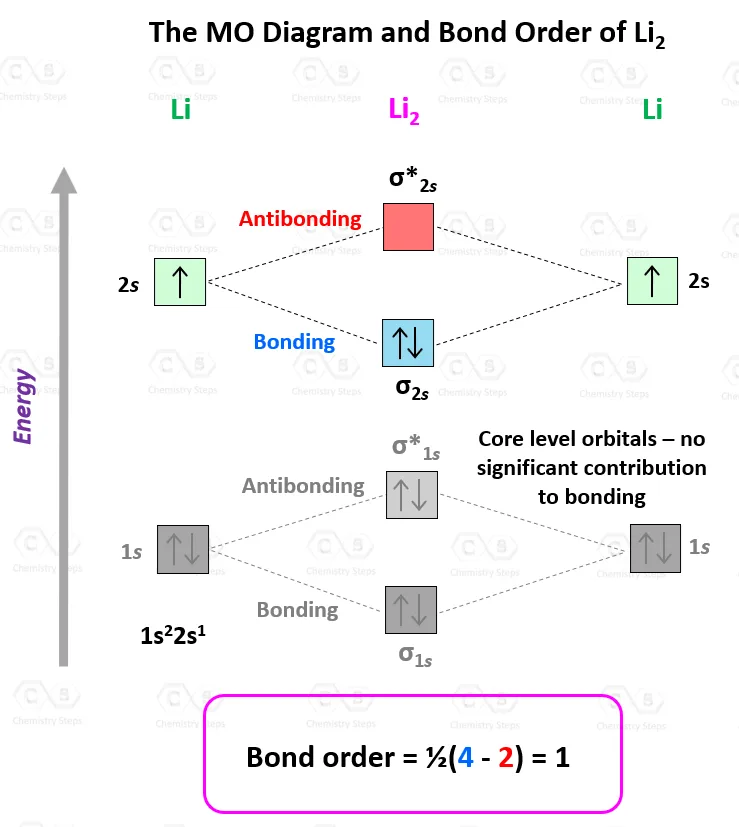
This content is for registered users only. Click here to Register! By joining Chemistry Steps, you will gain instant access to the answers and solutions for all the Practice Problems, including over 40 hours of problem-solving videos, Multiple-Choice Quizzes, Puzzles, Reaction ... Read more The post Molecular Orbitals of Li₂ appeared first on Chemistry Steps .
Dr. S. Gevorg
2d ago

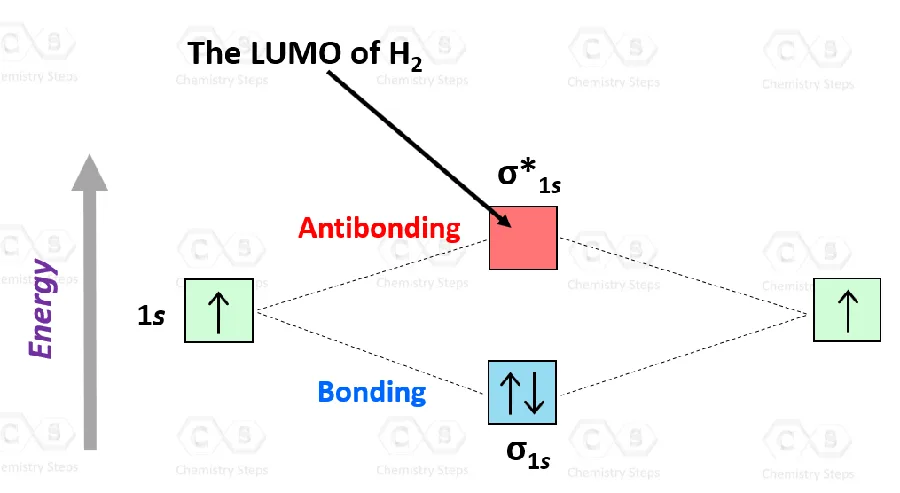
This content is for registered users only. Click here to Register! By joining Chemistry Steps, you will gain instant access to the answers and solutions for all the Practice Problems, including over 40 hours of problem-solving videos, Multiple-Choice Quizzes, Puzzles, Reaction ... Read more The post Molecular Hydrogen Ions appeared first on Chemistry Steps .
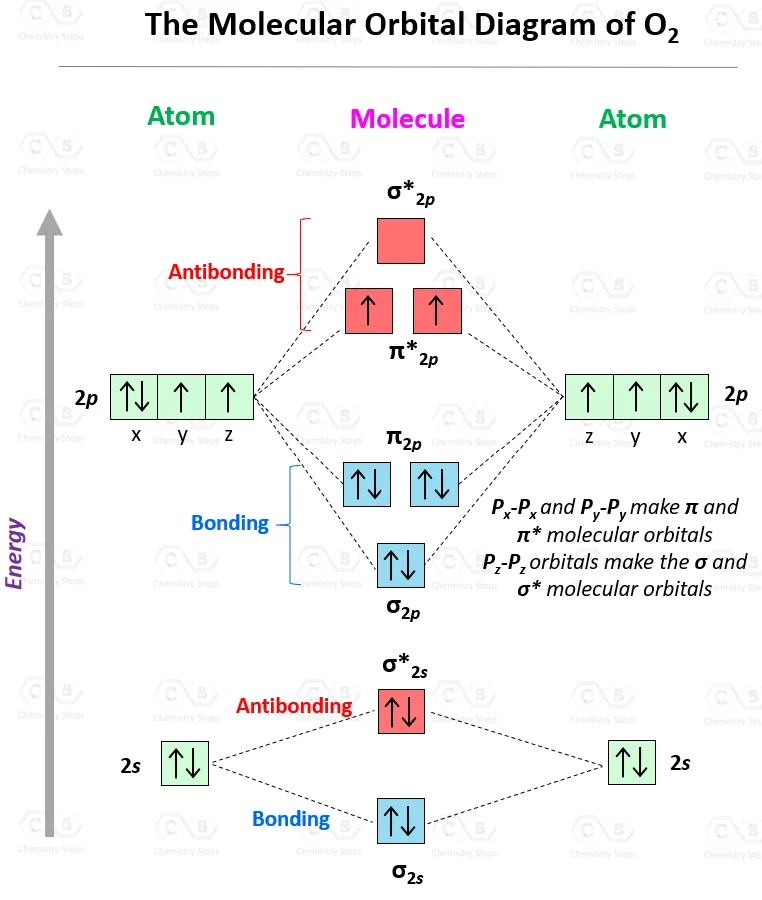
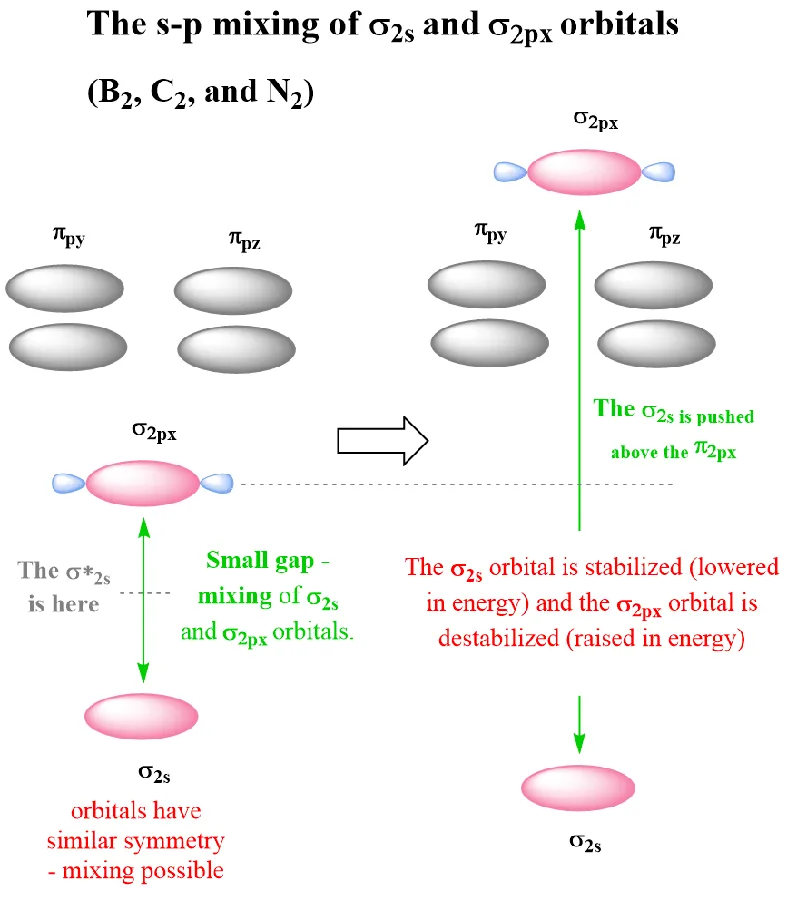
This content is for registered users only. Click here to Register! By joining Chemistry Steps, you will gain instant access to the answers and solutions for all the Practice Problems, including over 40 hours of problem-solving videos, Multiple-Choice Quizzes, Puzzles, Reaction ... Read more The post s-p Mixing in Molecular Orbital Diagrams appeared first on Chemistry Steps .
Dr. S. Gevorg
5d ago

From the basics of valence bond theory and chemical bonding, we know that covalent bonds are formed by an overlap of atomic or hybrid orbitals. Let’s just collectively call them orbitals. So covalent bonds are formed by an overlap of ... Read more The post Molecular Orbitals Made Easy appeared first on Chemistry Steps .

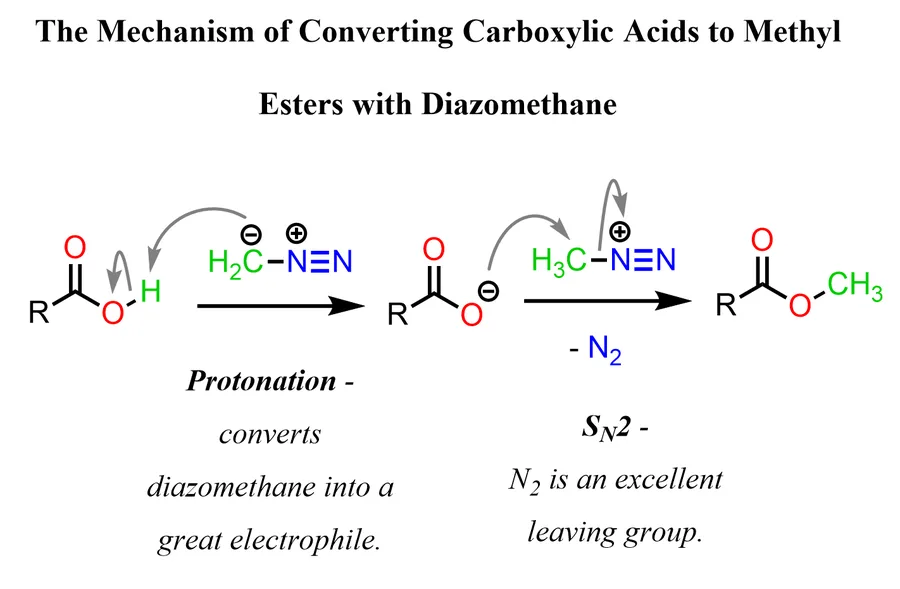
Diazomethane is a quite interesting compound that is used in many synthetic transformations. So, before going over these reactions, let’s draw the structure of diazomethane by showing the corresponding resonance structures:     The main theme that gives the characteristic ... Read more The post The Reactions of Diazomethane, CH2N2 appeared first on Chemistry Steps .

Oximes are compounds containing a C=N-OH functional group. They are prepared by a condensation reaction of aldehydes or ketones with hydroxylamine under mildly acidic conditions:     The reaction starts with a nucleophilic addition of hydroxylamine to the carbonyl group, ... Read more The post Formation and Reactions of Oximes appeared first on Chemistry Steps .

Organolithiums are extremely good nucleophiles and strong bases, and it should not be a surprise that they readily react with epoxides, which are highly strained electrophiles. The nucleophilic attack of the organolithium opens the epoxide ring, forming an alkoxide ion, which, ... Read more The post The Reaction of Organolithiums, RLi, with Epoxides appeared first on Chemistry Steps .

One of the first reactions of Grignard reagents we learn is the one with aldehydes and ketones, where secondary and tertiary alcohols are formed:     These are classic examples of nucleophilic addition reactions to carbonyl compounds, and the good ... Read more The post The Reaction of Organolithiums (RLi) with Aldehydes and Ketones appeared first on Chemistry Steps .

Esters are reacted with an excess of organolithium reagents to obtain tertiary alcohols. As always with any organometallic reagents, such as Grignard (RMgX), organocuprates (R2CuLi), etc., the reaction must be carried out under dry conditions to avoid quenching the reagent: ... Read more The post The Reaction of Organolithiums (RLi) with Esters appeared first on Chemistry Steps .

We have learned in the discussions about Grignard reagents that they must be used in dry conditions and aprotic solvents because the organometallics are strong bases and are quenched in any medium with acidic protons:     So, if we ... Read more The post Reaction of Organolithium RLi with Carboxylic Acids appeared first on Chemistry Steps .

Dr. S. Gevorg
23d ago

We have seen earlier that the length of carbohydrates can be enlarged by using the Kiliani-Fischer synthesis, where an aldose is converted into the next higher aldose by adding one carbon to the chain:     The reverse, that is, ... Read more The post Ruff Degradation appeared first on Chemistry Steps .

The oxidative cleavage of alkynes is typically achieved with ozonolysis or by reacting them with a basic or acidic solution of potassium permanganate (KMnO₄). For internal alkynes, the products of the reaction are a pair of carboxylic acids, and for ... Read more The post Oxidative Cleavage of Alkynes with O3 and KMnO4 appeared first on Chemistry Steps .

Dr. S. Gevorg
25d ago

In the Wolff rearrangement, an α-diazocarbonyl compound is converted into a ketene by the loss of nitrogen, which is facilitated by a 1,2-shift (1,2-rearrangement):     As a reminder, ketenes are highly reactive species that contain a C=C=O functional group: ... Read more The post Wolff Rearrangement appeared first on Chemistry Steps .

The Structure of Ketenes Ketenes are compounds containing a C=C=O functional group:     The structure and geometry of ketenes are similar to those of allenes, where three carbon atoms are connected via double bonds. As much as the central ... Read more The post Structure, Preparation, and Reactions of Ketenes appeared first on Chemistry Steps .

Dr. S. Gevorg
25d ago

The Arndt-Eistert reaction is used for extending the carbon chain of carboxylic acids by one carbon atom:     The extra carbon is introduced via diazomethane (CH2N2), which is quite nucleophilic and, upon reacting with an acid chloride, forms a ... Read more The post Arndt-Eistert Reaction appeared first on Chemistry Steps .