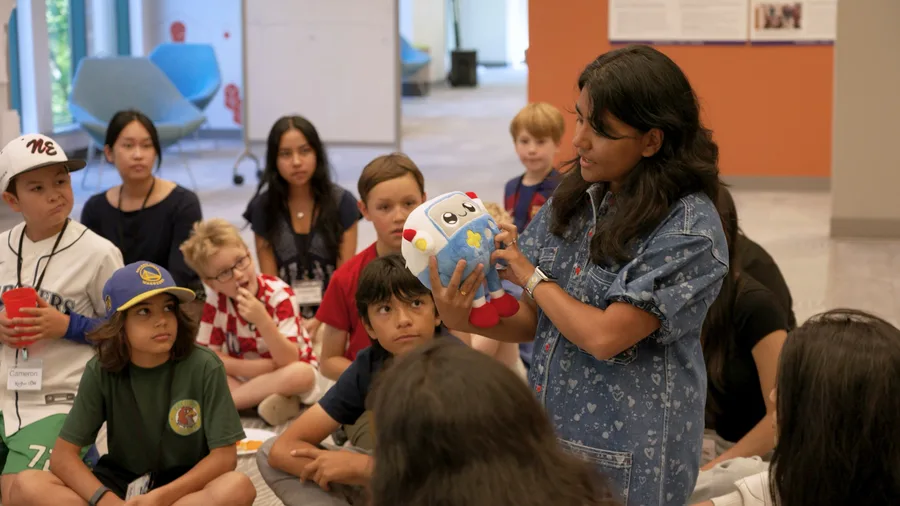
University of Washington researchers gathered eight kids on campus to explore how they played with AI toys. The kids initially were curious, asking introductory questions, such as "What is your name?" But after communication breakdowns, the kids turned to antagonizing the toys, calling them "ugly" and "evil" and joking about throwing them in the ocean.
College of Liberal Arts and Sciences·University of Illinois Urbana-Champaign
6d ago
A five-week training intervention taught college students to better regulate their emotions in response to negative events, a new study finds. After the training, the students reported less emotional distress when viewing negative images or thinking about difficult events.
An ongoing national teacher shortage has created a sense of urgency to better understand why educators choose to stay in their positions -- and why they leave. Does support from administrative leadership help keep teachers in their jobs by making them feel safer and less stressed? And when teachers experience violence from students in their classrooms, does it weaken the impact of that protective…
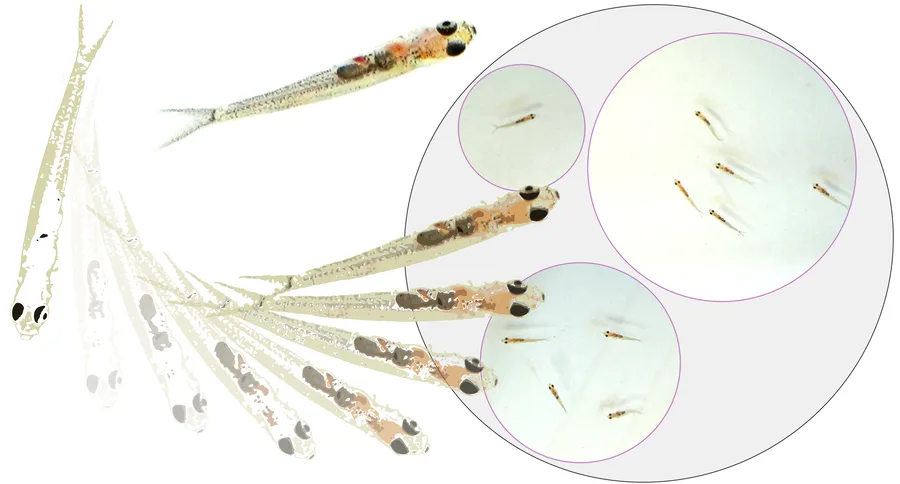
Stickleback fish can change their social behaviour to help them find food in cloudy water a new study by the University of Bristol and published in Proceedings of the Royal Society B today [Wednesday 2 September 2026] has found.
A new report that will help higher education professionals identify and address male supremacist narratives on college campuses has been released by The Polarization & Extremism Research & Innovation Lab (PERIL) at American University.
College of Liberal Arts and Sciences·University of Illinois Urbana-Champaign
8d ago
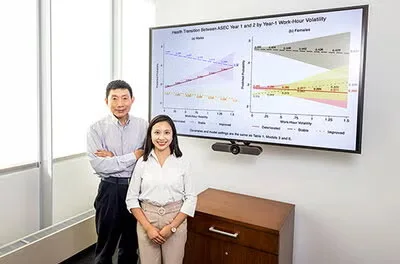
Workers who juggle volatile work hours that change from week to week may experience adverse health effects that impact their ability to work, although the limitations vary by gender, say researchers who conducted a recent study.
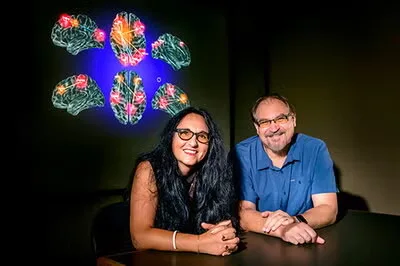
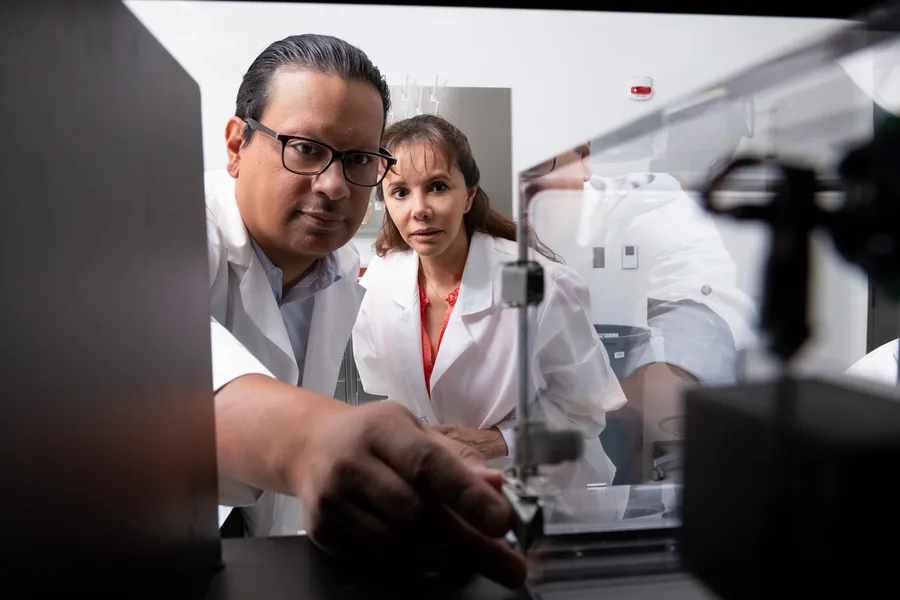
Scientists have developed a new understanding of how fish interact as they school in groups. Fish were found to copy their neighbors to align their movements within schools. The discovery opens a door to examining how the brains of individuals interact to produce group-level collective behavior.
Nicotine vaping during adolescence may leave a lasting imprint on the brain's reward system, driving nicotine-seeking behavior well into adulthood even after long stretches without any exposure, according to new research led by scientists at The University of Texas at El Paso.
New research found that adverse childhood experiences, particularly negative relationships between a child and parent, were linked to more frequent drinking during periods of extreme heat.
Envy plays a greater role when resources are allocated through majority voting than when we make decisions individually. This is shown by new research from Linkoping University, Sweden.
A trio of papers informed by studies from COSMOS at UA Little Rock were accepted for publication at the 30th Pacific Asia Conference on Information Systems (PACIS 2026) in Jakarta, Indonesia.
The Lindsay Clancy trial has put a spotlight on perinatal mental health; free online resources for pregnant women, new mothers and those who provide care or support to them can help. A Michigan program offers a patten for real-time expert help.
Two disorders with big names--trichotillomania (repeated hair-pulling) and excoriation disorder (repeated skin-picking)--were the focus of a recent Yale study looking at potential genetic causes. The two disorders are part of a group called body-focused repetitive behaviors, or BFRBs.
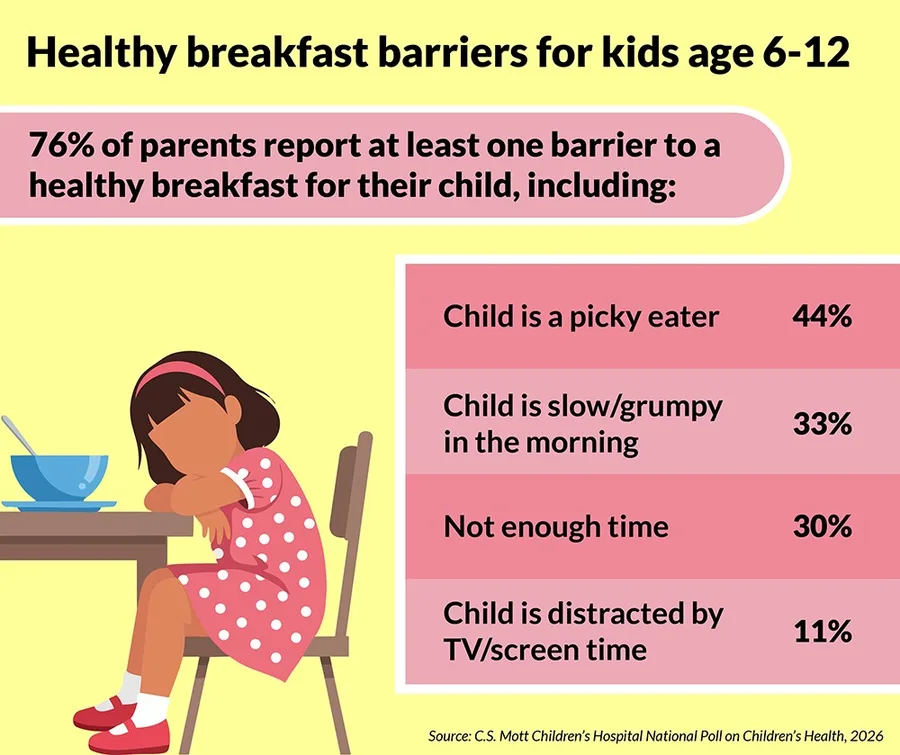
Three-quarters of parents report at least one barrier to their child starting the day with a healthy meal on a typical school day, according to the University of Michigan Health C.S. Mott Children's Hospital National Poll on Children's Health.
"She's your mom." "They're your family." "Blood is thicker than water." For generations, these familiar idioms have illustrated what Rin Reczek and Emma Bosley-Smith, co-authors of the 2022 book "Families We Keep: LGBTQ People and Their Enduring Bonds with Parents" (NYU Press), term compulsory kinship: the social expectation that biological and legal family ties must be preserved at all costs.
In…













 research.io