
environmental-law

International environmental law governs environmental protection, transboundary harm, shared resources, and global environmental risks through treaties, customary international law, and general international law. This article explains prevention, precaution, environmental impact assessment, sustainable development, major treaty regimes, compliance, and State responsibility.

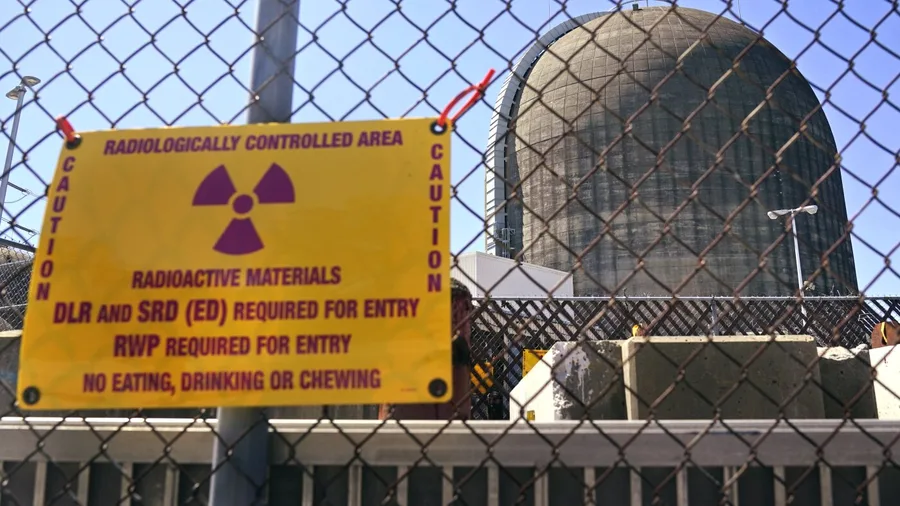
The Nuclear Regulatory Commission is proposing a new rule that addresses two different aspects of agency oversight. In “In Situ Recovery Monitoring and Decommissioning Timeliness,” published online on September 1, the NRC proposes in the first part of the new rule to establish risk-informed criteria for protecting drinking water from radiological and nonradiological contamination near uranium in …

Plaintiffs are continuing to press the Trump administration in federal court to restore $3 billion in grant funding for environmental and climate justice programs that would benefit underserved communities, as a Sept. 30 deadline nears. The plaintiffs in the litigation over the Environmental and Climate Justice Block Grant program filed a motion late Tuesday asking […]

Aathi Thiruvaranga Pandiyan, The Central Law College, Salem ABSTRACT The rapid, largely unregulated expansion of synthetic athletic surfaces across schools, colleges, municipal grounds, and professional stadia has generated a contested but increasingly urgent public health question: does prolonged contact with artificial turf, and in particular its crumb-rubber infill, expose players to carcinoge…

A federal judge has temporarily blocked the Environmental Protection Agency from challenging California’s longstanding authority to set vehicle pollution stan tdadards stricter than federal requirements. The legal dispute stems from a decision announced in June by EPA administrator Lee Zeldin, who said the agency had determined that four of California’s Clean Air Act preemption waivers […]

Dan Farber
4d ago

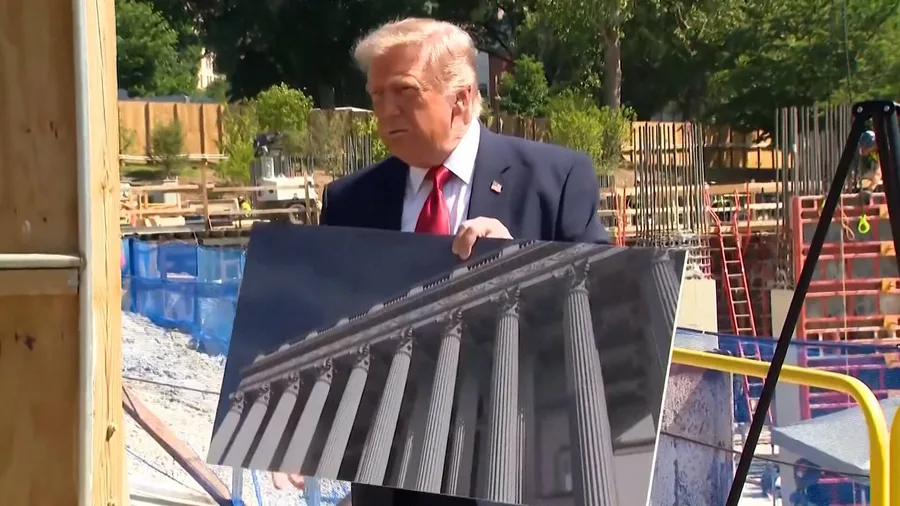
There’s a lot of concern about how the Supreme Court’s opinion in the ballroom case could impact environmental law.  In the majority’s view, the problem was that the plaintiff lacked standing.  The concern is that the Court may have cut back standing doctrine in a way that will block many environmental cases.  You never know what the Court might do down the road, but I think the opinion itself is…

Mosa. Sejuti Khatun, Md. Al Amin & Sanzida Ali Sharmi ABSTRACT Road traffic crashes are an acute issue, that touches on aspects of legality, public health, development and economics. Bangladesh continues to struggle to reduce traffic crash fatalities, injuries and overall impacts on vulnerable road users. This article reviews Bangladesh’s legal and institutional approaches to road safety, hig…

Ambika Aggarwal, North Cap University ABSTRACT Public International law was designed by and for sovereign states. Corporations, including the small cluster of investor-owned entities responsible for a disproportionate share of historical greenhouse gas emissions, have traditionally occupied the status of objects rather than subjects of that legal order, and therefore bear no direct legal obligati…

The Democratic Republic of the Congo recently adopted a necessary national legal system on the protection of human rights defenders, which now complements the Protection and Responsibility of Human Rights Defenders law and its ministerial implementing decree of 2024. Provincial protection frameworks were adopted earlier in provincial edicts in South Kivu in 2016 and North Kivu in 2019. The combin…

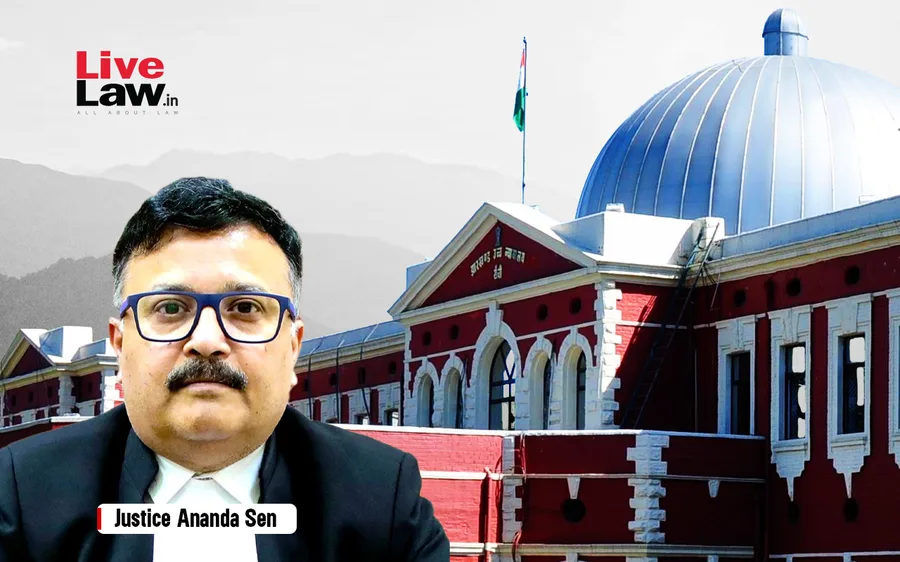
Shivsai S Nakul, National Law University Odisha India’s colonial-era High Courts were not merely designed as houses of adjudication; they were carefully integrated into the grand architecture of empire, deliberately sited next to sprawling, landscaped maidans, parks, and public gardens. This British civic planning was meant to project an aura of serene, detached authority. Decades later, however,…

This is the second of two posts examining New Zealand’s Climate Change Response (Tort Liability) Amendment Act 2026. Part I examined the legislation’s intervention in Smith v Fonterra and situated it within an emerging international backlash against corporate climate litigation. This post asks a different question: what does New Zealand’s decision to extinguish climate tort [&#8…

Dr. Babita Negi, Independent Researcher, Himachal Pradesh, India ABSTRACT Wildlife constitutes an essential component of the ecological system and plays a significant role in maintaining biodiversity, ecological balance and the well-being of present and future generations. India, with its diverse geographical regions and rich biological resources, possesses a wide variety of flora and fauna. Howe…

This is the second of three consecutive posts on corporate climate accountability. Yesterday’s post examined the Paris Judicial Court’s June 2026 ruling in Notre Affaire à Tous et al. v. TotalEnergies SE.  On August 18, 2026, New Zealand’s Parliament enacted the Climate Change Response (Tort Liability) Amendment Act 2026 (the Liability Act), passing 67 votes to […]

Deepanshi Shukla & Rishav Srivastva, B.A. LL.B. (Hons.), National Law University and Judicial Academy, Assam ABSTRACT A major advancement in the regulation of environmental marketing in India is the Central Consumer Protection Authority's Guidelines for Prevention and Regulation of Greenwashing or Misleading Environmental Claims, 2024. The Guidelines attempt to counter environmental claims ma…

research.ioresearch.io

Sign up to keep scrolling

Create your feed subscriptions, save articles, keep scrolling.

Already have an account?