

Tanshinones--the bioactive compounds responsible for the cardiovascular benefits of the traditional Chinese medicinal herb Salvia miltiorrhiza--accumulate at relatively low levels in the plant, limiting their therapeutic and commercial potential. While abscisic acid (ABA) treatment has long been known to boost tanshinone production, the molecular players mediating this response have remained largely unclear. Now, researchers have identified a transcription factor, SmMYB32, that acts as a key positive regulator of tanshinone biosynthesis. The study reveals how ABA signaling is directly wired to the plant's secondary metabolic machinery, uncovering a finely tuned regulatory circuit that offers a new molecular target for enhancing the production of these valuable compounds.
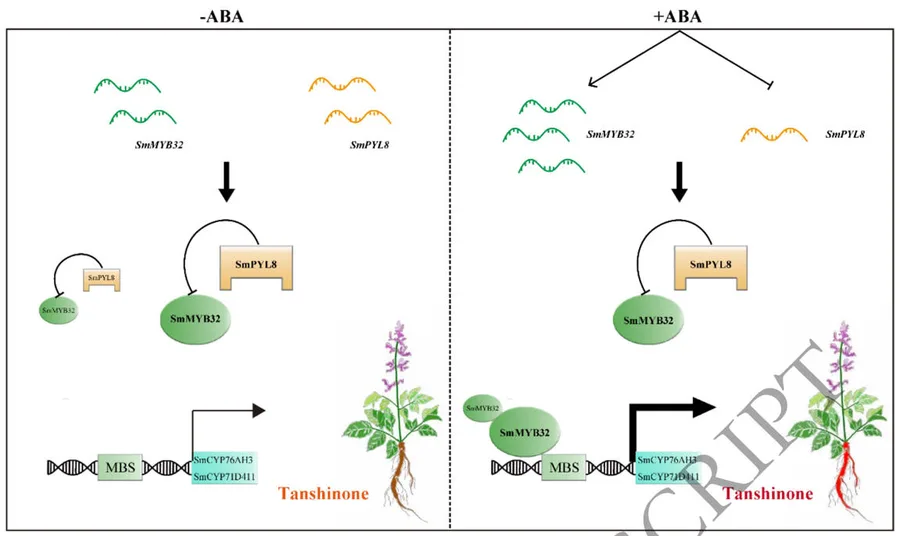
A Missing Link in Medicinal Plant Hormone Signaling
Chinese Academy of Sciences