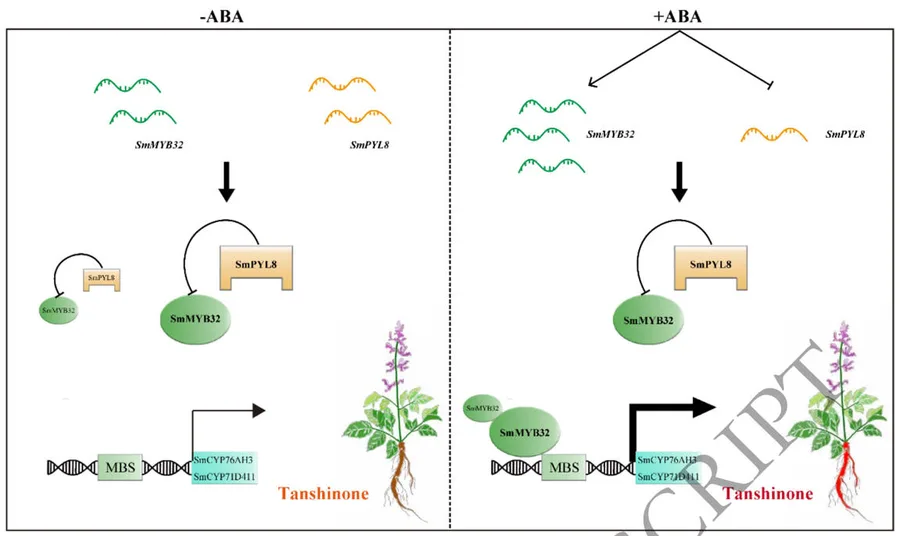
Tanshinones--the bioactive compounds responsible for the cardiovascular benefits of the traditional Chinese medicinal herb Salvia miltiorrhiza--accumulate at relatively low levels in the plant, limiting their therapeutic and commercial potential. While abscisic acid (ABA) treatment has long been known to boost tanshinone production, the molecular players mediating this response have remained larg…
Scientists from Paul Scherrer Institute PSI have used an electric field to reverse the handedness of atomic vibrations known as chiral phonons. Chiral phonons link magnetism with atomic motion. The ability to control them opens new possibilities for phonon-based information technologies.
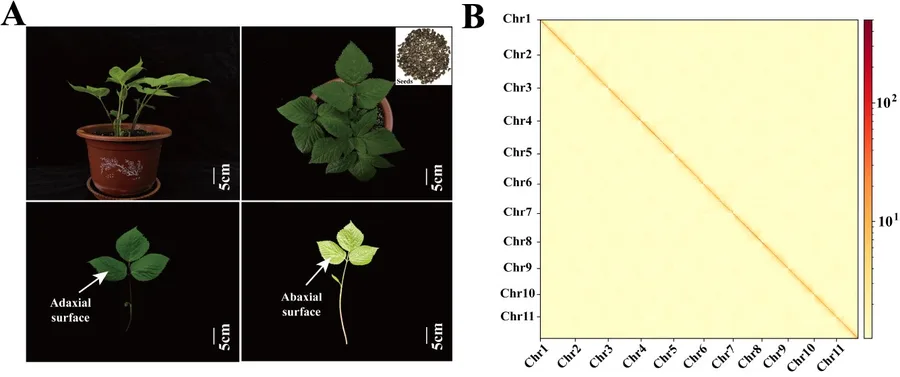
A wild vegetable treasured in Northeast China for both its nutritional value and medicinal properties has had its entire genetic code deciphered for the first time. Scientists have assembled a chromosome-level genome of Spuriopimpinella brachycarpa--a 4.12-gigabase blueprint that reveals how this plant produces flavonoids and terpenoids, two classes of bioactive compounds with antioxidant, anti-i…
Researchers at Asfendiyarov Kazakh National Medical University (KazNMU) have identified biologically active compounds with antiviral, antimicrobial, and anti-inflammatory effects in several plant species native to Kazakhstan, providing new chemical and experimental data on medicinal flora from Central Asia.
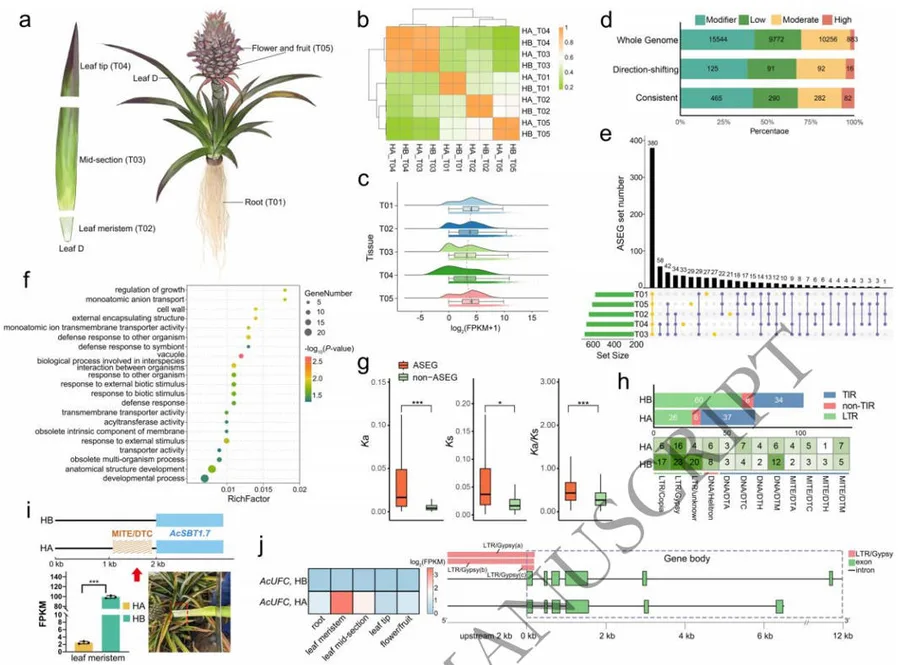
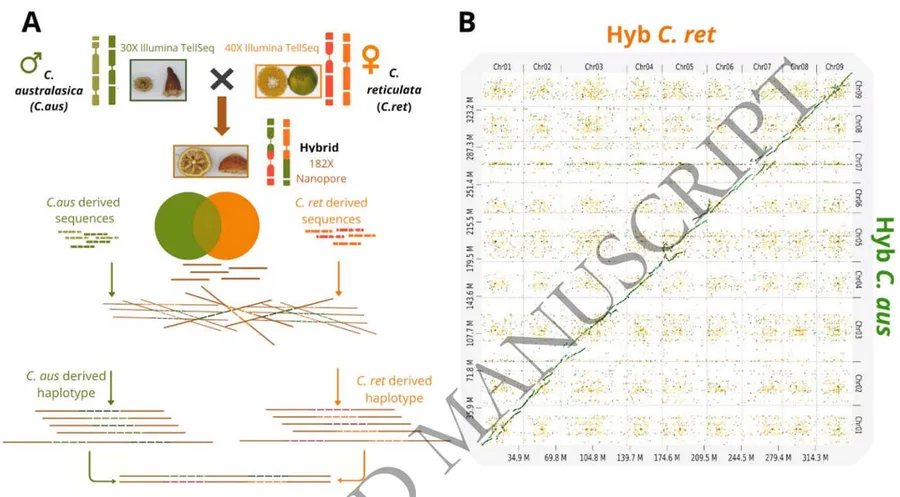
For decades, plant breeders have worked with collapsed genome assemblies that merge two parental haplotypes into one, losing critical genetic information in the process.
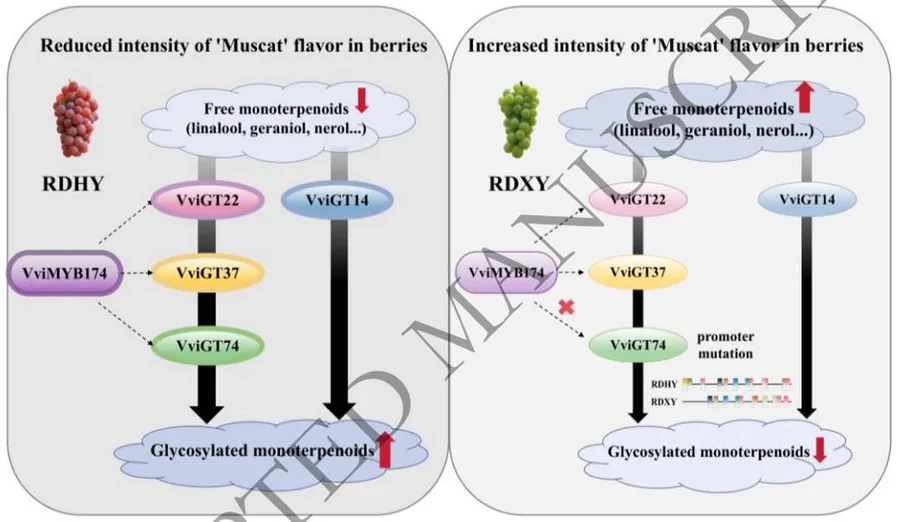
Grape aroma is shaped not only by the volatile compounds we can smell but also by their non volatile, sugar bound counterparts--flavour precursors locked away until fermentation releases them. Now, researchers have uncovered the genetic machinery that controls this hidden aroma reservoir in grapes.
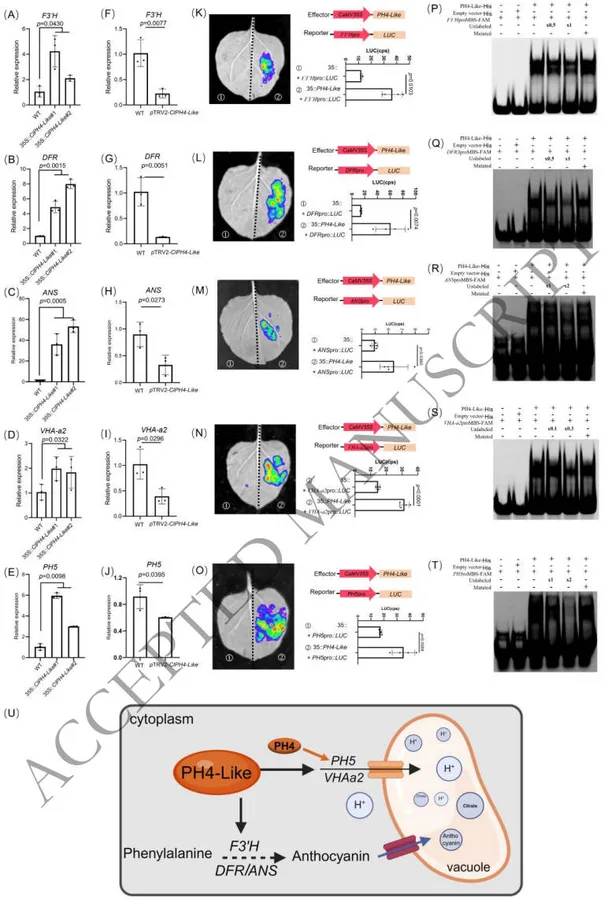
For the first time, researchers have discovered a single gene that simultaneously controls both the sourness and the colour of citrus fruit. The study identifies a transcription factor called PH4‑Like in the purple wampee, a rare citrus relative, that independently regulates the accumulation of citric acid--which gives fruit its tangy flavour--and anthocyanins, the pigments responsible for red, p…
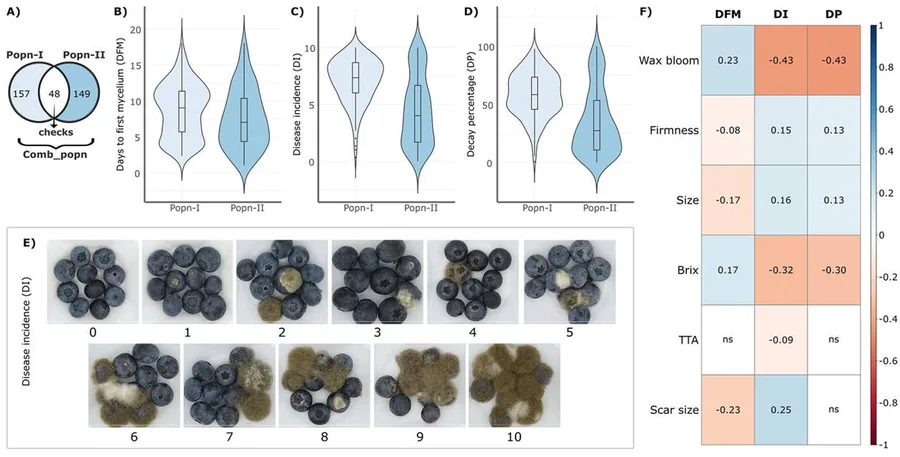
Gray mold can quietly follow blueberries from the field into storage, turning healthy-looking fruit into postharvest losses and narrowing the window for long-distance marketing. A new integrative study shows that resistance to Botrytis cinerea fruit rot is not controlled by a single genetic switch, but by many small genomic effects and early immune responses that help fruit hold the pathogen back.
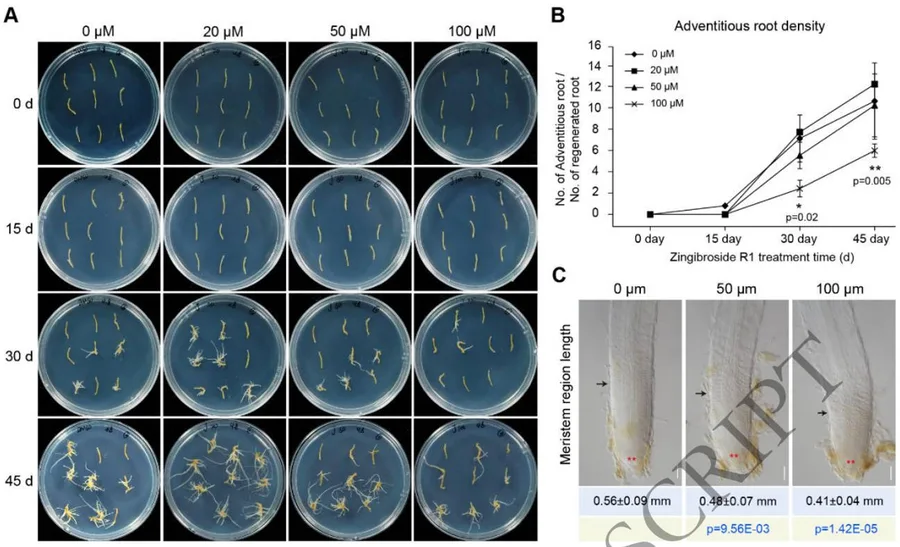
Plants of the Panax genus--which includes ginseng and notoginseng--are known to suppress the growth of neighbouring plants through chemical warfare, but the precise molecular weapons and their targets have remained unclear. Now, researchers have identified Zingibroside R1 (ZR1), a rare ginsenoside found in aged and wild Panax species, as a potent allelochemical that inhibits root growth. The stud…
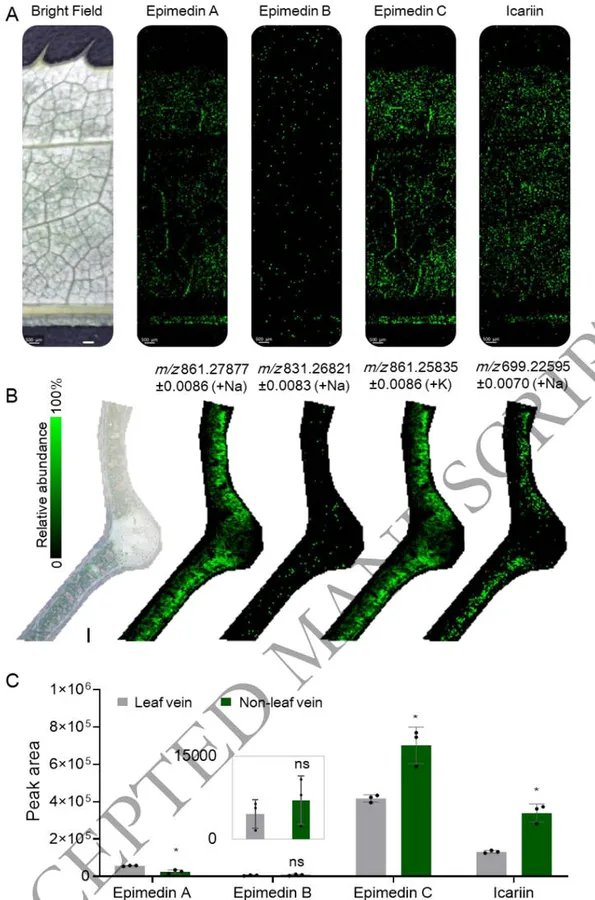
For centuries, Epimedium has been used in traditional medicine to support bone health and vitality, yet the precise location of its active compounds within the plant--and the enzymes that create them--has remained a mystery. Now, researchers have mapped where these medicinal molecules accumulate and identified a single enzyme capable of producing a remarkable diversity of flavonol glycosides from…
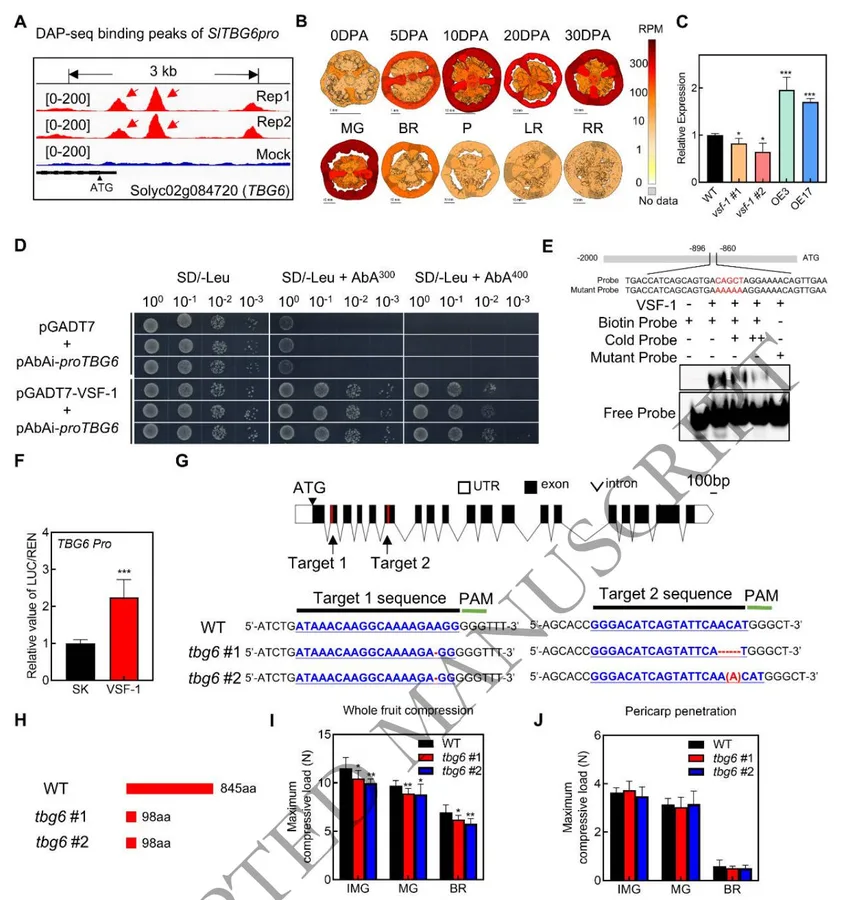
Fruit firmness is usually treated as a trait that is lost during ripening, but new evidence shows that part of the story begins much earlier, while the fruit is still building its structure. The study identifies the basic leucine zipper (bZIP) transcription factor VSF-1 as a positive regulator of tomato firmness during development. Removing the VSF-1 gene softened fruit, whereas increasing VSF-1 …
DNA methylation typically silences genes, but in citrus, a surprising reversal occurs. Researchers found that CHH methylation--a type of DNA methylation usually associated with gene repression--is actually linked to higher gene expression in citrus hybrids. By analyzing a cross between mandarin (Citrus reticulata) and finger lime (Citrus australasica), the team discovered that this methylation pa…
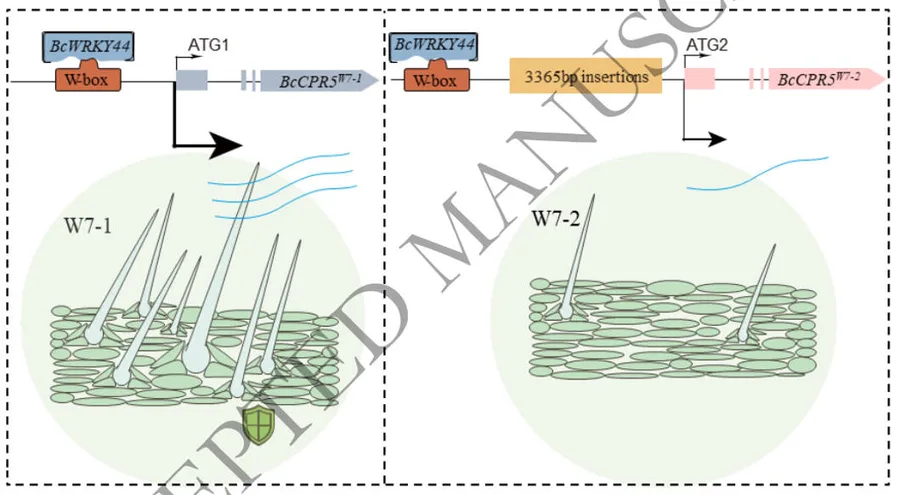
A research team has uncovered the genetic mechanism behind hairlessness in wucai, a leafy vegetable widely grown in southern China. By comparing a hairy wucai line with a nearly hairless one, they identified a transposon insertion in the promoter of a key gene, BcCPR5, that cripples its expression and dramatically reduces trichome density.
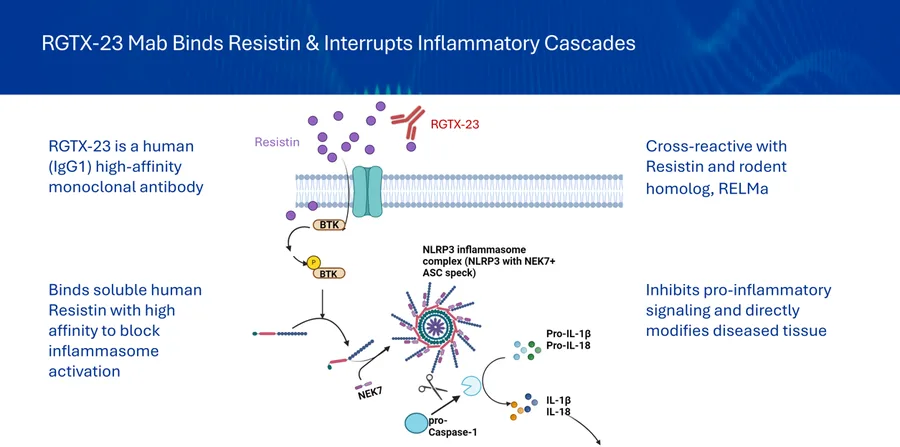
Researchers at Johns Hopkins Medicine have uncovered a critical biological mechanism that helps explain how inflammation is triggered and sustained in a wide range of diseases--highlighting a promising avenue for future therapeutic development.
Pseudomonas aeruginosa typically carries three T6SSs, but clinical isolates can harbor an additional H4 system whose function was unknown. Wu et al. show that the H4-T6SS of clinical isolate LYSZa7 is a functional secretion apparatus when transcriptionally activated. They identify TseMt as a major antibacterial effector that acts in the periplasm, binds membranes, and forms ion-conducting pores. …
Iowa State's Wenjie Xia is leading a team developing data-driven, materials-by-design approaches to discover organic electronic materials. The materials could be used for flexible electronics, wearable sensors, bioelectronics and other emerging technologies.
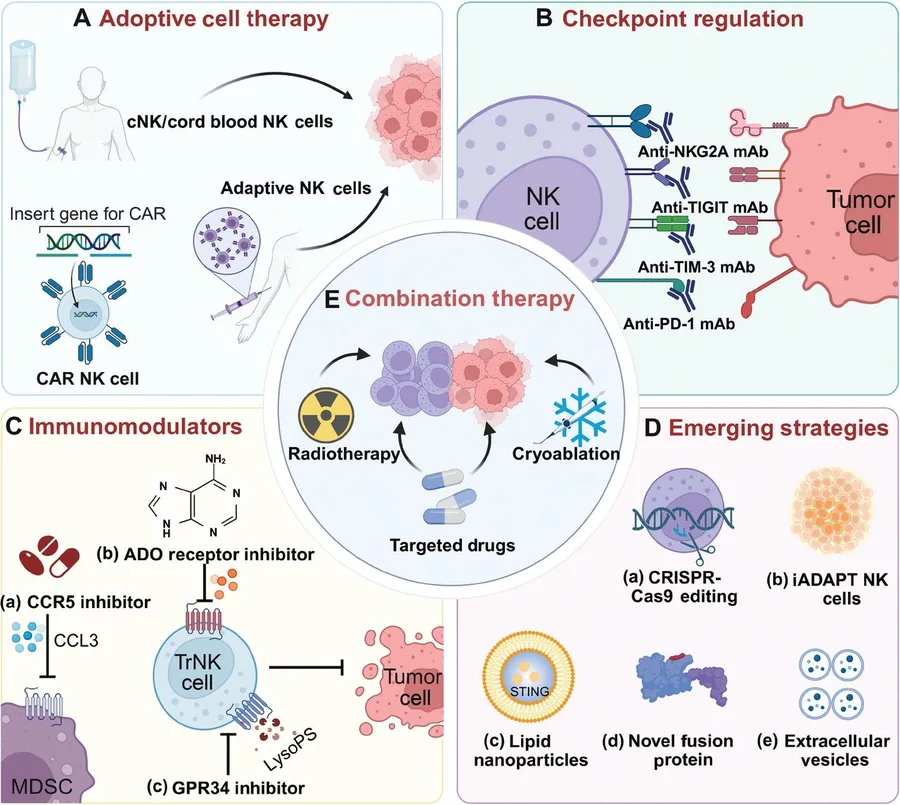
Natural killer (NK) cells are frontline immune defenders against cancer, but their behavior inside tumors is far more complex than previously understood. A comprehensive review now shows that the tumor microenvironment does not simply suppress these cells -- it actively reshapes them into distinct functional subsets with specialized roles, ranging from exhausted fighters to potent memory-like kil…
Researchers at Moffitt Cancer Center have developed a new strategy for designing cancer treatment schedules that may help slow the development of drug resistance, one of the biggest challenges in cancer care.





 research.io