

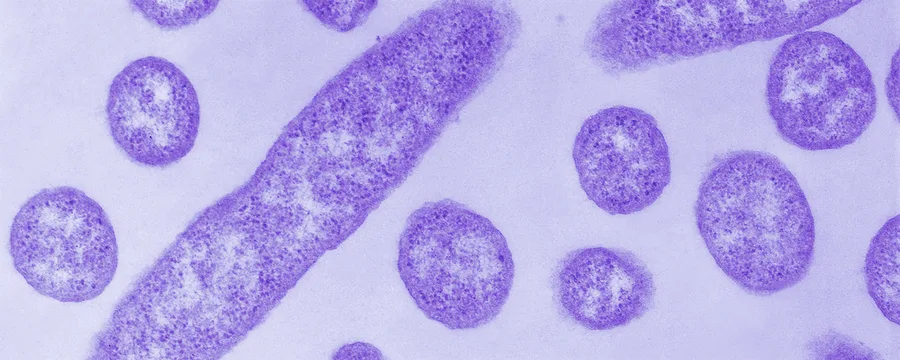
Van Andel Institute scientists have discovered a new layer to the arms race between human cells and bacterial pathogens that infect them. The findings focus on RomA, a protein that Legionella bacteria release into host cells to create more favorable conditions. RomA works by altering how the host's genes are controlled. The team discovered RomA can read and respond to the host cell's existing epigenetic landscape -- and that those same epigenetic signals determine where RomA can and cannot act. The findings are the first evidence that RomA and other similar proteins can be regulated by the host's existing epigenetic landscape. These insights could inform future therapeutic strategies.
For Legionella Bacteria, Taking Over a Cell Means Playing by Its Rules
Van Andel Institute