Newswise Feature Channel: Immunology

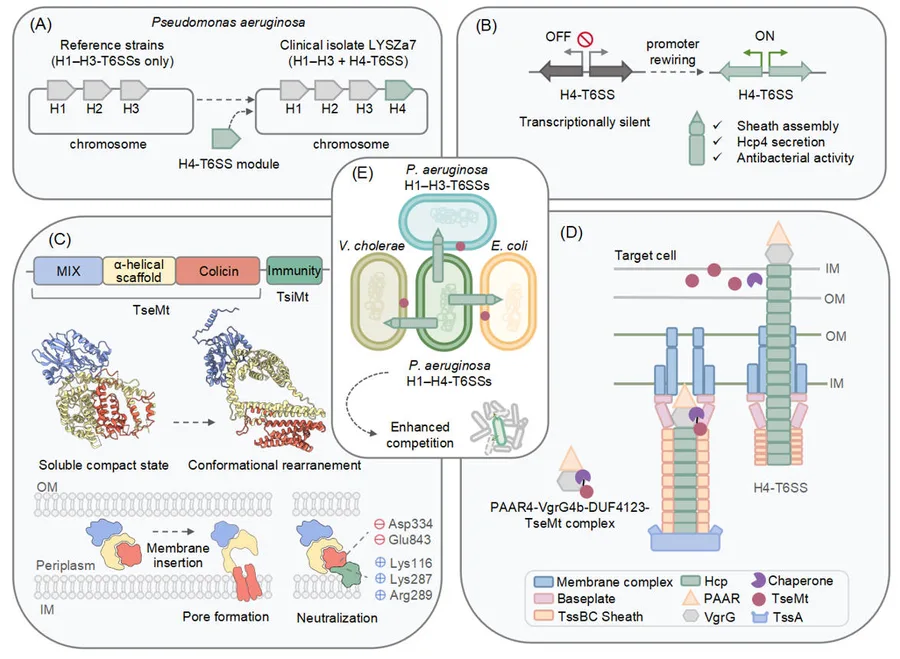
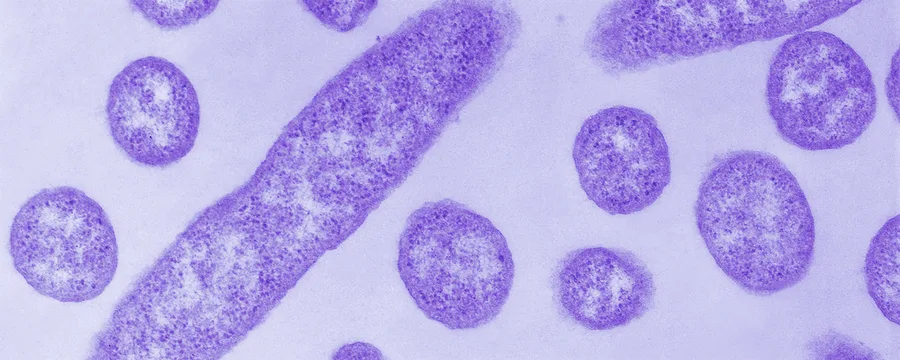
Pseudomonas aeruginosa typically carries three T6SSs, but clinical isolates can harbor an additional H4 system whose function was unknown. Wu et al. show that the H4-T6SS of clinical isolate LYSZa7 is a functional secretion apparatus when transcriptionally activated. They identify TseMt as a major antibacterial effector that acts in the periplasm, binds membranes, and forms ion-conducting pores. …

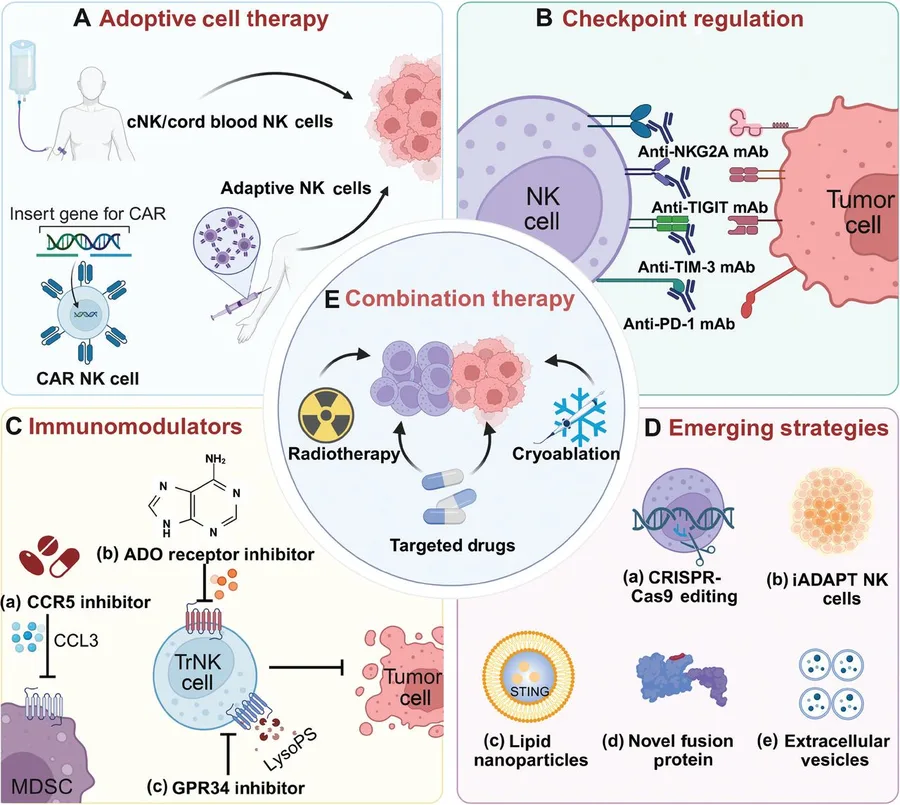
Natural killer (NK) cells are frontline immune defenders against cancer, but their behavior inside tumors is far more complex than previously understood. A comprehensive review now shows that the tumor microenvironment does not simply suppress these cells -- it actively reshapes them into distinct functional subsets with specialized roles, ranging from exhausted fighters to potent memory-like kil…

New research from Dana-Farber Cancer Institute scientists suggests that cyclin-dependent kinase 2 (CDK2) inhibitors, which are currently being tested as treatments that slow the growth of a narrow range of cancers, could potentially be more broadly applicable to a wide range of cancers when combined with immunotherapy.

* Researchers have discovered that mammalian genes can combine to make chimeric mRNAs, which carry the instructions to produce previously unknown, functional proteins. * The first chimeric mRNA they investigated, in mice, has an important role in modulating inflammatory responses. * Findings expand understanding of biology, genome and add potentially thousands of new targets for drug discovery.

University of California·San Francisco (UCSF)
7d ago
An international research network led in North America by UC San Francisco (UCSF) has received a $9 million award to uncover how the immune system attacks the heart, leading to myocarditis and other inflammatory heart muscle diseases. The goal is to systematically identify the T cells involved in inflammatory heart disease, determine the cardiac antigens they recognize, and use that information t…

Scientists at Sanford Burnham Prebys Medical Discovery Institute and an international team of collaborators published findings August 20, 2026, in Nature Aging unpacking a biological paradox, finding that a well-known cell proliferation gene also plays a distinct role in cells that no longer proliferate. It served as a driver of chronic inflammation linked to age-related disease, marking it as a …

UT Southwestern Medical Center
10d ago

Researchers at UT Southwestern Medical Center have identified a protein that helps the immune system respond to tuberculosis (TB), one of the world's leading infectious diseases. The findings, published in The Journal of Immunology, revealed that a protein called sorting nexin 5 (SNX5) plays a previously unknown role in helping immune cells alert the body to infection and control damaging inflamm…

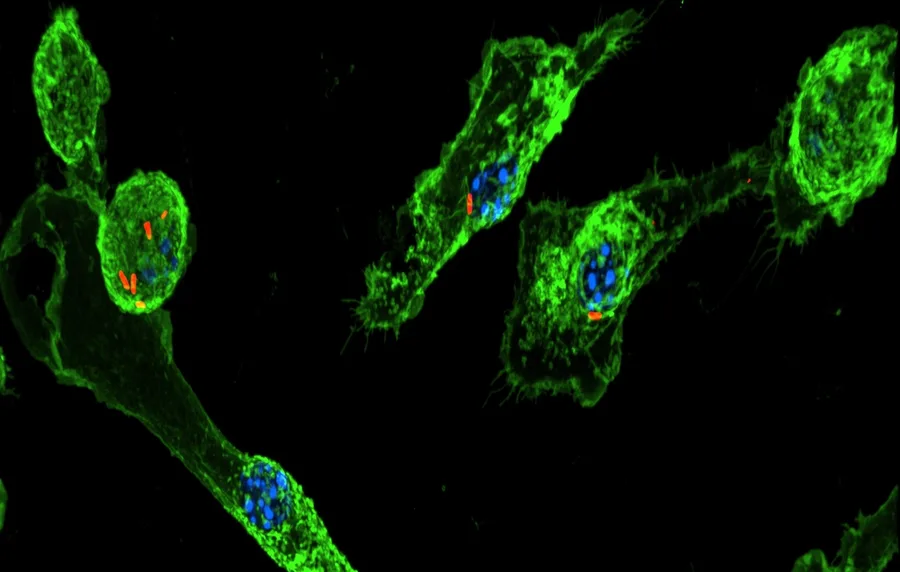
Van Andel Institute scientists have discovered a new layer to the arms race between human cells and bacterial pathogens that infect them. The findings focus on RomA, a protein that Legionella bacteria release into host cells to create more favorable conditions. RomA works by altering how the host's genes are controlled. The team discovered RomA can read and respond to the host cell's existing ep…

research.ioresearch.io

Sign up to keep scrolling

Create your feed subscriptions, save articles, keep scrolling.

Already have an account?