additive-manufacturing
Additive manufacturing (AM) has expanded the use of titanium and its alloys in aerospace, biomedical, marine, and automotive components, but the rapid melting–solidification cycles inherent to AM leave characteristic surface defects—balling, partially melted particles, scan-track ridges, and near-surface porosity—that make post-process finishing essential. Electrochemical polishing (ECP) is a lea…

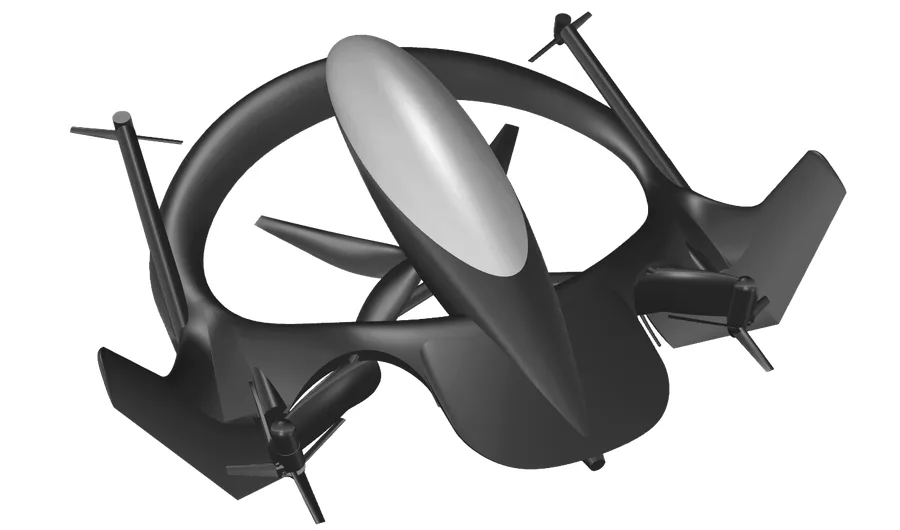
For one startup drone manufacturer, additive manufacturing made it possible to preserve an ambitious aerodynamic design while adapting quickly to changing requirements. Every new generation of drones brings new challenges. Customers demand new capabilities. Regulations require different components. Supply chain requirements force manufacturers to redesign new motors, GPS receivers, and electronic…

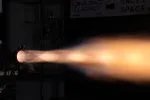
A three-person student team from the University of Melbourne has hot-fired a 3D printed regeneratively cooled liquid bipropellant rocket engine at Race2Space in the UK, taking first place in the competition’s liquid oxygen (LOX) bipropellant category. CSIRO, which supported the build through its Lab 22 additive manufacturing center, says it is the first regeneratively cooled…

Sinto Advanced Ceramics Europe GmbH has been certified to ISO 9001:2015 following an audit by TÜV SÜD in which no non-conformities were identified. The certificate, No. G951 26 0419, is valid from 24 July 2026 to 23 July 2029 and covers the company’s quality management for the additive manufacturing of technical ceramics. The audit is…
Additive manufacturing is transforming the way metal components are produced for industries such as aerospace, automotive and energy. Among the technologies with the greatest potential is binder jetting, a process capable of manufacturing metal parts quickly, accurately and at industrial scale.

Additive manufacturing of thermoplastic composites using fused deposition modeling (FDM) offers unparalleled geometric freedom and the ability to tailor reinforcement through short and continuous fiber architectures. However, the process inherently introduces mesoscopic defects, including 15-20% inter and intra-bead voids, weak interlayer bonding, and microcracking, which degrade mechanical and t…

Vat photopolymerization additive manufacturing enables fabrication of highly complex geometries but remains underutilized for thermal and mass transfer applications because of limited functional printable materials and experimentally validated device designs. This dissertation advances the application of vat photopolymerization through the development of microencapsulated phase change material co…
research.ioSign up to keep scrolling
Create your feed subscriptions, save articles, keep scrolling.