archaeology

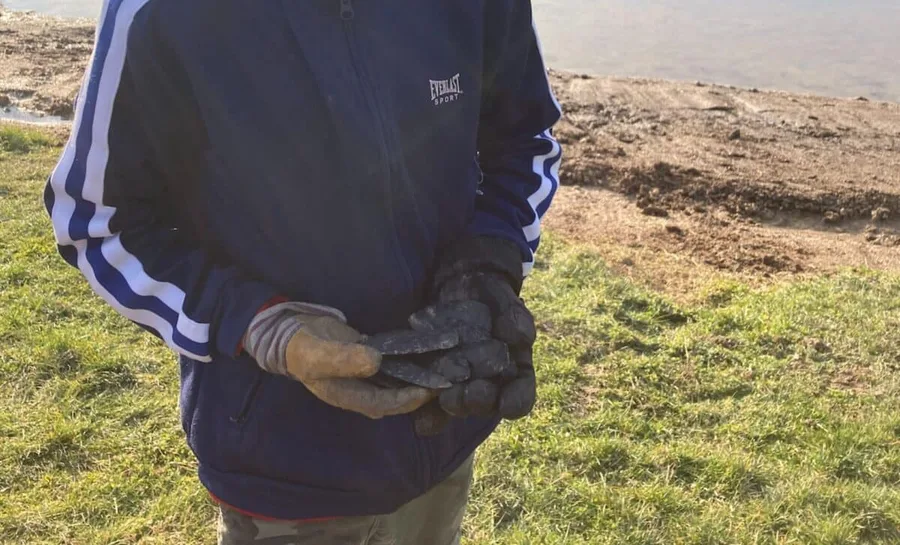
Some discoveries are made in laboratories. These ancient tools were found by a kid on vacation who noticed what others almost missed.

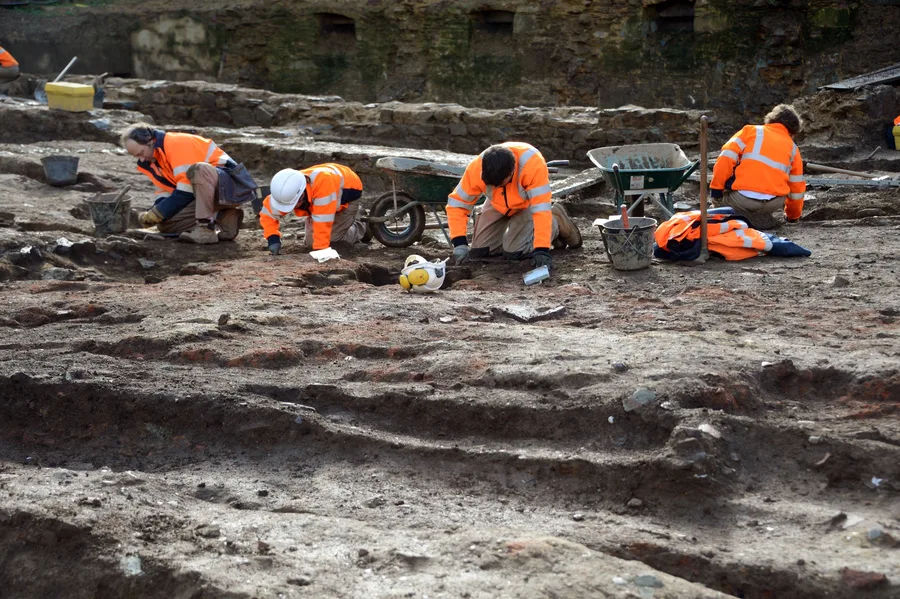
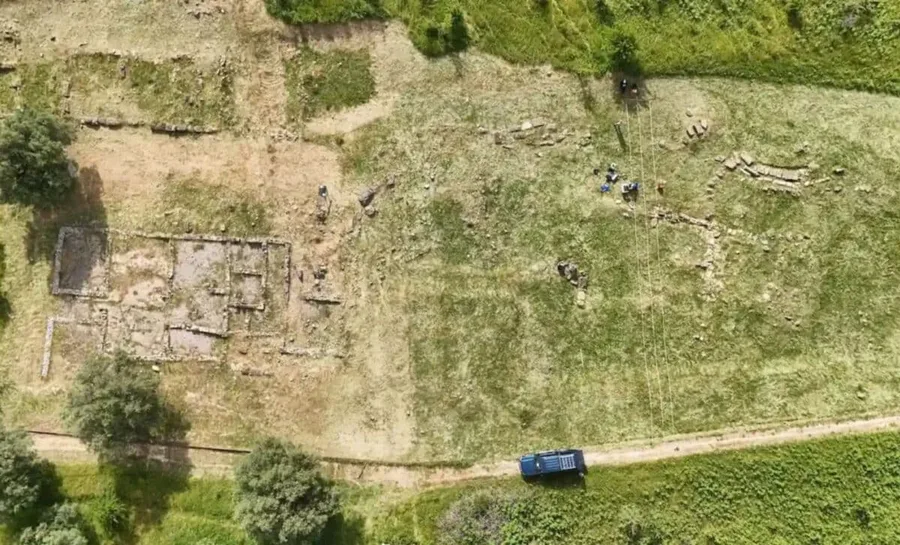
Montbellant Hill was first home to a first-century B.C. city before Roman and medieval structures were built on top of it in the ensuing centuries.

Crescent-shaped objects (CSOs) are common in the Bronze Age archaeological contexts of Anatolia. Particularly for the Middle Bronze Age, these objects were routinely interpreted as loom weights for textile production. While arguments exist for different uses of CSOs, such as identity markers, receipts for goods, fishing net weights or pottery handles, incomplete data from a fully recovered archae…
Researchers from the Warsaw University of Technology and the Jagiellonian University Institute of Archaeology have located a military cemetery containing the remains of soldiers killed during battles in the Carpathian Mountains between
A Roman marching camp covering c.7.4ha has been found near the town of Šurany, in south-western Slovakia. The discovery – which came about through an extensive ongoing archaeological project carried out by

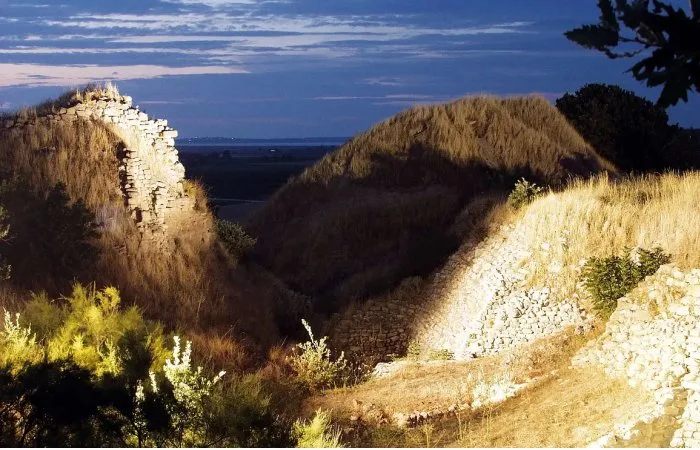
Jan Bartek - AncientPages.com - Periods of prosperity can contain the roots of future collapse. In ancient Troy, ambition led to environmental strain long before modern industry. While today we associate environmental destruction with oil rigs, coal plants, or plastic waste, ancient societies also pushed their ecosystems to the limit. Pottery vessels are the most […]

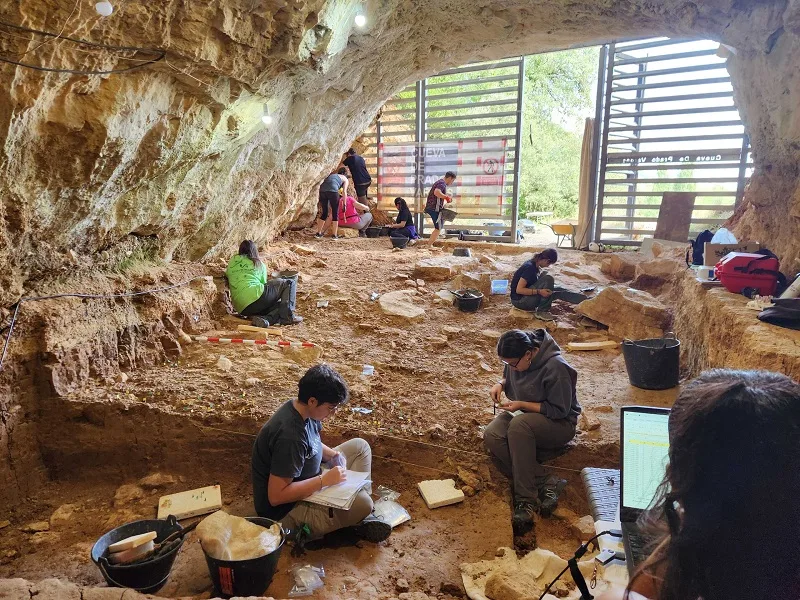
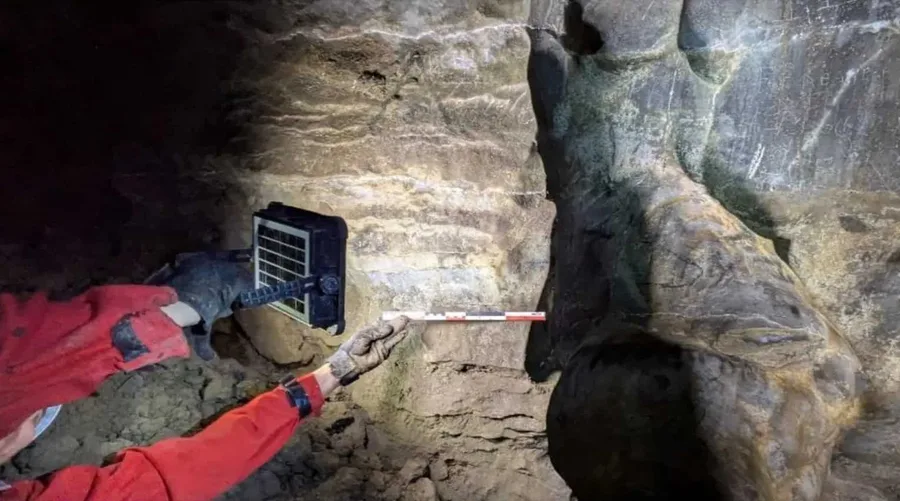
Archaeologists working in a cave in northern Spain have uncovered further evidence of a large Neanderthal camp dating back approximately 46,000 years. During the 2026 excavation season, researchers expanded their work at Prado Vargas Cave in Cornejo, a village in Spain’s Burgos province. The cave forms part of the enormous Ojo Guareña network of underground […] The post Spanish Cave Reveals One o…


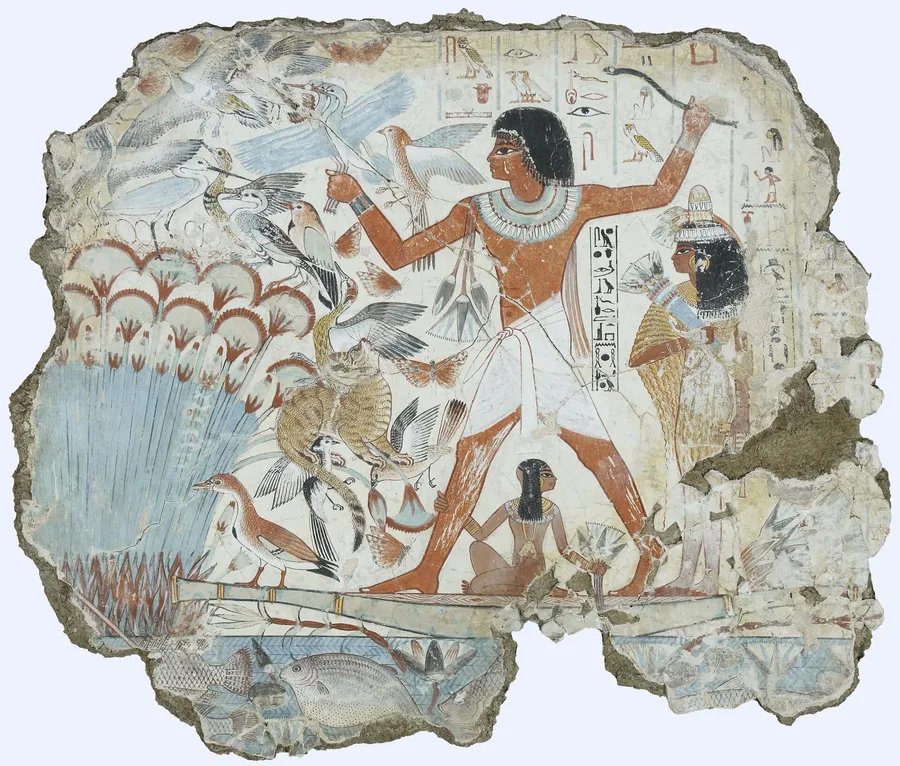
Protein traces reveal practical workshop recipes and a connection to the god Ptah.

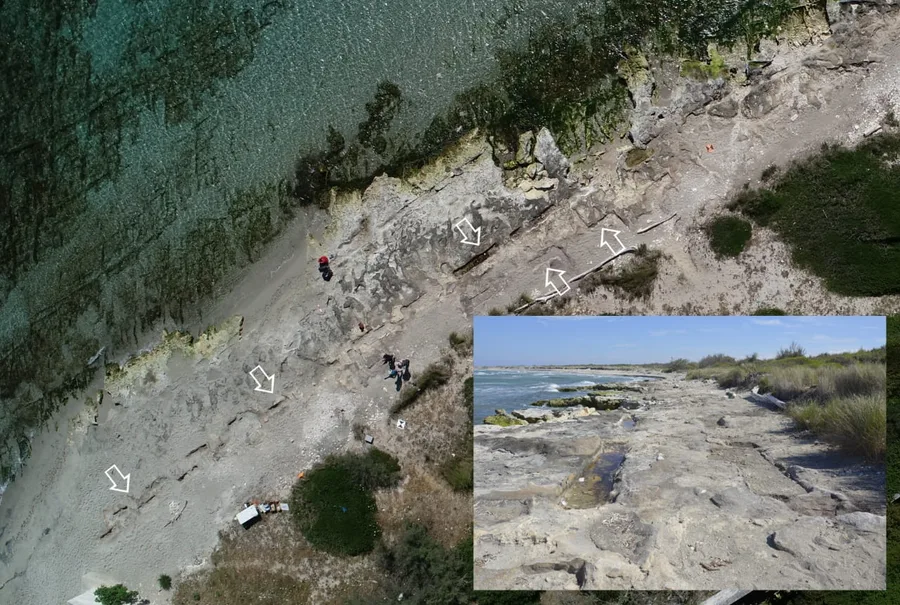
Archaeologists have begun a new season of research at San Giovanni, inside the Le Cesine State Nature Reserve near Vernole in southern Italy. The 2026 campaign runs from September 7 to October 4, with work both on land and underwater. The project is led by the Department of Cultural Heritage at the University of Salento, […]

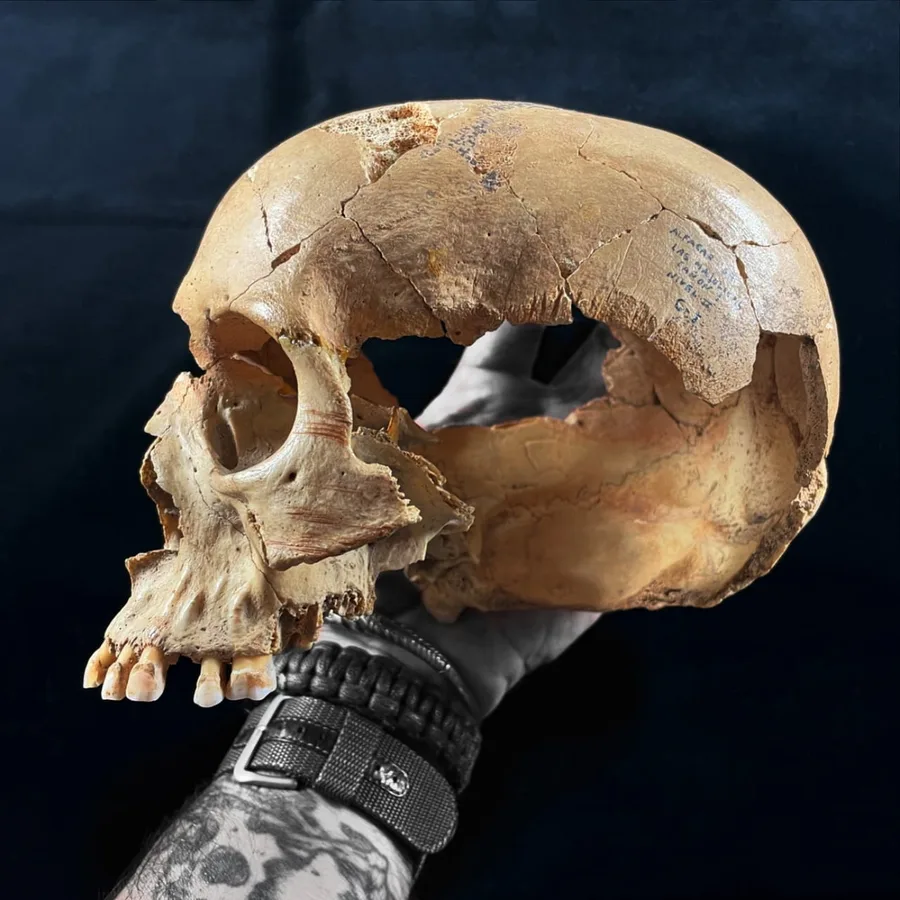
A new study of nearly 1,000 human bones from three Neolithic caves in southern Spain has found evidence of cannibalism at different times and under different social conditions. The research focused on Malalmuerzo, Carigüela and Majolicas caves in Granada, sites long known for human remains linked to cannibalism. Until now, researchers lacked direct radiocarbon dates […]
A Mesopotamian culture’s decorated ceramics show some early roots of math, researchers argued.

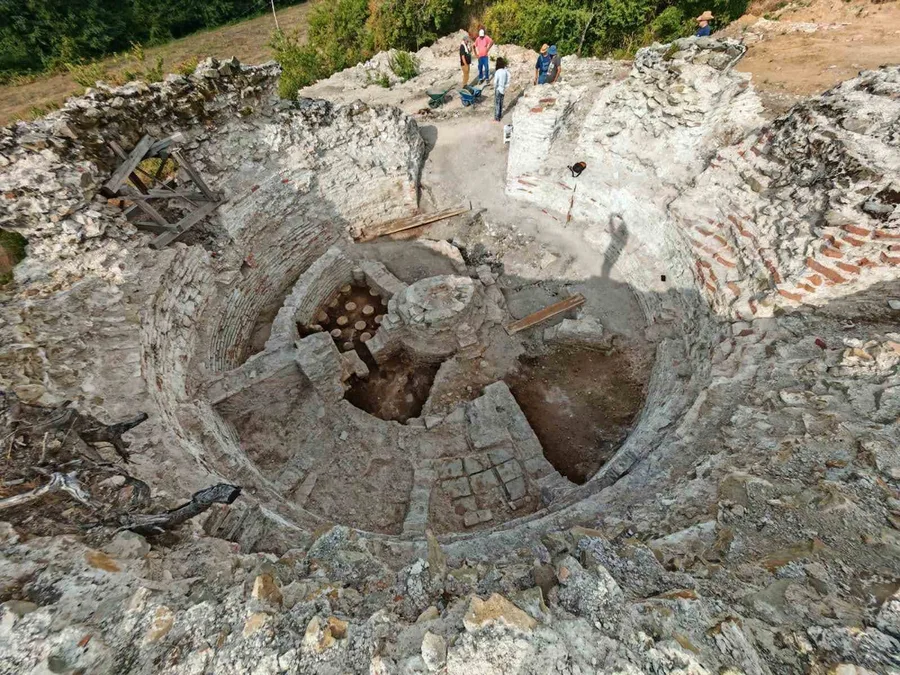
Archaeologists in Serbia have discovered a Roman emperor's lavish bath found hidden inside palace. Excavating the fortified palace complex at Vrelo-Šarkamen in eastern Serbia, archaeologists have unearthed an opulent Roman bath concealed within the lowest level of a massive corner tower. The bathing facility formed part of an imperial residence associated with Maximinus Daza, a Tetrarchy-era empe…
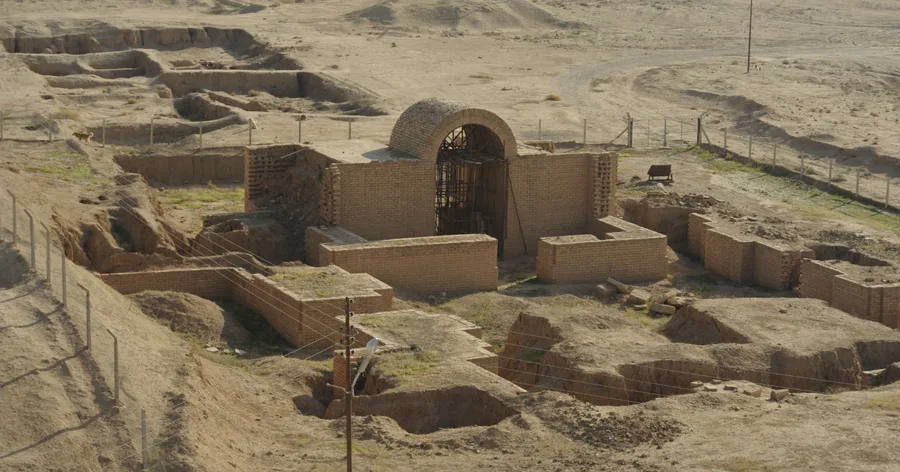
A University of Udine project combined declassified Cold War aerial and satellite photographs, a differential GPS and drone survey, a walking survey of the lower town on a grid and a magnetometer to start reading the part of Nimrud that 180 years of excavation had almost entirely passed over.

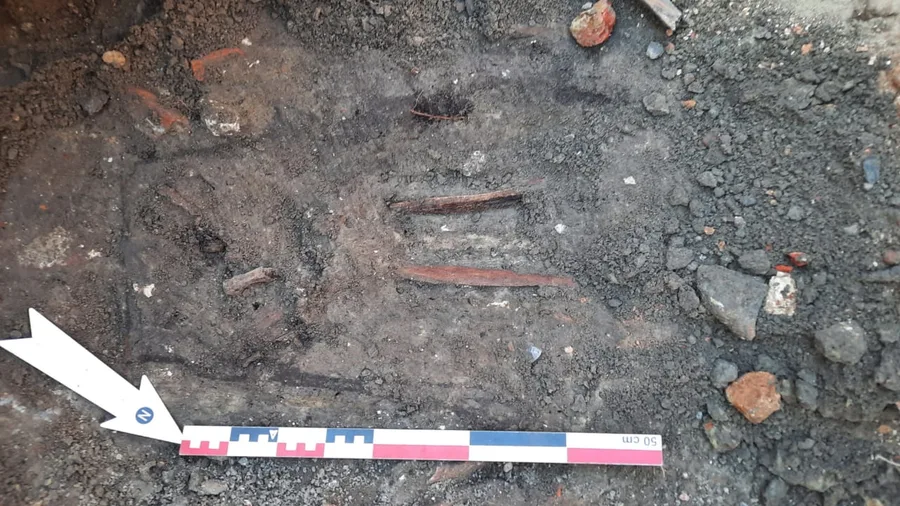
Archaeologists have found a medieval cemetery beneath the Vlasmarkt in Ghent, Belgium, where as many as 240 people could be buried. The discovery came during a trial excavation by archaeology firm BAAC Vlaanderen. The work took place as the city was renovating the market and replacing its traditional cobblestones with tarmac. A small test pit […]

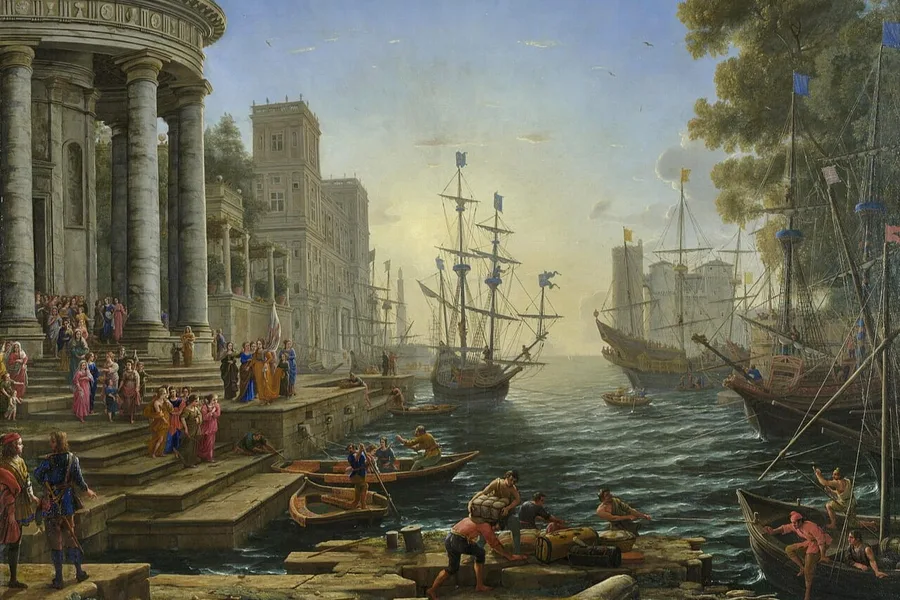
Ancient Mediterranean harbors are often judged by the structures still visible today. Quays, jetties and moles form the clearest traces, so they often shape estimates of how many ships a port once handled. A new study argues for a wider view. Ancient harbors worked as larger systems, with ships also using nearby bays, open coastal […]

Some fingerprints are impossible to erase, even after 8,500 years. That's exactly what a team of archaeologists just discovered in an ancient Turkish settlement, frozen at the precise moment its inhabitants had to run.

An ancient wall, a mysterious road, and a structure no one can explain: this fortress in Calabria has puzzled historians for years. Now, invisible signals from deep underground are finally starting to tell its story, without disturbing a single stone.
Archaeologists have identified tiny 80,000-year-old projectile points in Uzbekistan that may have been used like arrowheads. Their size, design, and impact damage closely resemble weapons found much later at a Homo sapiens site in France. The discovery suggests sophisticated projectile technology may have appeared in Central Asia long before modern humans became firmly established in Europe, pote…
research.ioSign up to keep scrolling
Create your feed subscriptions, save articles, keep scrolling.