Our World in Data


Most beef production in Brazil is to meet domestic rather than international demand.

How elections spread, voting rights expanded, and political competition developed around the world over the last two centuries.

Falling fertility rates have created a unique scenario in human history: many countries are experiencing structural population decline.

According to a UN report published last year, there are 138 million children in child labor. In this article, we look at what this estimate exactly captures.

The Energy Institute no longer uses the substitution method to estimate primary energy. Here’s why that matters for our charts on energy.

Agriculture has been the main driver of deforestation, but this has been concentrated in only a few commodities: mostly beef, palm oil, soy, and forestry products.

Learn how inequality is measured, who produces key databases, and what the data tells us.

Data centers consume around 1.5% of global electricity, but demand is very geographically concentrated.

Explore how populations are distributed across settlement types, which cities are growing fastest, what living conditions in urban areas look like, and much more.

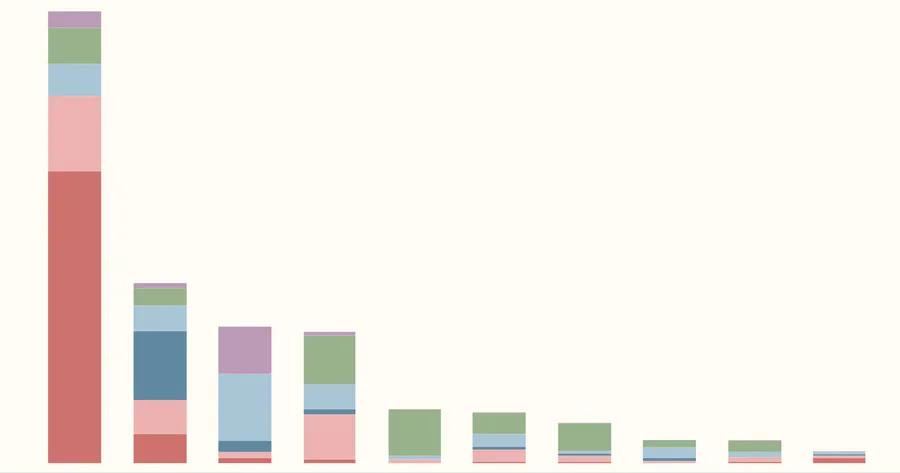
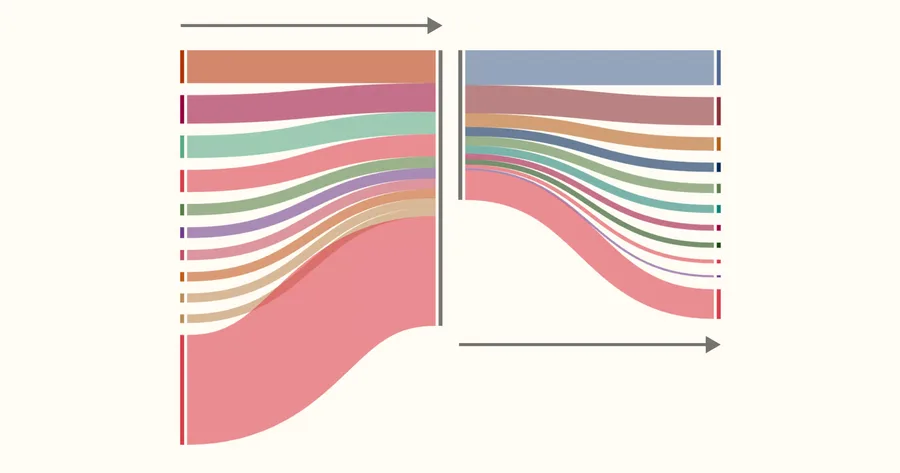
Our interactive tool helps you see where food is exported from and where it goes.

Around 30% of the world’s emissions have some carbon price, but how much extra are people paying?

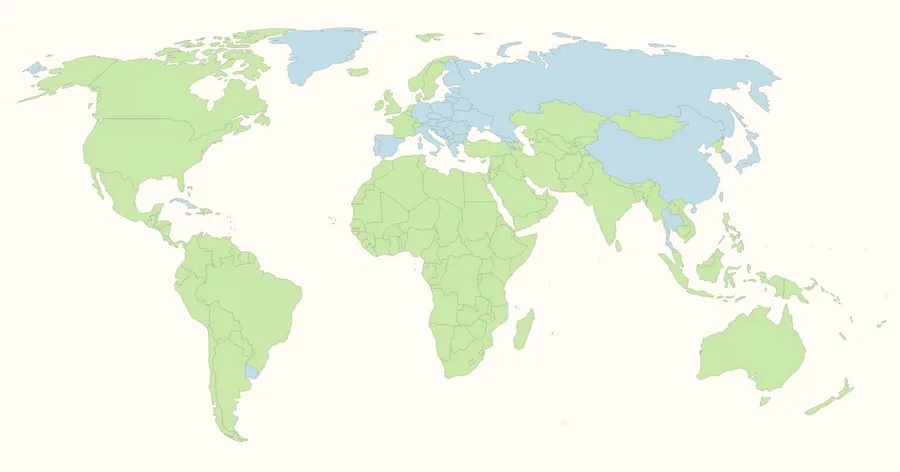
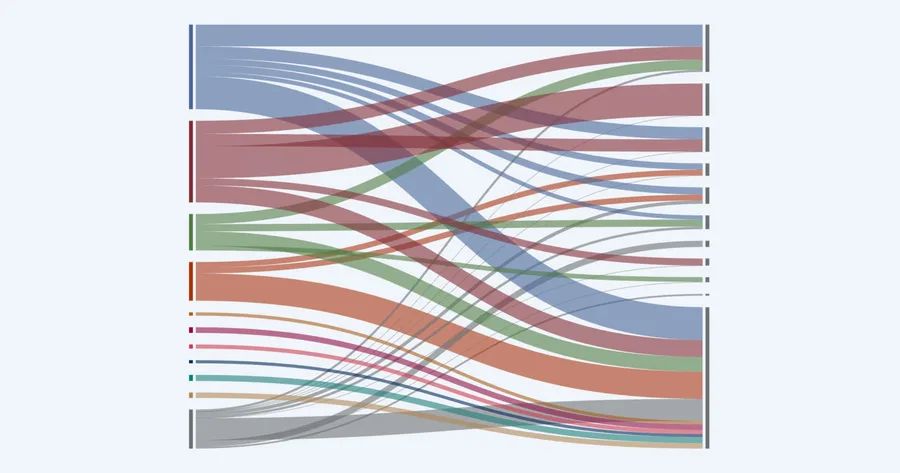
An interactive tool that helps us see where migrants were born, and where they live now.

People often ask me for my favorite statistic. My answer changes, depending on what I’m obsessed with at any given moment. But my least favorite has been the same for years: five million children die every year. Not just because of the pain and loss that it represents, but especially because most of these deaths are avoidable. But to reduce mortality, we need to understand what children are dying…
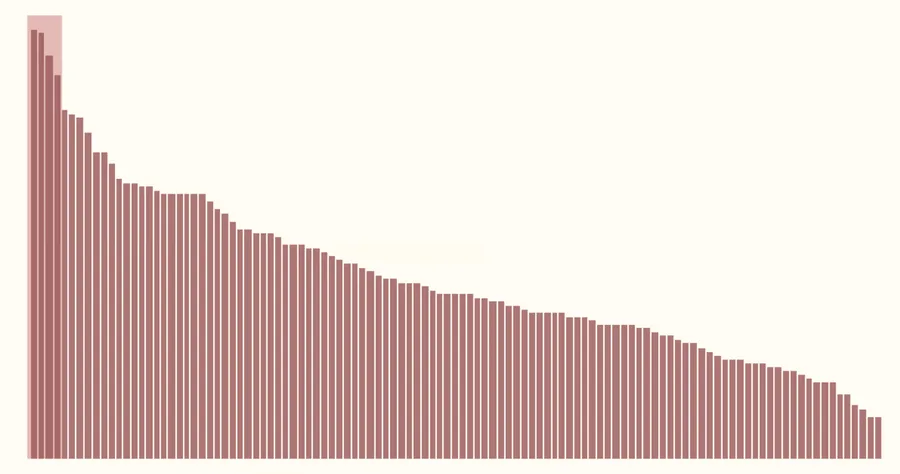
How much would fertility rates, life expectancy, or migration rates need to change to stop the population from shrinking?

We created an interactive tool that lets you test how changes in fertility rates, life expectancy, and migration rates will change future populations.

What can countries with high stunting rates today learn from Japan’s experience of going from 70% to 5%?
Surveys worldwide show that most people find common animal farming practices unacceptable, even where meat consumption is high.
We’re hiring a writer who can make the world’s largest problems understandable to our large Our World in Data audience.
Explore causes of death data for all countries, spanning more than four decades.
research.ioSign up to keep scrolling
Create your feed subscriptions, save articles, keep scrolling.