BackgroundIn recent years, the United States opioid epidemic has been characterized by rising polysubstance use and increasing deaths due to fentanyl overdose, with stimulants playing a key role. We conducted an integrated analysis to evaluate the impact of fentanyl and polysubstance use on buprenorphine exposure-response relationships and to assess whether higher buprenorphine exposures may be r…
Evidence for the effectiveness of cannabidiol (CBD) as a treatment for alcohol use disorder (AUD) remains elusive, though ongoing research is merited, according to an updated review of studies. Expanding the pharmacological treatment options for AUD is a key therapeutic goal, given the modest effects of the three existing FDA-approved medications. CBD appears to modify neurotransmitter systems in…
A new clinical trial suggests the weight-loss drug semaglutide could help treat alcohol use disorder. While it didn't eliminate laboratory-assessed cravings, the medication significantly reduced heavy drinking days and overall alcohol-related problems in treatment-seeking adults.
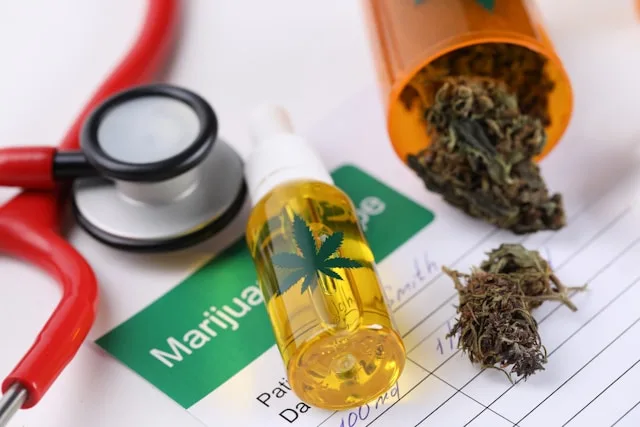
How people use cannabis may tell doctors more about their risk than simply knowing that they use it. A large U.S. study found that people who consume cannabis in many different ways are much more likely to use it daily and show signs of addiction. Modern cannabis products come in many forms. Along with traditional […] The post One Cannabis Habit May Show Addiction Risk appeared first on Knowridge…
Albert Arias, MD, chief of addiction psychiatry at Carilion Clinic, has received an award from the National Institute on Drug Abuse (NIDA) to research how psilocybin, a psychedelic compound being studied for several psychiatric and substance use disorders, can offer a new approach for people with cocaine use disorder.
This integrative review examines the neurobiological basis of addiction and neuromodulation-based treatment approaches in light of current literature, while proposing an integrative framework that extends beyond purely biological explanations. The neuroscience of addiction is addressed within Koob and Volkow’s three-stage neurocircuit model (binge/intoxication, withdrawal/negative affect, and pre…
From 2021 through 2024, the prevalence of cannabis use disorder increased substantially while that of alcohol use disorder remained constant or declined.
IntroductionOpioid use disorder (OUD) remains a major public health crisis despite evidence-based medications, including methadone, buprenorphine, and naltrexone. Persistent challenges with treatment retention, access, stigma, and incomplete response highlight the need for adjunctive pharmacotherapies targeting neurobiological systems beyond the mu-opioid receptor.MethodsWe conducted a narrative …
A Journal of Clinical Investigation Viewpoint highlights growing evidence that GLP-1 receptor agonists, particularly semaglutide, may reduce alcohol consumption and some other substance-related outcomes by acting on brain systems involved in reward, motivation, stress, and emotion. However, the authors caution that efficacy for substance use disorders is not yet firmly established and call for fu…
Two new studies suggest psychedelic compounds could help treat cocaine addiction. A human trial found psilocybin combined with therapy reduced cocaine use, while an animal study indicated that environmental support is needed to prevent long-term relapse.
Patients in addiction treatment are increasingly receiving prescriptions for the nerve pain drug gabapentin, despite a lack of evidence for its effectiveness. Meanwhile, unprescribed use of the drug remains high among patients testing positive for multiple substances.
We take an in-depth look at how stigma among clinicians makes it hard for many patients with alcohol or drug disorders to get treatment sparked a huge audience response and a lot of questions.
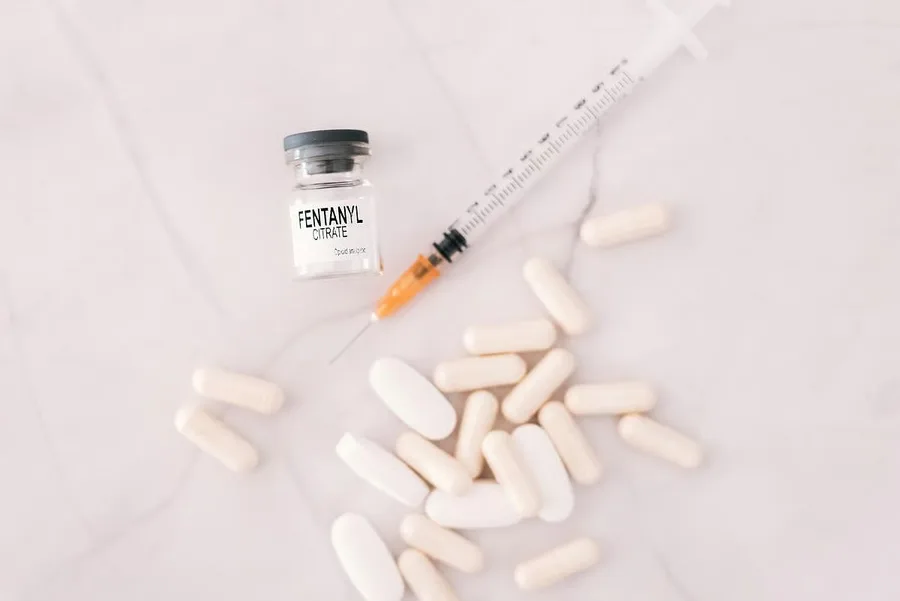
THURSDAY, Aug. 27, 2026 — Illegal use of the powerful synthetic opioid fentanyl is more than double its use for medical purposes in the United States, a new study has found.More than 7 of 10 people whose urine tested positive for fentanyl had not...
The grant will compare two treatments for alcohol withdrawal syndrome (AWS), a serious and potentially life-threatening condition that affects an estimated 16% of people admitted to U.S. hospitals.
The grant will compare two treatments for alcohol withdrawal syndrome (AWS), a serious and potentially life-threatening condition that affects an estimated 16% of people admitted to U.S. hospitals.
Details on new federal policy changes on synthetic opioids, and potential action on 7-OH. Together with recent state and local actions on kratom and 7-OH, the developments raise the importance of increased access to medication-based treatment for opioid addiction.
Nicotine e-cigarettes are more effective in helping people quit smoking than many conventional methods such as nicotine gums and patches and quitting with behavioural support or no support at all, an updated Cochrane review finds.
An unusual psychedelic found in Salvia divinorum shows promise for treating pain, addiction, and stroke in animal models. However, anxiety-inducing side effects and a fleeting duration mean modified versions may be needed for human therapies.
MONDAY, Aug. 24 2026 — The way you use weed might be a red flag for heavy use or addiction, a new study says.People who use weed in nearly every form — smoking, vaping, eating and dabbing — are nearly three times as likely to get stoned every day...







 research.io