Scientific Reports, Published online: 08 September 2026; doi:10.1038/s41598-026-69236-5 Alkaline stress and selenium dioxide induce differential physiological, biochemical, and transcriptional responses in Vigna mungo genotypes
Potassium (K) is one of the three essential nutrients for plants. It plays a critical role in a wide range of processes, including cell growth, photosynthesis, and regulation of water balance. Plants take up K from the soil and circulate it throughout their bodies via molecules called K+ channels.
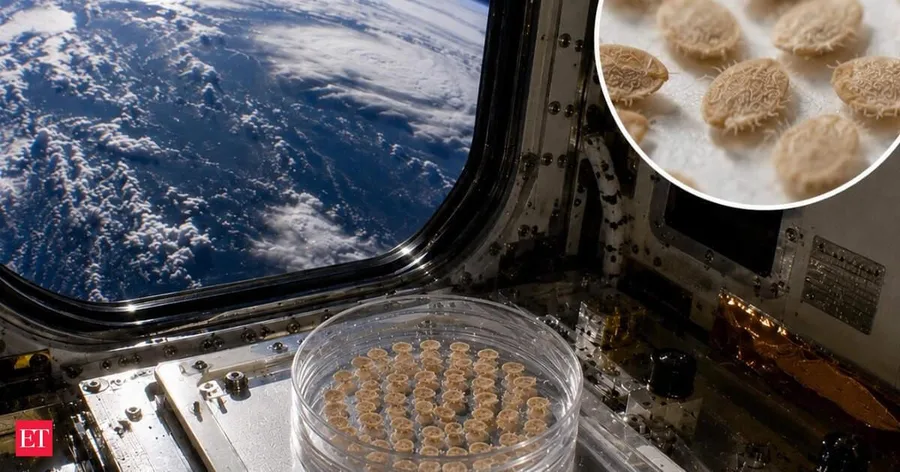
If you were in a classroom in the early 1990s, there is a real chance you planted a piece of space history without even realizing it. NASA sent Rutgers tomato seeds into space for nearly six years and then gave them to 3.3 million students across the country, according to NASA’s Technical Reports Server. Years […]
IntroductionHerbivore microbiomes are strongly influenced by host plant quality and diet composition. However, it remains unclear how different cultivation substrates modulate the plant metabolome and how these shifts subsequently influence the performance and microbiome of aboveground herbivores.MethodsWe utilized common beans cultivated in soil and hydroponic systems to investigate the multi-tr…
Scientific Reports, Published online: 21 August 2026; doi:10.1038/s41598-026-64567-9 Responses of CO 2 concentrating mechanisms to variable CO 2 in different leaf regions of Vallisneria natans and V. spinulosa
Just like all other organisms, plants are not alone in responding to changes in their environment. Complex microbial communities inhabit the rhizosphere, the area of soil surrounding plant roots. Here, soil microbes interact with each other and with the plant, contributing to the plant’s dynamic adaptation to the environment. The study “Successive cultivation under drought […] The post #FEMSmicro…
If you like gardening, plants and the science of how things grow, there might be a bright future in store for you. Learn from these five FFA alumni who have found careers in plant science.
With the growing importance of sustainable fruit production and the increasing demand for reduced reliance on chemical fertilizers and pesticides, plant growth-promoting rhizobacteria (PGPR) have attracted considerable attention as promising biological resources in orchard systems. However, current research is mainly constrained by an overreliance on single-trait interpretations of PGPR function,…
Snapdragons bring charm to spring borders, but they are cool-weather annuals that collapse once summer heat arrives. Angelonia (Angelonia angustifolia), widely sold as summer snapdragon, produces the same upright spikes of tubular flowers and keeps blooming through the hottest weeks of the season. In USDA hardiness zones 9 and warmer it behaves as a perennial; […] The post Growing Angelonia: Plan…
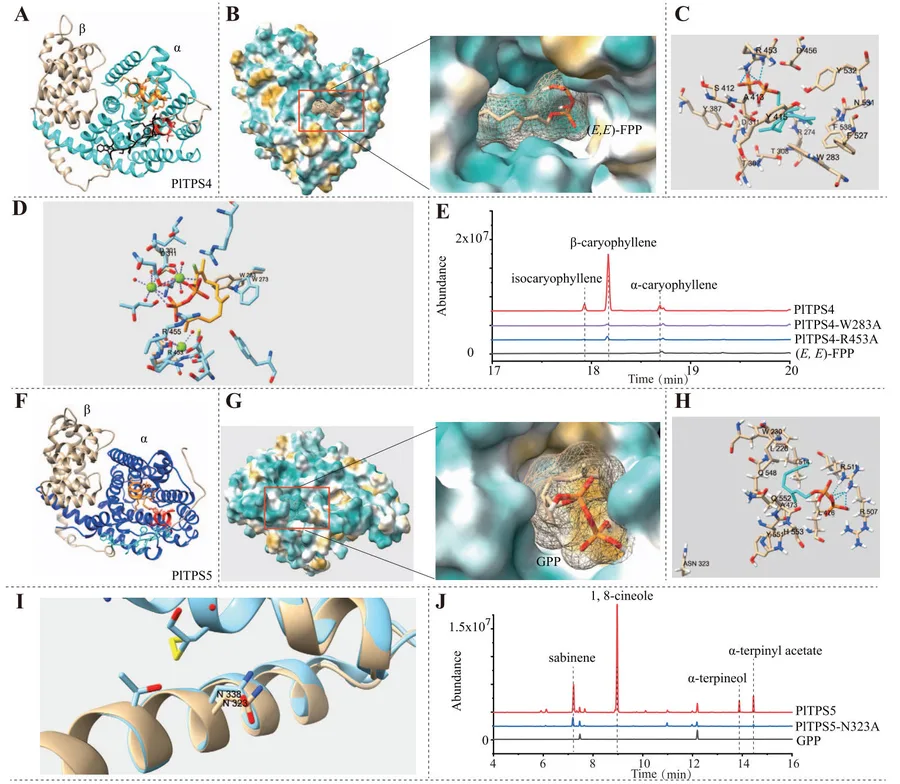
Floral scent is more than a pleasant trait: it shapes pollinator attraction, plant communication, and the market value of ornamental flowers. In herbaceous peony, one of the world's most valued garden and cut-flower plants, the molecular recipe behind fragrance has remained only partly understood. A new study traces how Paeonia lactiflora 'Zifengyu' produces its dominant scent compounds, includin…
Cilantro is the fastest-reward herb in most gardens. The seeds sprout within one to two weeks, the feathery leaves are ready to pick in about three to four weeks, and one plant can keep producing for months when you harvest it correctly. It grows as an annual, so the plant lives its whole life in […] The post How to Harvest Cilantro and Keep the Plant Producing appeared first on Building and Cons…


 research.io