
transplantation
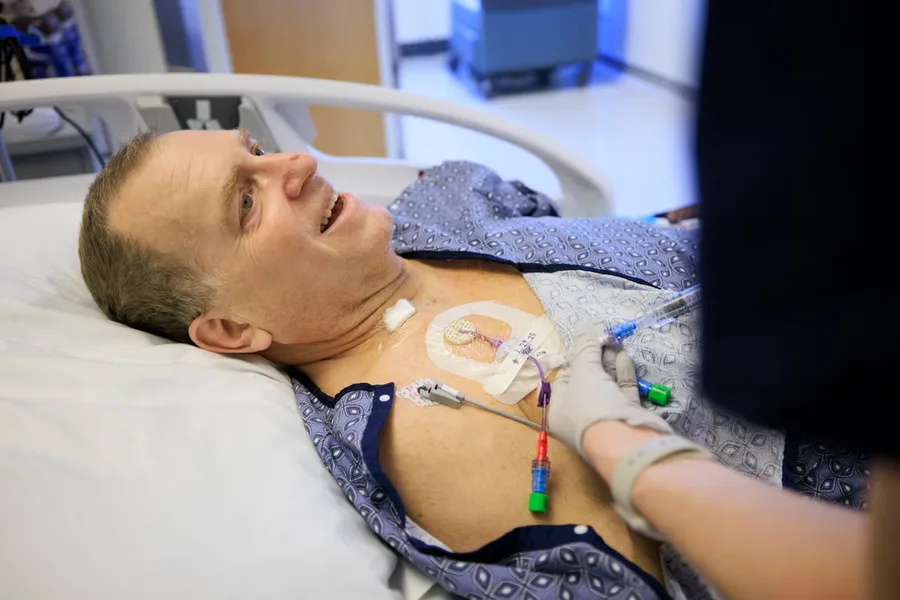
(NBC News) – The transplant led to “sustained dialysis independence” for nearly nine months before Tim Andrews, now 68, received a human kidney earlier this year, according to The Lancet. A New Hampshire man, at death’s door 1 ½ years … Read More

Tim Andrews, who had end-stage kidney disease, was 66 when he received the pig kidney in January 2025

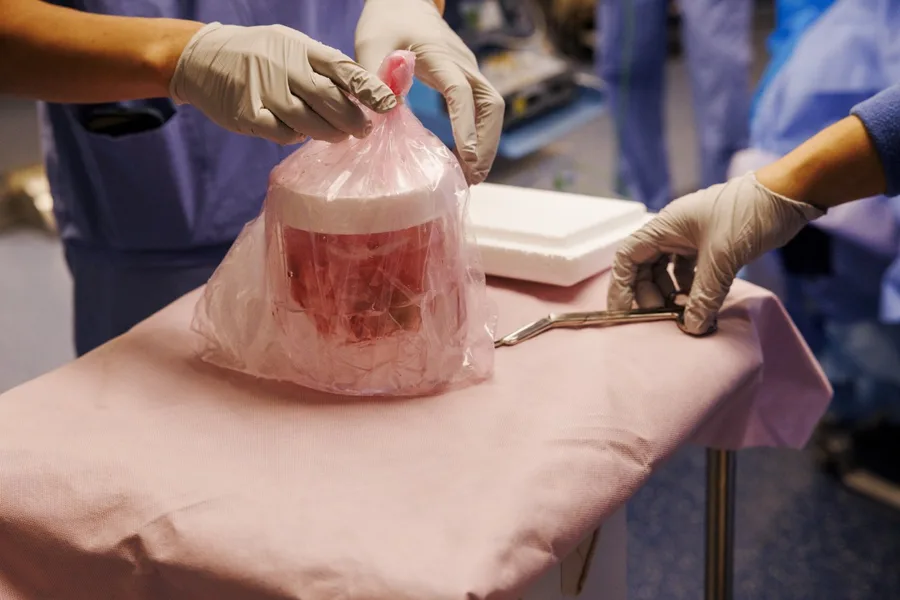
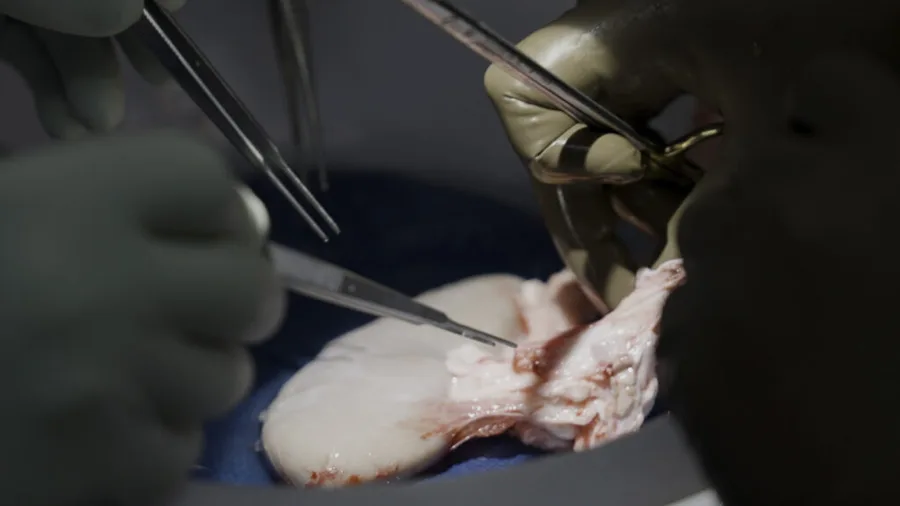
Organ kept Tim Andrews off dialysis and acted as a ‘bridge’ while he waited for a human transplant in the US A genetically modified kidney from a pig called Wilma has kept a 66-year-old man with kidney failure alive for a record nine months and successfully acted as a “bridge” to a human transplant in a world first. Tim Andrews was seriously ill with end-stage kidney disease caused by type 2 diab…
Tim Andrews was the first patient to receive a genetically modified pig kidney as a “bridge” to a human organ transplant.

A pig kidney transplant worked for a record nine months. This enabled the recipient to stay off dialysis for longer while waiting for a suitable human donor's kidney to become available
Two recipients of gene-edited pig kidneys have successfully received human organs, a milestone in the wider effort to advance xenografts.

A new risk stratification model developed by Northwestern Medicine scientists may help better identify patients who have a lower risk of kidney transplant rejection, which can inform more personalized treatment and care strategies that present fewer adverse side effects, as detailed in a recent study published in Nature Communications. The post Identifying Patients at Lower Risk for Kidney Transp…

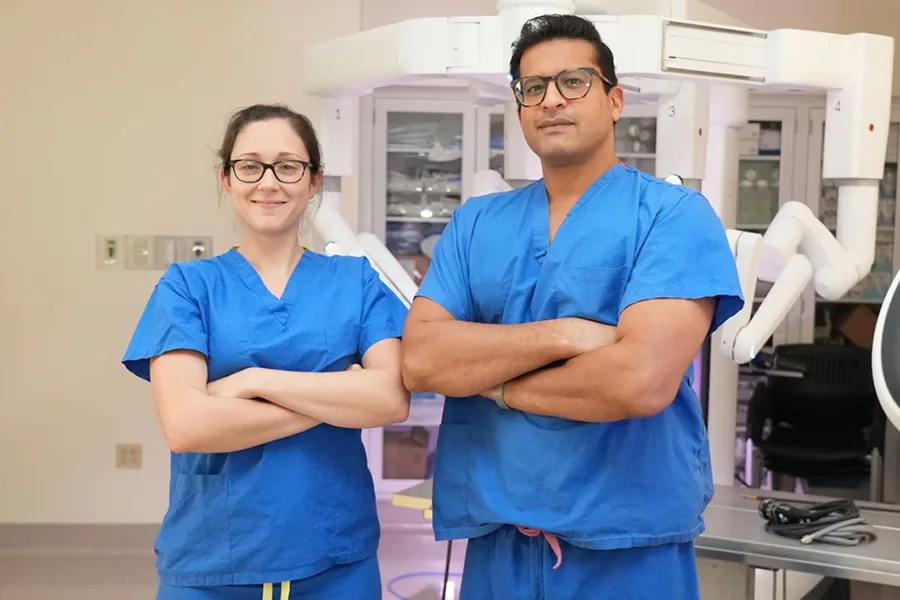
A surgical team has performed the world's first-reported robotic double transplant of a liver and kidney at WashU Medicine and Barnes-Jewish Transplant Center.

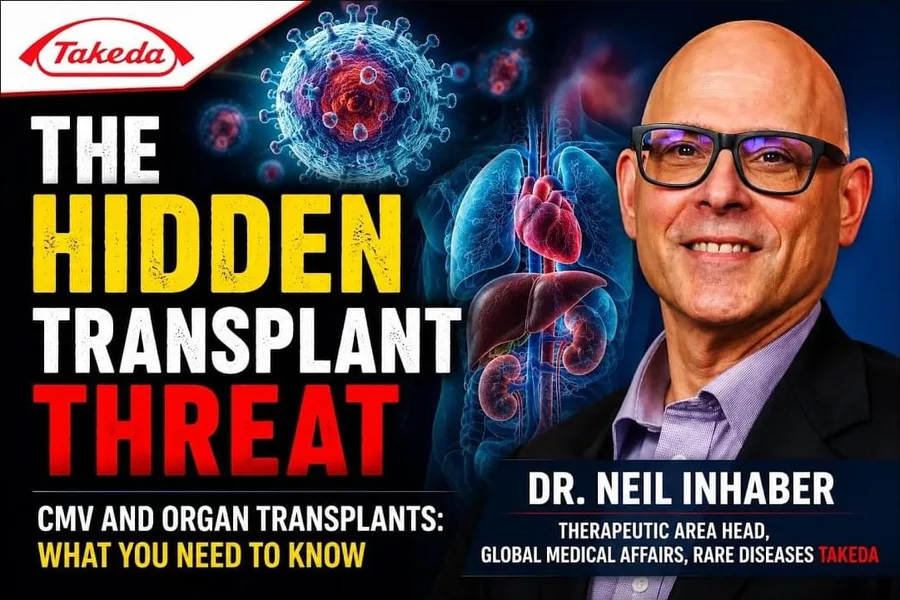
The Hidden Organ Transplant Threat — CMV — Dr. Neil Inhaber, MD, FRCPC — Head, Marketed Products and Neuroscience, Global Medical Affairs, Takeda. Every year, hundreds of thousands of people around the world receive life-saving organ transplants — new hearts, kidneys, lungs, and livers that offer patients a second chance at life. But transplantation is […]

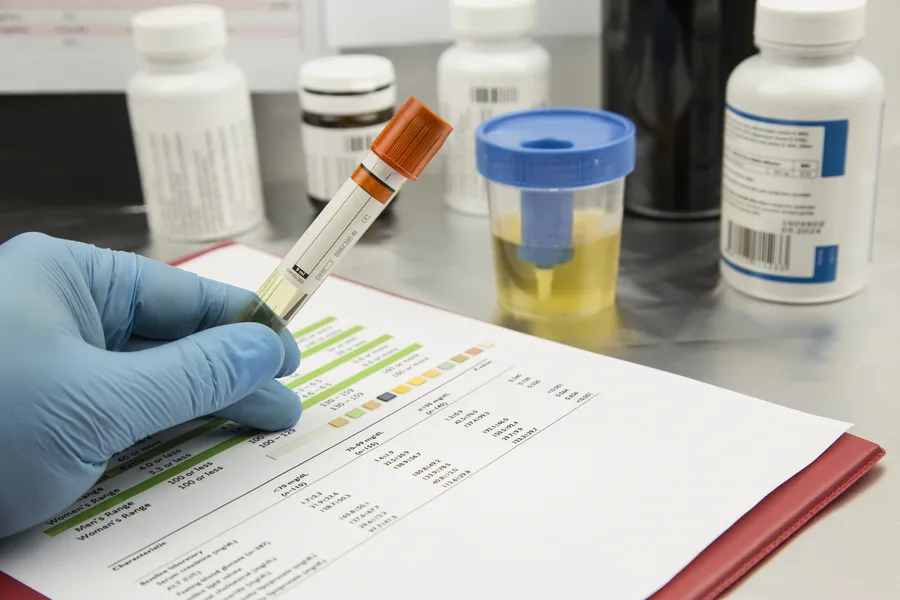
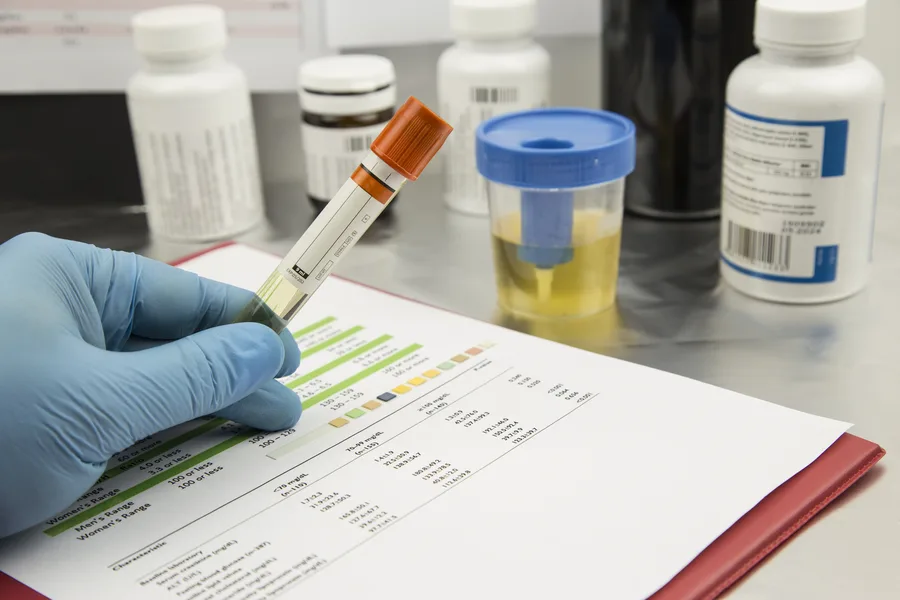
A new study led by researchers at Johns Hopkins Medicine found that a simple urine test performed on deceased kidney donors could help doctors make better transplant decisions, giving more people access to successful kidney transplants while reducing the number of deceased donor kidneys that go unused.

A new study led by researchers at Johns Hopkins Medicine found that a simple urine test performed on deceased kidney donors could help doctors make better transplant decisions, giving more people access to successful kidney transplants while reducing the number of deceased donor kidneys that go unused.

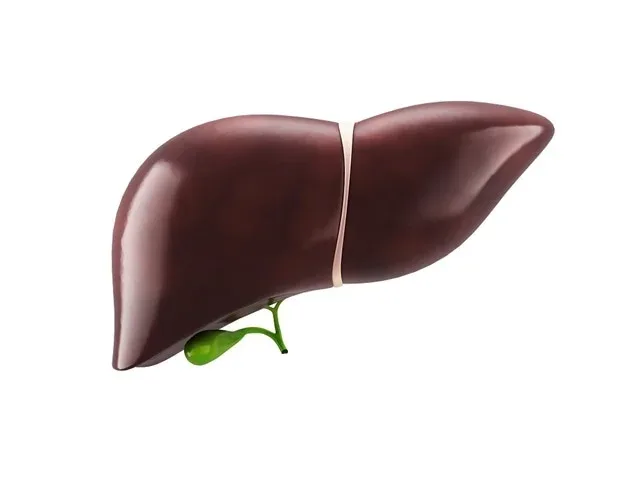
Long‑term outcomes after liver transplantation remain hampered by complications linked to intensive immunosuppression--infections, cardiovascular events, kidney dysfunction, and metabolic disorders affect 10% to 40% of recipients.

Long‑term outcomes after liver transplantation remain hampered by complications linked to intensive immunosuppression--infections, cardiovascular events, kidney dysfunction, and metabolic disorders affect 10% to 40% of recipients.

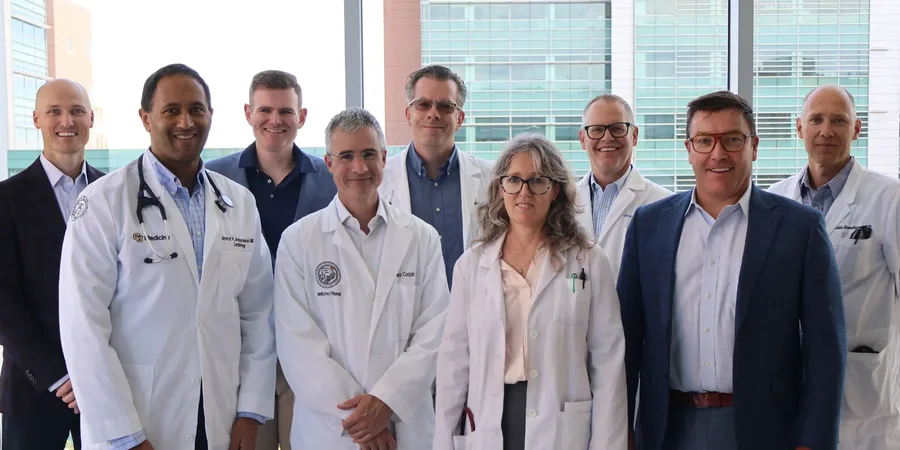
Today, the University of Colorado Anschutz announced the creation of the Division of Transplant Medicine within the Department of Medicine, the first of its kind in the nation. The new division brings transplant specialists together in a new academic model designed to strengthen patient care, accelerate discovery and train the next generation of transplant leaders.
Long‑term outcomes after liver transplantation remain hampered by complications linked to intensive immunosuppression—infections, cardiovascular events, kidney dysfunction, and metabolic disorders affect 10% to 40% of recipients.
Innovative hydrogel cloaking of islets could revolutionize diabetes therapy, allowing for effective cell transplantation without compromising immune function.

The Ochsner Transplant Institute has performed its 10,000th organ transplant, becoming the first and only transplant center in Louisiana to reach this milestone. The achievement reflects decades of clinical excellence, innovation and compassionate care, made possible by organ donors, patients, families and dedicated care teams.
A new study that explores gene expression during heart transplant rejection marks a step forward for precision medicine approaches to treat organ rejection.
BackgroundTacrolimus (TAC) exhibits high pharmacokinetic variability post-liver transplantation (LT). Traditional models overlook the metabolic chimerism between recipient (intestinal) and donor (hepatic) genotypes. We aimed to evaluate a combined donor–recipient CYP3A functional allele count predicting TAC exposure.MethodsThis retrospective study analyzed 1,350 TAC trough measurements from 99 LT…
research.ioSign up to keep scrolling
Create your feed subscriptions, save articles, keep scrolling.