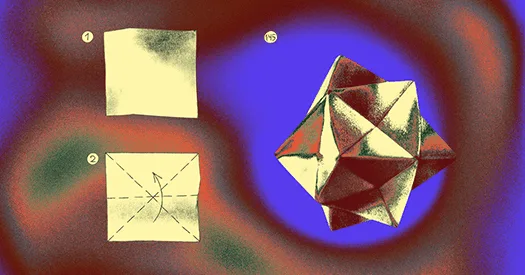
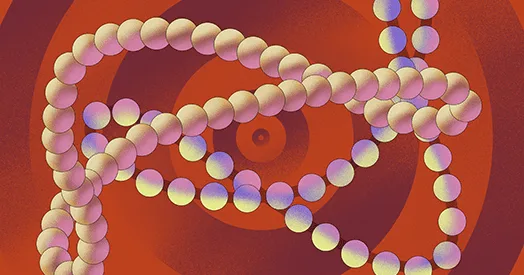
Placing too much emphasis on a specific interpretation of dimensionality, or treating it as an end-all quantification of some aspect of neural computation, may hinder progress in understanding the brain.
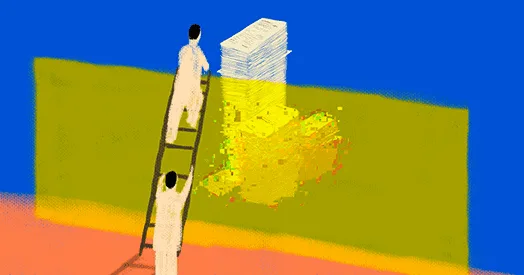
Two years into one of the most tumultuous tenures in U.S. federal funding, researchers outline how they are coping with ongoing changes and reflect on the impact these changes are having on the system more broadly.
As the Federation of Latin American and Caribbean Neuroscience Societies Congress kicks off next week, its president shares how the organization aims to foster collaborations and provide high-quality training for young neuroscientists in the region.
As the Federation of Latin American and Caribbean Neuroscience Societies Congress kicks off next week, its president shares how the organization aims to foster collaborations and provide high-quality training for young neuroscientists in the region.
Cuts to federally funded programs present an existential crisis for the University of Puerto Rico’s rich neuroscience community and for research at minority-serving institutions everywhere.
By offering education and translating scientific terms into Indigenous languages, López-Hidalgo’s outreach program, Neurociencias Para Todos, provides schoolteachers with tools to bring neuroscience to their communities.
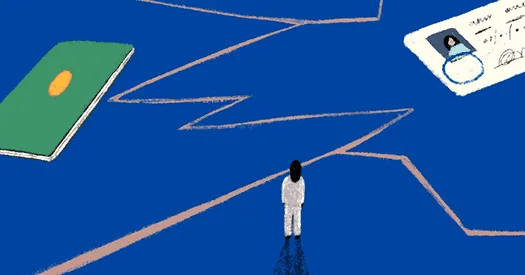
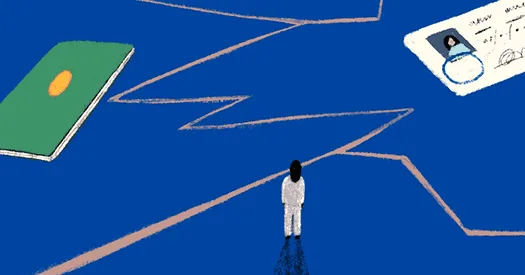
Shifting the focus of equity initiatives from identity categories to structural barriers can reveal overlooked challenges and increase support and participation worldwide.
Shifting the focus of equity initiatives from identity categories to structural barriers can reveal overlooked challenges and increase support and participation worldwide.
Neuroscience in Chile, and across Latin America, does not lack talent or ideas, but the systems that make science visible—prestigious journals, conferences and networks—increasingly price its researchers out.
The ability to record from large populations of neurons has triggered the development of myriad methods for comparing them. But we’re still grappling with how to convert measures of likeness into a better mechanistic understanding.
In a 2007 Science paper, Mark Mayford and his colleagues found that some neurons activated during learning are also recruited during memory retrieval. Noelia Weisstaub shares how this study and others drove an era of great progress in tool development.
Neuroscience in Chile, and across Latin America, does not lack talent or ideas, but the systems that make science visible—prestigious journals, conferences and networks—increasingly price its researchers out.
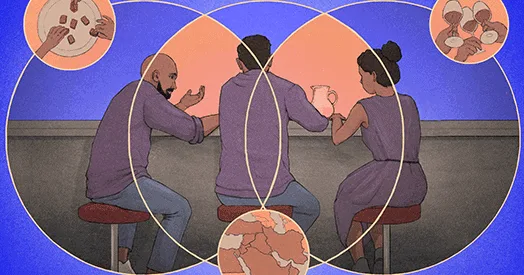
That chance occurrence at an SfN social led us to organize the Middle Eastern Systems Neuroscience Symposium, and forge a plan to build a community that transcends political barriers through scientific connection.