Shahid Ahmad Syed Bukhari & Rabiya Rashid ABSTRACT Prison overcrowding is a persistent challenge to India’s criminal justice system, raising concerns about the effectiveness of imprisonment, prison administration, and constitutional rights. This research examines the causes, consequences, and legal implications of overcrowding, particularly its impact on deterrence, rehabilitation, reformatio…
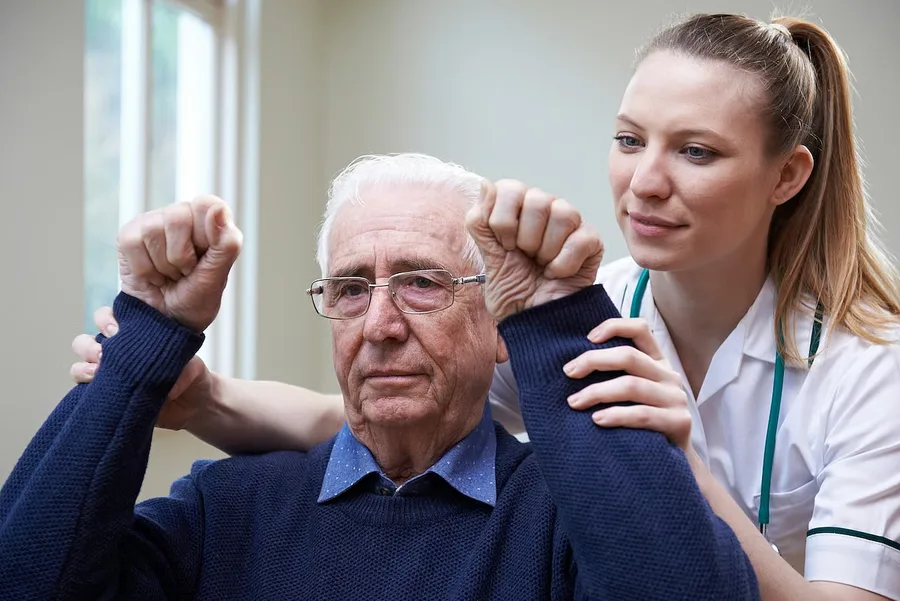
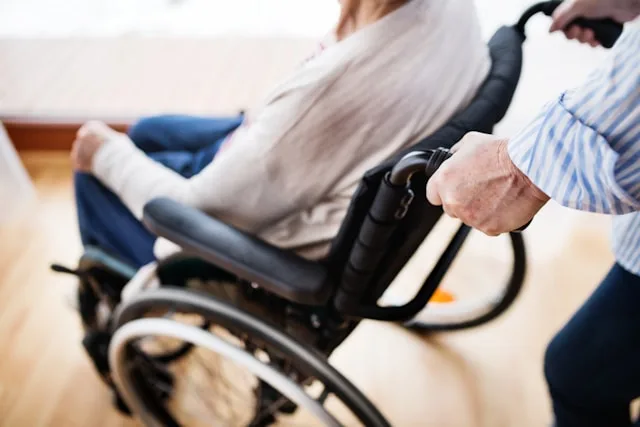
A stroke can change everyday life in seconds. A survivor may suddenly have difficulty walking, speaking, swallowing, remembering information, using an arm, or completing simple daily tasks that once required little thought. Rehabilitation is designed to help people regain as much independence as possible and learn new ways to manage abilities that do not fully […] The post Stroke Recovery Can Con…
A clinical trial for patients with chronic obstructive pulmonary disease (COPD) shows that laughter therapy can reduce breathing difficulties and is as effective as more traditional breathing exercises. The research is presented at the European Respiratory Society (ERS) Congress in Barcelona, Spain.
IntroductionMany people with aphasia experience concomitant executive functioning deficits, and the literature supports a role of executive functioning in treatment response. However, the optimal executive functioning assessment for measuring this impact is unclear, as is the extent to which outcomes (e.g., acquisition, generalization) may be impacted differently. The present retrospective study …
ObjectiveTo describe a brief and easily applicable electroneurographic (ENG) maneuver that can reveal ulnar-evoked motor activity detectable over the abducto’r pollicis brevis (APB) region in selected carpal tunnel syndrome (CTS) cases. The aim is to illustrate how targeted ulnar stimulation may complement routine CTS evaluation, rather than to redefine severity grading or clinical decision makin…
WEDNESDAY, Sept. 2, 2026 — Sara Kutzle worked as a makeup artist in San Francisco before suffering a stroke at age 39.Her stroke cost her a week in intensive care, a month in the hospital and then months upon months relearning everyday skills like...
Scientific Data, Published online: 02 September 2026; doi:10.1038/s41597-026-08156-5 A multimodal gait dataset with ultrasound, EMG, and motion capture from young adults at various walking speeds
Virtual reality is often associated with games and entertainment, but researchers are now exploring whether it can help the brain recover after a stroke. Scientists from the Medical University of Vienna and ETH Zurich have developed a system that allows stroke survivors to practice everyday hand movements in a virtual world while receiving real sensations […] The post New Stroke Therapy Lets Pati…
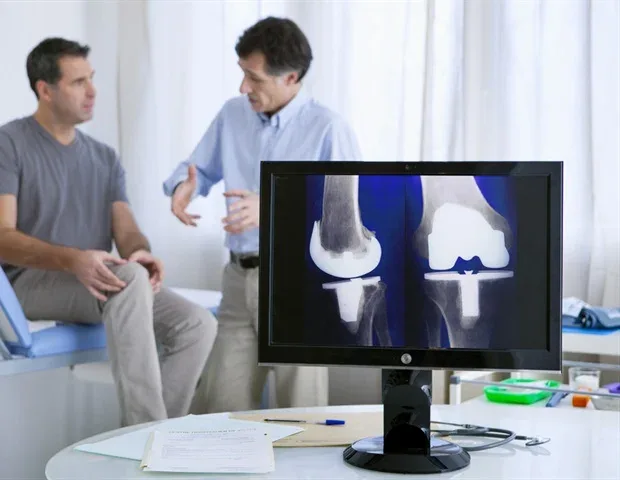
MONDAY, Aug. 31, 2026 — After a hip or knee replacement, getting back on your feet may depend in part on how quickly rehab begins.Every year, hundreds of thousands of older Americans recover from joint replacement surgery at home.Medicare and...
Remotely delivered exercise-based cardiac rehabilitation, when added to center-based programs, resulted in a similar number of completed sessions as center-based programs only, according to results presented in a Hot Line session today at ESC Congress 2026.
Introduction Patients who survive admission to intensive care unit (ICU) for critical illness are at high risk of developing muscle atrophy and weakness, commonly diagnosed as ICU-acquired weakness (ICUAW). The development of ICUAW is closely linked to long-term symptoms and impairments known as post-intensive care syndrome (PICS). Despite heightened recognition of impairments, there is limited r…
Why I turned recovery into a game Cardiac rehab is a long, repetitive grind. The problem is that it feels like a grind. The exercises matter, the sleep and nutrition matter, but the feedback loop is slow and fuzzy. Habitica gives me an immediate feedback loop. I turn recovery into an RPG: quests, parties, XP, streaks. The medical side still lives with doctors and devices. The day-to-day complianc…
Nearly one in six Medicare patients--especially those in rural areas--experienced delays in starting home physical or occupational therapy after hip or knee replacement, leading to worse recovery. The study highlights a need for improved access to home health rehabilitation.
Nearly one in six Medicare patients--especially those in rural areas--experienced delays in starting home physical or occupational therapy after hip or knee replacement, leading to worse recovery. The study highlights a need for improved access to home health rehabilitation.



 research.io