AZoM.com - Materials and Engineering News Feed

This review examines how the rheology, surface oxidation, and interfacial properties of liquid metals shape their printability and performance in stretchable electronics. The authors show how advances in material formulation and 2D-to-4D printing are enabling highly conductive, deformable devices, while identifying scalability, encapsulation, recyclability, and reliable integration as key barrier…

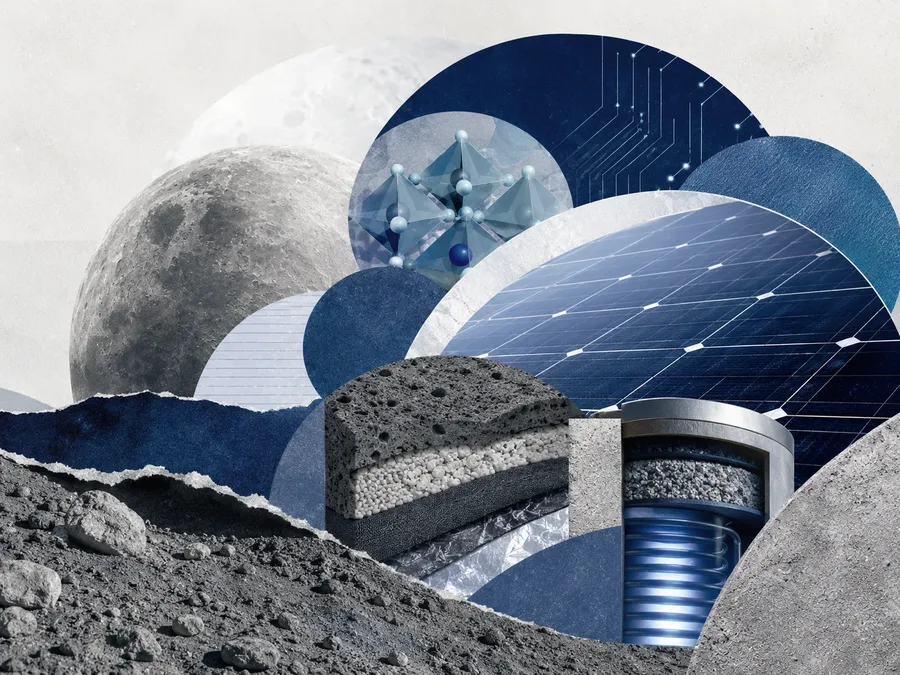
Future lunar bases will depend on materials that can withstand radiation, extreme temperatures, vacuum, and abrasive dust while supporting power generation, storage, and transmission at increasingly large scales. The review highlights how radiation-tolerant photovoltaics, regolith-based thermal storage, lunar-derived conductors and other ISRU-compatible materials could reduce launch mass and help…

Researchers engineered a living Citrobacter sp. MICI21 biofilm on copper that outcompeted the corrosive sulfate-reducing bacterium Oleidesulfovibrio alaskensis G20 and formed a dense, mechanically cohesive barrier. The MICI21-dominated biofilm limited sulfide ingress and pitting and produced substantially greater corrosion resistance, supporting microbiome engineering as a potential strategy for …

“No flying machine will ever fly from New York to Paris,” aviation pioneer Orville Wright once said. What even the visionary Wright brothers considered impossible is now a reality – thanks in part to new materials that make modern aircraft and engines possible in the first place.

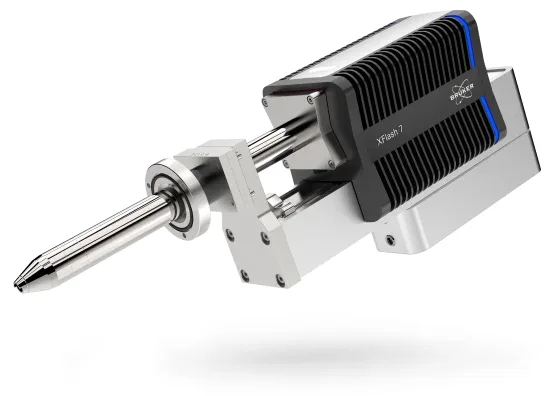
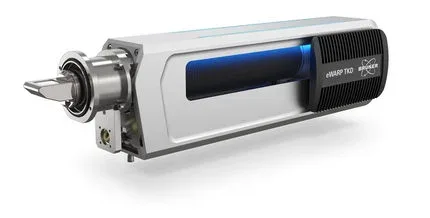
Bruker today announced the launch of two groundbreaking detectors at Microscopy & Microanalysis (M&M) 2026: the eWARP™ TKD, a next-generation Transmission Kikuchi Diffraction (TKD) detector for nanoscale crystallographic characterization, and the XFlash® FlatQUAD™ 2L, the latest evolution of Bruker’s annular EDS detector, enabling simultaneous Energy Dispersive X-ray Spectroscopy (EDS) and Ba…

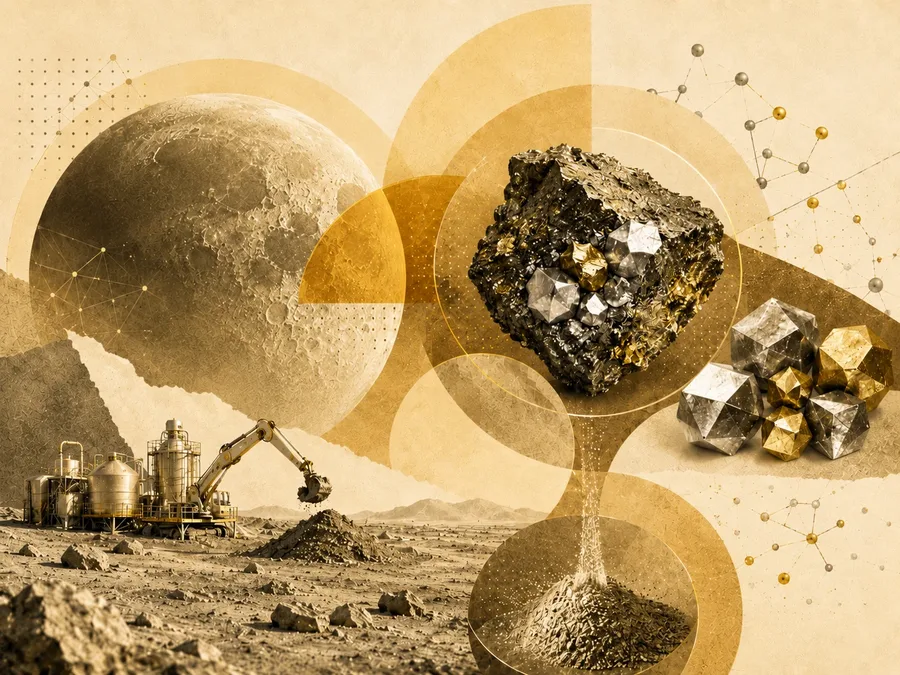
This perspective paper examines whether asteroids could become future sources of rare earth elements, platinum group metals, and other strategic materials, while positioning the Moon as a nearer-term testbed for in-situ resource utilization technologies. The authors conclude that lunar processing is considerably more technologically mature than asteroid mining, which remains largely conceptual an…

research.ioresearch.io

Sign up to keep scrolling

Create your feed subscriptions, save articles, keep scrolling.

Already have an account?