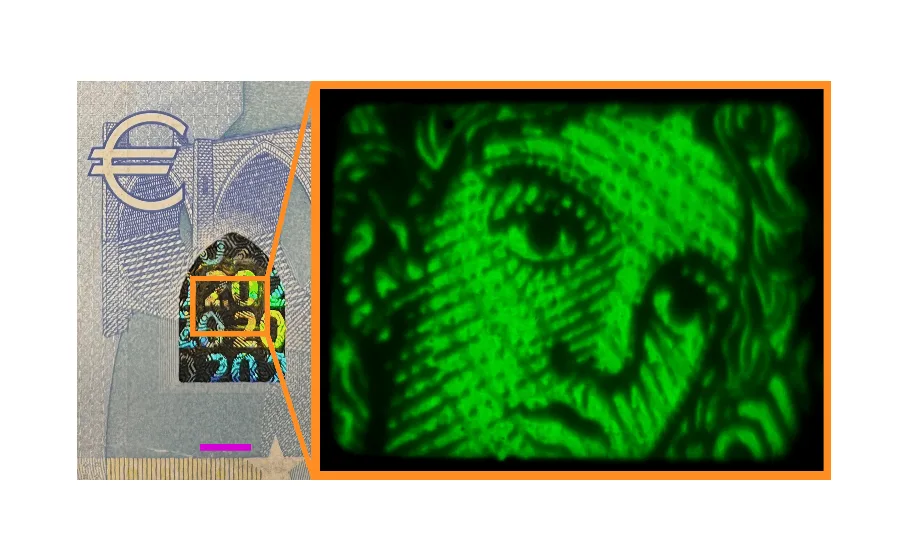
A device created by an international team of researchers converts a near-infrared (NIR) image into visible green light that can be captured via conventional or smartphone cameras—and it may enable future low-cost imaging systems.
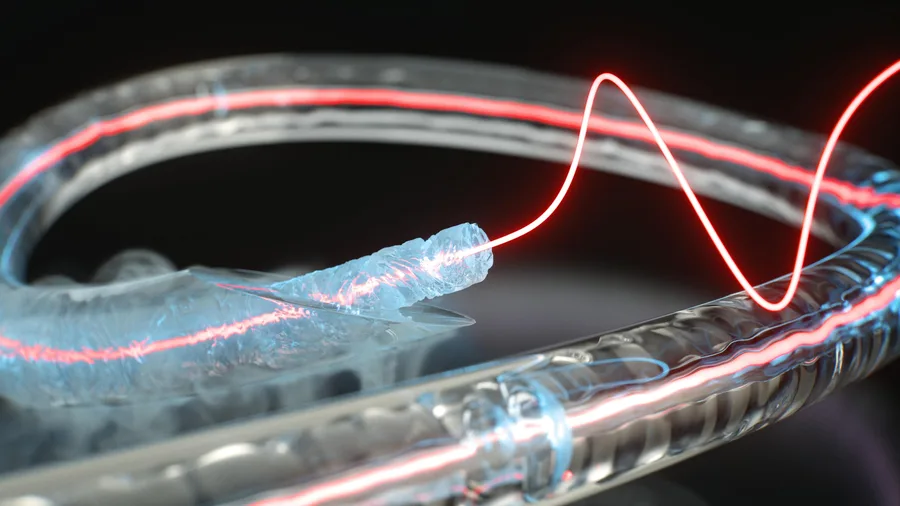
Free-space optical quantum key distribution (QKD) is poised to be a connectivity gamechanger for ad hoc or remote networks, or whenever mobile users are involved.
This episode of Following the Photons: A Photonics Podcast features Shankaran Janardhanan, senior vice president and general manager of the Photonics and RF division at GlobalFoundries.
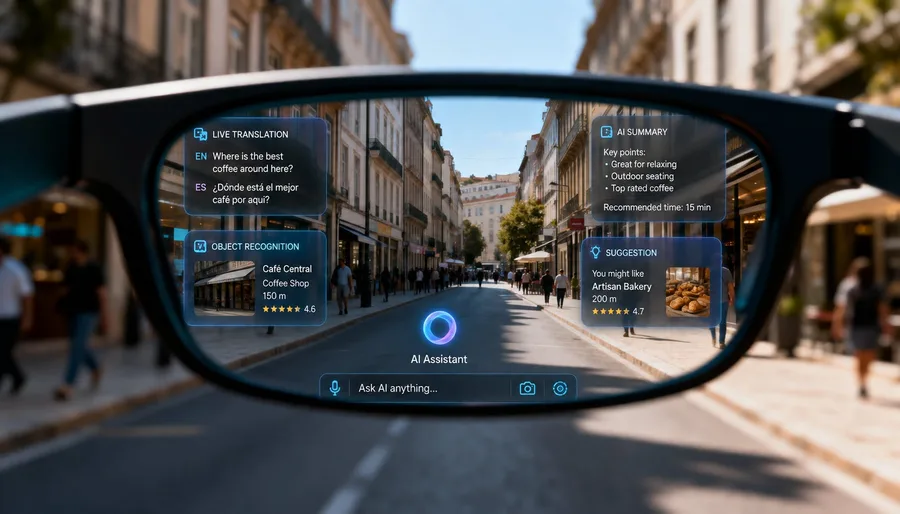
Artificial intelligence (AI) doesn’t replace the traditional metrics of augmented-reality (AR) optical performance, but it does change how optical engineers prioritize and balance them as the role of an AR optical system for smart glasses shifts from occasional display to a persistent communication interface between users and AI assistants.
Nvidia works with companies building quantum computers, including ones with photonics-based quantum processing unit (QPU) approaches, and provides a quantum platform they can integrate into and use to target performance improvements.
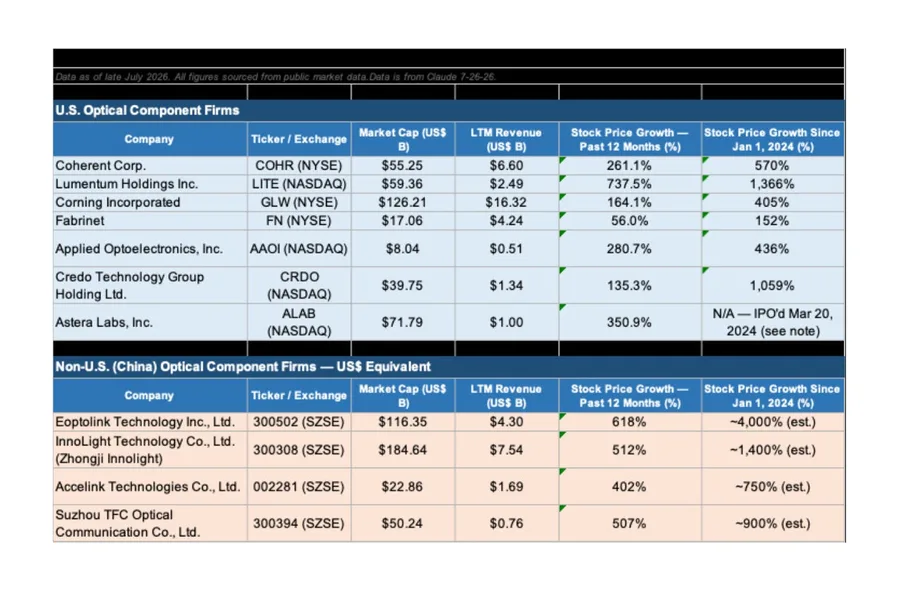
The U.S. and China may be battling for artificial intelligence (AI) leadership, but the photonics supply chain underneath this competition remains remarkably intertwined.
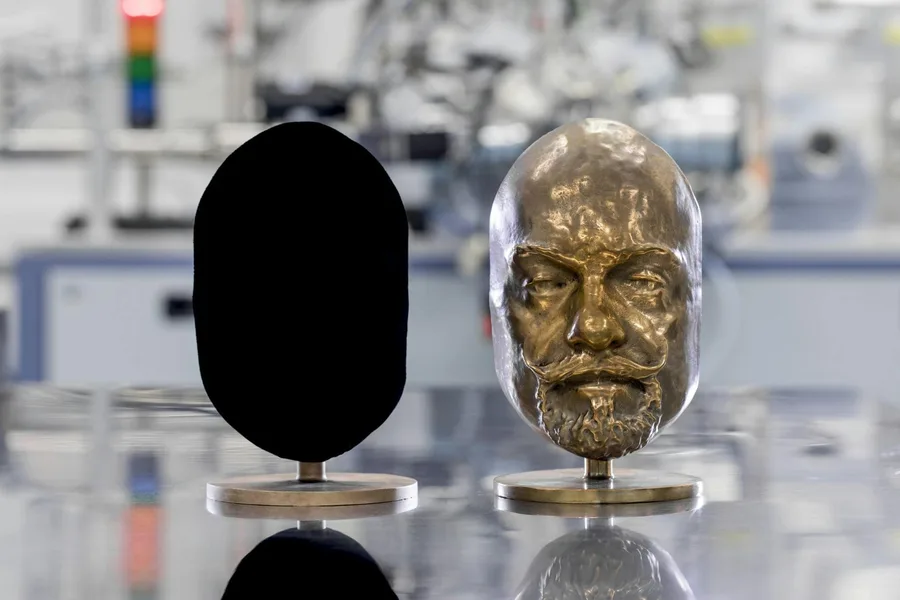
Yes—a study by University of Surrey researchers shows Vantablack 310 and other simple material choices can make a real difference in dialing down satellite brightness to reduce light pollution within low Earth orbit.
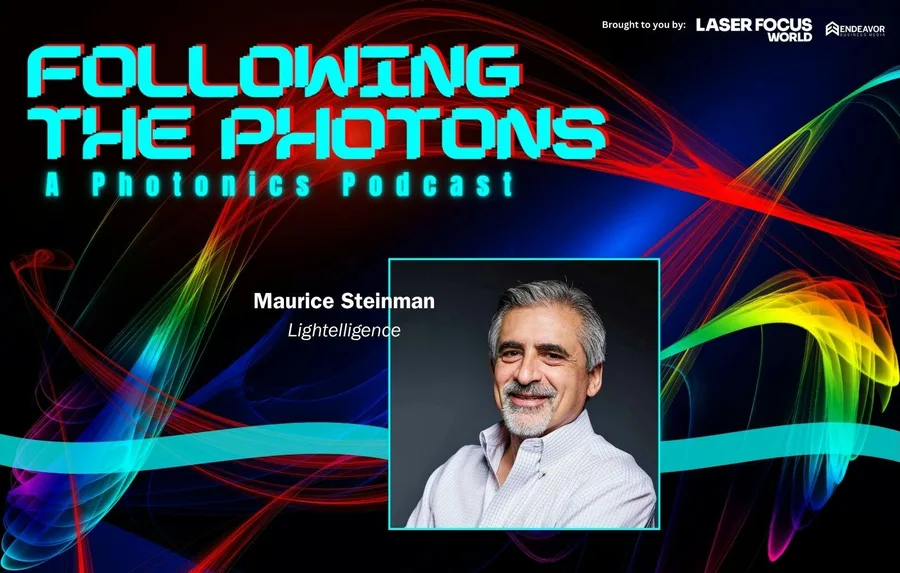
This episode of Following the Photons: A Photonics Podcast features Maurice Steinman, senior VP and general manager of the U.S. division of Lightelligence.
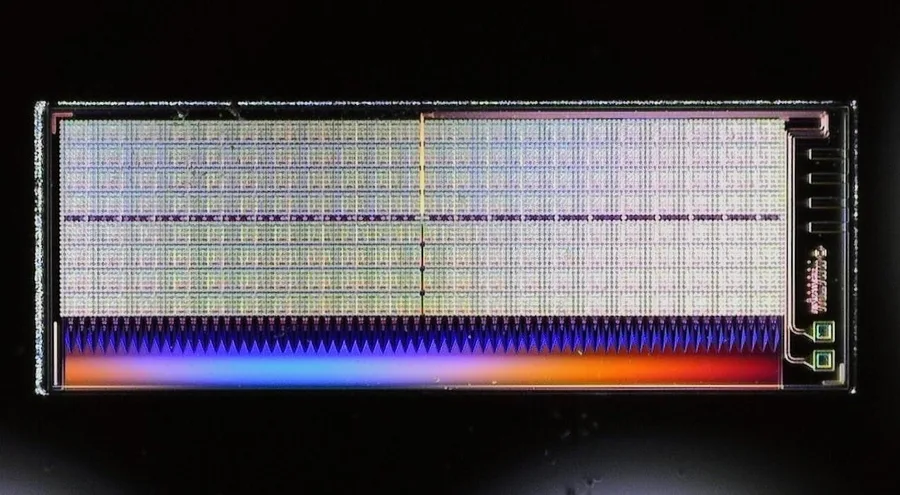
Photonic integrated circuits enable a measurement architecture that turns parallel optical sensing into a usable engineering tool with faster setup, broader spatial awareness, and a better chance of capturing the right information during the first test.
Study shows no more than a total of 100,000 faint satellites—below naked eye visibility—can orbit Earth without damaging our ability to observe the night sky with modern telescopes.
A deep neural network that learns from large-scale experimental optical data—rather than repeated electromagnetic simulations—can rapidly predict device performance, explore large design spaces, and perform inverse design in real time (without repeatedly running computationally expensive simulations).
As systems continue to scale in speed, density, and level of integration, future gains in imaging performance will be a result of architectural decisions as much as advances in sensors or optics.
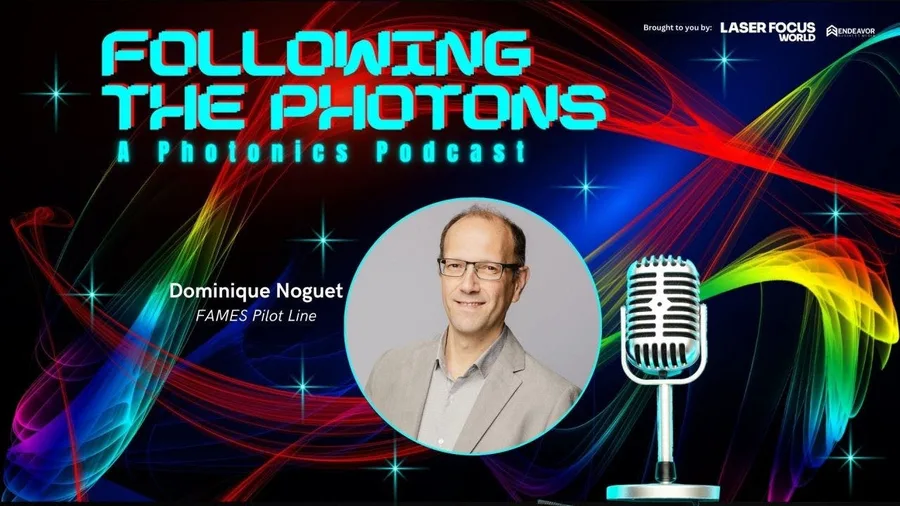
This episode of Following the Photons: A Photonics Podcast features Dominique Noguet, coordinator of the FAMES Pilot Line, the leading initiative under the European Chips Act.
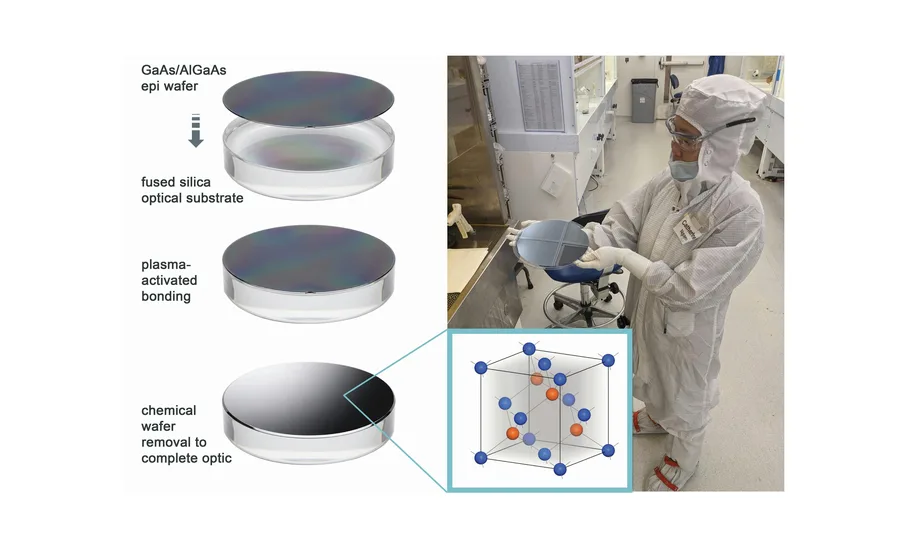
Crystalline supermirrors are more than a specialized coating technology—by leveraging a semiconductor-enabled manufacturing process, they provide a path to lower noise for ever-more precise instruments.
A metalens confocal imaging approach goes beyond miniaturizing an existing confocal microscope by using the spectrum of light as its depth scanner—rather than mechanically shifting focus—and it opens a pathway to compact, high-throughput, and mechanically simple 3D imaging systems.