Asynt

Biocatalysis is becoming an increasingly important tool for chemists looking to develop efficient and selective chemical processes. But what happens when your biocatalyst is a solid, and what equipment can you use to get the most out of it? The post Tools for Heterogeneous Biocatalysis appeared first on Asynt .

Mixing is crucial to a huge range of chemical processes. Across this range, different applications require different equipment. Magnetic stirring and overhead stirring are two of the most prominent solutions, and each is suited to different types of process. The post Overhead Stirring vs Magnetic Stirring appeared first on Asynt .

Continually evolving to improve how environmental impact, while we help you improve yours in your lab. The post Gambica Environmental Impact Champion 2025 appeared first on Asynt .

Rowan M. Bailey evaluates the PhotoChip LED photoreactor whilst conducting kinetic sweeping experiments which rely on highly reproducible reactor conditions. The post PhotoChip Evaluation: Rowan M. Bailey, Imperial College London appeared first on Asynt .

Conference season is in full swing and July promises to be a busy month for the Asynt team, with three major international events covering organic synthesis, medicinal chemistry, enabling technologies The post Where will Asynt be this summer? appeared first on Asynt .

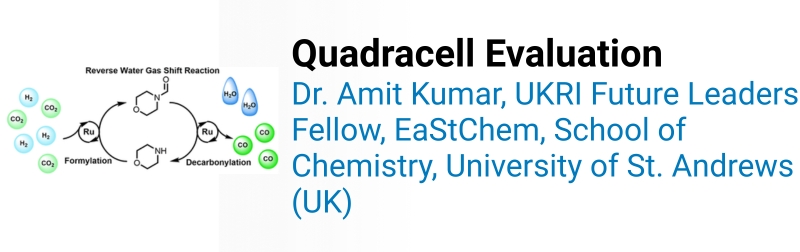
Welcome to the Asynt June 2026 Chemistry Newsletter: Turning CO2 Into Opportunity. At the School of Chemistry | University of St Andrews, Amit Kumar, Ph.D’s group is exploring how advanced The post Asynt June 2026 Chemistry Newsletter appeared first on Asynt .

Based in the Department of Chemistry at the University of Bath, the Morrill research group is focused on developing new reactions in organic chemistry and sustainable catalytic methodologies for electrosynthesis The post Parallel Electrochemistry for he development of new electrosynthetic methods at Bath University appeared first on Asynt .

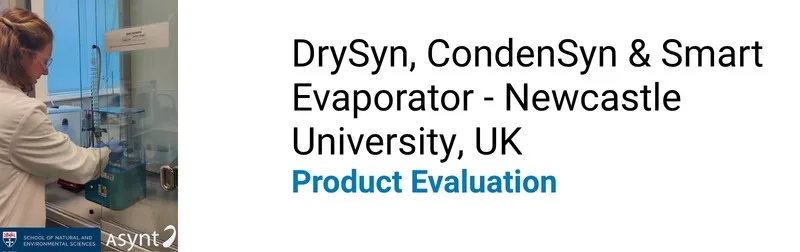
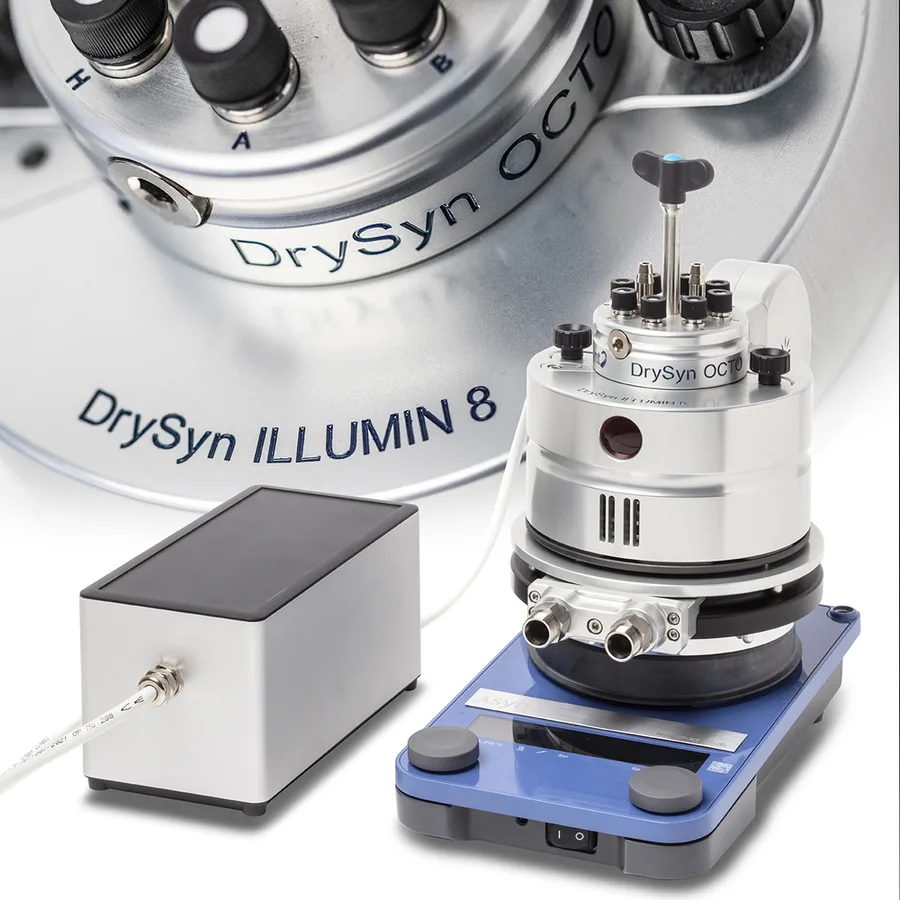
Professor Mike Waring, Dr. Hannah Stewart and the team at Newcastle University are engaged in translational medicinal chemistry at the sharp end of oncology drug discovery and have shared their feedback on lab apparatus making a positive impact in their research. The post DrySyn, CondenSyn & Smart Evaporator Evaluation – Newcastle University Centre for Cancer Chemistry appeared first on Asynt .

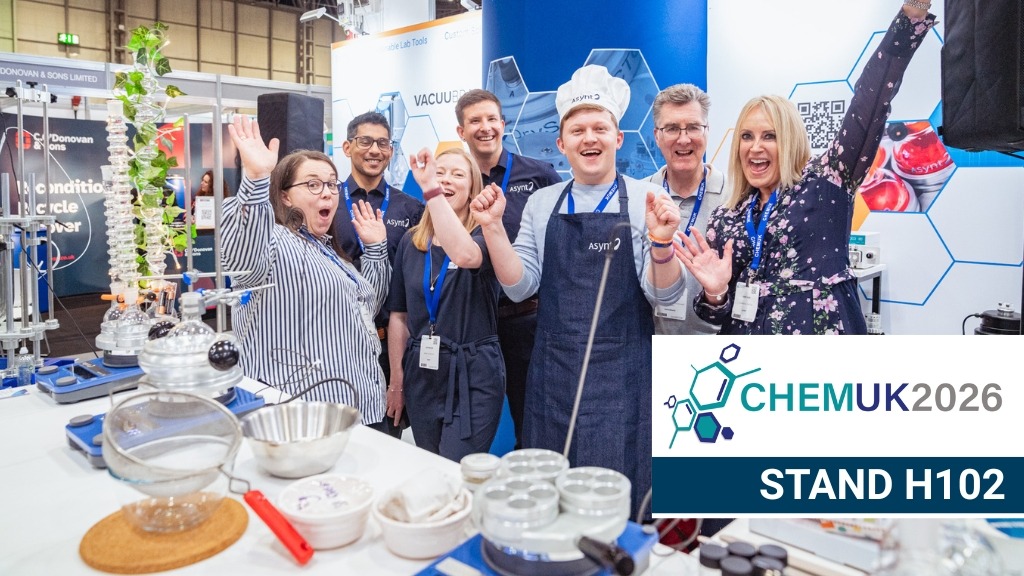
Light Powered Chemistry and Smarter Reaction Optimisation in the Asynt May 2026 Chemistry Newsletter Asynt are heading back to ChemUK at the NEC Birmingham and we would love to see The post May 2026 Chemistry Newsletter appeared first on Asynt .

research.ioresearch.io

Sign up to keep scrolling

Create your feed subscriptions, save articles, keep scrolling.

Already have an account?