oncology
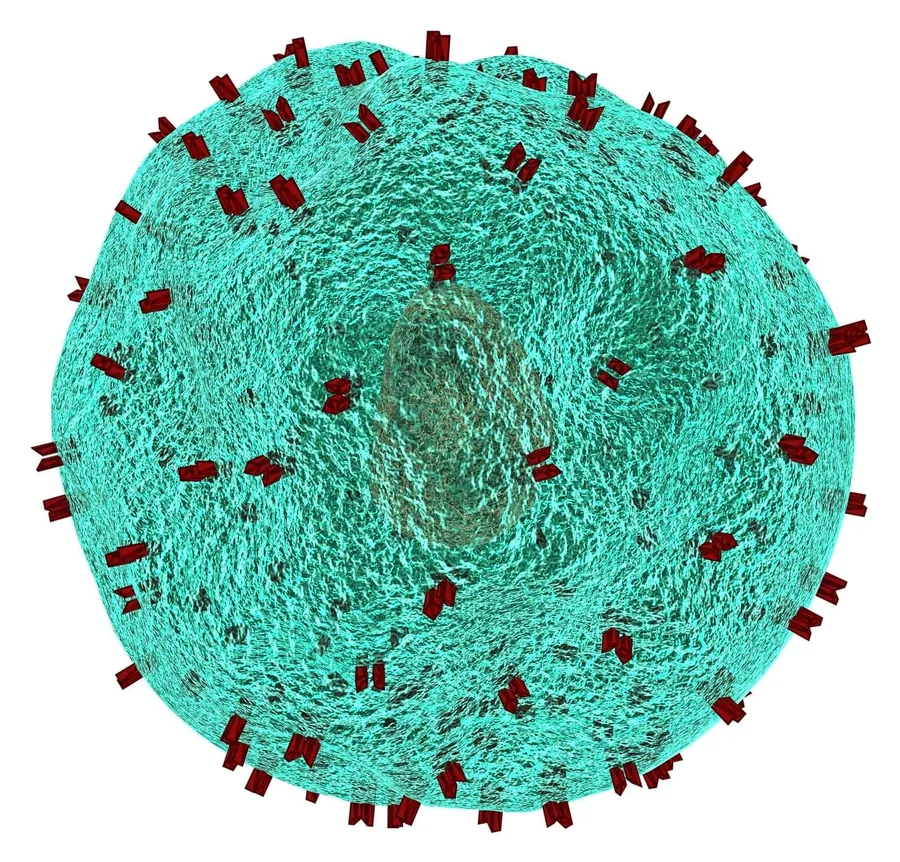
Patients' responses to questions routinely raised by oncologists may provide important clues about their chances of survival from chronic lymphocytic leukemia (CLL), according to a new study published in the journal Therapeutic Advances in Hematology.
The complexity of data pertaining to patients diagnosed with cancer requires a shift from fragmented, unimodal diagnostics towards multimodal artificial intelligence (MAI) in order to achieve true precision oncology. In this literature review we examined the landscape of unimodal data modalities used in oncological practice including clinical records, multi-scale imaging (radiology and histopatho…
Clinically useful artificial intelligence and machine-learning studies in healthcare require interpretable features, internal validation, and explicit boundaries between primary inference and external context. Among 1,612 baseline Parkinson’s Progression Markers Initiative (PPMI) participants, 1,439 had evaluable post-baseline cognition and contributed 5,909 records through Year 5. Composite cogn…
A man with pancreatic cancer that had spread through his body experienced an exceptionally rare outcome after receiving an experimental four-drug treatment. After responding strongly enough to undergo surgery, doctors examined the removed tissue and found no living cancer cells. More than three years after beginning treatment, he remained cancer-free, including more than two years […] The post On…
BackgroundALK/ROS1 tyrosine kinase inhibitors (TKIs) have improved outcomes in molecularly selected malignancies, but trial populations do not fully represent the age and clinical heterogeneity encountered in routine care. Comparative post-marketing evidence on age-related and drug-specific reporting patterns remains limited.MethodsWe analyzed US Food and Drug Administration Adverse Event Reporti…
Background: Chronic myeloid leukemia is commonly treated with tyrosine kinase inhibitors, and numerous clinical trials have been conducted globally. However, the overall registration distribution, trial development patterns, and public availability of trial results remain unclear. This study aimed to map the global landscape of such trials and assess the public availability of their results.Metho…

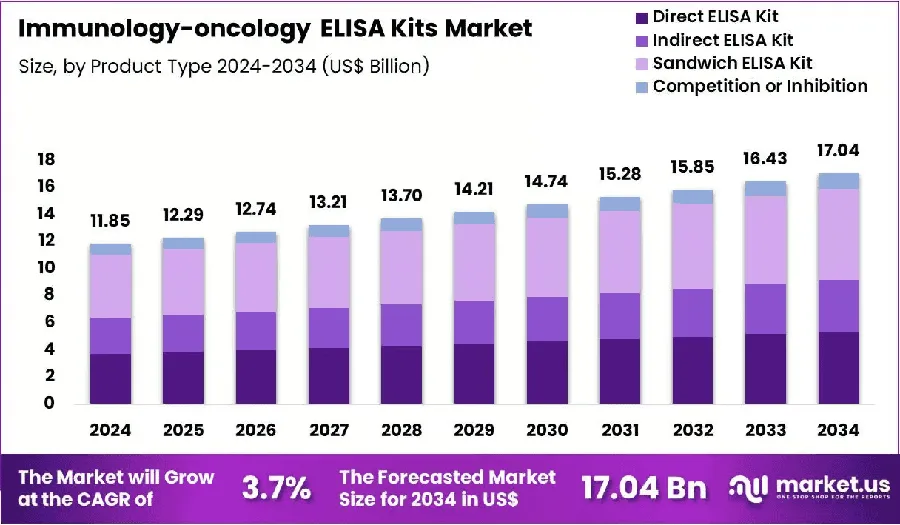
Overview New York, NY – Aug 7, 2026 – Global Immunology-oncology ELISA Kits Market size is expected to be worth around US$ 17.04 Billion by 2034 from US$ 11.85 Billion in 2024, growing at a CAGR of 3.7% during the forecast period 2025 to 2034. In 2024, North America led the market, achieving over 41.7% share with a revenue of US$ 4.94 Billion. The […] The post Immunology-Oncology ELISA Kits Marke…
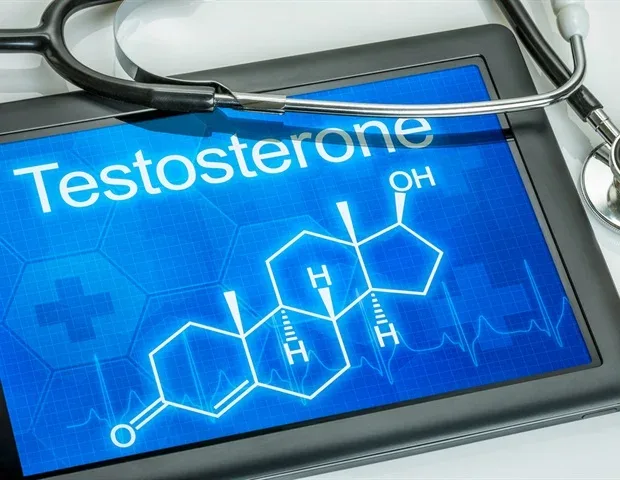
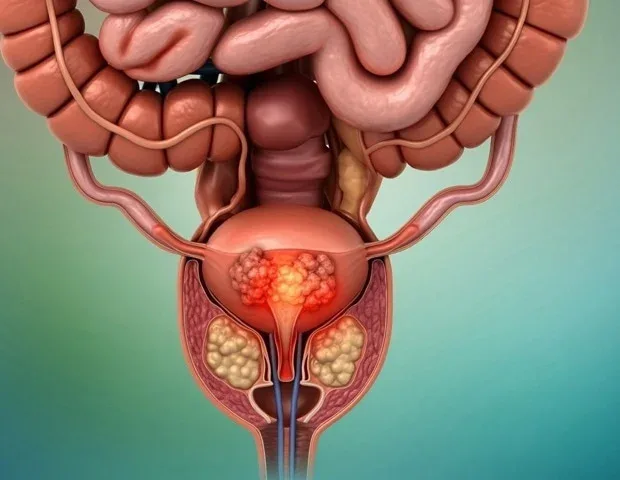
Many prostate cancers depend on androgen hormones, including testosterone, to grow. That is why treatments for advanced disease often try to reduce testosterone production or block its effects.
Researchers have mapped breast tumors in striking detail and uncovered hidden pockets of dormant cancer cells that may help explain why cancer can return after treatment. Unlike rapidly dividing cells, these quiet cells can essentially hibernate, allowing them to evade chemotherapy and reactivate later. The team found that they are often surrounded by immune cells and connective tissue cells that…
Women with the most antioxidant-rich diets had a strikingly lower prevalence of cervical cancer in a nationwide analysis. A cervical cancer diagnosis is usually traced back to one dominant cause: persistent infection with a high-risk strain of human papillomavirus (HPV). But infection alone does not determine who develops cancer, leaving researchers interested in the other [...]

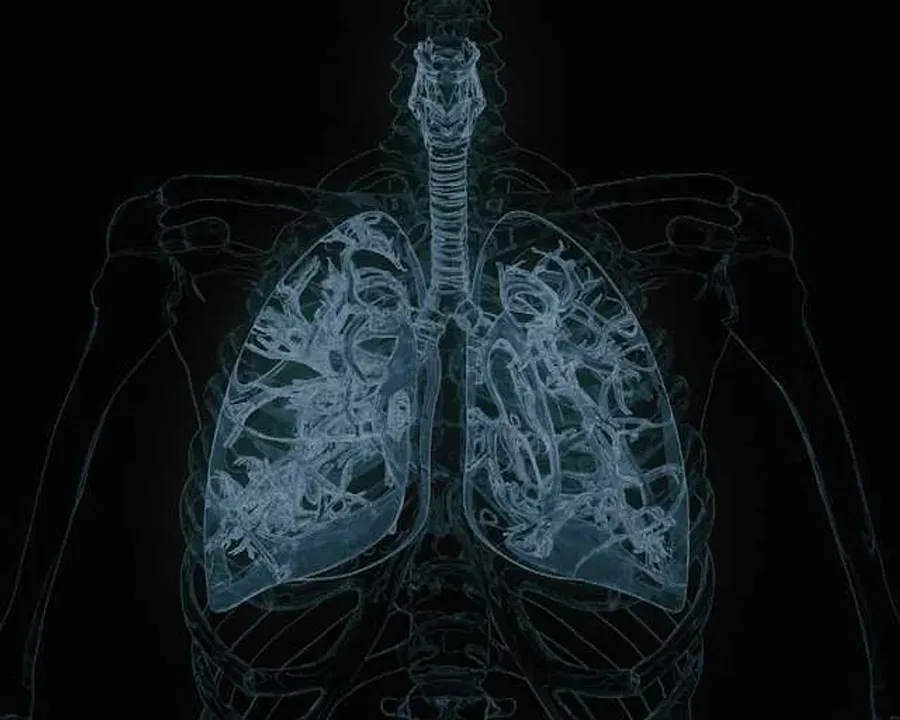
A new study has revealed a striking difference between people with lung cancer and those without the disease.
Did you know that about 1 in 8 men will be diagnosed with prostate cancer during their lifetime? According to the American Cancer Society, it remains the second-leading cause of cancer death among American men.
Haswitha Sabbineni has an idea that could lead to a targeted treatment for prostate cancer. To get the

Molecules called reactive oxygen species, which include so-called “free radicals,” have long been viewed as damaging byproducts of our body’s metabolism—a reason antioxidant supplements have been considered a potential way to reduce cancer risk. Now, scientists have discovered that certain immune cells depend on these molecules to activate and destroy cancer cells and that tumors […]

In a breakthrough study, researchers at The University of Texas MD Anderson Cancer Center discovered that psilocybin given before chemotherapy prevented the onset of nerve injury in preclinical models, even after repeated treatment cycles. The findings could help prevent pain, numbness and other common chemotherapy side effects. The study, published in Science and co-led by […]
research.ioSign up to keep scrolling
Create your feed subscriptions, save articles, keep scrolling.